Classic Rib Corrugated Panel Material & Structural Properties
2026-02-13 11:00:00
Classic Rib Corrugated Panel represents a sophisticated metal roofing solution engineered for demanding commercial and industrial applications. These panels feature precision-formed ribs that enhance structural integrity while maintaining exceptional durability and aesthetic appeal. Manufactured from high-grade galvanized steel or aluminum, each panel incorporates advanced protective coatings including PE, HDP, and PVDF finishes that resist environmental degradation and extend service life to 30 years. The distinctive corrugated profile optimizes load distribution and drainage performance, making these panels ideal for large-scale construction projects requiring reliable weatherproofing and structural performance.
Introduction
Contemporary construction projects demand roofing solutions that balance structural excellence with operational efficiency. Classic rib corrugated panels have emerged as the preferred choice for professional contractors, general contractors, and real estate developers managing medium-to-large-scale developments across transportation hubs, commercial complexes, and government-funded infrastructure. These panels address critical project requirements through their proven combination of strength, versatility, and cost-effectiveness.
The significance of selecting appropriate roofing materials extends beyond initial installation costs. Procurement specialists and engineering teams recognize that material selection impacts long-term maintenance expenses, project schedules, and overall building performance. Classic rib corrugated panels deliver measurable advantages through their lightweight construction, simplified installation processes, and minimal maintenance requirements throughout their extended service life.
Modern construction standards increasingly emphasize sustainable building practices and energy efficiency. Classic rib panels contribute to these objectives through their recyclable metal composition, reflective surface properties, and compatibility with various insulation systems. This comprehensive approach to building performance makes these panels particularly attractive for projects pursuing LEED certification or similar green building standards.
Understanding Classic Rib Corrugated Panels: Material Composition and Structural Features
Classic rib corrugated panels exhibit advanced designing through their carefully planned fabric composition and basic characteristics. These boards utilize premium galvanized steel, aluminum, or stainless steel substrates extending from 0.3mm to 1.2mm thickness, giving ideal adjust between quality and weight contemplations. The galvanization handle makes a defensive zinc coating that avoids erosion whereas keeping up basic keenness beneath challenging natural conditions.
Advanced Protective Coating Systems
The application of specialized defensive coatings speaks to a basic component of board execution. Cutting edge coating innovations incorporate polyester (PE), high-durability polyester (HDP), and polyvinylidene fluoride (PVDF) frameworks that give prevalent climate resistance and color maintenance. These coatings experience thorough testing to meet universal measures counting ASTM, Clamor, JIS, BS, and GB/T determinations, guaranteeing reliable execution over different climate conditions.
PVDF coatings offer uncommon UV resistance and chemical steadiness, making them perfect for coastal situations or mechanical offices uncovered to forceful climatic conditions. The atomic structure of PVDF makes a non-porous surface that stands up to chalking, blurring, and chemical assault, keeping up tasteful request all through the panel's benefit life. This coating innovation has illustrated predominant execution in quickened weathering tests, approving its appropriateness for requesting commercial applications.
Structural Engineering and Load-Bearing Capacity
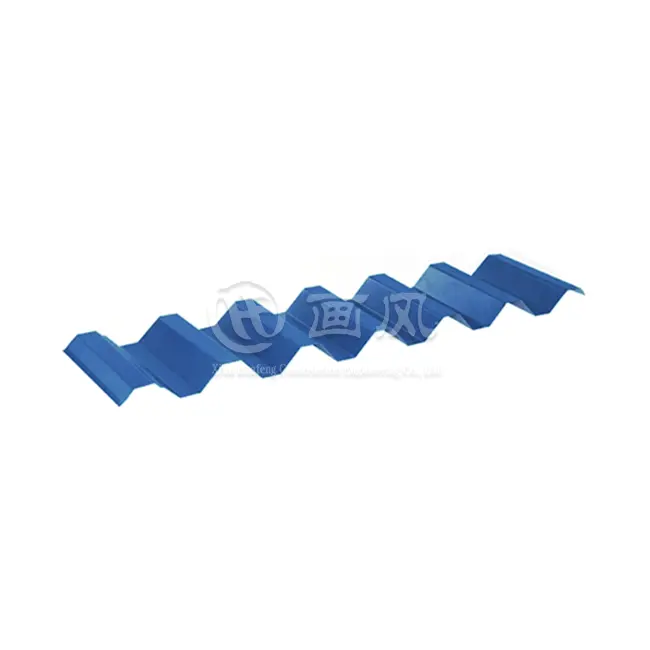
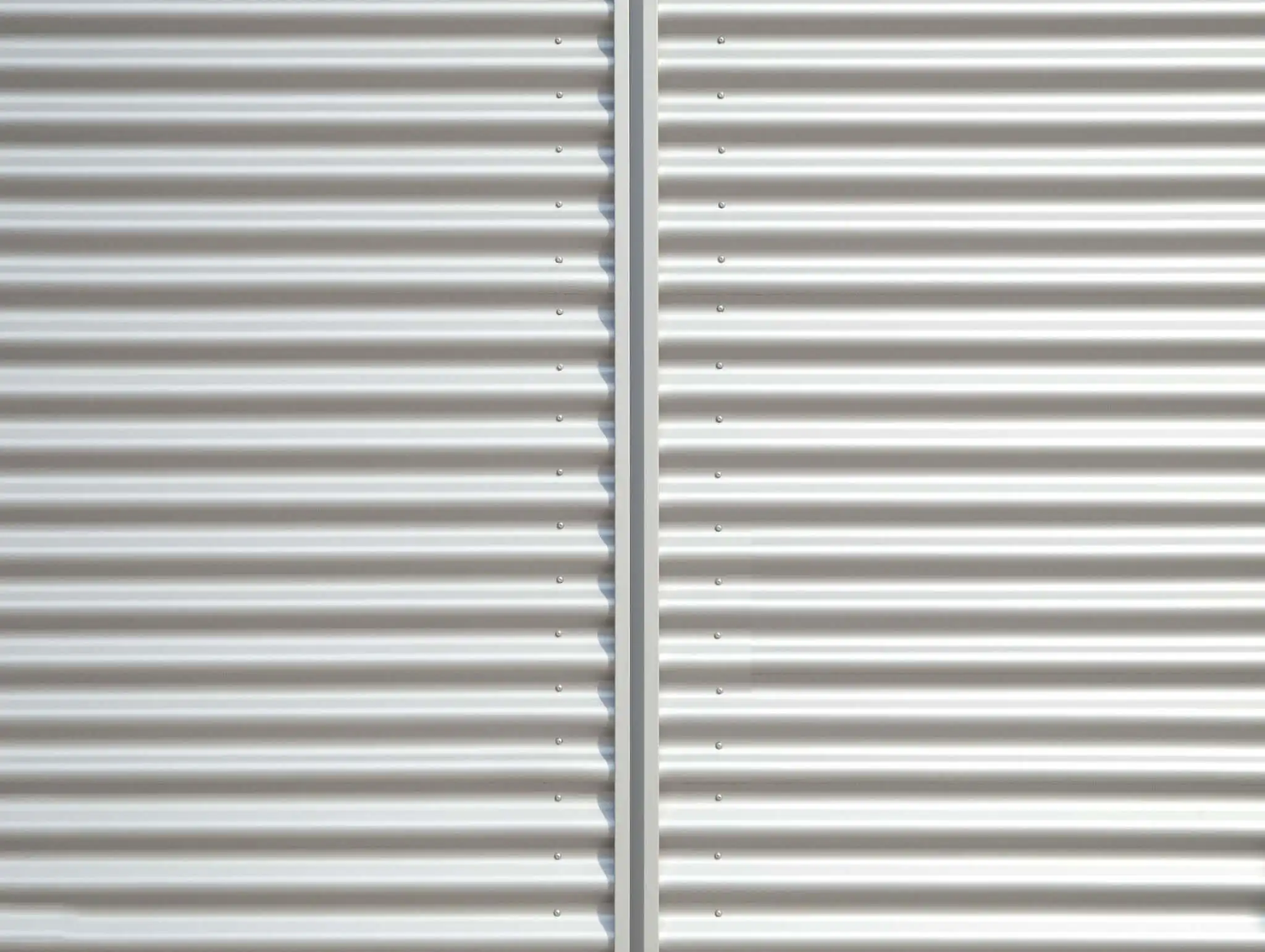
The unmistakable rib profile improves auxiliary execution through optimized geometric plan that maximizes minute of inactivity whereas minimizing fabric utilization. Normal rib arrangements include wave statures extending from 10mm to 50mm with comparing wave separations between 100mm and 300mm, depending on particular stack necessities and building inclinations. This geometric course of action makes remarkable strength-to-weight proportions that surpass routine level board alternatives.
Load-bearing calculations illustrate that appropriately introduced classic rib boards can withstand wind loads surpassing 120 mph when introduced agreeing to producer details. The layered profile disseminates stretch concentrations successfully, anticipating localized disappointments that might happen with less modern board plans. Building investigation affirms that these boards keep up auxiliary judgment beneath combined stacking conditions counting wind elevate, snow loads, and warm development cycles.
Customization Capabilities and Dimensional Specifications
Manufacturing adaptability permits for broad customization to meet particular venture prerequisites. Standard board widths extend from 600mm to 1200mm, with custom measurements accessible to oblige special engineering details. Length customization ordinarily ranges from 2 meters to 12 meters, empowering consistent establishment over different building setups whereas minimizing squander and decreasing establishment time.
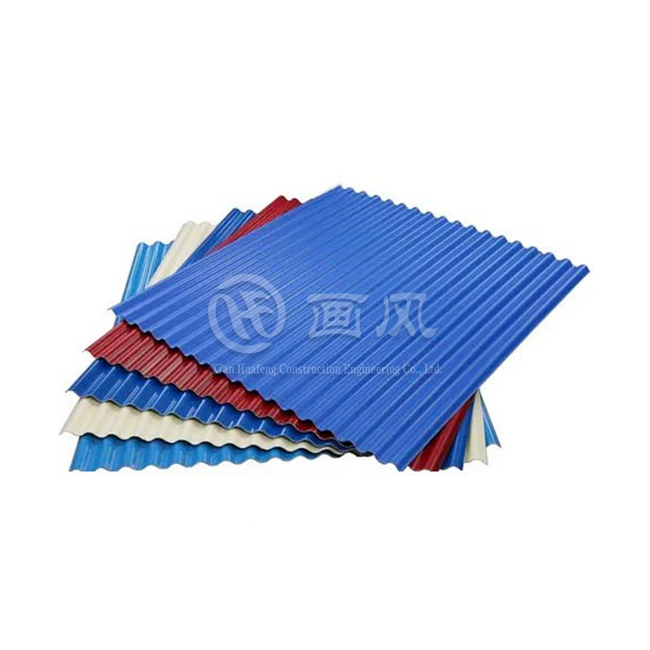
The fabricating handle obliges custom color coordinating, design improvement, and surface texturing to accomplish particular tasteful targets. Progressed shaping gear guarantees dimensional precision inside tight resiliences, encouraging exact fit-up amid establishment. This consideration to fabricating accuracy diminishes field adjustments and quickens venture completion plans.
Benefits and Practical Applications of Classic Rib Corrugated Panels
Strategic focal points of classic rib boards expand past essential climate security to include comprehensive building execution upgrades that provide quantifiable return on venture. The lightweight development decreases auxiliary stacking prerequisites, possibly permitting for lighter establishment frameworks and supporting structures. This weight advantage interprets to decreased transportation costs and disentangled taking care of methods amid installation.
Energy productivity benefits develop from the panels' warm execution characteristics and compatibility with different cover frameworks. Intelligent coating choices can essentially diminish cooling loads in commercial applications, whereas warm breaks and cover integration minimize warm exchange through the building envelope. These highlights contribute to decreased operational costs and moved forward inhabitant consolation all through the building's operational life.
Industrial and Commercial Roofing Applications
Manufacturing offices advantage from classic rib panels' strength and moo support prerequisites. The smooth surface profile encourages productive waste whereas standing up to flotsam and jetsam collection that might compromise roof execution. Chemical resistance properties make these boards appropriate for offices handling destructive materials or working in forceful natural conditions.
Warehouse and dispersion centers especially esteem the panels' capacity to suit huge clear ranges without middle of the road basic bolster. The quality characteristics of legitimately planned rib boards permit for optimized auxiliary frameworks that maximize usable floor space whereas keeping up code-required security variables. This basic proficiency deciphers to decreased development costs and upgraded operational flexibility.
Transportation Infrastructure and Public Projects
Airport terminals and travel offices speak to requesting applications where classic rib boards exceed expectations through their demonstrated execution beneath overwhelming snow loads, wind introduction, and temperature cycling. The panels' fire-resistant properties and compliance with flying security measures make them reasonable for basic framework applications where building execution specifically impacts open safety.
Convention centers and presentation lobbies advantage from the panels' tasteful flexibility and acoustic properties. Custom puncturing designs can upgrade sound assimilation whereas keeping up climate resistance, making comfortable situations for expansive get-togethers. The capacity to join coordinates lighting and HVAC frameworks through the board gathering streamlines building frameworks integration.
Comparative Analysis: Classic Rib Corrugated Panels vs Alternative Roofing Materials
Informed material selection requires comprehensive evaluation of performance characteristics, installation requirements, and lifecycle costs across available options. Classic rib corrugated panels demonstrate distinct advantages compared to traditional alternatives including trapezoidal sheets, standing seam systems, and metal shingles through their optimized balance of strength, cost, and installation efficiency.
Performance Comparison with Standing Seam Systems
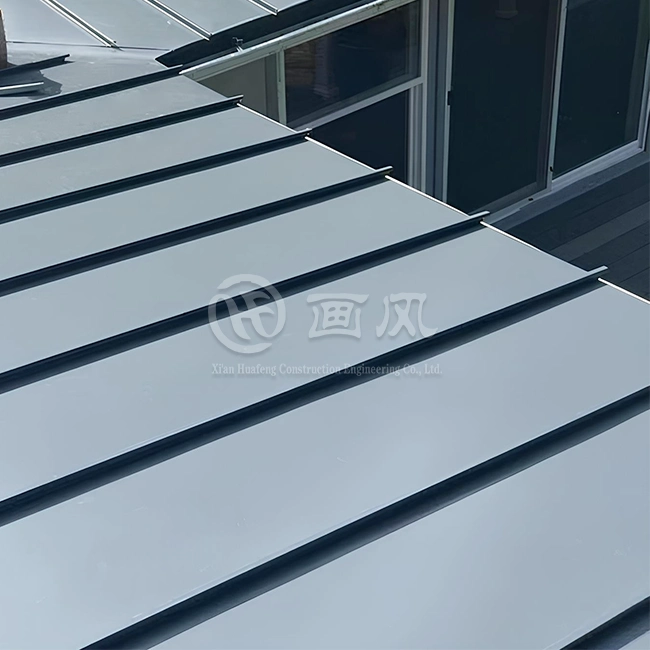
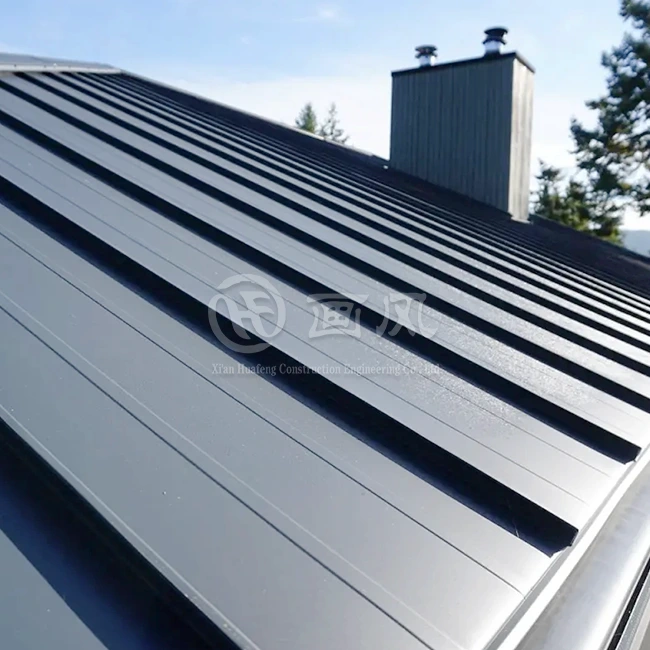
Standing seam roofing systems offer exceptional water resistance through their elevated joint design but require more sophisticated installation techniques and higher material costs. Classic rib panels achieve comparable weather performance through proper lap joint sealing and drainage design while maintaining significantly lower installation complexity. The exposed fastener system used with rib panels allows for efficient field repairs and maintenance access that may be more challenging with concealed fastener standing seam systems.
Thermal movement accommodation differs between these systems, with standing seam panels providing superior expansion joint performance but requiring more complex detailing at building transitions. Classic rib panels address thermal movement through proper fastening patterns and sealant application, achieving adequate performance for most commercial applications at reduced cost and complexity.
Material Strength and Durability Assessment
Comparative testing demonstrates that classic rib panels achieve superior strength-to-weight ratios compared to flat metal sheets or architectural membrane systems. The formed rib profile creates structural depth that resists oil-canning and deflection under uniform loading conditions. Impact resistance testing shows these panels maintain structural integrity under severe weather events including hail impact and debris loading.
Corrosion resistance performance varies with coating selection and environmental exposure conditions. Galvanized steel substrates with PVDF coatings demonstrate exceptional longevity in coastal environments, while aluminum substrates excel in applications requiring maximum corrosion resistance. This material flexibility allows optimization for specific project conditions and budget constraints.
Installation Efficiency and Maintenance Considerations
Installation productivity advantages emerge from the panels' standardized fastening systems and simplified field cutting requirements. Experienced roofing crews can achieve installation rates exceeding 1000 square feet per day under favorable conditions, significantly reducing project duration compared to more complex roofing systems. The exposed fastener configuration facilitates inspection and maintenance activities throughout the building's service life.
Maintenance requirements remain minimal throughout the panels' service life when properly installed and maintained. Periodic inspection of fasteners and sealants represents the primary ongoing maintenance activity, with replacement or repair procedures readily accomplished using standard roofing tools and materials. This maintenance simplicity reduces lifecycle costs and minimizes building downtime during service activities.
Procurement Considerations: Buying, Ordering, and Installation Guidance
Successful project execution requires careful attention to procurement logistics, quality specifications, and installation planning. Classic rib corrugated panel procurement involves multiple considerations including material specifications, delivery scheduling, and quality assurance protocols that ensure project success and long-term performance.
Minimum Order Quantities and Lead Time Management
Professional suppliers typically establish minimum order quantities around 500 square meters to optimize production efficiency and maintain competitive pricing. This threshold accommodates most commercial roofing projects while allowing suppliers to achieve economies of scale in material procurement and manufacturing processes. Larger projects may qualify for additional pricing incentives and priority scheduling consideration.
Standard delivery schedules range from 15 to 20 days for stock configurations, with custom specifications potentially requiring additional lead time depending on coating requirements and dimensional specifications. Early supplier engagement during project planning phases allows for optimized delivery scheduling that aligns with construction milestones and weather windows. International shipping capabilities enable global project support with appropriate logistics coordination.
Quality Specifications and Standards Compliance
Material specifications should reference appropriate international standards including ASTM A755 for metallic-coated steel panels, ASTM D3363 for coating hardness, and ASTM D4214 for coating flexibility. These standards ensure consistent material properties and performance characteristics across different suppliers and manufacturing locations. Third-party testing verification provides additional quality assurance for critical applications.
Coating specifications require particular attention to ensure appropriate performance for specific environmental conditions. Salt spray testing results, UV exposure performance, and thermal cycling capabilities should align with project exposure conditions and expected service life requirements. Documentation of quality control testing and certification provides valuable support for warranty claims and performance validation, especially for Classic Rib Corrugated Panels.
Installation Best Practices and Technical Support
Proper installation techniques significantly influence long-term panel performance and warranty coverage. Fastener selection, spacing, and installation torque specifications must comply with manufacturer requirements and local building codes. Thermal expansion allowances and wind uplift considerations require careful attention during installation planning and execution.
Technical support services from qualified suppliers include installation training, field supervision, and troubleshooting assistance that enhance project success rates. Access to experienced technical representatives during critical installation phases reduces the risk of costly errors and ensures compliance with warranty requirements. Comprehensive installation documentation supports future maintenance activities and warranty compliance verification.
Trusted Suppliers and Brand Insights for Classic Rib Corrugated Panels
Supplier selection represents a critical decision factor that influences material quality, project support, and long-term performance outcomes. Reputable manufacturers demonstrate their capabilities through industry certifications, quality management systems, and proven track records in demanding commercial applications. Evaluation criteria should encompass technical capabilities, manufacturing capacity, and customer service excellence.
Manufacturing Capabilities and Quality Assurance
Leading suppliers maintain sophisticated manufacturing facilities equipped with advanced forming equipment, quality control systems, and environmental compliance measures. Modern production lines incorporate computerized controls that ensure dimensional accuracy and consistent coating application across all manufactured panels. Statistical process control methods monitor critical quality parameters and provide early detection of potential issues.
Xi'an Huafeng Construction Engineering Co., Ltd. exemplifies manufacturing excellence through its integrated production capabilities spanning three factories with seven production lines and over 40 specialized machines. This infrastructure supports monthly production capacity exceeding 1000 tons while maintaining stringent quality standards. The company's recognition as a high-tech enterprise and Grade 1 building curtain wall certification demonstrates commitment to technical excellence and continuous improvement.
Certification Standards and International Compliance
Quality certifications including ISO 9001, ISO 14001, and SGS validation provide objective verification of manufacturing capabilities and quality management systems. These certifications require regular audits and continuous improvement initiatives that benefit customers through consistent product quality and reliable delivery performance. CE marking compliance ensures products meet European safety and performance requirements for international projects.
Professional qualifications including Grade 1 building curtain wall and Grade 3 steel structure certifications validate technical expertise and project capabilities. These qualifications require demonstrated experience in demanding applications and ongoing compliance with industry standards. Such credentials provide confidence for procurement teams evaluating suppliers for critical infrastructure projects.
Innovation and Sustainability Initiatives
Advanced suppliers invest continuously in product development and manufacturing process improvements that benefit customers through enhanced performance and reduced environmental impact. Research and development activities focus on improved coating technologies, manufacturing efficiency, and sustainable material options. More than 20 registered patents demonstrate ongoing innovation commitment and technical leadership.
Sustainability initiatives encompass material selection, manufacturing processes, and end-of-life recycling programs. Metal panel systems offer inherent sustainability advantages through their durability, recyclability, and potential for incorporation of recycled content. Energy-efficient manufacturing processes and waste reduction programs further enhance environmental performance throughout the product lifecycle.
Company Introduction and Product & Service Information
Xi'an Huafeng Construction Engineering Co., Ltd. has established itself as a prominent force in the metal roofing industry since its founding in 2018. The company's comprehensive approach encompasses design, production, sales, and construction services for metal roofing systems, building curtain wall systems, and steel structure enclosure systems. This integrated capability enables seamless project execution from initial concept through final installation and ongoing maintenance support.
The company's product portfolio extends beyond classic rib corrugated panels to include standing seam metal roofing panels, aluminum-magnesium-manganese plates, titanium-zinc plates, and specialized accessories that support comprehensive roofing system solutions. This diversity allows customers to source multiple components from a single supplier while ensuring compatibility and coordinated warranty coverage across all system elements.
Manufacturing infrastructure spans multiple locations with specialized capabilities optimized for different product categories. The Anhui facility covers 200,000 square meters and focuses on raw material production, while processing plants in Hangzhou and Xi'an handle panel forming and accessory manufacturing. This distributed approach optimizes logistics costs while providing redundancy and capacity flexibility to meet varying demand patterns.
Technical capabilities encompass custom design services, engineering analysis, and project management support that extends beyond basic product supply. The company's engineering team provides load calculations, wind analysis, and thermal performance modeling to optimize system design for specific project requirements. This technical expertise proves particularly valuable for complex projects requiring specialized solutions or performance validation.
Quality assurance protocols incorporate incoming material inspection, in-process monitoring, and finished product testing to ensure consistent performance across all manufactured items. Statistical quality control methods track critical parameters and provide early indication of potential issues before they impact customer deliveries. Comprehensive documentation supports warranty claims and provides traceability for quality investigations.
Global export experience spanning over 100 countries demonstrates the company's capability to navigate international standards, shipping logistics, and quality requirements across diverse markets. This experience proves valuable for multinational projects or customers requiring consistency across multiple geographical locations. Language capabilities and cultural awareness facilitate smooth communication and project coordination.
Conclusion
Classic rib corrugated panels represent an optimal balance of structural performance, aesthetic versatility, and economic value for modern commercial construction projects. The sophisticated material composition, advanced protective coatings, and proven manufacturing processes deliver reliable solutions that meet demanding performance requirements while providing attractive return on investment through reduced maintenance costs and extended service life.
Careful supplier selection ensures access to quality products backed by comprehensive technical support and warranty protection. The integration of customization capabilities, international standards compliance, and responsive customer service creates a foundation for successful project execution and long-term satisfaction. As construction standards continue emphasizing sustainability and performance efficiency, classic rib corrugated panels will remain a preferred choice for discriminating professionals seeking proven roofing solutions.
FAQ
What distinguishes classic rib panels from trapezoidal corrugated sheets?
Classic rib panels feature rounded or curved rib profiles that provide enhanced aesthetic appeal and improved drainage characteristics compared to angular trapezoidal designs. The curved geometry distributes stress more evenly across the panel cross-section, potentially offering superior structural performance under certain loading conditions. Trapezoidal sheets may provide slightly higher strength-to-weight ratios but often require more precise installation techniques to achieve optimal performance.
How do I select appropriate panel thickness for different environmental conditions?
Panel thickness selection depends on wind loads, snow loads, and structural span requirements specific to each project location. Thicker panels ranging from 0.8mm to 1.2mm suit high-wind coastal areas or regions with heavy snow loads, while 0.3mm to 0.6mm thickness proves adequate for moderate climate conditions with shorter structural spans. Engineering analysis considering local building codes and environmental exposure provides definitive thickness recommendations.
What factors influence coating selection for different applications?
Coating selection should consider environmental exposure, aesthetic requirements, and budget constraints. PVDF coatings offer maximum durability and color retention for aggressive environments or prominent architectural applications. Polyester coatings provide good performance for standard commercial applications at lower cost, while high-durability polyester represents a middle-ground option balancing performance and economy. Coastal locations typically require more robust coating systems due to salt exposure.
What are typical lead times for bulk orders and custom specifications?
Standard configurations typically ship within 15-20 days from order confirmation, while custom colors, special dimensions, or unique coating specifications may require additional lead time depending on complexity. Bulk orders exceeding minimum quantities often receive priority scheduling consideration. Early supplier engagement during project planning phases allows optimization of delivery schedules to align with construction milestones and weather considerations.
How do installation requirements differ from other metal roofing systems?
Classic rib panel installation utilizes exposed fastener systems that simplify field work compared to concealed fastener standing seam systems. Standard tools and techniques accommodate most installation requirements, though proper fastener selection and spacing remain critical for optimal performance. Thermal expansion considerations and wind uplift calculations require attention but generally involve less complexity than alternative metal roofing systems.
Partner with Huafeng for Superior Classic Rib Corrugated Panel Solutions
Huafeng stands ready to transform your next project with our industry-leading Classic Rib Corrugated Panel systems engineered for demanding commercial and industrial applications. Our comprehensive manufacturing capabilities, spanning three factories with advanced production lines, ensure reliable delivery of premium panels meeting ASTM, DIN, JIS, BS, and GB/T international standards. With 30-year warranty protection, customizable dimensions, and expert technical support, Huafeng delivers the integrated solutions your projects demand. Contact our engineering team at huafeng@hfmetalroof.com today to discuss your specific requirements and discover why leading contractors choose Huafeng as their trusted Classic Rib Corrugated Panel supplier for critical infrastructure projects worldwide.
References
1. American Society for Testing and Materials. "Standard Specification for Steel Sheet, Metallic Coated by the Hot-Dip Process and Prepainted by the Coil-Coating Process for Exterior Exposed Building Products." ASTM A755/A755M-21.
2. Metal Construction Association. "Technical Bulletin: Wind Design Guidelines for Metal Panel Systems." MCA Publication TB-2018-03.
3. Cool Metal Roofing Coalition. "Energy Performance Analysis of Reflective Metal Roofing Systems in Commercial Applications." CMRC Research Report 2021.
4. International Code Council. "International Building Code Chapter 15: Roof Assemblies and Rooftop Structures." ICC Publications, 2021 Edition.
5. National Roofing Contractors Association. "Metal Panel and SPF Roofing Systems Design Manual." NRCA Technical Publication, Third Edition.
6. Steel Recycling Institute. "Sustainability Benefits of Metal Building Systems." SRI Environmental Impact Study, 2020.





YOU MAY LIKE