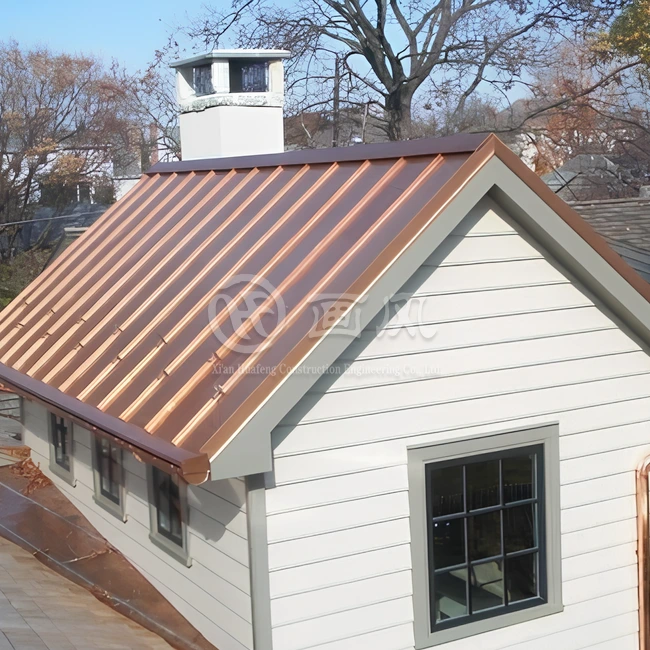
Flat Lock Panels Performance Benefits in Severe Weather
2026-02-14 11:00:00
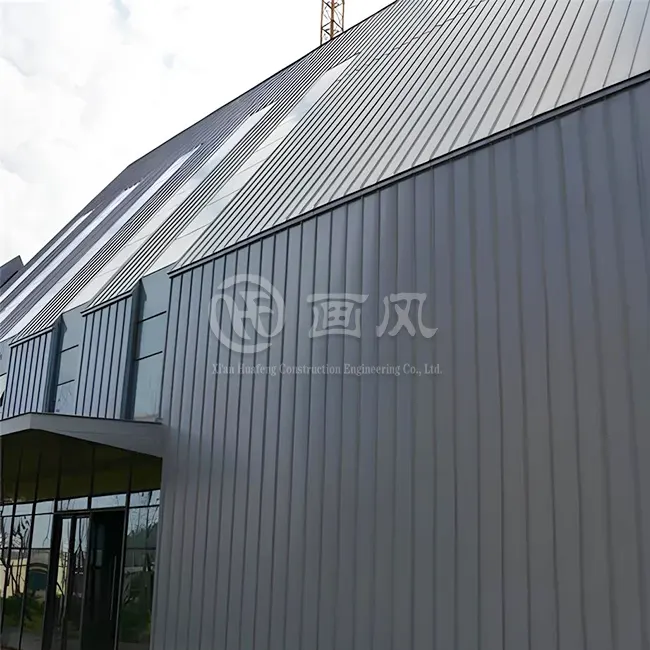
Flat Lock Panels represent a revolutionary advancement in building envelope technology, specifically engineered to withstand the most challenging weather conditions while maintaining structural integrity and aesthetic appeal. These sophisticated metal cladding systems combine innovative interlocking seam design with premium materials to deliver unparalleled protection against severe weather events, making them the preferred choice for commercial construction projects, transportation hubs, and large-scale infrastructure developments across the United States.Modern construction demands building solutions that can endure extreme weather patterns, from hurricane-force winds to torrential rainfall and temperature fluctuations. This comprehensive guide addresses the critical performance advantages of flat lock panel systems, providing purchasing managers, engineers, distributors, and procurement professionals with essential insights needed to make informed decisions. Understanding these benefits enables construction professionals to optimize both project durability and cost-efficiency while ensuring compliance with stringent quality standards required for government-funded projects and commercial developments.

Understanding Flat Lock Panels and Their Weather Performance
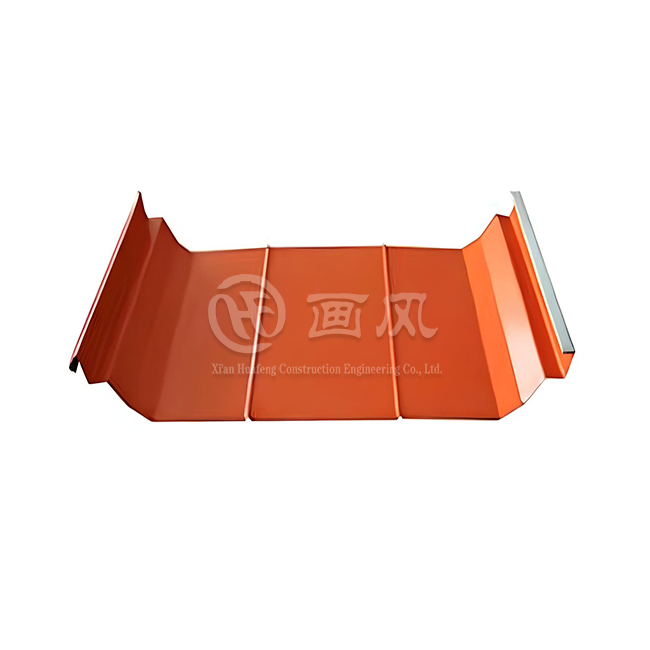
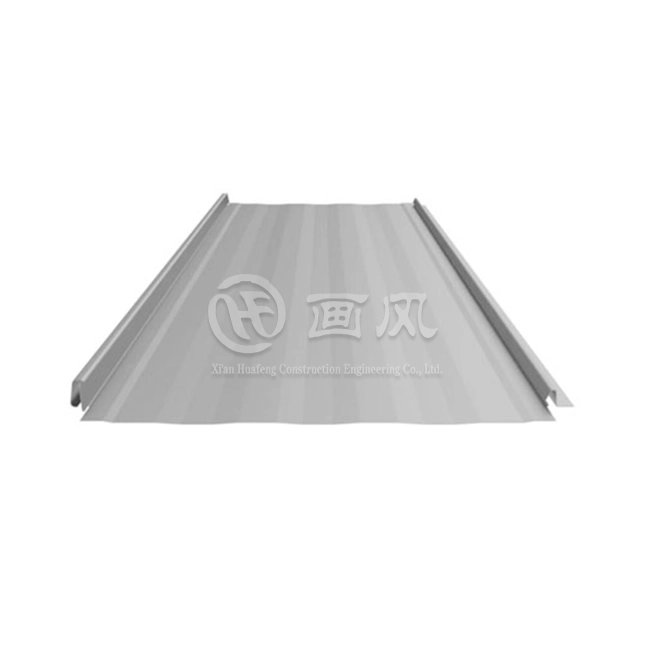
Flat lock panels represent an advanced metal cladding system defined by their precision-engineered interlocking seam design, which significantly enhances weather-tightness and structural integrity across various building applications. These high-performance panels are typically fabricated from premium metals, including titanium zinc, TECU copper, aluminum-magnesium-manganese alloys, and stainless steel, each selected for specific performance characteristics in demanding environmental conditions.
Advanced Engineering for Weather Resistance
The interlocking mechanism of these panels creates a continuous barrier against wind uplift and water infiltration, addressing two critical concerns in severe weather scenarios. Wind resistance is enhanced through the mechanical interlock, which distributes loads evenly across the panel surface, preventing localized stress concentrations that can lead to failure during high-wind events. Water management is another key aspect of flat lock panel design. The overlapping seam configuration forms multiple barriers against moisture intrusion, effectively channeling water away from vulnerable areas. This design is particularly important in regions experiencing heavy rainfall, snow loads, or ice formation, where traditional systems often struggle to perform reliably.
Material Composition and Durability Factors
Material selection for flat lock panels directly influences their performance in harsh environments. Titanium zinc offers exceptional corrosion resistance and self-healing properties through natural patina formation. TECU copper delivers long-term durability with proven performance over decades in challenging conditions. Aluminum-magnesium-manganese alloys provide an optimal strength-to-weight ratio while maintaining excellent formability for complex architectural applications. Stainless steel options ensure maximum strength and corrosion resistance for the most demanding environments, particularly in coastal areas where salt exposure accelerates material degradation. Available in thicknesses from 0.4mm to 0.8mm, these material options guarantee reliable performance across diverse structural requirements and environmental exposures.
Key Performance Benefits of Flat Lock Panels in Severe Weather
The predominant performance characteristics of flat lock panel systems become particularly evident during severe weather events, where traditional material solutions often encounter failures that result in costly repairs and project delays. These advanced cladding systems demonstrate measurable advantages in wind resistance, water management, and thermal performance, which directly translate to reduced maintenance costs and improved building longevity.
Superior Wind Resistance and Structural Integrity
Wind resistance testing conducted according to industry standards shows that properly installed flat lock panels can withstand wind speeds exceeding 150 mph without experiencing uplift or structural failure. This performance level far surpasses that of conventional materials and provides critical protection for buildings in hurricane-prone areas along the Gulf Coast and Atlantic seaboard. The mechanical interlocking system distributes wind loads across the entire panel assembly rather than concentrating stress at individual fastener points. This load distribution mechanism prevents the dynamic failure patterns commonly seen in traditional systems during extreme wind events. Case studies from recent hurricane seasons in Florida and the Carolinas show flat lock panel installations remaining intact while surrounding conventional materials suffered extensive damage.
Enhanced Waterproofing and Moisture Management
Water penetration is a major cause of building envelope failure, leading to significant damage, mold growth, and indoor air quality issues. Flat lock panels address this challenge with multiple integrated waterproofing components that perform effectively even under extreme precipitation conditions. The interlocking seam design creates overlapping barriers that divert water flow away from potential entry points. Even if water manages to penetrate the primary seal, secondary and tertiary barriers prevent moisture from reaching the building's interior. This multi-layer protection system is particularly crucial during heavy storm events when wind-driven rain can overcome single-barrier systems.
Thermal Performance and Energy Efficiency
Thermal bridging reduction represents a significant advantage of flat lock panel systems compared to traditional metal roofing installations. The continuous cover capabilities offered by these systems contribute to substantial energy savings, especially important for large-scale commercial and institutional buildings where energy costs represent a critical operational expense. The panels support advanced insulation configurations that minimize thermal bridging while maintaining structural integrity. This thermal performance is especially beneficial in areas experiencing extreme temperature fluctuations, where building envelope efficiency directly impacts operational costs and occupant comfort.
Installation and Maintenance Guide for Optimal Performance
Proper installation procedures prove critical for maximizing the weather-resistant properties of flat lock panel systems. Understanding these requirements enables procurement professionals to work effectively with qualified contractors and ensure project success from initial design through long-term performance.
Critical Installation Best Practices
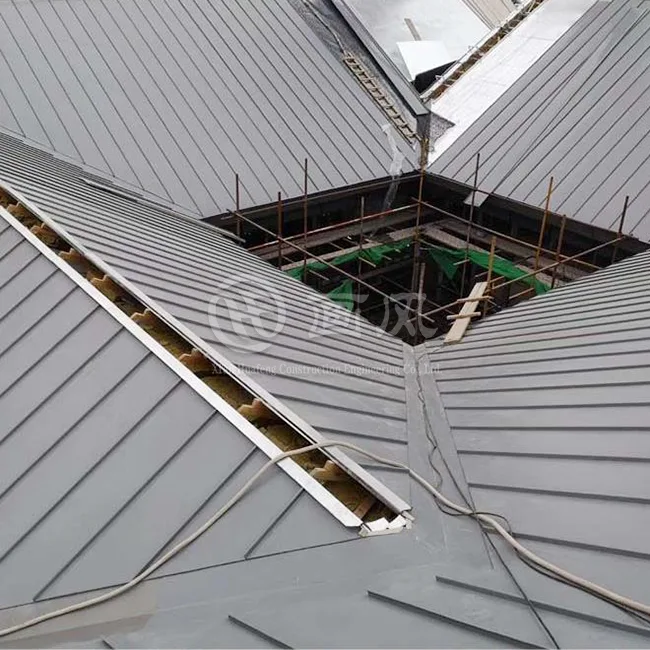
Seam integrity represents the foundation of flat lock panel performance, requiring precise attention to alignment, fastener placement, and sealing procedures. Installation teams must follow manufacturer specifications regarding panel overlap dimensions, fastener spacing, and sealant application to achieve optimal weather resistance.Substrate preparation plays an equally important role in system performance. The underlying structure must provide adequate support and proper drainage to prevent water accumulation behind the panel system. Vapor barrier installation and insulation placement require coordination with the panel installation sequence to avoid thermal bridging and moisture entrapment.Quality control during installation includes verification of seam engagement, fastener torque values, and sealant coverage. These checkpoints help prevent installation defects that could compromise weather resistance and lead to premature system failure.
Preventive Maintenance Strategies
Long-term performance of flat lock panel systems depends on implementing appropriate maintenance protocols that address the specific requirements of severe weather environments. Regular inspection schedules should include examination of seam integrity, fastener condition, and sealant performance.Inspection intervals typically range from annual reviews in moderate climates to semi-annual assessments in severe weather zones. These inspections focus on identifying early signs of wear or damage that could compromise weather resistance if left unaddressed. Prompt attention to minor issues prevents costly repairs and extends system lifespan significantly.Maintenance activities include cleaning debris from drainage areas, checking fastener tightness, and replacing damaged sealants. These routine tasks, when performed consistently, ensure continued weather resistance and protect the building owner's investment over the panel system's service life.
Flat Lock Panels Compared: Choosing the Best Solution
Selecting optimal cladding solutions requires comprehensive comparison of available options, considering performance characteristics, cost factors, and suitability for specific project requirements. Flat lock panels offer distinct advantages over alternative systems in severe weather applications, though understanding these benefits requires detailed analysis of comparative performance data.
Performance Comparison with Alternative Systems
Standing seam metal roofing systems provide excellent performance in many applications but may not offer the same level of aesthetic flexibility as flat lock panels. The concealed fastener design of flat lock systems eliminates potential failure points associated with exposed fasteners, particularly important in high-wind environments where fastener failure can initiate progressive system collapse.Corrugated metal panels offer cost advantages for certain applications but lack the thermal performance and aesthetic appeal of flat lock systems. The profile geometry of corrugated panels can create wind turbulence that increases uplift forces, while the flat profile of interlocking panels minimizes these effects.Traditional shingle systems demonstrate significant limitations in severe weather applications, particularly regarding wind resistance and water infiltration prevention. The individual component nature of shingle systems creates numerous potential failure points, while the continuous barrier provided by flat lock panels eliminates these vulnerabilities.
Cost-Benefit Analysis and Procurement Considerations
Initial investment costs for flat lock panel systems typically exceed those of conventional alternatives, but lifecycle cost analysis demonstrates significant advantages when considering maintenance, energy efficiency, and replacement factors. The extended service life of quality metal panel systems, often exceeding 30 years with proper maintenance, provides substantial value compared to systems requiring more frequent replacement.Procurement planning should account for lead times, delivery logistics, and installation requirements. Quality manufacturers typically provide delivery within 15-20 days for standard configurations, with custom options requiring additional lead time. Bulk order advantages and long-term supply agreements can provide cost benefits for large projects or developers with multiple projects.
Xi'an Huafeng Construction Engineering: Your Trusted Partner for Premium Solutions
Xi'an Huafeng Construction Engineering Co., Ltd. brings extensive expertise in manufacturing premium flat lock panel systems specifically designed to meet the challenges of severe weather in commercial and institutional construction markets. Our comprehensive product portfolio addresses the demanding requirements of professional contractors, general contractors, and real estate developers managing large-scale projects with strict quality and schedule requirements.
Advanced Manufacturing Capabilities and Quality Standards
Our manufacturing operations encompass a 200,000 square meter production facility in Anhui, complemented by processing plants in Hangzhou and Xi'an. This infrastructure includes seven color coating production lines, one laminating production line, and ten longitudinal and transverse shearing production lines, ensuring consistent quality and reliable delivery schedules for projects of any scale.The company maintains Grade 1 building curtain wall certification and Grade 3 steel structure qualifications, demonstrating our commitment to professional excellence and regulatory compliance. Recognition as a high-tech enterprise in Shaanxi Province reflects our ongoing investment in advanced manufacturing technologies and quality improvement initiatives.Our flat lock panels are available in multiple material options including titanium zinc, TECU copper, aluminum magnesium manganese alloy, and stainless steel. Panel configurations include rectangular, rhombus, trapezoid, and hexagonal shapes, with customizable dimensions ranging from 100-400mm width and thickness options from 0.4mm to 0.8mm. All panels come with comprehensive 30-year warranty coverage and are available in full RAL color ranges plus custom color matching.
Integrated Solutions and Technical Support
Beyond manufacturing excellence, Xi'an Huafeng provides comprehensive technical support throughout the project lifecycle, from initial design consultation through installation guidance and ongoing maintenance support. Our engineering team works closely with project stakeholders to optimize panel specifications for specific environmental conditions and performance requirements.Quality control procedures include rigorous testing protocols that verify performance characteristics under simulated severe weather conditions. These procedures ensure that every panel system meets or exceeds specified performance criteria before shipment to project sites. Our export experience spanning over 100 countries demonstrates our capability to meet international standards and support projects worldwide.
Conclusion
Flat Lock Panels systems represent the optimal solution for construction projects requiring superior performance in severe weather environments. These advanced cladding systems provide measurable advantages in wind resistance, water management, and thermal efficiency that directly translate to reduced lifecycle costs and enhanced building performance. The combination of premium materials, precision engineering, and proven installation practices ensures reliable protection against the most challenging weather conditions. Professional contractors and procurement managers benefit from partnering with qualified manufacturers who provide comprehensive technical support, quality assurance, and reliable delivery schedules. The investment in quality Flat Lock Panels systems pays dividends through reduced maintenance requirements, energy efficiency improvements, and extended service life that protects building owner investments over decades of operation.
FAQ - Addressing Common Questions for Procurement Professionals
What factors determine flat lock panel performance in severe weather conditions?
Panel performance depends primarily on material selection, installation quality, and system design integration. High-grade materials such as titanium zinc and stainless steel provide superior corrosion resistance and structural integrity. Proper installation ensures seam engagement and waterproofing effectiveness, while integrated design considers thermal movement and structural loading requirements.
How do flat lock panels compare to standing seam systems for hurricane-prone regions?
Flat lock panels offer advantages in wind resistance due to their mechanical interlocking design, which eliminates exposed fasteners that can fail during extreme wind events. The continuous barrier created by interlocking seams provides superior water resistance compared to standing seam systems that rely on sealants at panel joints.
What maintenance requirements should be expected for flat lock panel installations?
Routine maintenance includes annual inspections of seam integrity, fastener condition, and drainage systems. Cleaning debris from gutters and drainage areas prevents water accumulation that could compromise performance. Sealant replacement may be required every 10-15 years depending on environmental exposure and material selection.
Are there eco-friendly options suitable for LEED certification projects?
Yes, aluminum and steel flat lock panels contain significant recycled content and are fully recyclable at end of service life. The thermal performance benefits contribute to energy efficiency credits, while the extended service life reduces environmental impact compared to systems requiring more frequent replacement.
How does installation quality affect long-term weather resistance?
Installation quality directly determines system performance and longevity. Proper seam engagement, correct fastener placement, and adequate sealant application are critical for maintaining weather resistance. Professional installation teams trained in manufacturer specifications ensure optimal performance and warranty compliance.
Partner with Huafeng for Superior Flat Lock Panel Solutions
Xi'an Huafeng Construction Engineering stands ready to support your next project with premium flat lock panel systems engineered for exceptional severe weather performance. Our comprehensive manufacturing capabilities, quality certifications, and international experience make us the ideal supplier for demanding commercial and institutional projects. Contact our technical team at huafeng@hfmetalroof.com to discuss custom solutions, request product samples, or obtain detailed quotations tailored to your specific project requirements. Discover how our flat lock panels manufacturer expertise can enhance your project's durability, aesthetic appeal, and long-term value through proven performance in the most challenging environments.
References
1. "Metal Roofing Performance Standards in Extreme Weather Conditions," American Society of Civil Engineers, Journal of Structural Engineering, 2023.
2. "Comparative Analysis of Building Envelope Systems for Hurricane Resistance," International Building Code Research Foundation, 2022.
3. "Thermal Performance Evaluation of Advanced Metal Panel Systems," Building Science Corporation, Weather-Resistant Design Guidelines, 2023.
4. "Wind Resistance Testing Protocols for Commercial Roofing Systems," National Institute of Standards and Technology, Building Research Division, 2022.
5. "Lifecycle Cost Analysis of Metal Panel Cladding Systems in Severe Weather Zones," Construction Industry Research and Policy Center, 2023.
6. "Waterproofing Performance Standards for Commercial Building Envelopes," International Code Council, Building Safety Journal, 2022.





YOU MAY LIKE
(1)_1763110678300.webp "standing seam metal roof panels")