Best Angle Lock Standing Seam Roof Panels for Architectural Projects
2026-03-30 16:30:07
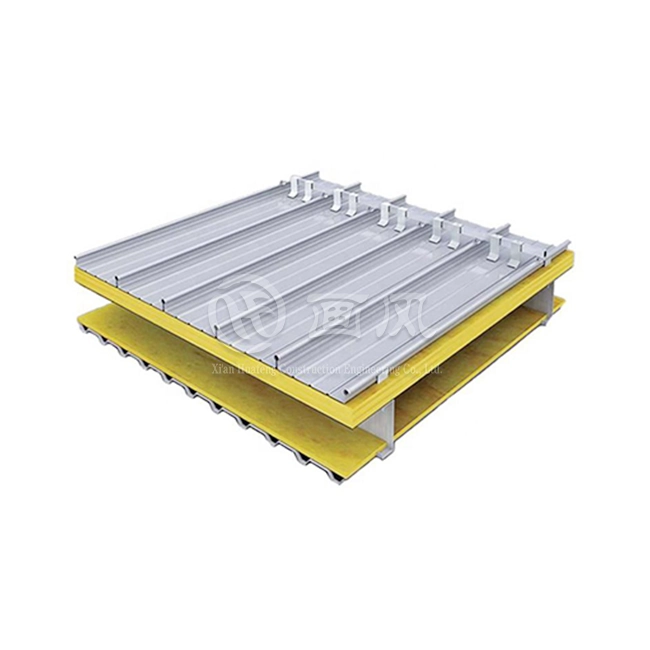
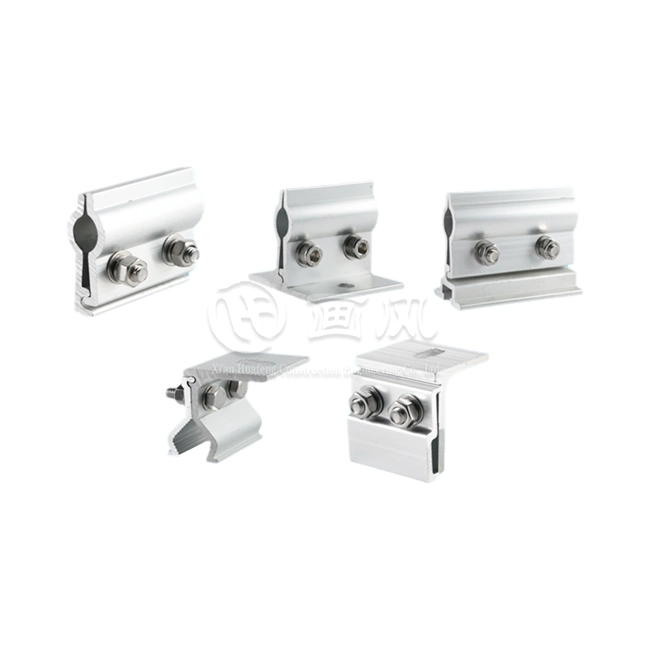
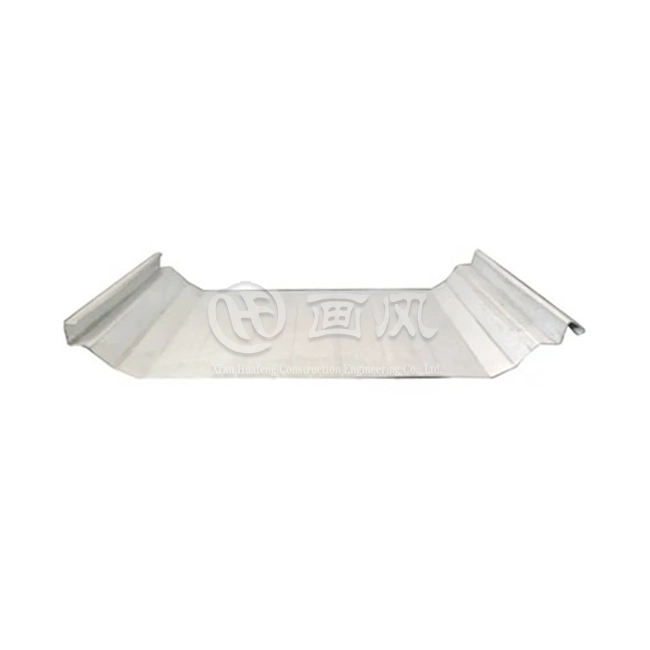
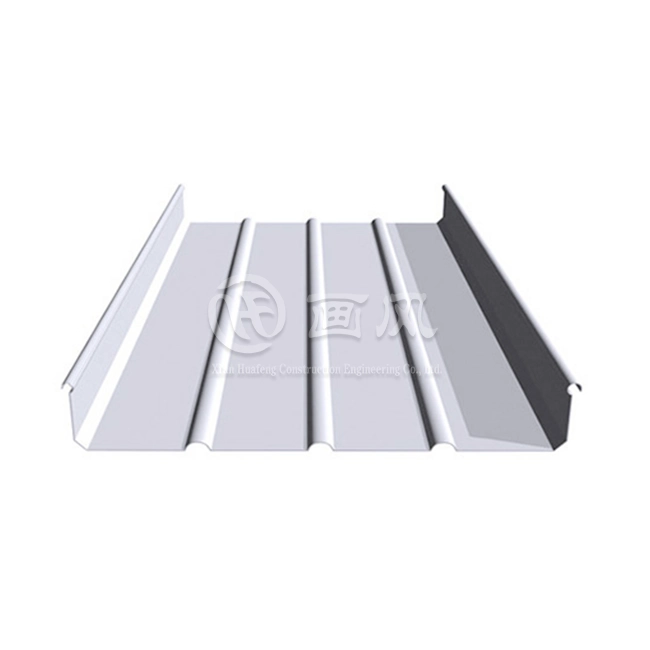
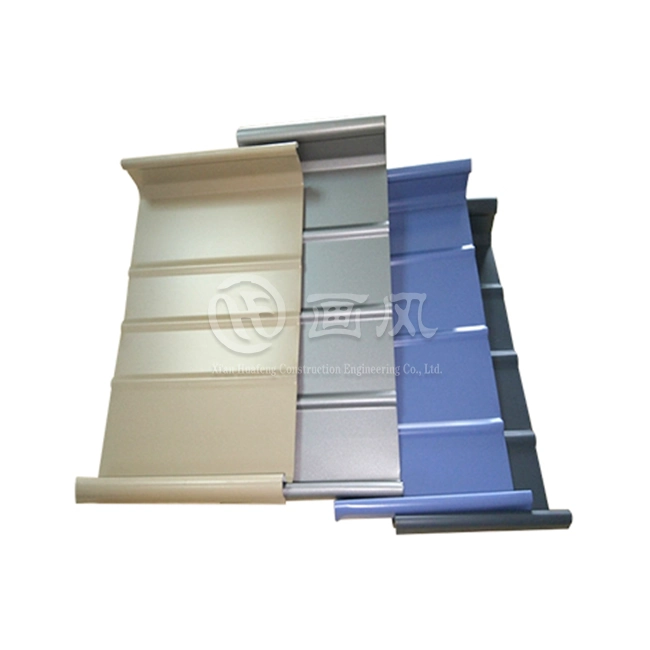
The Best Angle Lock Standing Seam Roof Panels for Architectural Projects are very important for construction success when creating buildings that need to look good and be strong. These new metal roofing panels are the best in modern roofing technology. They offer builders and contractors the best in durability, weatherproof protection, and style. Angle Lock Standing Seam Roof Panels have a unique 90-degree mechanical seaming system that stops thermal movement stress and makes the panels more resistant to wind uplift. These panels are different from other roofing systems because they use floating clips that let the panels expand and contract naturally with the temperature without affecting the structure. This makes them perfect for big commercial buildings, residential developments, and industrial complexes all over the world.
Introduction
There is more and more pressure on modern architectural projects to find long-lasting, low-cost answers without sacrificing the look of the design. Some smart construction workers have decided that metal roofing panels are the best option because they know that the roof is one of the most important parts of any building project. As standing seam technology has improved, it has changed how we deal with business and residential roofing problems. Today's construction industry needs roofing systems that can stand up to harsh weather and keep their look for decades. Roofing materials that use less energy are now needed for projects that want to get LEED approval or meet other green building standards. These needs are met by angle lock roofing systems, which use advanced engineering and tried-and-true manufacturing methods to make sure consistent performance in a wide range of climates. Choosing the right roof panel profiles can have a big effect on project timelines, maintenance costs, and the overall performance of the building. Smart contractors know that buying high-quality architectural metal panels up front lowers their clients' long-term costs and raises the worth of their properties.
Selection Criteria for Premium Roof Panel Systems
To pick the best standing seam metal roof, you need to carefully consider a lot of scientific and practical factors. The main thing to think about is the material composition. There are different kinds of materials, such as aluminium alloys and specialised steel substrates, that offer different levels of corrosion protection and structural strength. The ability to withstand harsh weather determines how well the product will work in difficult environments over time. Standardised testing procedures must show that panels are resistant to changes in temperature, UV damage, and water getting in. The mechanical seaming process makes connections that are watertight and better at stopping leaks than traditional fastening methods. The efficiency of installation has a direct effect on project costs and finishing dates. Modern roof panel installation techniques allow experienced crews to cover large areas quickly while maintaining quality standards. Integration with existing building envelopes is made easy by the availability of specialised accessories and compatible insulation systems. Aesthetic versatility lets architects achieve desired visual outputs across a wide range of project types. Coatings for roof panels come in a wide range of colours and are made from modern PVDF materials that don't fade or chalk over time, making them last longer.
HF's Premium Angle Lock Standing Seam Systems
Professional-Grade Steel Panel Solutions
Angle Lock Standing Seam Roof Panels made by HF are made with high-tensile AZ150 galvanised substrates that make them very durable for tough industrial uses. The 50ksi yield strength makes sure that the structure stays strong even when there is heavy snow and strong winds, which are common in industrial settings. The widths of these panels can be changed from 300mm to 600mm, which lets architects find the best visual proportions while keeping the structure's efficiency. The mechanical seaming process makes joints that are better than the ASTM E1646 water penetration standards. This means that they can be used in low-slope situations where water runs off slowly. Advanced coating systems come in PE, HDP, and PVDF types, each of which offers different levels of performance depending on the needs of the project. The PVDF coats are great because they keep colours better and are resistant to chemicals. This makes them perfect for coastal areas or places with a lot of pollution. Panel thicknesses range from 0.7mm to 1.2mm to meet different load needs while keeping material costs low. The rib heights of 50mm to 115mm improve the structural capabilities, allowing wider spans between support structures and lowering the overall framework costs. The flexibility of installation includes the ability to work with metal-over-metal retrofit applications, Angle Lock Standing Seam Roof Panels, which lets existing buildings get better without having to replace the roof completely. Industrial sites that need to save energy without having to stop running have found this feature to be very useful.
Lightweight Aluminum Alloy Systems
HF's aluminium panels are made from the 3004 and 5052 series metals, which are very resistant to corrosion in harsh chemical environments and marine environments. Aluminium is naturally light, which lowers structural loading while still having high strength-to-weight ratios that are good for spanning applications. Its natural resistance to oxidation also gets rid of worries about galvanic corrosion when it is properly detailed with compatible fasteners and accessories. Because of this, aluminium panels are great for projects near the coast, where salt spray would damage steel materials over time. It is important to think about aluminum's thermal expansion properties during the planning process. HF's floating clip systems allow for movement while maintaining weathertight seals through properly engineered expansion joints and panel terminations. HF's aluminium panel range has excellent colour stability, with factory-applied coatings that keep appearance standards high over long service lives. The fact that the material can be recycled supports green building practices and has less of an effect on the environment than traditional roofing materials. Precise manufacturing ensures that panels are all the same size, which makes installation go more smoothly. Quality control systems at HF make sure that coatings stick well and are the same thickness across production runs. This cuts down on problems that could happen during installation in the field, which could hurt the system's performance.
Stainless Steel Premium Options
For projects demanding ultimate corrosion resistance and longevity, HF offers stainless steel Angle Lock Standing Seam Roof Panels that provide unmatched durability in aggressive environments. Chemical processing facilities, food production plants, and coastal installations benefit from stainless steel's inherent resistance to oxidation and chemical attack. The initial investment in stainless steel panels generates substantial lifecycle cost advantages through reduced maintenance requirements and extended service life. These panels maintain structural integrity and appearance characteristics for 50+ years under normal exposure conditions. Specialized forming techniques accommodate stainless steel's work-hardening characteristics while maintaining precise dimensional tolerances required for proper seam engagement. HF's manufacturing expertise ensures consistent panel quality that meets stringent architectural specifications. Surface finishes range from mill finish to polished options that complement modern architectural aesthetics. The material's natural antimicrobial properties make it suitable for healthcare facilities and food service applications where hygiene represents a critical concern. Installation considerations include thermal expansion management and appropriate fastener selection to prevent galvanic corrosion. HF provides comprehensive technical support to ensure proper system design and installation practices that maximize panel performance.
Global Market Analysis and Regional Considerations
Climate Adaptation Strategies
Worldwide construction markets demand roofing solutions that adapt to diverse climate conditions, ranging from tropical environments to arctic installations. Thermal cycling in extreme climates tests roofing systems through repeated expansion and contraction cycles that can compromise inferior products over time.Hurricane-prone regions require panels that meet strict wind uplift standards, including UL 580 Class 90 certifications that demonstrate structural integrity under extreme conditions. The mechanical seaming process provides superior resistance compared to exposed fastener systems that create potential failure points. Snow load considerations influence panel selection in northern climates where accumulated precipitation creates sustained loading conditions. Higher rib profiles distribute loads effectively while preventing ice dam formation that could compromise building envelope integrity. Desert environments present unique challenges, including extreme temperature variations and UV exposure that accelerate material degradation. Advanced coating formulations resist thermal shock and maintain color stability under intense solar radiation.
Regulatory Compliance Frameworks
International building codes increasingly emphasize energy efficiency and sustainable construction practices that favor metal roofing systems over traditional alternatives. Energy-efficient roofing contributes to overall building performance ratings while reducing operational costs through improved thermal control. Fire resistance requirements vary significantly across global markets, with some regions mandating specific ratings for commercial and institutional buildings. Metal roof panels inherently Angle Lock Standing Seam Roof Panels provide excellent fire resistance characteristics that meet or exceed most regulatory requirements. Seismic considerations influence roofing system design in earthquake-prone regions where flexible connections must accommodate structural movement without compromising weather resistance. Properly designed clip systems allow controlled movement while maintaining panel integrity. Environmental regulations regarding material sourcing and manufacturing processes increasingly favor suppliers with documented sustainability practices. HF's ISO 14000:14001 certification demonstrates a commitment to environmental management throughout production processes.
Cultural and Aesthetic Preferences
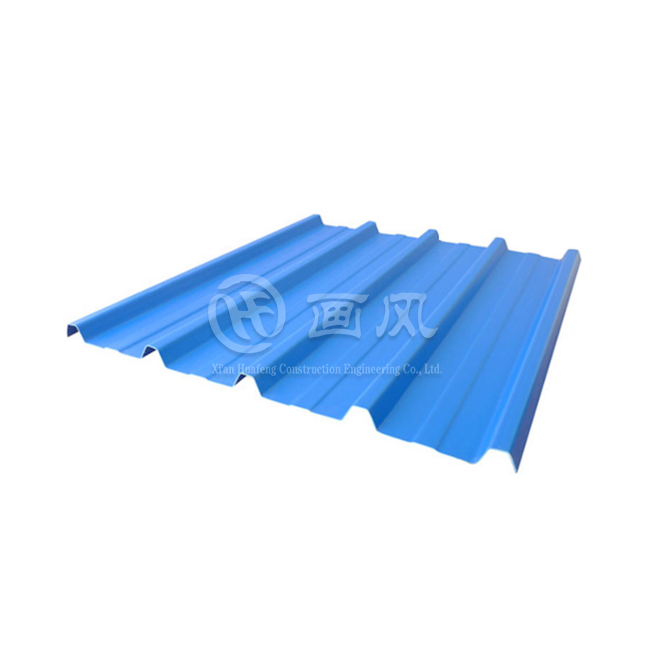
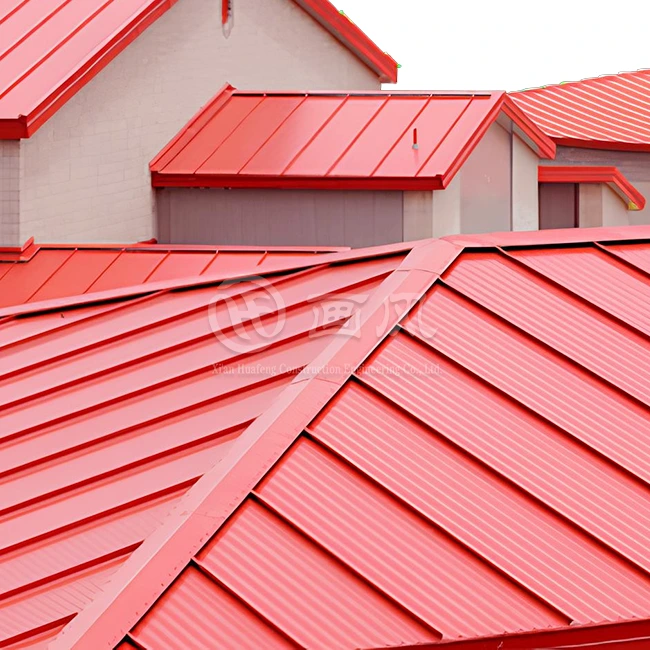
Regional architectural traditions influence color and profile preferences that vary significantly across global markets. Traditional color palettes in Mediterranean regions differ substantially from preferences in Northern European or Asian markets. Contemporary architectural trends favor clean lines and minimal visual interruption that standing seam systems provide compared to corrugated or exposed fastener alternatives. The vertical emphasis of seam lines complements modern design philosophies across diverse cultural contexts. Historic preservation projects often require custom color matching and specialized profiles that replicate traditional materials while providing modern performance characteristics. HF's customization capabilities accommodate unique project requirements through specialized manufacturing processes. Urban density considerations influence roofing selection, where visual impact from adjacent buildings affects aesthetic requirements. The sophisticated appearance of properly installed standing seam systems enhances property values in competitive real estate markets.
Technical Performance Standards and Quality Assurance
Material Testing and Certification Protocols
Comprehensive quality control begins with raw material verification that ensures substrate composition meets specified standards for strength, corrosion resistance, and formability. HF's incoming inspection processes verify material certificates and conduct independent testing to confirm compliance with project specifications. Coating performance testing includes adhesion verification through standardized procedures that simulate field installation stresses. Proper coating adhesion prevents delamination during the seaming process, which could compromise long-term appearance and protection. Dimensional accuracy verification ensures consistent panel profiles that facilitate proper seam engagement during installation. Variations in panel dimensions can create installation difficulties that increase labor costs and potentially compromise system weathertightness. Weather resistance testing simulates accelerated aging conditions that predict long-term performance under actual service conditions. These tests identify potential issues before field installation while validating warranty coverage periods.
Installation Quality Verification
Proper seam formation represents the most critical aspect of standing seam installation success. Trained installation crews understand the importance of consistent seam engagement that ensures structural integrity and weather resistance throughout the system. Clip attachment procedures must accommodate thermal movement while providing adequate resistance to wind uplift forces. Improper clip installation can create stress concentrations that lead to premature failure under normal service conditions. Sealant application within female seam legs provides additional protection against water infiltration under extreme conditions. Continuous sealant coverage prevents capillary action that could transport moisture through microscopic gaps in mechanical seams. Panel alignment verification ensures straight sight lines that enhance visual appeal while preventing stress concentrations at panel connections. Proper alignment also facilitates drainage and prevents water ponding that could compromise system performance.
Purchasing Recommendations and Implementation Strategies
Supplier Evaluation Criteria
Selecting qualified metal roofing suppliers requires evaluation of manufacturing capabilities, quality systems, and technical support resources. Established suppliers with documented track records provide greater assurance of consistent product quality and reliable delivery schedules. Manufacturing capacity considerations ensure suppliers can meet project timeline requirements without compromising quality standards. Rush production often leads to quality issues that create field installation problems and potential warranty claims. Technical support availability becomes crucial during design development and installation phases when questions arise regarding proper system configuration. Experienced suppliers provide valuable guidance on Angle Lock Standing Seam Roof Panels that prevent costly mistakes and ensure optimal system performance. Geographic proximity to project sites can influence transportation costs and delivery flexibility, particularly for large projects requiring multiple shipments. Local representation also facilitates communication and problem resolution during construction phases.
Project Planning Considerations
Early supplier involvement during design phases enables optimization of panel configurations and accessories that improve installation efficiency while reducing costs. Collaborative planning identifies potential issues before they impact construction schedules. Material scheduling coordination ensures panels arrive when needed without creating storage challenges on construction sites. Proper sequencing prevents damage during storage and reduces handling requirements that could affect panel quality. Installation crew qualification verification ensures workers possess the necessary skills and experience with standing seam systems. Trained installers work more efficiently while reducing the likelihood of installation errors that compromise system performance. Weather window planning accounts for installation requirements that may preclude work during adverse conditions. Proper scheduling ensures adequate time for quality installation without pressure from weather-related delays.
Industry Trends and Future Developments
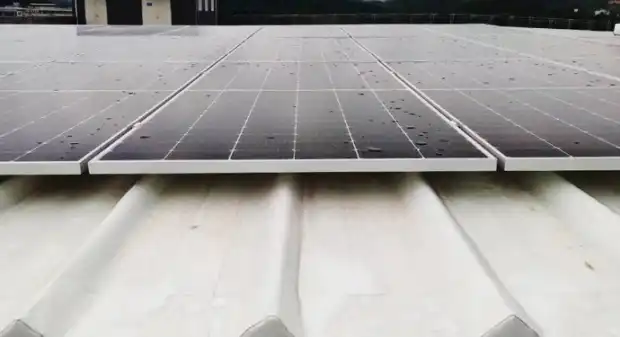
The metal roofing industry continues evolving toward enhanced sustainability and performance through advanced manufacturing techniques and material innovations. Solar integration capabilities represent growing opportunities where standing seam systems provide ideal platforms for photovoltaic installations without roof penetrations. Digital manufacturing technologies enable greater customization capabilities while maintaining cost competitiveness across diverse project scales. These developments position metal roofing as the preferred choice for forward-thinking architectural projects worldwide.
Conclusion
Selecting the best Angle Lock Standing Seam Roof Panels for architectural projects requires careful consideration of material properties, environmental conditions, and long-term performance requirements. HF's comprehensive product range addresses diverse project needs through advanced manufacturing capabilities and proven quality systems. The investment in premium standing seam technology delivers substantial lifecycle value through reduced maintenance costs, enhanced energy efficiency, and superior weather resistance. Smart construction professionals recognize that quality roofing systems form the foundation of successful building projects that satisfy clients while building lasting reputations for excellence
FAQ
1. What factors determine optimal panel width selection for architectural projects?
Panel width selection depends on aesthetic preferences, structural requirements, and thermal movement considerations. Wider panels cover areas more efficiently but may exhibit more oil canning in flat areas. Narrower panels provide better visual scale for residential applications while reducing thermal stress concentrations. Structural loading conditions influence width selection, where wider spans between supports require enhanced panel stiffness. The relationship between panel width and rib height determines structural efficiency for specific loading conditions.
2. How do coating systems affect long-term performance and maintenance requirements?
Advanced coating formulations significantly impact durability and appearance retention throughout service life. PVDF coatings provide superior color stability and chemical resistance compared to polyester alternatives, particularly in harsh environments with high UV exposure or chemical contamination. Coating thickness and application uniformity affect performance consistency across panel surfaces. Properly applied coatings resist chalking and fading while maintaining easy cleaning characteristics that reduce maintenance requirements.
3. What installation considerations apply to retrofit applications over existing roofing?
Metal-over-metal retrofits require careful evaluation of existing roof conditions and structural capacity for additional loading. Proper ventilation design prevents moisture accumulation between roof layers that could compromise building envelope performance. Insulation integration opportunities during retrofit installations can significantly improve building energy efficiency while addressing code compliance requirements for existing buildings undergoing major renovations.
Partner with HF for Superior Angle Lock Standing Seam Roof Panels Solutions
Xi'an Huafeng Construction Engineering stands ready as your trusted Angle Lock Standing Seam Roof Panels manufacturer, delivering comprehensive roofing solutions that exceed industry Angle Lock Standing Seam Roof Panels standards. Our extensive manufacturing capabilities include seven coating production lines and advanced forming equipment that ensure consistent quality across every project. With ISO 9001 certification and proven expertise serving global markets, HF provides the technical support and product reliability your architectural projects demand. Contact our team at huafeng@hfmetalroof.com to discuss your specific requirements and discover how our premium standing seam systems can enhance your construction success.
References
1. Building Design + Construction Magazine. "Metal Roofing Systems: Performance Standards and Installation Best Practices for Commercial Applications." Vol. 64, No. 8, 2023, pp. 45-52.
2. International Institute of Building Enclosure Consultants. "Standing Seam Metal Roofing: Technical Guidelines for Architectural Specification and Quality Control." Third Edition, Professional Publications, 2023.
3. American Society for Testing and Materials. "ASTM E1646-22: Standard Test Method for Water Penetration of Exterior Metal Roof Panel Systems by Uniform Static Air Pressure Difference." Annual Book of Standards, Vol. 04.12, 2023.
4. Metal Architecture Magazine. "Sustainable Metal Roofing Solutions: Environmental Impact and Lifecycle Performance Analysis." Vol. 39, No. 11, 2023, pp. 28-34.
5. Construction Specifications Institute. "MasterFormat Section 07 41 13: Standing Seam Metal Roof Panels - Updated Specification Guidelines." CSI Manual of Practice, 2023 Edition.
6. Journal of Architectural Engineering Technology. "Thermal Performance Optimization in Standing Seam Metal Roofing Systems for Energy-Efficient Building Design." Vol. 12, Issue 3, 2023, Article 285.





YOU MAY LIKE