Why Choose High Seam Metal Roofing for Modern Architecture
2026-09-12 23:09:17
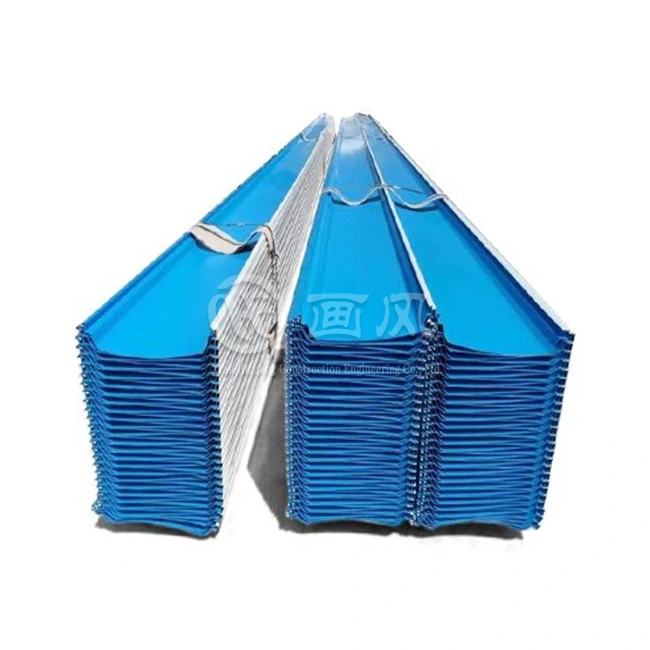
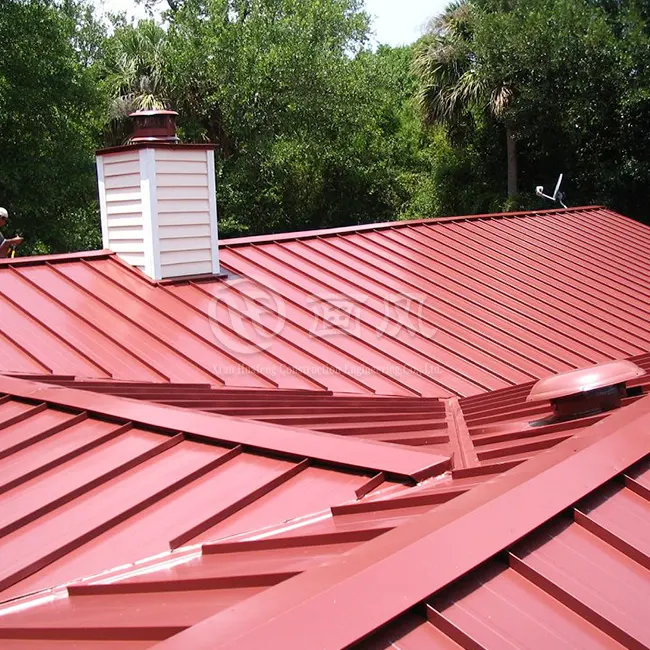
Modern architecture demands roofing solutions that blend performance with aesthetic sophistication. High seam metal roofing answers this call by delivering a structurally sound, visually compelling system that suits large-span public buildings like airports, stadiums, and convention centers. Characterized by raised interlocking seams—typically 65mm or higher—this system provides exceptional wind uplift resistance, superior waterproofing even on low-slope applications, and thermal accommodation for expansive roof areas. The mechanical double-lock seaming process creates a monolithic barrier that eliminates vulnerabilities present in traditional roofing, making it the preferred choice for architects and procurement professionals seeking reliability combined with design flexibility.

Understanding High Seam Metal Roofing: Features and Working Principles
What Defines High Seam Metal Roofing?
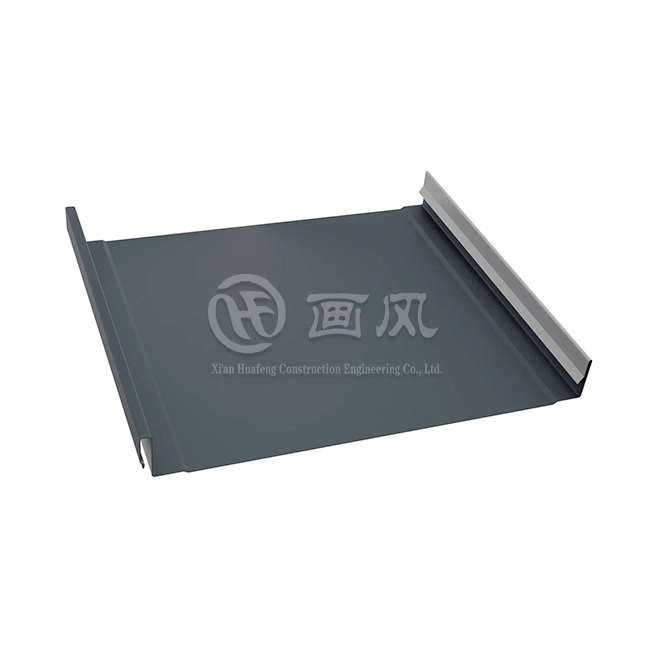
Modern building elegance is often associated with standing seam profiles. However, high seam metal roofing takes this idea to a higher level by adding locking devices and higher rib heights. Standard snap-lock designs are about 1 to 1.5 inches wide. High seam systems, on the other hand, have ribs that are 65mm to 100mm wide and are designed to work in tough business and industrial settings. This difference is important because higher gaps make the structure more rigid and allow for thicker insulation layers without affecting the roof's ability to keep water out (Whole Building Design Guide, 2021).
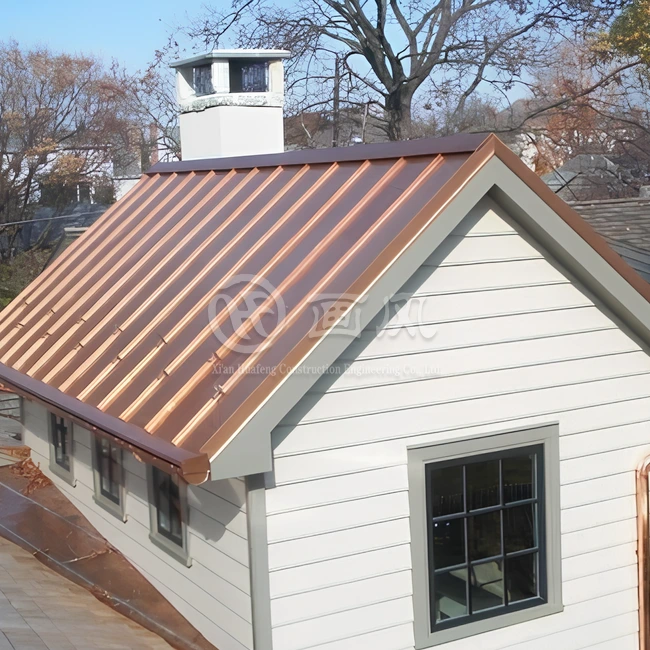
Aluminum-magnesium-manganese alloys (AA3003/AA3004), Galvalume steel (AZ50/AZ55), and high-quality stainless steel or copper for coastal sites are the core materials that can be used. The thickness of these substrates ranges from 0.5mm to 1.2mm, giving you the freedom to choose the right one for your project while still meeting the strength-to-weight ratios needed for large-span structures.
How the System Works
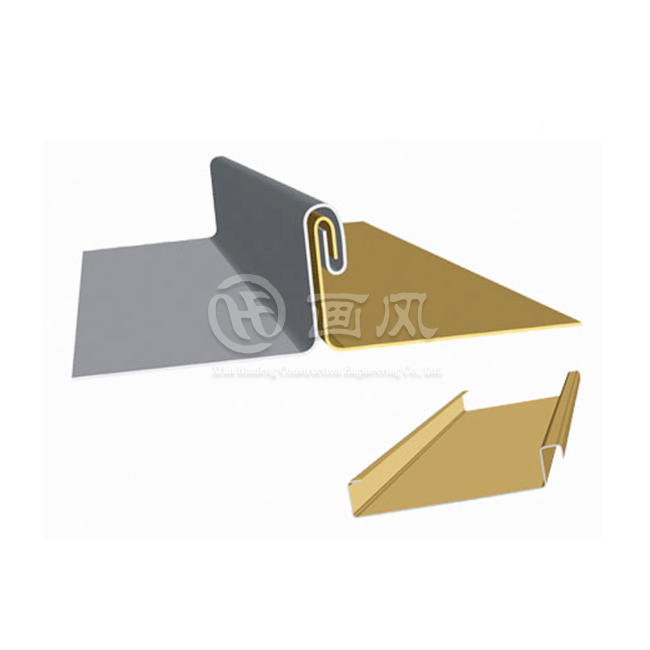
The hidden clip concept governs high seam metal roofing. Instead of screws going through the panels, sliding clips that are hidden in the seam connect them to the solid deck below. This design allows for thermal expansion and contraction, so panels can move around freely when temperatures change without putting stress on the points where they are attached or buckling. The mechanical seaming process, which is usually a 360-degree Pittsburgh double-lock, clamps the panel edges together with sealant that was applied by the factory. This makes a continuous waterproof barrier that can withstand hydrostatic pressure.
Surface treatments are very important for durability. PVDF coatings made with Kynar 500® or Hylar 5000® resins are the most resistant to UV breakdown in the business. Even after decades of exposure, Delta E color shift values stay below 5. In mild conditions, PE coatings are a cost-effective way to protect surfaces. Both choices come in RAL standard colors or can be customized to fit the needs of architects.
Technical Specifications at a Glance
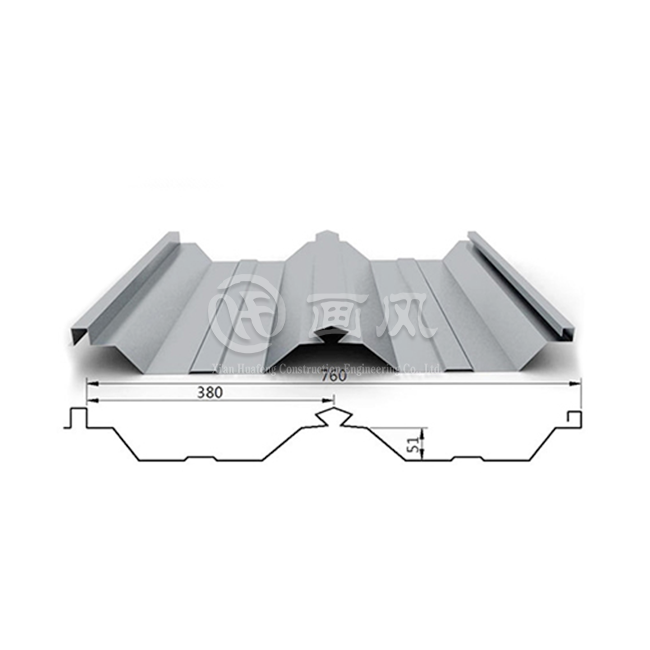
For professional buying teams to judge suitability, they need accurate data. Panel widths can be customized from 300mm to 600mm, seam heights are 65mm, and the product must meet international standards like ASTM, DIN, JIS, BS, and GB/T. Fire resistance scores usually reach Class A, which means the material can't catch fire. Wind uplift performance meets UL 580 Class 90 or ASTM E1592 structure test standards, which is important for places that get storms or other bad weather often.
Advantages of High Seam Metal Roofing for Modern Architecture
Structural Strength Meets Lightweight Design
Large public buildings have special engineering problems that need to be solved. To keep foundation and frame costs low, roof systems must be able to hold heavy loads while keeping the structure's weight as low as possible. In comparison to options like concrete, tile, or built-up roofing, high seam metal roofing has an amazing load-bearing capacity that can withstand heavy snowfall and machine installations. This feature lets builders make complex designs with smooth curves, eye-catching cantilevers, and see-through facades without putting too much stress on the structure (Metal Construction Association, 2022).
In addition to making the panel stiffer, the higher seam shape also gets rid of oil canning, which is a noticeable wave that can be ugly. Rib geometry evenly distributes weight across the roof plane, keeping the roof's appearance consistent even on surfaces that are more than 100 meters long.
Lifecycle Cost Efficiency
Procurement managers who are careful with their budgets know that the initial costs are only one part of the total costs of ownership. High seam metal roofing has the best lifetime value in a number of ways. The usual guarantee lasts 30 years, and premium materials can last 50 years or more. This is a lot longer than options like modified bitumen (15–20 years) or single-ply membranes (20–30 years). Maintenance needs are still very low—regular checks and cleaning up afterward are enough—so there is no need for the frequent fixes and replacements that come with older systems.
Energy efficiency is another way to save money with high seam metal roofing. In warm places, reflective surfaces lower the amount of heat that comes in from the sun. When combined with the right insulation layers, the method helps meet LEED and BREEAM certification requirements. This could lead to green building benefits and make the property easier to sell. According to research, darker, more absorbent surfaces can use 10–25% more cooling energy than lighter, more reflective ones (Oak Ridge National Laboratory, 2020).
Environmental Responsibility
Sustainability issues are becoming more and more important in public sector projects when it comes to buying choices. Several characteristics of high seam metal roofing make it compatible with environmental goals. The material itself can be recycled a lot. For example, aluminum keeps its value through unlimited recycling cycles without losing any quality, and over 85% of steel in the world is recycled every year. When a panel's useful life is over, it can be taken apart, reused, or recycled instead of going to a landfill.
The ways that things are made have also gotten better. Modern color coating lines use low-VOC formulas and solvent recycling methods to make output less harmful to the environment. When compared to heavier roofing materials, metal panels are easier to transport and produce fewer emissions. This is especially important for projects that involve supplies coming from different countries.
High Seam Metal Roofing vs Other Roofing Solutions: Making the Right Choice
Performance Comparison Framework
To choose the best roofing systems, you need to carefully look at a lot of different factors. When compared to asphalt shingles, clay tiles, corrugated metal, and standard standing seam profiles, high seam metal roofing performs better in a number of areas.
Resistance to wind: The mechanical double-lock seaming offers great resistance to uplift, as tested under very low pressures. This works better than single-ply membranes that are mechanically attached or systems that are stuck together and depend on bonding strength. This is especially helpful for airports near the coast and stadiums that are in open areas.
Slope Adaptability: Because the seams are higher and there is a constant locking device, high seam systems work well on slopes as low as 1.5%, which is about 1 degree. Standing seam shapes usually need slopes of at least 3 to 5 degrees, but asphalt shingles need slopes of at least 4:12 or higher, which limits the design options.
Thermal Movement Accommodation: Larger roof areas go through a lot of thermal cycling. The sliding clip system that comes with high seam installations lets panels move freely, which keeps the membrane from splitting and fasteners from wearing out like they do in rigid attachment systems.
Cost-Benefit Analysis for Large-Scale Projects
The cost of materials per square meter may be higher than cheaper options, but the total cost changes when you consider how well the materials are installed, how often they need to be maintained, and how long they need to be replaced. High seam metal roofing panels can be cut to exact lengths on-site, so there are no weak spots at the ends. This cuts down on installation time compared to modular systems, which need a lot of closing. This means lower labor costs and shorter project plans, which are both important factors for projects with tight dates or needs for phased occupancy.
The framework of the guarantee should also be looked at. Full manufacturer warranties that cover flaws in the material, the integrity of the coating, and weathertightness lower risk in a way that informal guaranties on common goods can't match. This promise holds a lot of weight when it comes to public sector buying that has to follow rules of responsibility.
Procurement Guide: How to Source High Seam Metal Roofing Panels
Supplier Evaluation Criteria
Finding suitable makers needs a lot of research. Making sure that potential suppliers follow the rules for ISO9001 quality management systems and ISO14001 environmental management systems is the first step. Reports on wind uplift (ASTM E1592), water entry (ASTM E1646), and coating performance data (ASTM D4214 chalk resistance, ASTM D523 gloss retention) should be kept with the product after tests.
When project deadlines are tight, production ability is important. Manufacturers with multiple facilities and backup production lines can handle urgent orders and keep the supply chain running smoothly. Our three factories have seven production lines with more than 40 specialized tools. Each month, they can make more than 1,000 tons of goods while keeping the quality the same from batch to batch. Delivery times are usually between 15 and 20 days after an order is confirmed. This gives project managers enough time to make sure that buying and building plans work well together.
Customization and Technical Support
Standard requirements are rarely met by modern architecture, especially for high seam metal roofing. Each project has different needs for panel width, seam height, perforation patterns, and curves. Suppliers who are good at what they do offer engineering help to make custom profiles that meet structural calculations while still looking good. As the shop drawings are being made, the design team should look over the specific fabrication plans to make sure they are in line with the architectural and engineering papers.
During the procurement process, it is important to be clear about the technical details, such as the different panel thicknesses (0.5 to 1.2 mm), coating systems (PVDF or PE), color options from RAL standards or custom matching, and edge details for perimeter and penetration conditions. To avoid loss or having too much inventory, the minimum order quantity, which is usually 500 square meters or 1 ton, should match the size of the job.
Installation Partner Selection
When installed wrong, even the best materials don't work as well as they should. Procurement teams should make sure that installation workers have specific experience with mechanically seamed systems, such as knowing how to use seaming tools correctly, figure out clip spacing, and apply sealer correctly. Manufacturer-certified contractor programs give owners peace of mind that the work will be up to par with the guarantee, protecting their investment from problems caused by the installation.
Installation and Maintenance Best Practices for High Seam Metal Roofing
Installation Workflow and Quality Control
Preparing the substrate is the first step in professional installation. The structural deck has to be flat enough to meet certain standards and have a safe way for clips to connect to it. The placement of thermal insulation layers and vapor barriers is based on the needs of the climate zone, with extra care given to continuous air barriers that stop humidity problems.
Installing a panel is done step by step, starting from one edge and placing clips at set distances (usually 300 to 450 mm on center) to meet tested wind uplift ratings. For mechanical seaming to work, you need specially designed tools that can regularly form the double-lock shape without over-crimping (which can warp the panels) or under-seaming (which makes the waterproofing less effective). As part of quality control checks, sample seams should be cut across to make sure that the lock engages in all directions and the sealer stays in place.
For equipment, windows, or vents, penetrations need to be carefully detailed. Prefabricated curb assemblies with built-in flashing systems keep the roof's waterproofing better than solutions that are built on-site. Special clamps let solar panel installations attach directly to seam ribs without going through the roof. This keeps the warranty valid and allows for the integration of renewable energy.
Maintenance Protocols for Longevity
Regular care keeps things looking good and extends their useful life. Every six months, inspections should be done to record the condition of the sealant at the ends, the alignment of the panels, and the tightness of the fasteners around the edges. To keep water from pooling and biological stains from appearing, debris that builds up in valleys or behind barrier walls needs to be removed. Coastal installations should be rinsed with fresh water every so often to get rid of salt deposits that can speed up corrosion on edges that have been cut or coatings that are damaged.
When fixes are needed, making sure that the panel shapes and coatings match keeps the look consistent. Manufacturers who keep color lot records can provide replacement panels that have the least amount of effect on the building's appearance. This is an important thing to think about for public buildings that get a lot of attention because their look is a part of local pride and design history.
Conclusion
High seam metal roofing is the perfect combination of engineering precision and architectural ambition, and it's perfect for the needs of today's large-scale public architecture. The system is perfect for airports, stadiums, and meeting centers where performance problems can have big effects because it can adapt to changing temperatures, withstand extreme weather, and keep its good looks for decades. Procurement pros are more confident when there is testing data that can be checked, a full warranty, and a track record that can be seen in a variety of temperature zones around the world. As environmentally friendly building methods become more popular, metal roofing systems that can be recycled and use less energy are in line with environmental rules and also save money because they have lower lifecycle costs.
FAQ
1. What slope requirements apply to high seam installations?
The raised seam height (65mm+) and mechanical double-lock design make it possible to place on slopes as low as 1.5%, which is about 1 degree. This is much lower than the 3-5 degree minimum needed for standard standing seam profiles. This feature makes it easier to create modern roofs that look flat.
2. How does the system handle thermal expansion on long panels?
Panels can freely expand and contract when the temperature changes thanks to hidden moving clips that don't put stress on the fixings or cause them to buckle. This design allows for continuous panel lengths of more than 100 meters, so there are no weak end-laps on large roof areas.
3. Can solar panels be mounted on high seam roofs?
Specialized clamps attach directly to the raised seams without going through the roof surface. This lets photovoltaic arrays be mounted securely while still protecting the warranty on waterproofing. That's why high seam systems are great for building plans that are ready for solar panels.
Partner with HF for Your High Seam Metal Roofing Needs
HF can meet the strict needs of big public projects, making it a reliable choice for architects, general contractors, and procurement managers looking for a high seam metal roofing provider. Our manufacturing infrastructure includes three carefully placed sites with more than 40 specialized production machines and seven color coating lines. This makes sure that the standard of all of our projects, even those that are on different countries. We always follow the rules set by ASTM, DIN, JIS, BS, and GB/T. This makes sure that the paperwork is correct for bidding processes.
Our engineering team works with design professionals to come up with custom panel profiles, curvature requirements, and color choices that meet structural needs and fulfilll architectural visions. With a monthly production capacity of more than 1000 tons and delivery times of 15 to 20 days, we can meet tight construction schedules without lowering the quality of our work. Our 30-year warranty shows that we trust the performance of the material and the durability of the coating.
Email HF at huafeng@hfmetalroof.com right now to talk about the needs of your project. We know a lot about high seam metal roofing systems, and we can help you complete your next big job.
References
1. Metal Construction Association. (2022). Architectural Metal Panels Guide.
2. Oak Ridge National Laboratory. (2020). Cool Roofing Materials Database. U.S. Department of Energy.
3. Whole Building Design Guide. (2021). Metal Roofing Systems. National Institute of Building Sciences.
4. ASTM International. (2023). ASTM E1592: Standard Test Method for Structural Performance of Sheet Metal Roof and Siding Systems.
5. Green Building Certification Institute. (2022). LEED v4.1 Building Design and Construction Guide. U.S. Green Building Council.
6. Construction Specifications Institute. (2021). MasterFormat Division 07: Thermal and Moisture Protection.





YOU MAY LIKE