Why Are More Builders Turning to Aluminum Metal Siding Panel?
2026-07-08 11:00:00
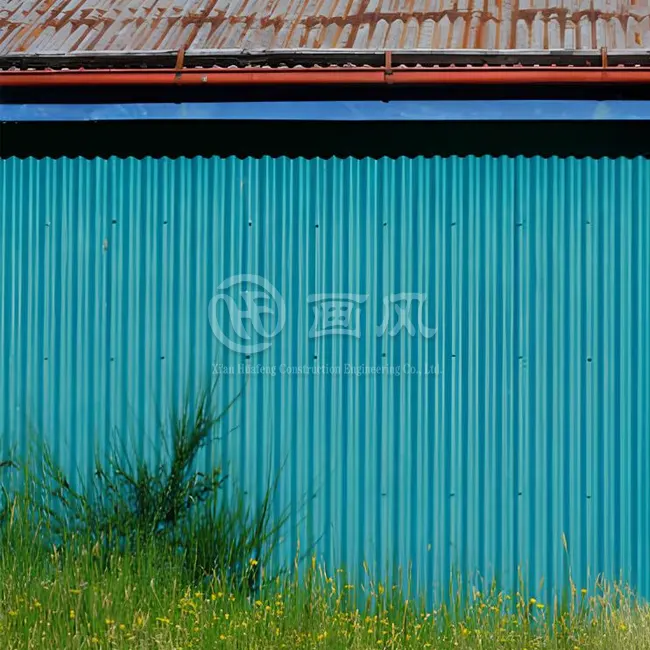
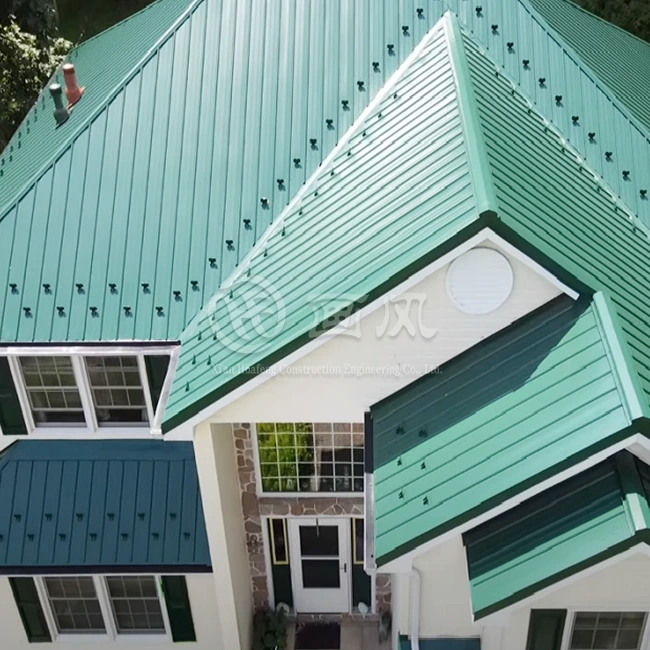
More and more, builders across the US are choosing aluminum metal siding panels for both home and business projects, and it's not just because they look good. This change shows a big change in how building workers look at materials for exterior cladding. Traditional materials are hard to beat when it comes to long-term cost-effectiveness, rust resistance, and ease of placement when using aluminum metal siding panels. Aluminum has become the practical choice for builders and developers who want to prioritize performance without sacrificing style. This is because of tight project timelines, strict sustainability requirements, and the need for long-lasting solutions in tough climates.

Understanding Aluminum Metal Siding Panels and Their Advantages
For a modern building, you need elements that will last decades, not just years. Aluminum siding is a type of outdoor covering that is made to last and be flexible. In contrast to wood, which breaks down when it gets wet, or plastic, which cracks when it gets very cold, metal stays strong in all kinds of weather, from subzero winters to scorching summers.
Superior Weather Resistance Without Maintenance Burdens
Aluminum naturally forms an oxide layer that protects the base from damage from the surroundings. This is what makes the material resistant to cracking, bending, and rotting, which are problems with organic materials. This benefit is liked by procurement managers because it directly leads to lower upkeep costs over the span of the building. Aluminum siding on a business building usually only needs to be washed every so often to keep its good looks. Wood siding, on the other hand, needs to be painted, sealed, and board replacements done on a regular basis.
Design Flexibility Meets Structural Performance
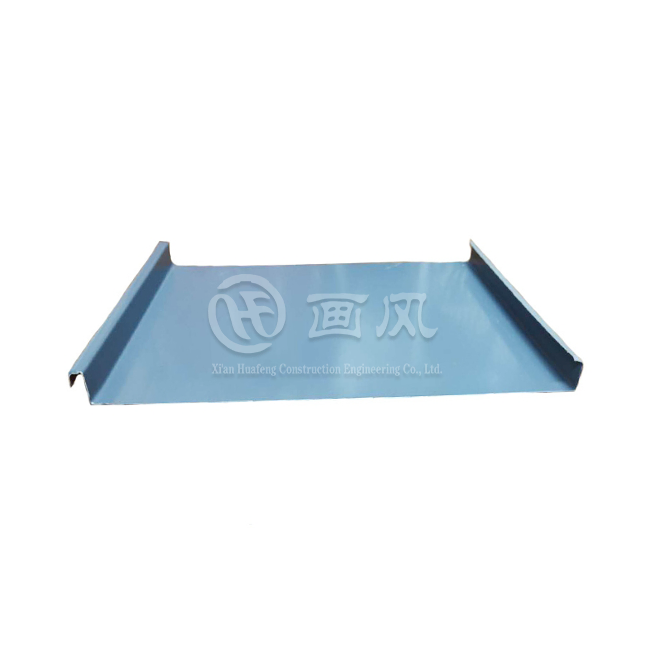
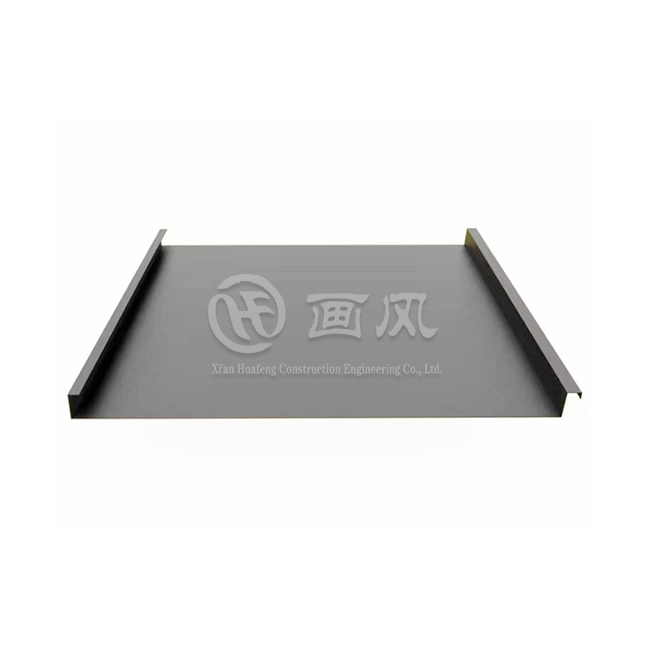
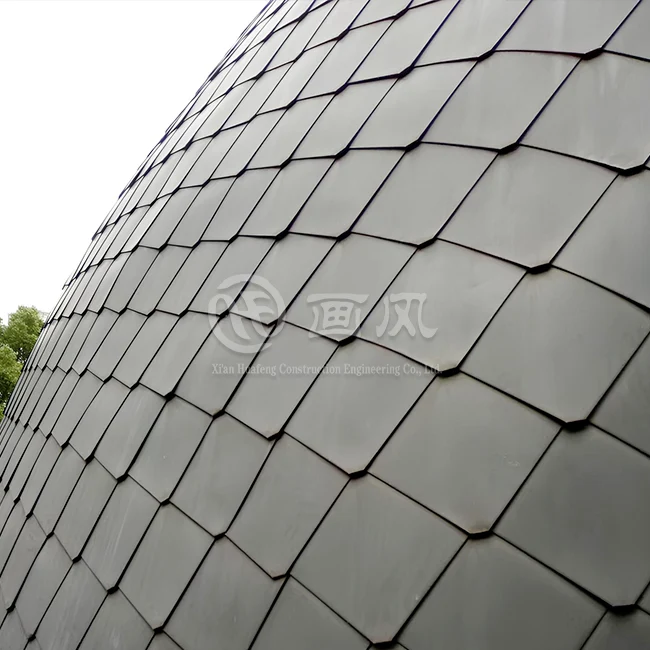
Because the material is flexible, it can be made into complicated profiles and custom forms without losing its power. When architects are working on projects with curved surfaces or lots of small details, they find that metal can be used instead of rigid materials. These panels can be made in thicknesses ranging from 0.7mm to 1.2mm and have rib heights of 65mm. They can handle wind load needs while still looking nice. Coatings like PE, HDP, and PVDF protect against UV rays and keep colors stable. According to AAMA 2605 guidelines, PVDF systems can keep colors for more than 20 years.
Sustainability Credentials That Align With Green Building Goals
One of the few building products that can still be recycled and get its full value is aluminum. Recycling aluminum uses about 95% less energy than making it from scratch. This makes it an environmentally friendly choice for projects that want to get LEED approval or other green building awards. This ability to be recycled is becoming more important to developers and big buyers who need to show stakeholders that they care about the environment. Making the material has also gotten better, with many companies using ISO 14001-certified environmental management systems to cut down on waste and pollution while they're making it.
Aluminum is a material that can be used for both short-term projects and long-term business sustainable goals because it is long-lasting, looks good, and doesn't harm the environment. Because of these qualities, buying professionals are rethinking their usual material choices in favor of metal ones.
Performance Comparison: Aluminum vs. Other Siding Materials
When choosing materials, you have to look at how well aluminum metal siding panels work in a number of different areas, from the time they are installed to the years they are used. Knowing how aluminum stacks up against other options helps buying teams make choices based on facts.
Aluminum Versus Vinyl Siding
Vinyl is cheap at first, but its performance problems become clear over time. Vinyl expands and contracts a lot when the temperature changes, which can cause panels to buckle and gaps to form that make weatherproofing less effective. Vinyl also fades quickly in UV light, especially darker colors, so it needs to be replaced to keep its good looks. When finished with PVDF coats, aluminum plates keep their shape across a wide range of temperatures. They also don't lose their color even in direct sunlight. Aluminum alloy 3003-H14 has a tensile strength of 145 to 195 MPa, which means it can withstand impacts better than vinyl.
Aluminum Versus Steel Siding
Despite its strength, steel rusts. Even galvanized steel rusts if protective coatings are scraped or worn during installation and servicing. This weakness is a major issue near the seaside, where salt spray accelerates corrosion. Aluminium naturally doesn't rust, therefore this is OK. Marine-grade metals like 5052-H32 perform reliably up to five kilometers from the beach without costly repairs after a few years.
Weight also affects project assembly. Steel siding weighs three times more than aluminum panels of the same size and form. They need better backing and more installation work. It will cost more to transport and take longer to install due to its weight, affecting the project budget.
Aluminum Versus Fiber Cement
Fiber cement is recognized for its durability and fire resistance. Similar to metal, it possesses Class A fire ratings. Fiber cement is fragile and difficult to deal with. Panels shatter easily when cut and assembled, wasting resources and requiring trained personnel. Fabricators can construct unusual shapes, tight corners, and curves without breaking aluminum since it is simple to form. This simplifies fitting and minimizes waste.
The maintenance requirements vary greatly. Fiber cement has to be coated every 10–15 years to maintain its appearance and prevent water from entering the foundation. Aluminum plates with factory-applied PVDF coatings eliminate this recurring expenditure and last 30 years with minimum maintenance. Despite its same beginning price, aluminum frequently offers a greater return on investment because to its lower total cost of ownership, which includes installation, care, and replacement.
Businesses with extensive property portfolios must ensure effective maintenance and longevity, therefore these performance variations are crucial. For most performance aspects, aluminum is the ideal material for professional producers.
Installation and Maintenance of Aluminum Metal Siding Panels
A big reason why more and more building workers are using aluminum metal siding panels is that it is easy to install and doesn't need much upkeep. Knowing the right way to do things makes sure that projects get the most out of the materials.
Installation Advantages That Accelerate Project Timelines
Since aluminum is light, it affects installation basics. Regular panels weigh 60–70% less than steel pieces of the same size and may be handled by fewer crews using regular equipment. Labor expenses and safety concerns associated with transporting big objects are reduced. Prefabricated panels might exceed 12 meters. Fewer joints to create on-site reduces building time and increases weather protection.
The simplicity of dealing with metal aids building. Contractors may cut, drill, and attach panels using standard equipment. Due of its accessibility, projects in remote areas or with tight schedules may proceed without experienced contractors or equipment. You must consider temperature variations while installing anything. To avoid buckling or gaps, measure bolt spacing and panel overlap based on expected temperatures.
Maintenance Protocols That Preserve Investment Value
A major benefit of metal roofing is its low maintenance. Instead of being sealed, painted, or replaced, metal panels merely need to be cleaned to appear beautiful and operate properly. Water and light soap remove dirt and impurities once a year, preventing dull finishes.
Regular tests should concentrate on sealant surrounding penetrations and terminations and fastener stability. Broken panels may be replaced independently without impacting neighboring elements since the panels are modular. This cuts repair and downtime costs. A 30-year warranty implies that premium brands are confident in their long-term performance. Procurement teams may be certain that material prices won't surprise them.
Builders appreciate easy-to-maintain structures because owners can manage their operating expenses, which boosts property value and makes it simpler to sell. This predictability is crucial for corporate ventures that use operating cost projections to get finance.
Procurement Insights: Sourcing Quality Aluminum Metal Siding Panels
To choose the right provider, you need to look at more than just the supply of products. To make sure that projects go well, procurement workers have to look at the qualifications of suppliers, the specs of their products, and their service capabilities.
Certifications and Quality Assurance Standards
Responsible metal siding manufacturers maintain certifications that demonstrate their commitment to quality and the environment. ISO 9001 certification implies quality management systems monitor the manufacturing process and ensure compliance. ISO 14001 accreditation indicates environmental management strategies are utilized to minimize production's environmental impact. SGS testing evidence is an unbiased approach to verify product performance.
These certificates demonstrate a company's ability to provide high-quality large orders and numerous shipments. When a project demands hundreds or thousands of square meters of material, specification homogeneity impacts installation speed and appearance. Differences in coating thickness, color matching, or physical precision make it difficult to assemble and appear attractive, lowering work quality.
Supply Capacity and Delivery Reliability
Big construction projects need suppliers with high manufacturing capacity and efficient transportation. Large providers may enable substantial corporate expansion without project delays by producing 1,000 tons per month. Delivery timeframes of 15 to 20 days following order confirmation allow builders to coordinate material deliveries. Items are less likely to be stolen or destroyed and need less on-site storage.
Also consider minimum order amounts. A 500-square-meter MOQ balances supplier speed and project flexibility. It works for large corporate buildings and modest renovations. Builders may reuse these items for different-sized undertakings since they're simple to procure.
Customization Capabilities That Support Design Intent
Generic products seldom fulfill architectural project demands. When suppliers provide color, pattern, and design customization, producers may obtain the appearance they desire while still receiving the performance advantages, particularly with aluminum metal siding panels. Custom color matching lets new or renovated structures complement existing buildings or corporate identity. Patterns with smooth to textured textures provide designers additional options without sacrificing durability.
For particular building forms, choosing widths between 300 and 800 mm and lengths above 12 meters makes construction more efficient. Fewer parts imply quicker installation and higher weather resistance, which affects project cost and performance. By helping customers pick the proper thickness, rib height, and fastening patterns based on wind load estimations, providers ensure the structure is sturdy and fulfills building requirements.
Teams should ask for samples of the coating's quality and color accuracy, examine the manufacturing facility's credentials, and check references from previous projects before purchasing. This investigation ensures the supplier doesn't have issues that might delay or degrade quality.
Future Outlook: Why Aluminum Siding Panels Are the Smart Choice for Modern Construction
Industry trends show that the use of metal roofing will continue to grow. This is because of pressure from regulators, improvements in technology, and more knowledgeable buyers who are aware of the total cost of ownership.
Regulatory Drivers Favoring Aluminum Solutions
Metal excels in fire safety and energy efficiency, which are increasingly prioritized in building regulations. Metal with Class A fire ratings may be utilized in high-risk fire zones where combustible materials are prohibited or would cause insurance issues. Light-reflecting coatings on aluminum panels reduce solar heat absorption. It helps them satisfy energy codes. Because of these features, metal is an excellent option as climate change and urban fire regulations tighten.
Environmental regulations effect material selection. Many new rules encourage manufacturers to take greater responsibility for their goods; favor materials with a reuse mechanism. Due to its superior recycling environment, aluminum is better than composite materials with unclear end-of-life disposal. Metal lets developers get green construction certifications for recycling, employing local, and using low-emitting materials.
Technological Innovations Enhancing Performance
As coating technology keeps improving, newer versions offer better resistance to dirt and microbes, as well as even better stability in UV light. These changes make upkeep less frequent and improve building hygiene, which is especially helpful for food service and healthcare centers. New insulated backing systems improve thermal performance without making walls thicker. This meets the needs of cold areas that need to be energy efficient.
Aluminum can be used in more design projects now that digital color matching and custom printing technologies make it possible to create more realistic looks, from wood grain models to corporate images. Because of these features, builders can choose aluminum even in cases where other materials would have been better for looks, which expands the material's market potential.
Market Momentum and Cost Competitiveness
As more siding is made and the process becomes more efficient, the price of aluminum siding is becoming more competitive with other options. When you look at the total cost of ownership over a longer period of time, which includes installation work, upkeep, and replacement, aluminum is often a better choice than cheaper options at first. Smart buyers see this as a good deal, which helps the company gain market share.
Alignment of regulations, progress in technology, and economic competition all point to aluminum's market situation getting stronger over the next few years. By using metal, builders are now better prepared to meet changing needs while giving clients better value.
Conclusion
Moving toward aluminum metal siding panels in the building business shows smart choices based on how well materials work, how much they cost over their lifetime, and the need for sustainability. Traditional materials can't compare to aluminum when it comes to resistance to corrosion, design freedom, and low upkeep costs. This is especially true in harsh environments and large-scale industrial uses. Its lightweight speeds up installation while lowering the building's needs. Environmental qualifications are in line with green building requirements, and new technologies keep making things possible. When purchasing, professionals look at materials for projects that need to last and be worth money in the long run. Aluminum panels stand out as the best choice because they are both cheap and will last for decades. As more people in the business learn about total lifetime value, the trend toward using aluminum is likely to speed up.
FAQ
1. What makes aluminum metal siding more durable than other materials?
In contrast to steel, which rusts when its coatings are broken, aluminum forms a natural oxide layer that stops rusting. Aluminum can stand up to salt spray from the coast, industrial pollution, and extreme weather without breaking down because it naturally protects itself. PVDF finishes that meet AAMA 2605 standards offer extra protection against UV light and chemicals, and their look will last for 20 to 30 years with little upkeep.
2. Can aluminum siding withstand high wind loads and impact?
Panels with the right thickness (usually 0.8 to 1.2 mm) and rib heights of 65 mm or more offer great wind protection and are perfect for places that get a lot of wind. Alloys like 5052-H32 have a tensile strength of 210 to 260 MPa, which means they can withstand more pressure than vinyl but are lighter than steel. Panels stay safe even in hurricane-prone areas as long as they are properly fastened according to engineering standards.
3. How do customization options work for large commercial projects?
Good providers use PE, HDP, or PVDF coating methods to match colors to specific design palettes. Panel sizes can be changed between 300 mm and 800 mm, and lengths can be longer than 12 meters to keep joints to a minimum. Custom perforation patterns, embossing, and even printed images can be used to meet specific design needs while still keeping structural integrity and guaranteeing coverage.
Partner With HF for Your Next Aluminum Metal Siding Project
With more than six years of experience, Xi'an Huafeng Construction Engineering Co., Ltd. is a reliable maker of aluminum metal siding panels that works with builders and marketers all over North America. Our monthly production capacity of 1,000 tons keeps your project on plan, and our shipping window of 15 to 20 days gives large-scale developments the dependability they need. We offer solutions that are perfectly suited to your needs thanks to our ISO 9001 and ISO 14001 certifications, three strategically placed production sites, and full customization services that include color, pattern, and size requirements. Our 30-year guarantee and PVDF coating choices that meet AAMA 2605 standards will protect your investment for many years. Email our purchasing agents at huafeng@hfmetalroof.com to talk about the details of your project and get full quotes with low bulk prices for orders that meet our 500-square-meter minimum.
References
1. American Architectural Manufacturers Association. "AAMA 2605-17: Voluntary Specification, Performance Requirements and Test Procedures for Superior Performing Organic Coatings on Aluminum Extrusions and Panels." 2017.
2. Construction Specifications Institute. "Metal Wall Panel Systems: Comparative Analysis of Materials and Long-Term Performance." CSI Technical Monograph Series, 2019.
3. National Association of Home Builders Research Center. "Life Cycle Assessment of Residential Siding Materials: Environmental and Economic Performance." 2020.
4. U.S. Green Building Council. "LEED v4.1 Building Design and Construction: Materials and Resources Credit Guidelines for Metal Cladding Systems." 2021.
5. Whole Building Design Guide, National Institute of Building Sciences. "Metal Wall Panels: Selection Criteria for Commercial Applications." Updated 2022.
6. Aluminum Association. "Sustainability Advantages of Aluminum in Building and Construction: Technical Report on Recycling and Lifecycle Performance." 2021.





YOU MAY LIKE
_1783936484206.webp "Inside locking metal aluminum cladding panel")