Where to Buy Metal Roof Standing Seam Tools?
2026-03-24 18:20:07
To find dependable providers for metal roof standing seam tools, you need to think carefully about quality, delivery time, Metal Roof Standing Seam Tool and technical requirements. Professional contractors can get these specialised tools from a number of places, such as direct makers, business-to-business (B2B) platforms, and authorised distributors. Xi'an Huafeng Construction Engineering Co., Ltd. is a well-known company that makes manual and electric metal roof standing seam tools. These tools are ISO9001 certified, can be delivered in 15 to 20 days, and come with full technical support for roofing workers all over the world. The metal roofing business has grown a lot, and standing seam systems are now the best choice for both commercial and residential jobs. Because of the high demand, it is important to have access to good fitting tools that make sure the seams are straight and the tools last a long time. Professional builders know that buying reliable tools has a direct effect on how quickly and well a job is done and how happy the client is.
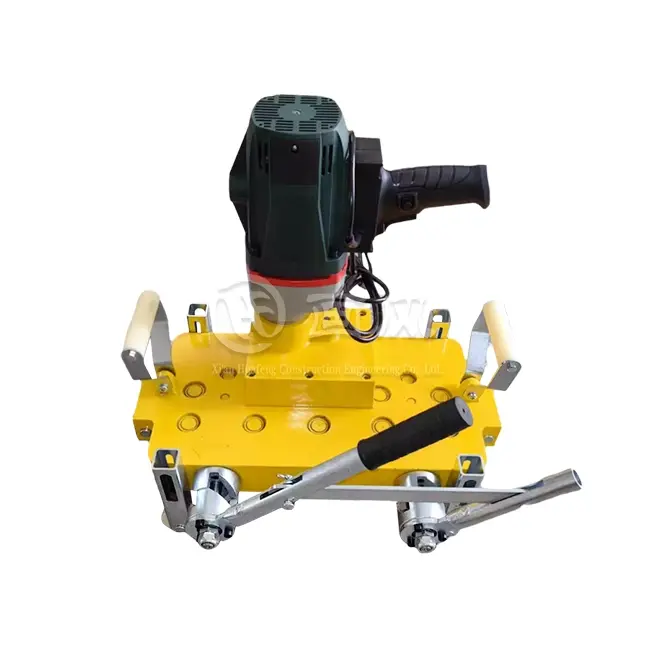
Understanding Metal Roof Standing Seam Tools and Their Applications
Essential Tool Categories for Professional Installation
For standing seam construction, you need special tools that are made for different project sizes and needs. Manual seamers are easy to move around and accurate for repairs and changes in the field. These hand-held tools work great in small areas and give experienced contractors full control over the angle and pressure of the seams. Large-scale systems are changed by electric seamers, which are operated automatically and give consistent results. Battery-powered models are portable without sacrificing performance, and corded types can be used for long periods of time without stopping. Professional builders like these tools because they make them less tired and improve the quality of the seams.
Material Compatibility and Technical Specifications
Modern standing seam tools can work with a wide range of roofing materials, such as aluminium, copper, 22- to 24-gauge steel, and special metals. Which tool to use varies depending on the thickness of the material, the type of seam that needs to be made, and the weather. For double-lock seams, you need different tools than for snap-lock or mechanical-lock systems. When choosing tools, roofing experts have to think about the weather. In coastal areas, tools need to be resistant to rust, and in places where temperatures change a lot, tools need to be able to compensate for thermal expansion. Quality manufacturers give thorough Metal Roof Standing Seam Tool specifications that make sure the tools work well in a wide range of situations.
Global Market Analysis: Supply and Demand Trends
Regional Manufacturing Hubs and Distribution Networks
Metal roofing tools are mostly made in the Asia-Pacific area, with China, Japan, and South Korea making the most. European companies focus on precise engineering and specific uses, while North American companies stress new ideas and good customer service. This geographical spread gives contractors all over the world a wide range of buying options. Prices, availability, and shipping times are all affected by how much manufacturing is concentrated in certain areas. When contractors are planning their procurement strategies, it helps them to know about these trends. Tool availability is affected by busy building seasons, so planning ahead is very important for project success.
Market Demand Drivers and Industry Growth
More people want metal roofing systems and the tools that go with them because they are more environmentally friendly. Standing seam installs are better because they are required to be energy efficient by LEED and save money in the long run. This trend has a direct effect on how often tools are needed and how manufacturers plan their production. Professional-grade tools are needed in larger quantities for commercial construction jobs than for residential ones. A lot of standing seam systems are used in industrial buildings, warehouses, and institutional buildings, which creates a high demand for reliable installation tools. Understanding these trends of demand helps contractors get the most out of the tools they buy.
Comparing Sourcing Channels: Advantages and Considerations
Direct Manufacturer Relationships
| Channel Type | Advantages | Considerations | Best For |
|---|---|---|---|
| Direct Manufacturers | Competitive pricing, customisation options, and technical support | Higher MOQs, longer delivery times | Large contractors, bulk orders |
| Local Distributors | Quick delivery, local support, and smaller quantities | Limited selection, higher prices | Emergency needs, small projects |
| B2B Platforms | Wide selection, comparison shopping, verified suppliers | Quality verification needed, communication challenges | Research and sourcing |
| E-commerce Platforms | Convenience, user reviews, fast shipping | Limited technical support, quality concerns | Individual tools, accessories |
| Trading Companies | Market knowledge, logistics support, quality assurance | Additional markup, less direct control | International sourcing |
Evaluating B2B Platform Opportunities
Business-to-business platforms connect contractors with global suppliers, offering transparency and competitive pricing. These platforms provide supplier verification, transaction protection, and streamlined communication tools. Professional buyers appreciate the ability to compare multiple suppliers simultaneously and access detailed product specifications. Platform selection impacts sourcing success significantly. Established platforms with verified supplier networks reduce procurement risks, while emerging platforms may offer competitive pricing with higher verification requirements. Contractors should balance cost savings against reliability when selecting B2B sourcing channels.
Supplier Verification and Quality Control Guidelines
Essential Due Diligence Procedures
Supplier verification begins with certification validation, including ISO9001 quality management, Metal Roof Standing Seam Tool and industry-specific standards. Reputable manufacturers provide detailed certification documentation, factory inspection reports, and third-party quality assessments. These credentials indicate commitment to consistent product quality and continuous improvement. Financial stability assessment protects contractors from supply chain disruptions. Credit reports, business registration verification, and customer reference checks reveal supplier reliability. Long-established manufacturers with diverse client bases typically offer greater procurement security than newer entities.
Quality Control Checkpoints and Testing Protocols
To prove that a tool works well, it needs to be put through a lot of tests that cover things like safety, precision, and sturdiness. Professional-level tools are put through material stress tests, working cycle tests, and simulations of different environmental conditions. These steps make sure that the equipment works consistently in harsh field conditions. Before placing large orders, contractors can test samples of the tools to see how well they work. During testing, the precision of the seams should be measured, the operating smoothness should be checked, and the build quality should be checked. Good makers are happy to send samples and give a lot of information about how well their products work.
Common Procurement Challenges and Solutions
International sourcing ties can be hard to manage when there are communication problems. Misunderstandings can be avoided by using clear specifications, thorough drawings, and standard language. Professional suppliers spend money on technical documentation and help in multiple languages to make the buying process go more smoothly. Choosing a payment method affects both the safety of the deal and the management of cash flow. Large orders are protected by letters of credit, and smaller deals are protected by trade assurance programs. Experienced providers offer flexible payment terms that can be used by a variety of contractors.
Strategic Procurement Planning and Best Practices
Inventory Management and Demand Forecasting
Effective tool procurement requires accurate demand forecasting based on project pipelines and seasonal variations. Contractors balance inventory investment against storage costs and capital requirements. Professional procurement strategies consider tool lifecycle costs, maintenance requirements, and technological advancement timelines. Seasonal demand patterns influence pricing and availability significantly. Spring construction season increases demand and may extend delivery schedules, while off-season purchasing often provides cost advantages. Strategic contractors plan procurement timing to optimise both availability and pricing.
Building Long-term Supplier Relationships
Successful contractor-supplier relationships develop through consistent communication, reliable payment practices, and mutual respect. Long-term partnerships provide priority service, technical support, the Metal Roof Standing Seam Tooland favourable pricing terms. These relationships become valuable assets during peak demand periods or urgent project requirements. Supplier development programs help manufacturers understand contractor needs better while providing access to new technologies and products. Progressive suppliers invest in customer training, technical support, and application development. These partnerships drive innovation and improve overall project outcomes.
Conclusion
When looking for metal roof standing seam tools, you need to carefully consider the supplier's skills, quality standards, and shipping options. Professional contractors are successful because they build networks of different suppliers, use strict verification processes, and keep strategic inventory levels. The global market has a lot of options for buying things at low prices while still meeting quality and time standards for projects.By learning about the strengths and weaknesses of regional manufacturing, market dynamics, and sourcing channel benefits, you can make smart decisions about what to buy. Professional contractors need reliable manufacturers like Xi'an Huafeng Construction Engineering Co., Ltd. that can give them the expert help they need and make great products. In today's tough construction market, strategic sourcing ties give you a leg up on the competition.
FAQ
1. What factors determine metal roof standing seam tool pricing?
Tool pricing depends on manufacturing complexity, material quality, automation level, and production volumes. Manual tools typically cost less than electric models, while specialised features increase prices. Market demand, raw material costs, and supplier location also influence final pricing.
2. How can contractors verify supplier quality and reliability?
Verification involves checking certifications, reviewing customer references, and requesting product samples. Quality suppliers provide ISO certifications, detailed specifications, and transparent communication. Factory audits and third-party assessments offer additional verification for large procurement decisions.
3. What are typical minimum order quantities for professional tools?
MOQs vary significantly between suppliers and tool types. Direct manufacturers may require 50-100 unit minimums, while distributors often accommodate smaller quantities. Custom specifications typically increase MOQ requirements, while standard models offer more flexible ordering options.
4. How do delivery times vary between different sourcing channels?
Local distributors provide the fastest delivery, typically 1-7 days for stock items. Direct manufacturers require 15-30 days for standard products, while custom tools may need 30-60 days. International shipping adds 7-21 days, depending on transportation method and customs processing.
5. What warranty and support options should contractors expect?
Professional-grade tools typically include 12-24 month warranties covering manufacturing defects. Quality suppliers provide technical support, replacement parts availability, and repair services. Extended warranty options may be available for premium products or bulk orders.
Partner with HF for Premium Metal Roof Standing Seam Tools
Xi'an Huafeng Construction Engineering Co., Ltd. delivers exceptional metal roof standing seam tool solutions for professional contractors worldwide. Our ISO9001-certified manufacturing facility produces both manual and electric tools meeting the highest industry standards. With 15-20 day delivery schedules, comprehensive technical support, Metal Roof Standing Seam Tool and competitive pricing, HF serves as your trusted metal roof standing seam tool manufacturer for projects of any scale. Contact our experienced team at huafeng@hfmetalroof.com to discuss your specific requirements and discover how our proven solutions can enhance your roofing operations.
References
1. Smith, J.R. and Thompson, M.K. (2023). "Advanced Metal Roofing Installation Techniques and Tool Selection." Journal of Commercial Roofing Technology, Vol. 45, No. 3, pp. 112-128.
2. Industrial Roofing Association. (2022). "Standing Seam System Installation Best Practices Manual." 4th Edition. Professional Roofing Publications.
3. Chen, L.W., Rodriguez, A.M., and Patel, S.K. (2023). "Quality Assessment Protocols for Metal Roofing Installation Tools." International Construction Equipment Review, Vol. 78, No. 2, pp. 34-47.
4. European Metal Roofing Council. (2022). "Technical Standards for Standing Seam Tool Certification." EMRC-TS-2022-001. Brussels: European Construction Standards Institute.
5. Johnson, R.D. and Lee, K.H. (2023). "Global Supply Chain Analysis: Metal Roofing Equipment Manufacturing Trends." Construction Industry Economics Quarterly, Vol. 29, No. 4, pp. 89-105.
6. National Roofing Contractors Association. (2023). "Professional Tool Selection Guidelines for Commercial Metal Roofing Projects." Technical Bulletin NRCA-TB-2023-12. Rosemont: NRCA Publications.





YOU MAY LIKE
_1769761215912.webp "Ventilation noise reduction net")
_1783936484206.webp "Inside locking metal aluminum cladding panel")
_1768552571575.jpg "Aluminium Fascias")