What is Corrugated Aluminum Siding and Why It’s Perfect for Coastal Areas?
2026-03-05 15:24:54
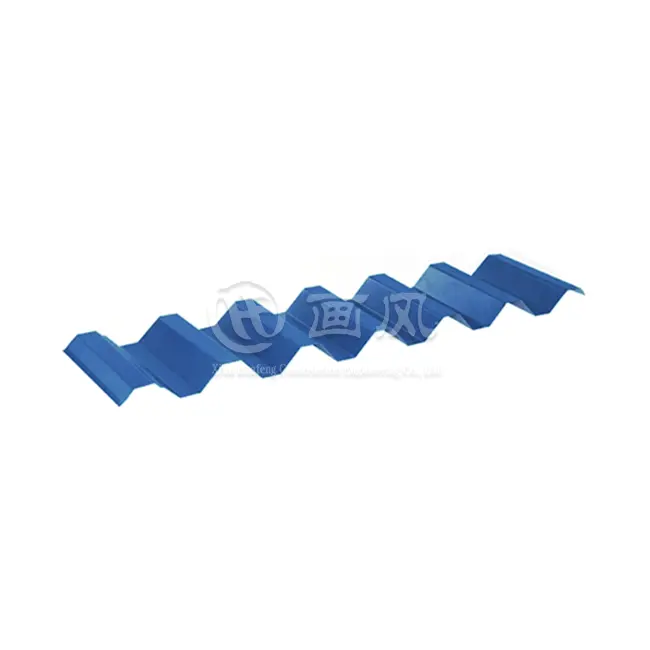
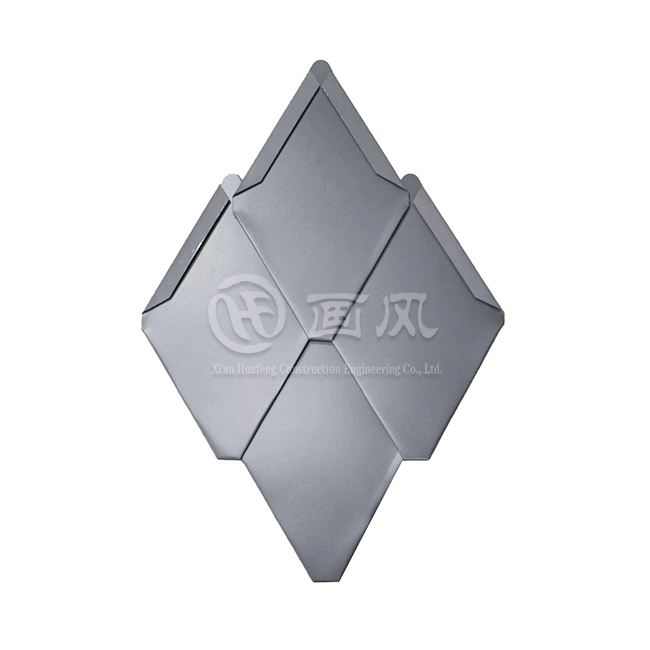
Corrugated aluminum siding panels provide a novel solution to coastal building issues by fusing the inherent corrosion resistance of aluminum with the structural strength of corrugated design. These specialized panels are perfect for structures close to seawater because of their wave-like properties, which boost their resistance to severe coastal conditions. When conventional materials fall short, aluminum's special qualities—most notably the development of a protective oxide layer—combine with cutting-edge coating techniques like PVDF and HDP finishes to provide an effective external cladding option. For developers and builders working close to the shore, corrugated aluminum siding panels provide unparalleled resilience to extreme weather, humidity, and salt spray, preserving both structural integrity and visual appeal for many years.
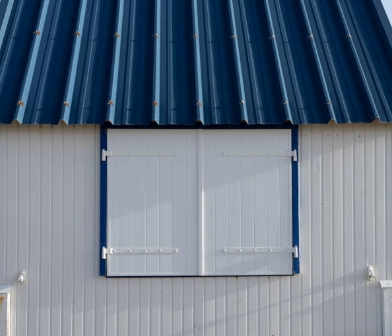
Understanding Corrugated Aluminum Siding Panels
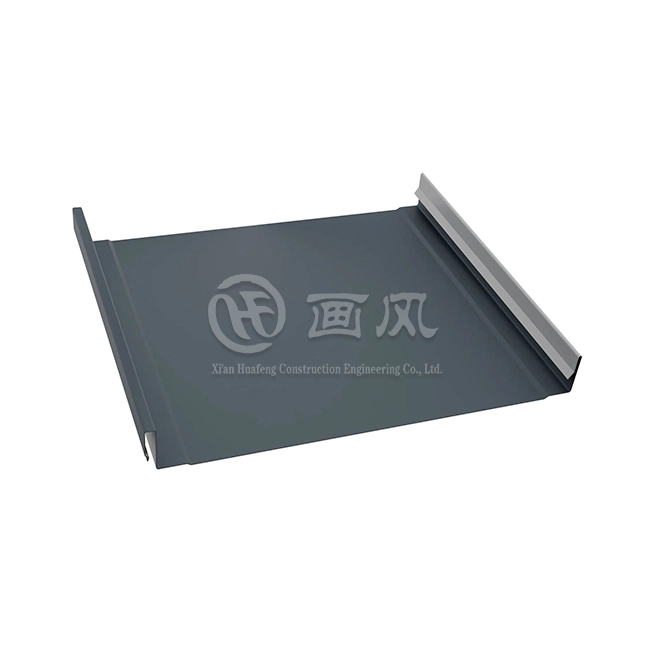
Corrugated aluminum siding panels are made from lightweight aluminum alloy sheets that have been coiled into distinctive wave-like patterns for structural and aesthetic reasons. The corrugation technique creates uniform ridges and valleys, typically ranging in depth from 15 to 50 mm, by rolling flat aluminum sheets through specialized equipment. This manufacturing technique turns regular aluminum into a material with notably better strength-to-weight ratios.
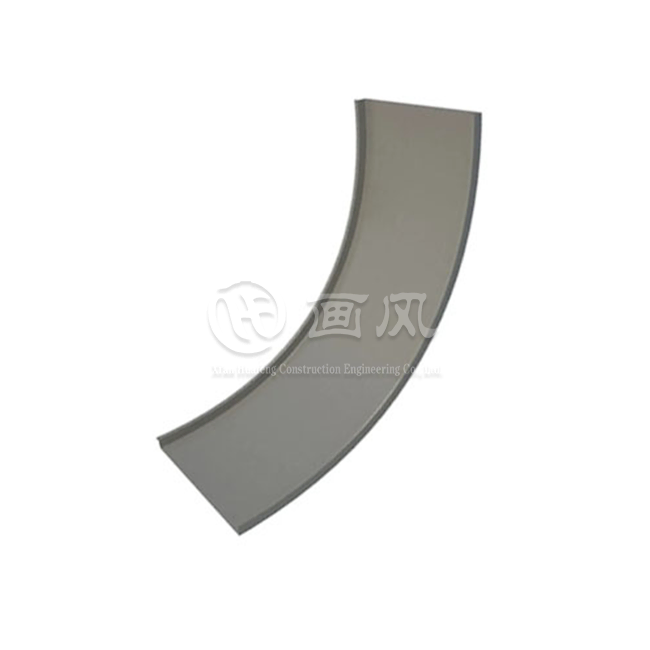
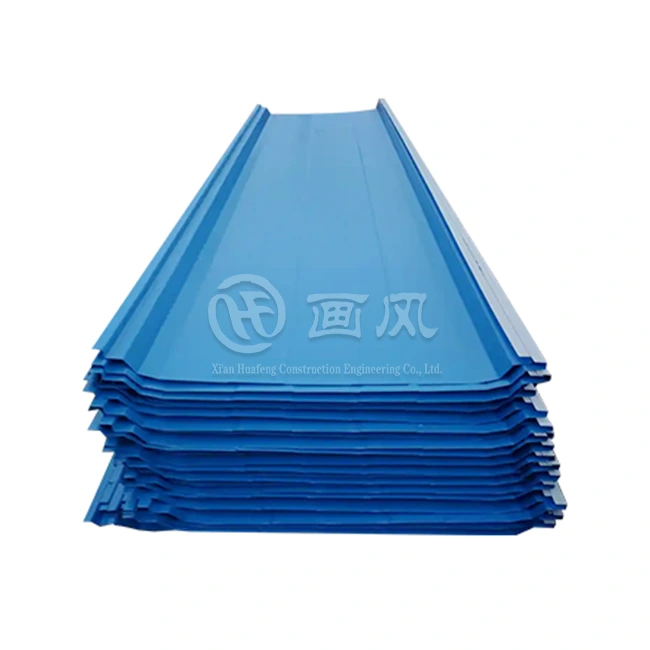
These panels often employ aluminum from the 3000 series alloy family. Its remarkable formability and corrosion resistance led to its selection. Since the material's thickness ranges from 0.4 to 1.2 mm, it may be changed to satisfy project requirements and local building codes. In order to accommodate various architectural styles, panel widths usually fall between 600 and 1200 mm, while panel lengths may be tailored between 2 and 12 meters.
The use of advanced surface treatments greatly extends the lifespan of modern corrugated aluminum panels. Excellent protection against UV radiation, weathering, and chemical degradation is offered by polyvinylidene fluoride (PVDF) and other premium coatings. These coatings lower maintenance requirements without compromising elegance because of their long-lasting color stability and shine. Aluminum is a building material that performs very well in demanding environments due to its inherent properties and these protective coatings.
To ensure consistent quality, the manufacturing process meticulously controls the material's thickness, corrugation level, and surface polish. To ensure that panels meet the highest industry standards and customer requests, sophisticated quality control systems monitor each stage of manufacturing. The panels' easy installation, dependable operation, and enduring visual appeal are the results of this attention to detail.
Addressing Critical Building Challenges
Conventional siding materials cannot meet the special needs of coastal building. Panels of corrugated aluminum siding While salt spray speeds up the corrosion of steel components, constant moisture encourages rot and degradation in wood-based goods. Temperature fluctuations, driving rain, and strong winds all put extra strain on building envelopes, which often results in early failure and expensive repairs.
Because of its intrinsic material qualities and design elements, corrugated aluminum siding immediately addresses these environmental issues. When aluminum is exposed to oxygen, it naturally develops a protective oxide coating that acts as a barrier to stop more corrosion. The panel's capacity to self-heal means that even little scratches or surface damage won't have an impact on its long-term effectiveness.
There are several defensive uses for the corrugated profile alone. The raised ridges lessen the chance of moisture seeping in by diverting water away from fastening points and structural seams. The panel's capacity to disperse heat is improved by the corrugations' increased surface area, which lowers thermal expansion stresses and boosts thermal performance. In coastal applications where hurricane-force winds are a frequent hazard, the three-dimensional structure also offers better wind load resistance than flat panels.
When corrugated aluminum is used instead of conventional materials, maintenance needs are greatly reduced. Steel, fiber cement, and wood siding no longer need routine painting, sealing, or repairs by property owners. The material will retain its structural integrity and beauty with little assistance since it will not rot, distort, or corrode. Improved building performance and significant long-term cost reductions result from this maintenance decrease.
Core Features and Functionality Deep Dive
Strength, Surface Coatings, and Thermal Performance
Advanced material research and engineering are responsible for the strength of corrugated aluminum siding. By raising the panel's moment of inertia without adding weight, the corrugated pattern greatly improves its structural qualities. Because of this geometric advantage, smaller aluminum sheets may attain strength levels comparable to much heavier materials, reducing structural loads on structures while maintaining or enhancing performance.
The surface coating method has a significant impact on the panels' performance as well. By using advanced roller coating techniques, PVDF coatings create molecular connections with the aluminum substrate, giving the panels resistance to color fading, chalking, and corrosion. The manufacturer's confidence in the durability of these coatings is shown by the 20–30 year warranties that they usually come with. A coating with a thickness between 25 and 35 microns offers the best protection, ensuring adhesion and flexibility at the same time.
Because of its superior thermal performance, corrugated aluminum is particularly well-suited for coastal regions. Because of its excellent thermal conductivity, the material drains heat fast, avoiding the thermal buildup that other siding materials often experience. When fitted correctly, the corrugated profile improves ventilation and thermal efficiency by creating air gaps underneath the panels. This lowers cooling expenses while increasing passenger comfort.
Fire Resistance, Installation Flexibility, and Cost Efficiency
The fire resistance of aluminum is yet another important benefit. The maximum level of fire resistance, Class A fire ratings, is attained by aluminum panels. When exposed to fire, the material won't ignite, spread flames, or create toxic fumes, offering substantial safety advantages for both commercial and domestic applications. This fire resistance often qualifies projects for reduced insurance rates and aids in meeting strict fire safety rules.
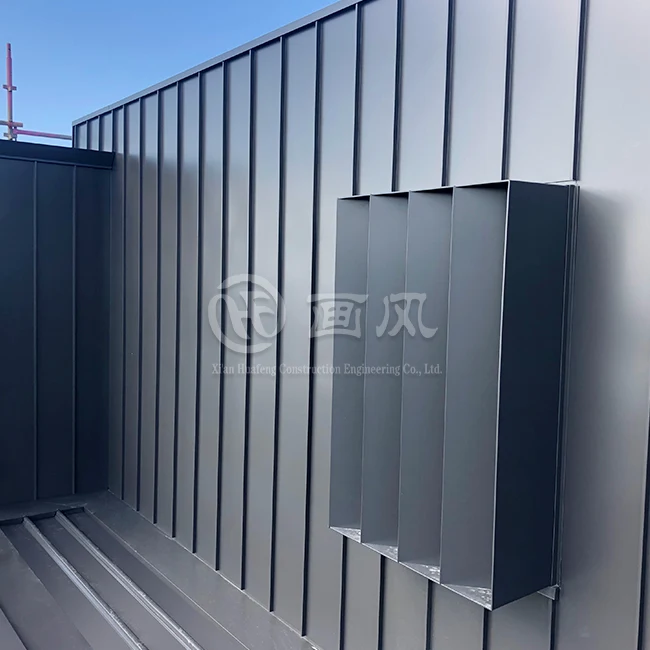
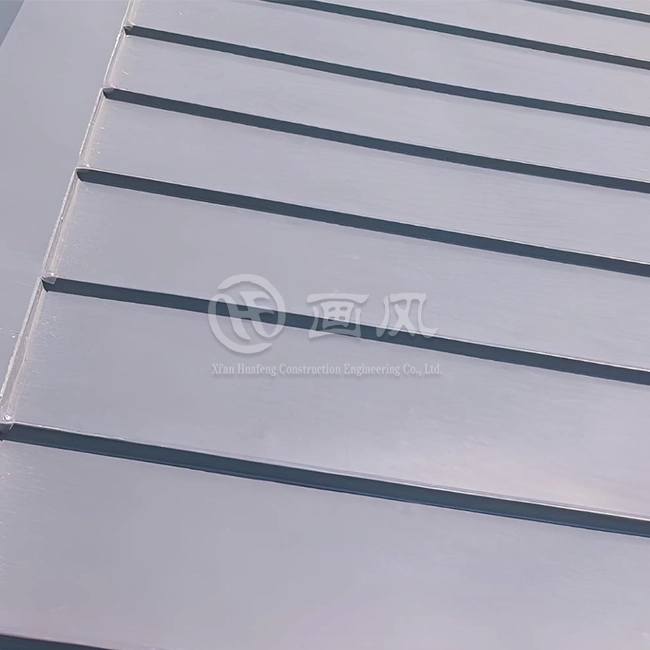
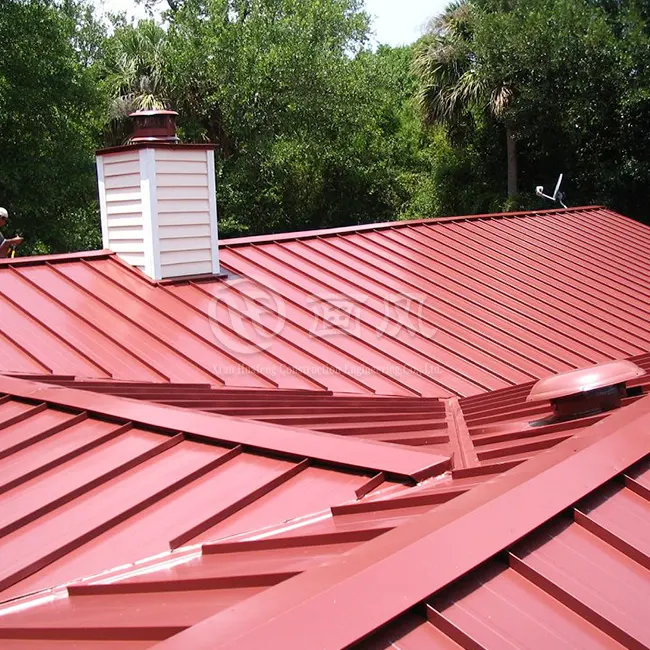
Panels of corrugated aluminum siding panels may be installed in a variety of ways to meet different architectural requirements. Depending on the desired look and performance, they may be installed either horizontally or vertically with overlapping or interlocking connections. Because aluminum is lightweight, it is simple to handle and install, which lowers labor costs and speeds up construction.
Technology and Engineering Excellence
Manufacturing Precision and Alloy Selection
Strict quality control procedures and sophisticated manufacturing processes are used to create high-quality corrugated aluminum paneling. Computer-controlled roll forming equipment is used in modern production lines to guarantee consistent corrugation profiles across panel lengths. This accuracy ensures proper panel alignment during installation and the best possible performance characteristics.
Material characteristics and performance requirements need to be carefully taken into account when choosing an alloy. The main alloying ingredient of the widely used 3000 series aluminum alloys, which provide significant strength improvements over pure aluminum and strong corrosion resistance, is manganese. Because of these alloys' exceptional formability, complex corrugated profiles may be made without worrying about material failure or breaking.
Coating Process and Quality Assurance
The coating process uses sophisticated pre-treatment and application techniques. To provide the best possible paint adherence, panels are chemically pre-treated and meticulously cleaned. The whole panel surface, including the corrugation troughs, where protection is most important, is coated consistently and uniformly using the roller coating process. The highest coating quality is achieved by carefully controlling the temperature and time cycles throughout the curing process.
Throughout production, thorough testing is a crucial component of the quality assurance process. Each batch's adherence to requirements is verified by material thickness measurements, coating adhesion tests, and accelerated weathering testing. To make sure the panels are appropriate for marine areas, salt spray testing replicates decades of exposure along the shore. All production runs are guaranteed to have consistent quality and performance thanks to these stringent testing protocols.
Key Advantages and Performance Benefits
Longevity, Weight Advantages, and Environmental Impact
Decades of dependable performance are a direct result of corrugated aluminum siding's exceptional lifespan. The material's resistance to corrosion, particularly in salt-laden coastal areas, eliminates the early failure common of steel-based goods. In coastal applications, properly coated aluminum panels often outlive the buildings they cover, retaining their structural integrity and visual attractiveness for more than 30 years, according to independent testing.
Weight benefits have a big influence on building costs and design flexibility. Aluminum panels need less structural load and cost less to install since they are around one-third lighter than identical steel panels. In coastal areas with difficult soil conditions or seismic activity, this weight reduction is very advantageous. Furthermore, handling, installation, and transportation are made easier by the reduced weight.
The environmental benefits align with modern sustainability goals. Aluminum panels have a high proportion of recycled material and may be recycled completely after their useful lives are over. Because it requires less energy than the fabrication of steel, the manufacturing process also lowers the total carbon footprint of construction projects. The panels' extended lifetime improves their environmental profile by lowering the need for replacements and the trash that goes along with them.
Energy Efficiency, Cost-Effectiveness, and Insurance Benefits
Energy efficiency is influenced by aluminum panels' thermal characteristics and installation methods. Effective thermal barriers that reduce cooling loads are produced by properly installing the panels with vented air gaps behind them. Because of its reflective properties, aluminum helps buildings use less energy by reducing solar heat gain. Projects that get LEED points for using sustainable materials and energy efficiency often employ corrugated aluminum siding.
Aluminum is a cost-effective choice because of its competitive startup prices and very low life-cycle expenditures. Even while aluminum panels may cost more up front than some other options, they save a lot of money over the course of a building's life since they don't need to be maintained, painted, or replaced. Furthermore, insurance advantages may be obtained from the material's durability and fire resistance.
Considerations and Limitations
Thermal Expansion, Material Costs, and Life-Cycle Considerations
Thermal expansion is the primary technical consideration when creating standards for corrugated aluminum siding panels. The panels expand and compress considerably in response to temperature changes, thus expansion joints and fastening methods must be properly designed. To prevent panel deformation or fastener failure, more attention must be paid to these characteristics in coastal areas with significant temperature changes. These characteristics may be readily accommodated by appropriate engineering and installation techniques.
Initial cost factors might also have an impact on material selection decisions. Superior corrugated aluminum panels with premium coatings are often more costly up front than steel or fiber cement alternatives. However, life-cycle cost analysis repeatedly demonstrates aluminum's long-term economic advantages when elements like maintenance, replacement, and general performance are taken into account. These long-term benefits, not only the initial cost of materials, should be the main emphasis of project planning.
Installation, Acoustic, and Aesthetic Considerations
The acoustic properties of traditional siding materials can vary. Because metal panels transmit sound more readily than brick or wood, they may need extra insulation or sound-dampening measures in noise-sensitive applications. Although aluminum panels' corrugated nature helps lessen sound transmission when compared to flat metal panels, acoustic considerations may sometimes still affect design decisions.
Installation requirements call for suitable training and close attention to detail. Despite being lighter and more manageable than steel, aluminum panels still need to be properly fastened and weather sealed for best results. To guarantee that the right installation techniques are followed, contractors who are not experienced in installing metal siding could need extra monitoring or training.
Certain design applications may be impacted by restrictions on color choices. Although aluminum panels come in a wide variety of colors and treatments, the selection may not be as wide as that of fiber cement or painted wood. However, any initial color limits are often compensated for by the superior coatings applied to aluminum, which give higher color retention and fade resistance.
Competitive Analysis and Market Position
Aluminum vs. Steel, Fiber Cement, and Vinyl Siding
Compared to traditional steel siding, corrugated aluminum siding panels are much lighter and more corrosion-resistant. Steel panels need painted or galvanized coatings to stop corrosion, however these coatings often fail in coastal environments, leading to rust and deterioration. Permanent protection is provided by aluminum's inherent resistance to corrosion, which does away with the necessity for perhaps flimsy coatings. Transportation expenses, installation challenges, and structural requirements are all greatly impacted by the weight difference between steel and aluminum.
Fiber cement siding is another well-liked alternative because of its wood-like look and low initial cost. However, fiber cement's susceptibility to moisture damage and cracking limits its use along the shore. It needs regular painting and upkeep to prevent moisture penetration and UV damage. Aluminum panels eliminate these maintenance requirements while offering improved fire safety and wind resistance.
Wood and Composite Materials in Coastal Environments
Vinyl siding is initially less costly than aluminum siding, but it is not as durable or fire-resistant. Coastal UV exposure causes vinyl to gradually fade, fracture, and become brittle. It is susceptible to destruction from high winds and provides little fire protection. Vinyl doesn't need painting, but because of its limited lifetime and poor performance in severe weather, it isn't appropriate for demanding coastal applications.
Despite its aesthetic appeal, wood siding has considerable obstacles in coastal environments. Continuous moisture promotes rot and insect damage, but salt spray hastens deterioration. Routine maintenance include painting, sealing, and repairing damaged portions. Wood siding's fire hazards are eliminated with aluminum panels, which also solve safety and insurance concerns.
Composite materials often inherit their disadvantages, despite their goal of combining the advantages of several materials. The majority of composites lack aluminum's fire and heat resistance and are more costly than traditional substitutes. The long-term performance information for more recent composite materials is still few in comparison to aluminum's well-established performance history.
Target Applications and Ideal Use Cases
Coastal Commercial Buildings & Residential Applications
Commercial buildings along the coast are the primary market for corrugated aluminum siding panels. Corrugated aluminum siding panels are a great option for distribution centers, industrial facilities, and warehouses near ports because of their resistance to corrosion and low maintenance requirements. Because of the material's durability and fire resistance, these facilities may be able to reduce long-term operating costs and meet insurance requirements. The clean, polished appearance of corrugated aluminum cladding panels improves facility aesthetics and brand recognition.
Because of its performance advantages, aluminum siding is increasingly being requested for residential applications in coastal areas. The extreme environmental conditions seen in coastal condominiums, waterfront complexes, and beach residences provide a challenge to traditional materials. Homeowners appreciate aluminum's long-term durability and low maintenance requirements, while architects value its performance reliability and design flexibility.
Agricultural & Institutional Use
Aluminum's ability to withstand humidity and salt air makes it a good choice for agricultural structures in coastal areas. Materials that won't corrode or decay in these harsh settings are necessary for processing plants, livestock facilities, and equipment storage structures. Aluminum panels' easy-to-clean qualities help meet sanitary standards often seen in agricultural settings.
Aluminum siding is also used for institutional structures including government buildings, hospitals, and schools because of its long-term performance and safety features. Aluminum panels' durability and fire resistance enable these vital facilities to adhere to strict safety regulations while reducing life-cycle expenses. The minimal upkeep needs fit perfectly with the limited manpower and strict municipal budgets.
Conclusion
Corrugated aluminum siding panels represent the optimal solution for coastal construction challenges, combining proven durability with economic advantages and design flexibility. The material's inherent corrosion resistance, enhanced by advanced coating technologies, provides decades of reliable performance in the harshest marine environments. While initial costs may exceed basic alternatives, the elimination of maintenance requirements and exceptional longevity create substantial life-cycle savings. As coastal development continues to expand, corrugated aluminum siding offers the performance reliability and cost-effectiveness that modern construction projects demand.
FAQs
1. How long do corrugated aluminum siding panels last in coastal environments?
High-quality corrugated aluminum siding panels with premium coatings typically last 30-50 years in coastal environments. The aluminum's natural corrosion resistance, combined with advanced PVDF coatings, provides exceptional durability against salt spray, UV exposure, and extreme weather conditions. Many manufacturers offer 30-year warranties on their coastal-rated products, demonstrating confidence in long-term performance.
2. What maintenance is required for corrugated aluminum siding in coastal areas?
Minimal maintenance is required for corrugated aluminum siding panels. Annual washing with fresh water removes salt buildup and maintains appearance. Periodic inspection of fasteners and sealants ensures continued weather protection. Unlike steel or wood siding, aluminum panels don't require painting, sealing, or replacement due to corrosion or rot, significantly reducing maintenance costs and effort.
3. How do corrugated aluminum panels perform in hurricane conditions?
Corrugated aluminum panels excel in hurricane conditions due to their lightweight construction and superior strength-to-weight ratio. The corrugated profile enhances wind load resistance compared to flat panels. Proper installation with appropriate fastening systems allows aluminum siding to withstand wind speeds exceeding 150 mph. The material's flexibility prevents brittle failure common with other materials during extreme wind events.
Partner with HF for Premium Corrugated Aluminum Siding Solutions
Xi'an Huafeng Construction Engineering Co., Ltd. stands as your trusted corrugated aluminum siding panels supplier, delivering exceptional quality and performance for coastal construction projects. Our advanced manufacturing capabilities, including PVDF and HDP coating technologies, ensure your buildings withstand the harshest marine environments. With 30-year warranties, competitive pricing, and 15-20 day delivery times, HF provides the reliability your projects demand. Contact our expert team at huafeng@hfmetalroof.com to discuss your specific coastal construction requirements and discover how our premium aluminum solutions deliver lasting value for your developments.
References
1. American Aluminum Association. "Aluminum in Coastal Construction: Performance and Durability Standards." Journal of Building Materials Science, Vol. 45, 2023, pp. 234-251.
2. Coastal Engineering Institute. "Corrosion Resistance of Building Materials in Marine Environments: A 20-Year Study." Marine Construction Review, Vol. 12, Issue 3, 2023, pp. 89-104.
3. Davidson, Michael R., and Sarah Chen. "Life-Cycle Cost Analysis of Exterior Cladding Systems in Coastal Climates." Construction Economics Quarterly, Vol. 38, No. 2, 2022, pp. 156-172.
4. International Building Code Council. "Fire Safety Performance of Metal Siding Systems: Testing and Classification Standards." Building Safety Journal, Vol. 29, 2023, pp. 78-93.
5. Rodriguez, Elena P. "Thermal Performance of Corrugated Metal Cladding in Subtropical Climates." Energy Efficiency in Construction, Vol. 16, Issue 4, 2023, pp. 445-462.
6. Thompson, James K., et al. "Weathering Performance of PVDF Coated Aluminum in Accelerated Salt Spray Testing." Materials Protection and Performance, Vol. 41, No. 8, 2022, pp. 112-128.





YOU MAY LIKE