What Is Angle Lock Standing Seam Roofing & Why You Need It?
2026-04-21 18:03:39
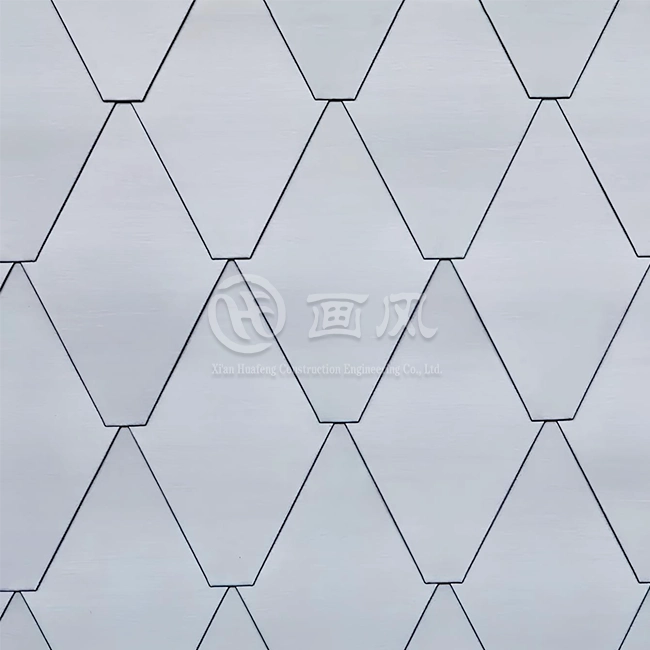
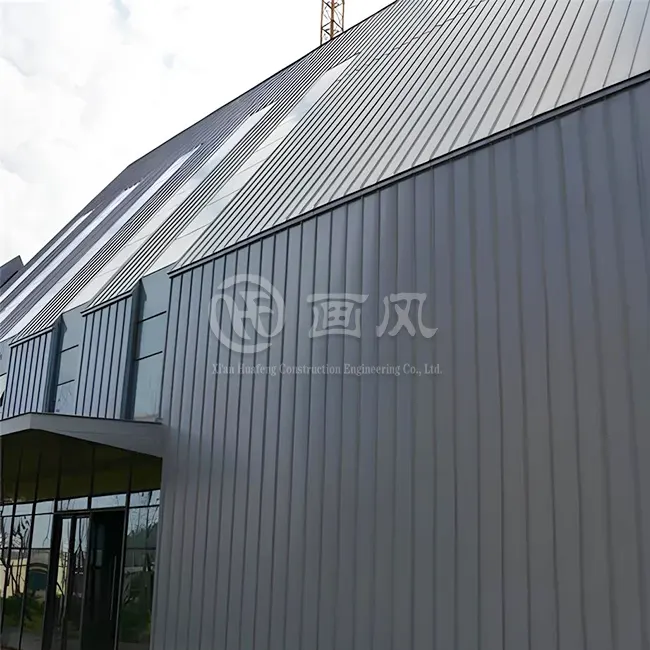
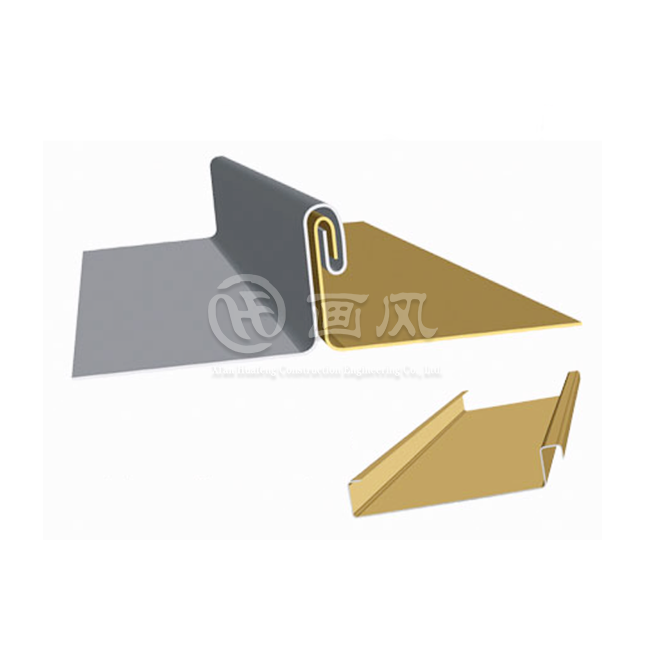
Angle Lock Standing Seam Roof Panels are the perfect choice when your project needs a roofing solution that mixes structural performance with long-term dependability. These high-tech metal roofing systems have a unique 90-degree interlocking mechanism where the legs of the vertical panels join through mechanical seaming. This makes a hidden fastener system that stops holes from forming. Unlike friction-based snap lock options, Angle Lock Standing Seam Roof Panels use special seaming tools to fold the panel edges together with floating clips. This lets the panels expand naturally with temperature changes while keeping their waterproof integrity. This basic design solves important performance problems in medium- to large-scale projects that need to be weatherproof, last a long time, and look good all the way through.
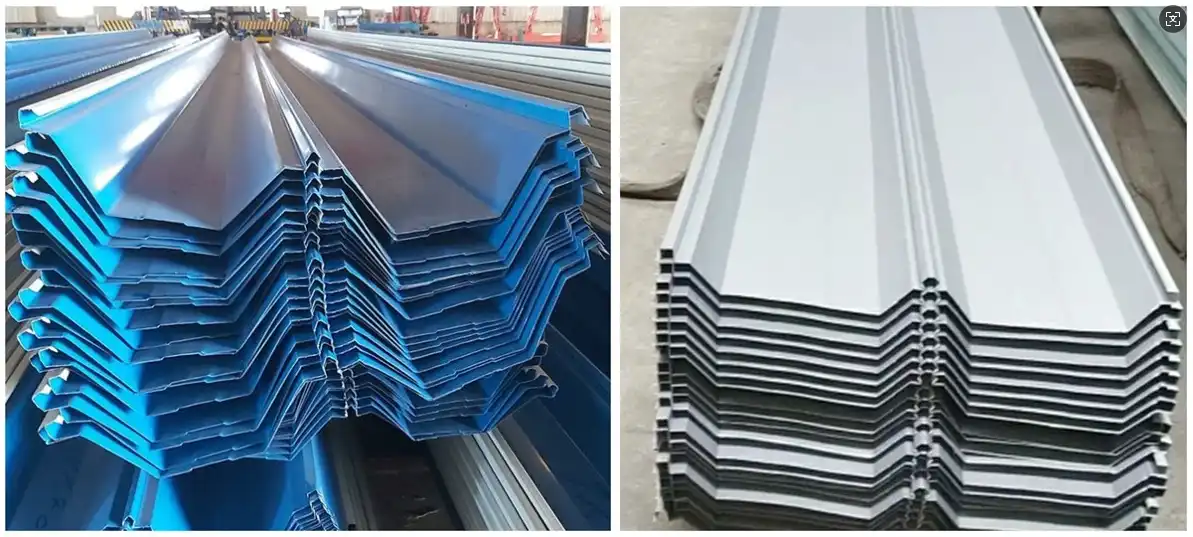
Understanding the Technical Architecture of Metal Standing Seam Systems
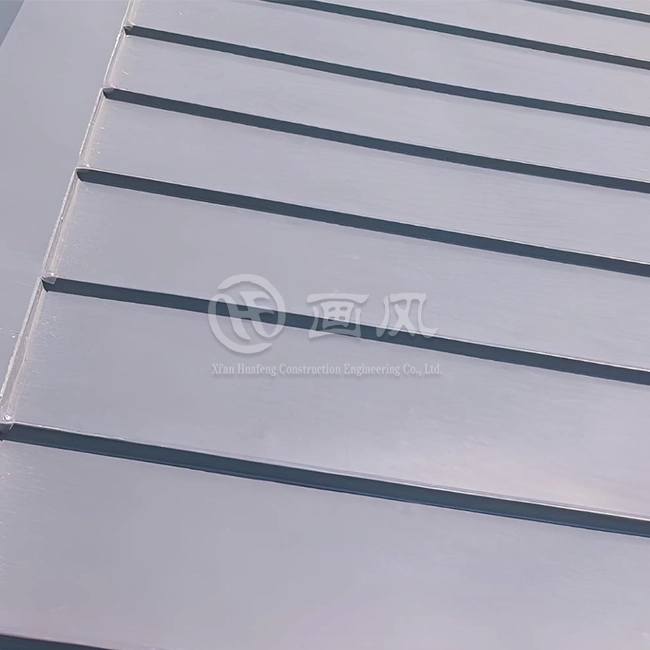
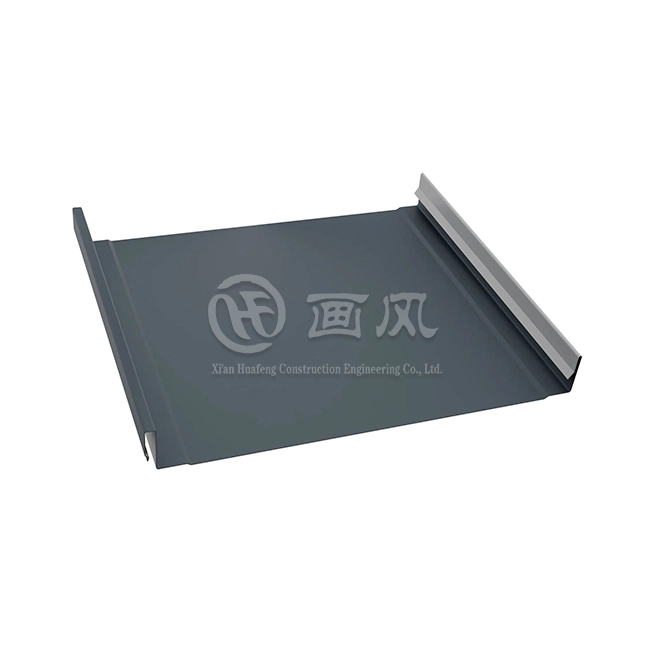
Angle Lock Standing Seam Roof Panels are the result of decades of progress in material science that has been honed to meet the needs of industrial and educational buildings. Each panel is made of carefully shaped metal with raised vertical ribs that stick out above the roof surface. The height of each panel is usually between 50mm and 115mm, but it depends on the design specs and estimates of the structural load.
How the Interlocking Mechanism Works
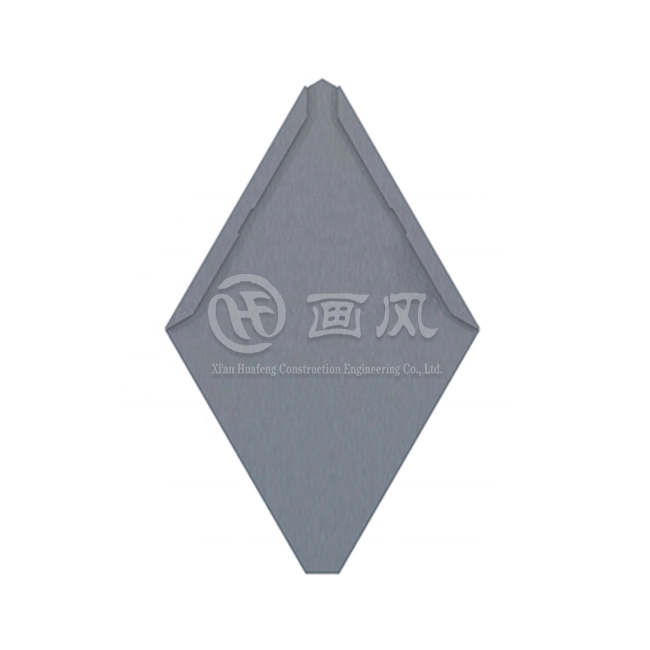
Angle Lock Standing Seam Roof Panels use a male-female interlocking system formed by a 90-degree leg and receiving channel. A seaming machine crimps panels together without exposed fasteners, creating a continuous weatherproof seal. Hidden clips secure panels while allowing thermal movement, preventing stress damage common in traditional through-fastened systems.
Material Composition and Performance Characteristics
Angle Lock Standing Seam Roof Panels are roll-formed from materials selected for specific environments. Aluminum alloys like 3004 and 5052 offer corrosion resistance and light weight for coastal or load-sensitive buildings. Alu-zinc steel balances cost and durability, while stainless steel provides superior performance in harsh industrial conditions requiring long-term reliability. Gauge thickness for Angle Lock Standing Seam Roof Panels ranges from 0.7mm to 1.2mm, depending on span, wind uplift, and snow load requirements. These specifications ensure structural integrity while complying with building codes, allowing engineers to match panel performance with environmental and project-specific demands.
Protective Coating Systems
Angle Lock Standing Seam Roof Panels use PE, HDP, and PVDF coatings to enhance durability and appearance. PE offers cost-effective performance for mild climates, while HDP improves resistance to fading. PVDF provides superior long-term color retention and weather resistance, making it ideal for large projects requiring over 30 years of performance. These coating systems for Angle Lock Standing Seam Roof Panels are available in standard RAL colors and custom finishes. They ensure consistent architectural aesthetics across large developments such as transportation hubs and commercial complexes, while also protecting surfaces from UV exposure, pollution, and environmental wear.
Benefits Driving Adoption Across Commercial Construction Sectors
People involved in projects are choosing Angle Lock Standing Seam Roof Panels more and more because they have better lifetime value than other systems that can be measured. Besides the initial cost of buying, the choice process also looks at how efficiently it is installed, how often it needs to be maintained, how much energy it uses, and how easily it can be recycled after it's no longer needed.
Structural Longevity and Weather Resilience
Angle Lock Standing Seam Roof Panels deliver long service life exceeding 40 years with minimal maintenance. Raised seams prevent water pooling, while mechanical locks resist wind loads. Hidden clips distribute uplift forces evenly, meeting strict standards like UL 580 Class 90, essential for hurricane-prone and high-performance building applications. Continuous panel lengths up to 13 meters eliminate horizontal joints, reducing leak risks and thermal bridging. This design ensures effective drainage even in low-slope roofs near 0.5:12 pitch, maintaining waterproof performance where traditional modular systems often fail due to joint vulnerabilities.
Installation Efficiency and Schedule Advantages
Angle Lock Standing Seam Roof Panels improve installation speed through pre-cut panels and automated seaming. This reduces on-site fabrication and waste. Skilled crews can complete large areas quickly, supporting tight construction schedules and lowering project costs associated with delays. Unlike multi-layer roofing systems, Angle Lock Standing Seam Roof Panels become weatherproof immediately after seaming. This advantage minimizes downtime, especially in transportation or retrofit projects. The system also allows installation over existing roofs, avoiding costly removal and reducing disruption to ongoing operations.
Environmental Stewardship and Certification Support
Angle Lock Standing Seam Roof Panels support sustainable construction goals through high recyclability and reduced environmental impact. Materials often include over 25% recycled content and remain fully recyclable at end of life, aligning with green building standards. Cool-roof coatings on Angle Lock Standing Seam Roof Panels reflect heat, reducing energy consumption and contributing to LEED certification credits. Their long lifespan also minimizes waste generated by frequent roof replacements, improving overall environmental performance and lifecycle sustainability.
Comparative Analysis Against Alternative Roofing Configurations
When procurement teams are looking at investments in roofs, they have to sort through competing claims about different system types, each of which has its own benefits in certain situations. An organized comparison shows which Angle Lock Standing Seam Roof Panels specs give the best results.
Standing Seam Variations: Snap Lock vs. Mechanical Seam
There are a lot of different standing seam designs in the roofing business, which can make it hard to understand what each one means. Snap lock systems are made up of panels whose sides can be locked together by hand pressure, without the need for special seaming tools. There are efficiency trade-offs that come with this ease of use that are important for big commercial projects. Snap-lock connections depend on friction and spring tension to keep seams closed. This means that they can be damaged by changes in temperature and wind-driven rain when there is negative pressure. The strength of the link also limits the lengths of the panels that can be used, which means that end laps have to be done more often, which can cause failure places. Portable seaming tools are used for mechanical seam systems to directly crimp panel edges together, creating a fixed interlock that has better structural stability and watertight performance, as shown by ASTM E1646 water penetration tests and ASTM E2140 static water pressure certification.
Traditional Material Comparisons
Asphalt shingles are popular in homes because they are cheap to install, but they are not good for business buildings because they don't last long and require a lot of work to maintain. The replacement period of 15 to 25 years causes ongoing capital costs and business disruptions. Single-ply membrane systems, such as TPO and EPDM, are cheap options for flat commercial roofs, but they need to be carefully welded together and can get punctured. Through-fastened metal panels are a cheap choice to other metal options, but they don't allow for the thermal movement that is needed for big roofs. As the metal expands and contracts, the visible fasteners create thousands of possible leak spots that need to be checked and replaced on a regular basis. Long-term reliability-focused projects are turning down this setup more and more, even though it costs less to buy.
Strategic Procurement Guidance for Construction Professionals
To get good products at a good price and make sure they get to you on time, you need to know what the maker can do, how specifications can change, and how the supply chain works. Structured review systems that match Angle Lock Standing Seam Roof Panels features with project needs are helpful for procurement managers.
Manufacturer Assessment Criteria
When you work with a well-known source that offers integrated capabilities, it's easier to coordinate between project steps. Our industrial system shows that we can make things on a large scale, with seven color finishing production lines and specialized roll-forming equipment keeping our monthly capacity at 1,000 tons. Qualification verification is important for government-funded projects that need verified suppliers. We have Grade 1 building curtain wall qualifications and Grade 3 steel structure certifications that are accepted across institutional buying frameworks, as well as ISO9001, ISO14001, and SGS certifications that show we follow quality management system guidelines. Patent files show that a company is committed to creation and has a lot of technical knowledge. Our more than 20 registered patents cover designs for roofing systems and ways for installing them. These credentials and abilities meet the requirements for due research that come with buying things on a big scale, and they also guarantee that the quality of the products will stay the same throughout the project.
Specification Variables and Customization Options
Instead of using common options, choices about how to set up a panel should be based on the specifics of the project. The effective surface width, which ranges from 300mm to 600mm, affects both how it looks and how it behaves structurally. Narrower shapes reduce oil canning (visible waviness) by making panels more rigid. Choosing a rib height between 50mm and 115mm affects both the look of the shadow lines and the span of the structure. When choosing a coating method, you should carefully think about how it will be used and how long it is supposed to last. Transportation hubs usually choose PVDF finishes because they last the longest and keep their color the best. Industrial buildings might choose HDP paints, which are a good compromise between performance and cost. We keep large color libraries that cover RAL standards and can also match colors to your specifications, ensuring that the architecture of complex building surfaces is consistent.
Logistics and Installation Support
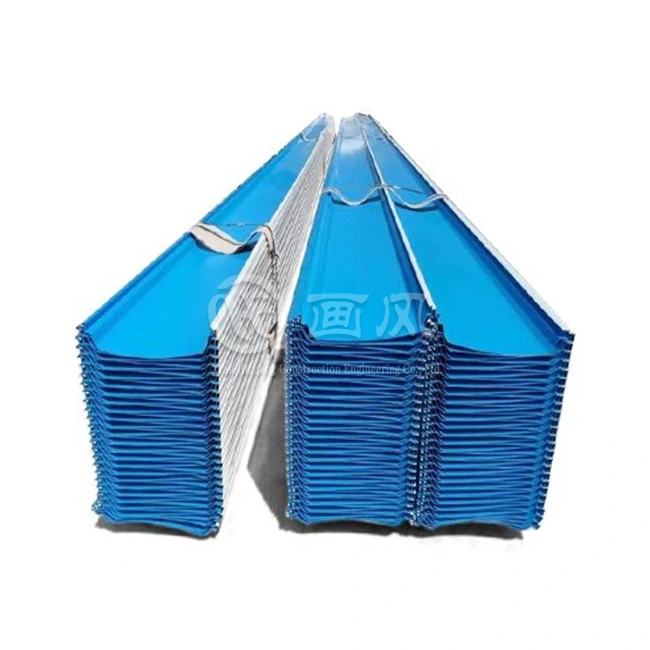
Coordination of material delivery affects how well a job site works and how much space is needed for storage. Our rules for packing make sure that panels are safe during shipping and make unloading and staging more organized. Customized panel lengths of up to 13 meters need special shipping plans, which we set up through well-established logistics networks. We handle both domestic and foreign shipping for projects that meet our export standards in more than 100 countries. Post-delivery support includes technical consultation during installation. Our engineering team makes seaming specs, clip spacing calculations, and thermal movement details that are special to the shape of the building and the weather in the area. This expert help is especially helpful for projects with complicated roof shapes or situations where the roof and nearby building systems need to work together. Our 30-year guarantee on our goods gives you long-term peace of mind and shows that we trust the quality of the materials.
Investment Rationale for Mission-Critical Infrastructure Projects
To get budget approval for big building projects, you need to show a clear return on investment through lifecycle cost analysis instead of just looking at the lowest price. Angle Lock Standing Seam Roof Panels are more expensive to buy, but they have measurable performance benefits that lower the total cost of ownership.
Total Cost of Ownership Analysis
The longer service life of 40 years or more and low maintenance needs completely change the lifecycle costs compared to options with shorter lives. Even though the original prices of materials may be 30–50% higher than those for membrane or shingle systems, the savings are huge because the systems don't need to be replaced as often. If a convention center or transportation hub doesn't have to repair its roof even once in 50 years, it saves hundreds of thousands of dollars in material, labor, and business disruption costs. Maintenance intervals are much less common and less invasive than other options. During yearly checks, the main tasks are to remove garbage and make sure that drainage parts stay clear. The corrosion-resistant materials and protected coatings we use stop the damage that needs to be fixed too soon, so site managers can spend their upkeep money on other parts of the building instead of constant roof repairs. Energy efficiency also helps save money over time by lowering cooling loads in conditioned areas.
Risk Mitigation and Performance Assurance
When roofing fails on big public buildings and business complexes, they risk their image and money when operations are interrupted or safety risks arise. The watertightness of mechanically seamed systems pretty much removes the worst-case situations for leaks that can happen with old membrane roofs. This dependability is very important for buildings that store sensitive equipment, keep transportation running smoothly, or protect expensive interior finishes. Independent testing that certifies wind lifting resistance gives written proof for insurance pricing and code compliance checking. When working on projects in hurricane-prone areas, hidden clip systems are better because they have stronger attachments and spread wind loads across the structure grid. Fire protection is another benefit, as Class A fire ratings are given to non-combustible metal surfaces, which is the best rating that can be given. This performance characteristic is especially important for buildings that house key equipment that needs to keep running during disasters.
Conclusion
Angle Lock Standing Seam Roof Panels offer real benefits in the performance areas that matter most to people involved in business construction: durability, weather protection, installation efficiency, and overall value over time. The mechanical seaming technology fixes basic problems with other designs while taking into account the way heat moves, which is a problem with through-fastened systems. Long-term performance is based on the quality of the materials, the protective coats, and the accuracy of the manufacturing process. This means that choosing the right source is just as important as specifying the system. Metal standing seam solutions are a great choice for projects that need reliable weatherproofing, low upkeep, and long service life.
FAQ
1. What distinguishes angle lock seaming from double lock configurations?
Angle lock systems make a 90-degree fold that forms an L-shaped profile at the panel joint. This gives the product clean lines that are good for steep slopes and building surfaces. When you use a double lock design, the seam is crimped through an extra 180-degree twist. This makes the joint more compact and strengthens the structure for low-slope installations that will be exposed to heavy snow loads or strong winds. The type of seam should match the pitch of the roof and the needs of the surroundings.
2. Can metal roofing accommodate solar panel installations without compromising warranties?
Standing seam designs make it possible for solar mounting systems that don't need to go through the roof to connect to the raised seam using special clamps. This way of mounting keeps the waterproof integrity needed for guarantee coverage and makes it easier to add green energy. Metal panels can usually support spread solar loads without extra roof strengthening because of their structural strength.
3. How does thermal movement affect panel performance?
When the temperature changes, metal roofing grows and shrinks a lot. A 100-foot panel may move more than an inch from season to season. Covered clip systems allow for this movement by controlling sliding at the fastener points. This stops the buildup of stress that makes through-fastened panels bend or tear at fixed screws. Choosing the right clips and leaving enough space between them is essential for controlling heat dynamics in different temperature zones.
Partner With HF for Your Next Large-Scale Roofing Project
Xi'an Huafeng Construction Engineering Co., Ltd. is ready to help you with your business roofing needs. Their manufacturing skills have been used in meeting centers, transportation hubs, and educational buildings around the world. Our streamlined process includes making the raw materials, carefully rolling them out, and checking the quality of every step to make sure that the standing seam metal roofing systems we provide meet the strictest project requirements. As a qualified maker of Angle Lock Standing Seam Roof Panels, we can make changes to panel sizes, material grades, and coating systems. Our work is backed by 30-year warranties and ISO9001, ISO14001, and SGS certifications. Email our technical team at huafeng@hfmetalroof.com to talk about your project needs and get full specs made to fit your building's shape and climate.
References
1. American Society for Testing and Materials. "ASTM E1646-16: Standard Test Method for Water Penetration of Exterior Metal Roof Panel Systems by Uniform Static Air Pressure Difference." ASTM International Standards, 2016.
2. Metal Construction Association. "Technical Bulletin: Design and Installation of Metal Standing Seam Roof Systems." MCA Technical Publications, 2021.
3. National Roofing Contractors Association. "The NRCA Metal Panel and SPF Roof Systems Manual." NRCA Publications Department, 2020.
4. Lstiburek, Joseph W. "Metal Roofing and Building Science: Thermal and Moisture Control Considerations." Building Science Corporation Research Report, 2019.
5. Underwriters Laboratories. "UL 580: Standard for Tests for Uplift Resistance of Roof Assemblies." UL Safety Standards, 2018.
6. Reed Construction Data. "Lifecycle Cost Analysis of Commercial Roofing Systems: Comparative Study of Metal, Membrane, and Built-Up Alternatives." RSMeans Data Construction Intelligence, 2022.





YOU MAY LIKE