How Snap Lock Roofs Protect Your Property from Harsh Weather?
2026-04-20 15:50:54
The roofing system you choose has a lot to do with how well your business or industrial building will hold up when bad weather hits. A snap lock standing seam roof is one of the most durable options on the market today. It was designed to survive harsh weather conditions while still keeping its structural integrity. With its interlocking panels and hidden fasteners, this new metal roofing technology makes a constant shield against water damage, wind damage, and changes in temperature. These roofs allow for thermal expansion while keeping a watertight seal that protects your valuable assets for decades. They do this by not having any visible screws and instead using a floating clip system.

Understanding Snap Lock Standing Seam Roofs: Design and Functionality
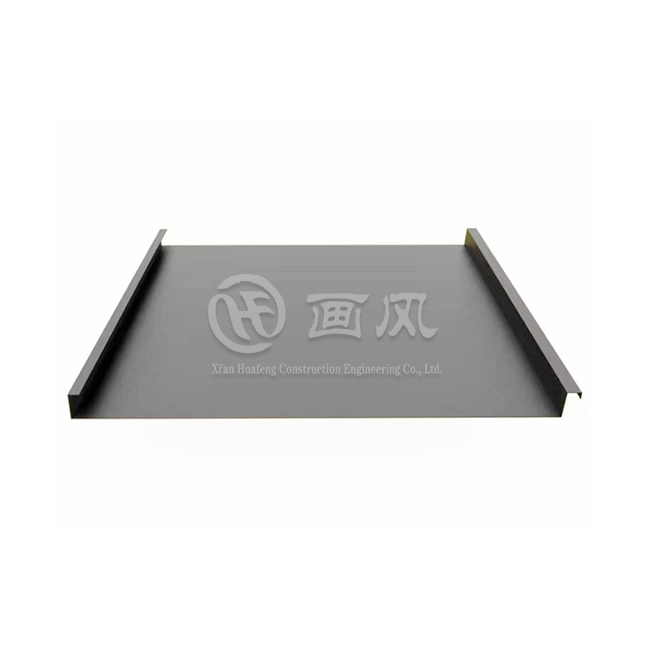
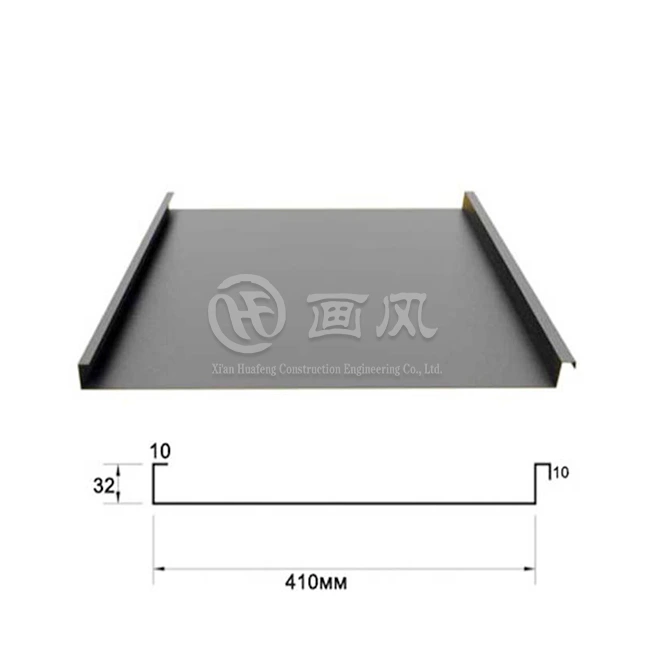
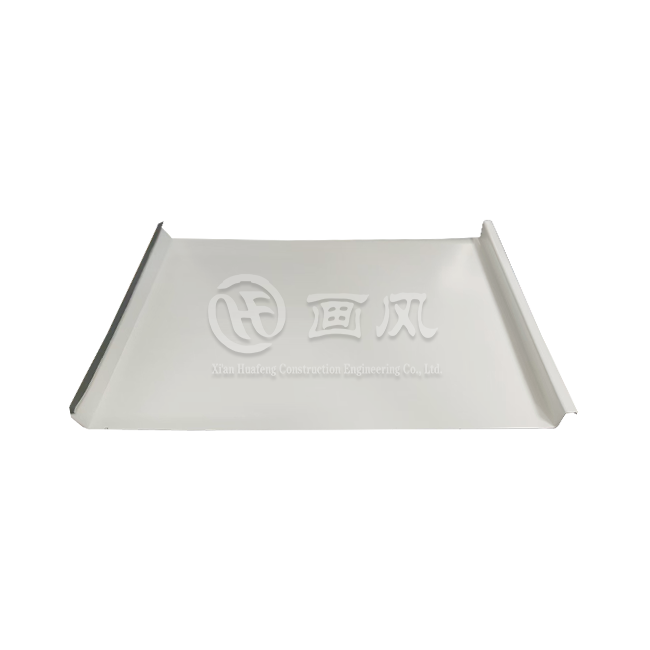
The physics behind snap lock standing seam roof systems is the result of decades of progress in metal roofing technology. Instead of using shingles that meet or screws that are visible, this design uses vertical metal pieces that snap together through sides that have been carefully cut.
The Interlocking Panel Architecture
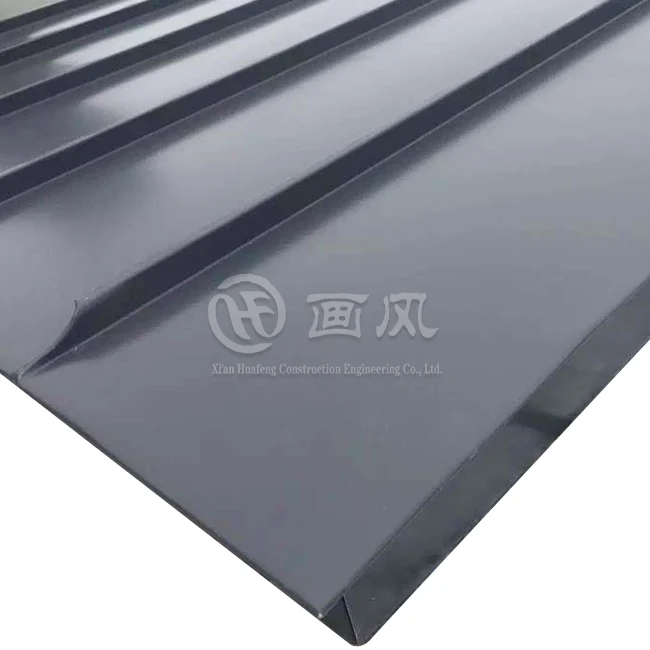
The male-female leg structure of this roofing system is what makes it so strong. Each panel has a raised seam (about 45 mm high for HF goods) that lets it fit together with panels next to it without the need for mechanical seaming tools. This makes vertical lines that don't meet, which move water away from the building frame. The metal panels can move around easily because the hidden clip system connects directly to the roof deck. This simple-looking design feature fixes a major problem with metal roofs that many people don't think about: thermal movement. Metal grows and shrinks as the temperature changes. Traditional screw-down methods don't let this natural movement happen, which over time can wear out the fasteners and create leak points.
Material Composition and Performance Standards
High-quality companies like HF use a variety of substrates to adapt to different weather situations. Galvalume steel, which is made up of 55% aluminum, 43.4% zinc, and 1.6% silicon, is about 2–6 times more resistant to rust than regular galvanized steel. This makes it perfect for most climates, especially those in the middle of the country with mild humidity. When used in seaside and high-humidity areas, aluminum metals are very useful. Aluminum walls lower structural stress and are better at resisting salt spray rusting because they have a density of only 2.7g/cm³. The material can be recycled over and over again, which helps meet environmental goals that are becoming more important to buying leaders.HF's standing seam panels come in a range of widths, from 0.5mm to 1.2mm, and are certified to meet foreign standards such as ASTM, DIN, JIS, BS, and GB/T. Because the width can be changed, engineers can choose the right gauge levels based on the wind load and the distance between the purlins.
Surface Coating Technology
High-tech coating methods add the last layer of weather defense. Polyvinylidene fluoride (PVDF) finishes are the best because they keep their color for more than 20 years with little chalking. These coats protect against UV damage, acid rain, and industrial pollution that break down less durable materials faster. Polyester (PE) coats are a cheap option for jobs that will be done in less harsh conditions. Even though they don't last as long as PVDF finishes, PE finishes still work well in controlled environments where cost is important. These covering technologies work together with the base material to make a strong defense against damage from the surroundings. As a result, the roofing system stays structurally sound and looks good for many years.
Weather Protection Benefits of Snap Lock Standing Seam Roofs
Normal roofing materials wear down over time when they are exposed to the elements, which happens all the time in commercial buildings. Snap lock standing seam roof systems protect against these dangers by having many built-in benefits that directly lead to lower upkeep costs and longer service life.
Superior Wind Resistance Capabilities
Wind damage is a major roofing risk, but snap lock systems reduce it through continuous seams and optimized clip spacing. Properly installed, they withstand winds over 60 m/s and achieve high resistance values. Their smooth, vertical seams minimize uplift compared to traditional systems with horizontal laps. Corrosion-resistant aluminum with PVDF coatings further improves durability, making these roofs especially effective in coastal and hurricane-prone environments.
Waterproofing Through Engineered Design
Snap lock systems act as hydrokinetic barriers, directing water off the roof and preventing infiltration. Raised seams block wind-driven rain, while hidden fasteners eliminate leak points common in screw-down systems. Long, continuous panels reduce horizontal joints, improving waterproofing. These roofs can perform on low slopes, offering flexibility where other systems fail, and ensuring long-term protection against water damage.
Snow Load Management and Ice Dam Prevention
Snap lock roofs handle snow effectively due to their smooth surfaces and vertical seams, which encourage snow shedding and reduce structural stress. They support significant snow loads depending on material thickness and spacing. Their thermal conductivity, combined with ventilation, helps prevent ice dams by maintaining consistent roof temperatures, avoiding melt-refreeze cycles common in other roofing systems.
Thermal Performance and Energy Efficiency
Standing seam roofs improve energy efficiency by reflecting up to 70% of solar radiation, reducing cooling demand. Air gaps between panels and roof decks enhance insulation, especially when combined with rigid insulation systems. These roofs meet strict energy codes and lower HVAC costs, contributing to long-term savings. Their performance aligns with sustainable building practices and supports environmentally responsible construction goals.
Snap Lock vs. Traditional Roofing and Other Seam Types: Making the Right Choice
Before you buy something, you need to know how the different roofing systems stack up in a number of performance areas. In a unique way, snap lock standing seam roof installations balance how easy they are to install, how much they cost over their lifetime, and how well they protect against the weather.
Comparison with Conventional Roofing Materials
Traditional roofing materials like asphalt and membranes cost less initially but require frequent maintenance and replacement. Weather damage accelerates deterioration, increasing long-term expenses. Standing seam roofs last over 40 years with minimal upkeep, resist fire and extreme temperatures, and maintain structural integrity. Their durability reduces lifecycle costs and ensures reliable long-term performance.
Mechanical Lock vs. Snap Lock Systems
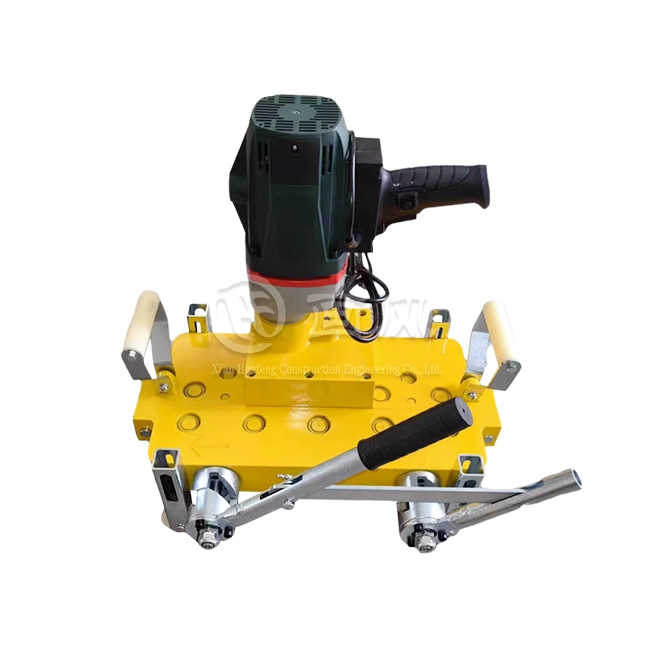
Mechanical lock systems provide strong wind resistance but require specialized tools and longer installation times. Snap lock systems offer similar protection with faster installation and less labor complexity. Their design allows easier repairs and modifications, making them more practical for large commercial projects where efficiency, flexibility, and reduced construction time are critical.
Cost-Benefit Analysis for Commercial Projects
Although standing seam roofs have higher upfront costs, they deliver long-term savings through reduced maintenance, longer lifespan, and energy efficiency. Insurance benefits and incentives in high-risk areas further improve value. Over decades, these savings outweigh initial expenses, making them a strong investment for commercial projects focused on durability and cost efficiency.
Installation and Maintenance Best Practices for Maximizing Weather Protection
Sometimes, even the best roofing system doesn't work as well as it should if it wasn't installed or maintained properly. By understanding key success factors, you can make sure that your investment in a snap lock standing seam roof protects you as much as it can.
Installation Precision and Quality Control
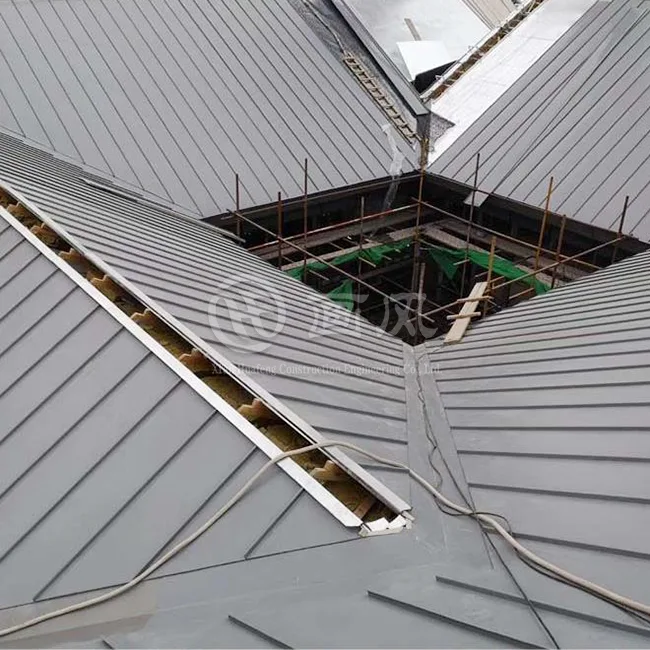
Accurate substrate preparation and proper clip spacing are critical for performance. Structural capacity must match expected loads, and corrosion-resistant fasteners prevent long-term damage. Panels must be fully engaged to maintain wind and water resistance. Careful detailing around penetrations and transitions ensures a complete weatherproof system, supported by professional installation practices and technical guidance.
Routine Inspection Protocols
Regular inspections identify early signs of damage, such as corrosion, seam issues, or loose fasteners. Drainage systems must remain clear to prevent water buildup, and sealants should be checked for aging. These routine checks extend roof life, reduce repair costs, and maintain performance. Documenting inspections supports maintenance planning and warranty claims.
Selecting and Procuring Snap Lock Standing Seam Roofs for Your Business
A successful procurement process for a snap lock standing seam roof takes into account many things, such as the specs of the materials, the skills of the suppliers, and the unique needs of the project. A structured review method makes sure that the best results are reached, which protects both short-term funds and long-term asset value.
Material Specification Criteria
Panel thickness depends on environmental conditions and structural needs. Material choice varies by location, with corrosion resistance being critical in coastal areas. Coatings affect durability and appearance, with PVDF offering superior performance. Proper specification ensures the roof meets both functional and aesthetic project requirements.
Supplier Evaluation and Quality Assurance
Supplier capabilities impact project success. Manufacturing capacity, certifications, and technical support ensure quality and timely delivery. Reliable suppliers provide engineering assistance and strong warranties, demonstrating confidence in product durability and performance.
Procurement Process and Order Management
Clear project specifications enable accurate material planning and cost control. Considering order quantities and pricing improves budget efficiency. Reviewing samples ensures quality and design alignment. Coordinated delivery schedules prevent delays and material damage, supporting smooth project execution and effective management.
Conclusion
Keeping business and industrial buildings safe from bad weather requires roofing systems that are reliable, long-lasting, and work well for a long time. A snap lock standing seam roof meets these needs with new connecting panel designs, high-quality materials, and cutting-edge covering technologies. The hidden fastener method gets rid of typical leak points and allows for thermal movement, which is what breaks down standard roofs. Your goods are safe in harsh conditions thanks to better wind protection, waterproofing, and snow load management. If you install and take care of these systems the right way, they will work reliably for more than 40 years. They come with full guarantees that protect your investment. Choosing the right roofing system will determine whether your home can handle the elements or needs expensive fixes and replacement before it's time.
FAQ
1. How long do snap lock roofs last in severe weather climates?
Standing seam metal roofs with quality coatings that are put correctly usually last 40 to 50 years, even in places with harsh weather. Galvalume steel systems can last more than 50 years in mild conditions, while aluminum systems near the coast can withstand salt spray rusting for the same amount of time. HF's 30-year warranty shows that they are confident in the performance of the materials, but with proper care, the products usually last longer than the warranty terms.
2. Can snap lock systems be put on top of roofs that are already there?
Overlay installs are often possible, but it depends on the state of the roof and the structure's strength. This method lowers the cost of the job by getting rid of the need for tear-off and dumping fees. The current roof must be physically sound, sloped correctly, and not be falling apart too much. An engineering analysis shows that the roof can handle the extra weight of the metal roof plus the loads that are expected from snow and wind.
3. What kind of upkeep do these roofs require?
Compared to other types of roofs, standing seam metal roofs don't need as much upkeep. Every year, problems are found before they get worse by checking the state of the panels, the strength of the seams, the fixings, and the drainage systems. Cleaning drains and roof surfaces on a regular basis gets rid of garbage. If a building is in an industrial area and is subject to chemicals or airborne particles that break down coatings more quickly, it may need to be inspected more often.
Partner with HF for Superior Snap Lock Standing Seam Roof Solutions
Your business building should have a roof that protects it and is backed by excellent craftsmanship and technical know-how. HF offers a full range of snap lock standing seam roof services through three dedicated plants that are stocked with over 40 specialized tools and seven production lines. Our snap lock panels are made to strict ASTM, DIN, JIS, BS, and GB/T standards and come in steel, aluminum, stainless steel, copper, and titanium zinc surfaces with thicknesses ranging from 0.5 to 1.2 mm. Our industry-leading 30-year guarantee protects every panel with a quality PVDF or PE finish in RAL and custom colors. As a manufacturer with a lot of experience in snap lock standing seam roofs, we can offer 1,000 tons of roofs every month and send them within 15 to 20 days, so your projects stay on track. Our engineering team is ready to help you with your design needs and installation plans, whether you're looking for roofs for a new building or a renovation. Email us at huafeng@hfmetalroof.com right away to talk about your project needs and get full specs that fit your surroundings and performance needs.
References
1. Metal Construction Association. "Technical Guidelines for Standing Seam Metal Roof Systems." Journal of Architectural Metal Systems, 2021.
2. American Society of Civil Engineers. "Minimum Design Loads and Associated Criteria for Buildings and Other Structures: Wind Load Provisions." ASCE 7-22 Standard, 2022.
3. Cool Roof Rating Council. "Metal Roofing Thermal Performance and Energy Efficiency in Commercial Applications." CRRC Technical Report Series, 2020.
4. National Roofing Contractors Association. "Metal Panel Roofing Systems Installation and Maintenance Manual." NRCA Guidelines Fourth Edition, 2021.
5. Building Envelope Consultants. "Lifecycle Cost Analysis of Commercial Roofing Systems." Construction Specifier Magazine, Vol. 74, 2022.
6. International Code Council. "Metal Roof System Design and Performance Standards for Weather Resistance." ICC Evaluation Service Report ESR-2018, 2023.





YOU MAY LIKE