Top High Seam Metal Roofing Materials Compared for Durability
2026-02-02 11:59:41
When your commercial warehouse roof fails during a crucial delivery season or your industrial facility faces costly downtime due to water infiltration, the consequences extend far beyond repair expenses. Choosing high seam metal roofing materials with proven durability becomes not just a construction decision but a business continuity strategy. This comprehensive comparison examines the most resilient high seam metal roofing options available today, evaluating how different materials perform under extreme weather conditions, their resistance to corrosion and thermal stress, and their long-term cost-effectiveness for commercial and industrial applications. Whether you're managing a manufacturing facility, overseeing a logistics center, or developing a high-end residential project, understanding the durability characteristics of aluminum, steel, copper, and zinc high seam metal roofing systems will guide you toward the optimal investment for your specific environmental challenges and performance requirements.
Understanding High Seam Metal Roofing System Performance
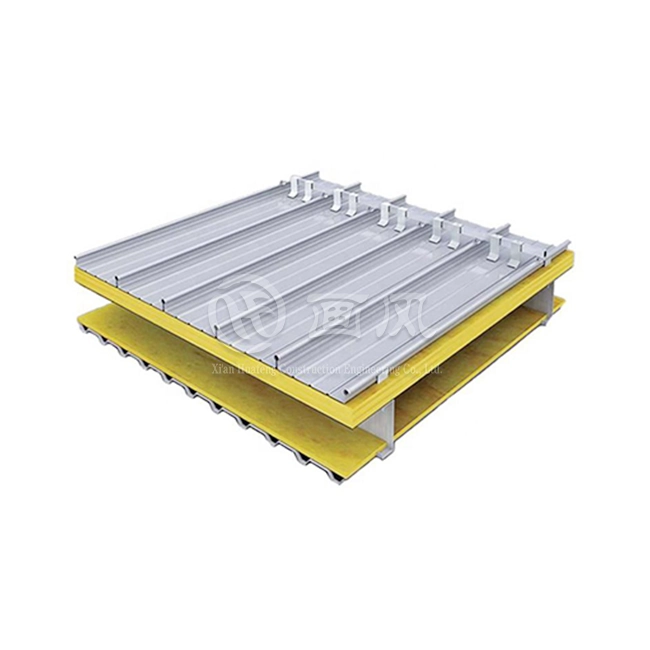
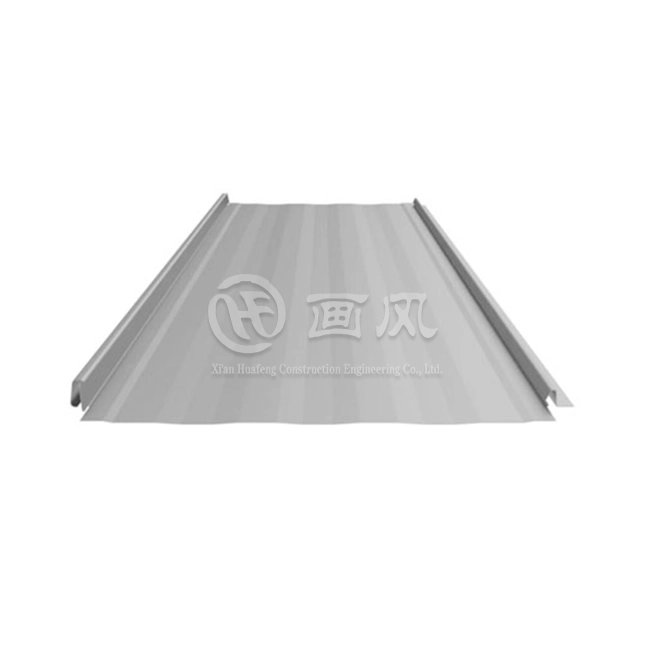
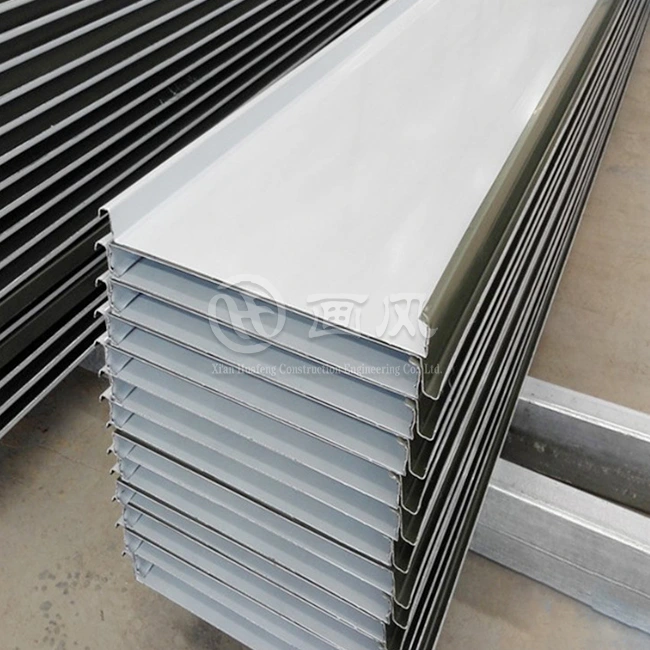
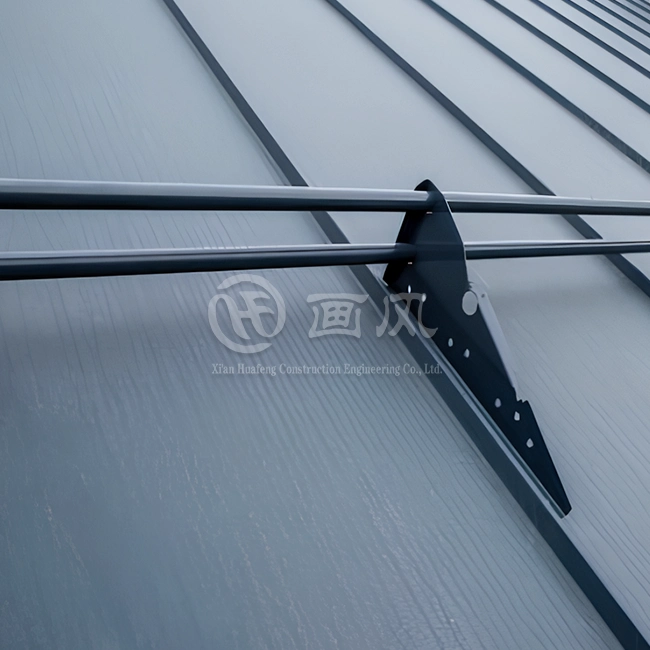
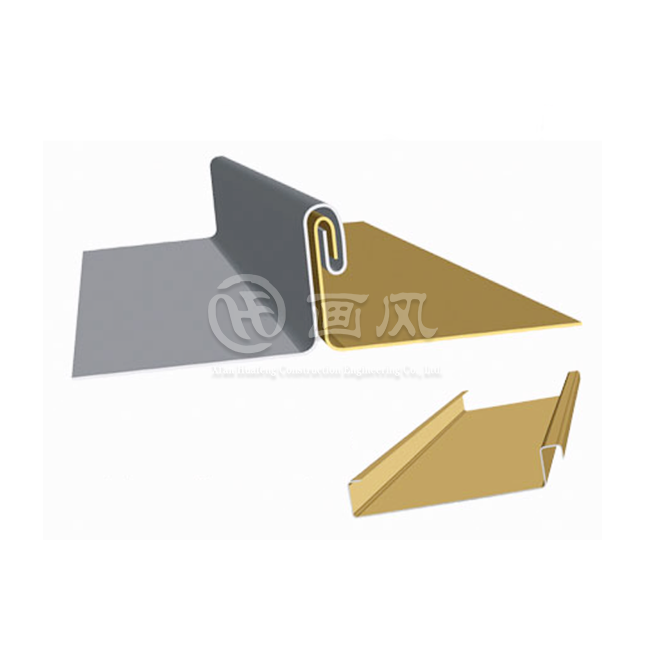
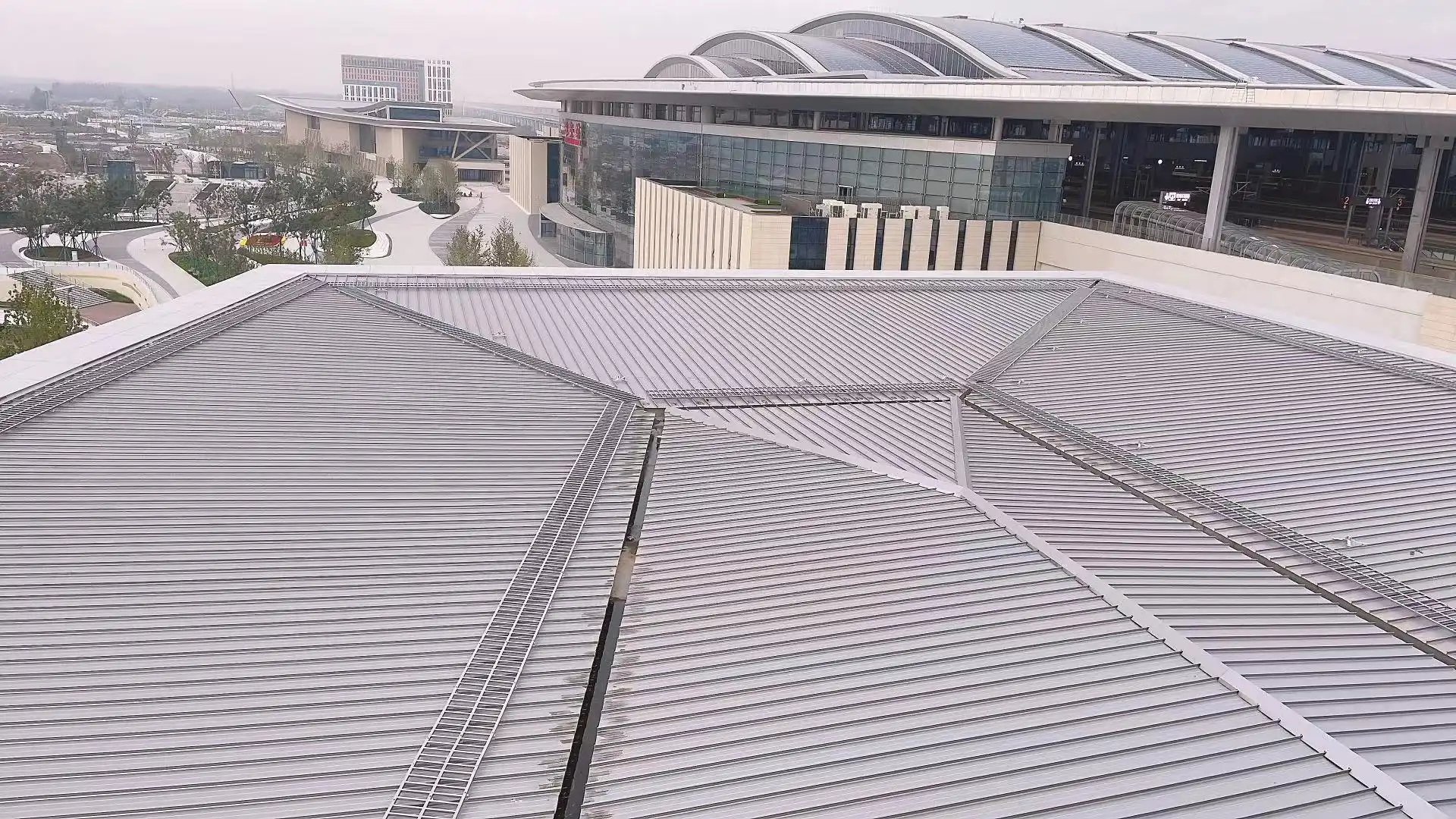
High seam metal roofing represents a premium category of standing seam systems characterized by elevated vertical ribs that typically range from 65mm and higher, creating superior weather resistance compared to standard profile panels. These raised seams serve multiple critical functions beyond aesthetics, including enhanced water shedding capabilities, increased structural rigidity, and improved resistance to wind uplift forces. The engineering behind high seam metal roofing involves precise calculation of thermal expansion coefficients, load-bearing capacity, and fastening methodologies that accommodate panel movement without compromising the building envelope integrity. Modern high seam metal roofing installations incorporate concealed clip systems that eliminate visible fasteners, thereby removing potential weak points where moisture penetration and fastener degradation could compromise long-term performance. The material selection for these systems directly impacts not only the initial installation cost but also the lifecycle maintenance requirements and ultimate service life, making the comparison between aluminum, galvanized steel, galvalume, stainless steel, copper, and titanium-zinc alloys essential for informed procurement decisions.
Material Composition and Structural Characteristics
The fundamental durability of high seam metal roofing begins with the base material composition and its inherent resistance to environmental degradation. Aluminum alloys used in commercial roofing applications typically include 3003, 3004, and 5052 grades, each offering distinct combinations of formability, corrosion resistance, and structural strength. The 3003 alloy provides excellent workability for complex architectural details, while 5052 alloy delivers superior strength properties suitable for high-wind zones and heavy snow load regions. Steel substrates for high seam metal roofing encompass several protective coating systems including G90 galvanized zinc coating, which provides 0.90 ounces of zinc per square foot of sheet surface, and advanced galvalume coatings combining aluminum and zinc for enhanced corrosion protection. Stainless steel options such as 304 and 316 grades eliminate coating requirements entirely through their chromium content, which forms a passive oxide layer that self-heals when scratched, though these premium materials command significantly higher material costs. Copper roofing systems rely on the metal's natural patination process, developing a protective verdigris layer over time that actually improves weather resistance while creating distinctive architectural character. Titanium-zinc alloys represent the most advanced material science in metal roofing, offering self-healing properties where the zinc carbonate patina fills minor scratches and maintains protection without requiring any applied coatings or maintenance interventions.
Coating Technology and Surface Protection Systems
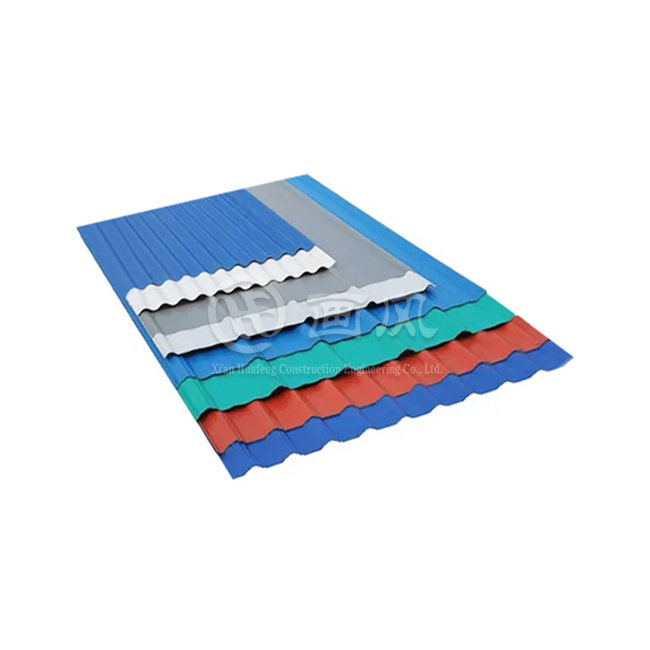
Beyond the base metal substrate, the applied coating systems fundamentally determine the long-term durability and maintenance requirements of high seam metal roofing installations. Polyvinylidene fluoride coatings, commonly marketed under tradenames like Kynar 500 and Hylar 5000, provide exceptional resistance to ultraviolet radiation, chemical exposure, and color fading, with performance data demonstrating minimal degradation after decades of exposure to harsh environmental conditions. These fluoropolymer coatings consist of approximately 70 percent PVDF resin combined with acrylic resins and pigments, creating a molecular structure that resists chalking and maintains gloss retention far superior to conventional polyester coatings. Standard polyester coatings, designated as SMP (silicone-modified polyester), offer adequate performance for moderate climates and budget-conscious projects, though accelerated weathering tests reveal significant differences in long-term color stability and gloss retention compared to PVDF systems. The coating application process itself impacts durability, with coil-coating methods applying finishes in controlled factory environments under precise temperature and humidity conditions, ensuring consistent film thickness and superior adhesion compared to field-applied paint systems. Film thickness specifications typically range from 0.8 to 1.2 mils for PVDF coatings, with thicker applications providing enhanced scratch resistance and extended service life, particularly in coastal environments where salt spray accelerates coating degradation. Advanced coating formulations now incorporate infrared-reflective pigments that reduce solar heat gain by up to 40 percent, simultaneously improving building energy efficiency and reducing thermal cycling stress that can contribute to metal roof seam repair needs over time.
Comparative Durability Analysis of Premium Metal Roofing Materials
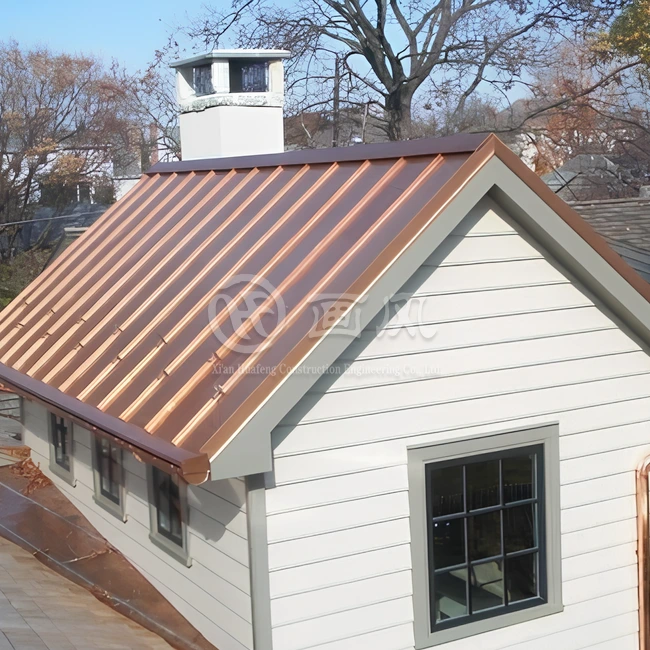
When evaluating high seam metal roofing materials strictly on durability metrics, the comparison must consider multiple performance factors including corrosion resistance, structural longevity, impact resistance, thermal expansion management, and maintenance requirements across diverse climatic conditions. Aluminum demonstrates exceptional corrosion resistance due to its natural oxide formation, making it ideal for coastal installations and chemical processing facilities where aggressive environmental conditions would rapidly degrade less resistant materials. The lightweight nature of aluminum panels, typically weighing 0.4 to 0.7 pounds per square foot depending on thickness specifications, reduces structural loading requirements but may require closer fastening intervals in high-wind zones to maintain adequate uplift resistance. Galvalume steel combines the strength advantages of steel substrates with the corrosion protection of aluminum-zinc alloy coating, offering performance data showing two to four times the service life of conventional galvanized steel in most exposure conditions. This material provides excellent load-bearing capacity for heavy snow accumulation regions and installations supporting rooftop equipment, with available thickness options from 24-gauge to 16-gauge accommodating diverse structural requirements. Copper roofing systems represent the premium durability option with documented service lives exceeding 100 years on historic structures, though the initial material costs typically run three to five times higher than premium coated steel alternatives. The material's natural antimicrobial properties prevent organic growth, while its malleability facilitates complex architectural detailing without compromising weather-tightness. Stainless steel provides comparable longevity to copper at somewhat lower material costs, with 316-grade alloys offering superior performance in marine environments and industrial settings where chemical exposure might compromise coated steel systems.
Weather Resistance and Climate-Specific Performance
The durability of high seam metal roofing materials manifests most critically in their ability to withstand specific climatic challenges without degradation or failure. In coastal environments, saltwater spray creates aggressive corrosion conditions that rapidly attack inadequately protected metal surfaces, making material selection paramount for achieving projected service life expectations. Aluminum and copper naturally resist saltwater corrosion through their protective oxide layers, while coated steel systems require premium PVDF coatings and galvalume substrates to achieve comparable performance in these demanding exposures. Wind resistance testing for high seam metal roofing systems evaluates panel seam strength, clip fastening capacity, and the interaction between roofing panels and structural substrates under simulated hurricane-force conditions. Properly engineered systems with mechanical seam configurations routinely achieve wind uplift ratings exceeding 200 pounds per square foot, far surpassing the performance of conventional roofing materials in extreme weather zones. Thermal cycling stress from daily and seasonal temperature fluctuations creates expansion and contraction cycles that can fatigue materials and compromise metal roof seam repair work if the system design fails to accommodate movement adequately. High-quality high seam metal roofing installations incorporate floating clip attachments that allow panels to slide longitudinally while maintaining weather-tight seam engagement, preventing the stress concentration that leads to fastener withdrawal and panel buckling. In regions experiencing heavy snow loads, the structural capacity of the base material becomes critical, with steel substrates generally providing superior load-bearing performance compared to aluminum alternatives of equivalent gauge thickness. Hail resistance varies significantly by material composition and panel profile configuration, with softer metals like copper showing visible denting from moderate hail events while harder materials such as galvalume steel maintain surface integrity through impacts that would destroy conventional roofing materials.
Longevity Expectations and Lifecycle Cost Analysis
Evaluating the true durability of high seam metal roofing materials requires analysis beyond initial performance metrics to consider the complete lifecycle costs including maintenance requirements, repair frequency, and ultimate service life before replacement becomes necessary. Premium copper installations routinely deliver 70 to 100 years of service with essentially zero maintenance beyond periodic inspections, though the substantial initial investment requires careful financial analysis to justify the lifecycle value proposition. Properly specified aluminum high seam metal roofing systems with PVDF coatings typically provide 40 to 50 years of reliable performance in most climatic conditions, with warranty programs from reputable manufacturers backing these longevity claims through extensive field performance data. Galvalume steel systems with premium coatings fall into similar service life ranges, generally offering 30-year paint warranties and substrate warranties extending to 40 years when proper installation standards and maintenance protocols are followed throughout the service period. The maintenance requirements for different materials vary significantly, with bare copper and weathering steel requiring virtually no intervention while coated systems benefit from periodic cleaning to remove accumulated debris and contaminants that can accelerate localized corrosion beneath the coating layer. Metal roof seam repair needs typically emerge first in systems using exposed fastener configurations where gasket degradation and fastener loosening create potential leak points, while properly engineered standing seam and high seam configurations with concealed fasteners eliminate these common failure modes. Lifecycle cost modeling that incorporates energy savings from reflective coatings, reduced HVAC equipment sizing due to lower heat gain, and extended service life often demonstrates that premium high seam metal roofing materials deliver superior value despite higher initial installation costs compared to conventional alternatives requiring replacement every 20 to 25 years.
Material Selection Criteria for Commercial and Industrial Applications
Selecting the optimal high seam metal roofing material for commercial and industrial projects demands comprehensive evaluation of site-specific conditions, building occupancy requirements, budget constraints, and long-term facility management strategies. Manufacturing facilities with corrosive chemical processes require materials and coatings specifically rated for chemical resistance, often necessitating stainless steel substrates or specialized coating systems beyond standard PVDF formulations. Warehousing and distribution centers prioritizing lifecycle cost optimization typically benefit from galvalume steel systems with premium coatings, balancing excellent durability with moderate material costs across large roof areas where premium materials would substantially impact project budgets. Food processing facilities and pharmaceutical manufacturing operations may specify stainless steel or aluminum materials to meet strict hygiene standards and avoid potential contamination concerns associated with coating degradation. The architectural vision for high-profile commercial developments often drives material selection toward copper or zinc options that develop distinctive patina finishes, creating signature building identities that justify premium material investments through enhanced property values and tenant appeal. Structural considerations including existing building load capacity, roof slope limitations, and thermal performance requirements influence material selection, with lightweight aluminum systems enabling metal roof installations on structures unable to support heavier materials without costly reinforcement. Regional availability of qualified installation contractors familiar with specific material systems affects material selection, as improper installation techniques can negate the inherent durability advantages of premium materials through poor workmanship that creates leak points and accelerates degradation. Warranty requirements from building owners or financing institutions may mandate specific material grades, coating systems, and installation standards, effectively narrowing the selection criteria to materials and manufacturers providing the required performance guarantees and financial backing.
Installation Methodology and Long-Term Performance
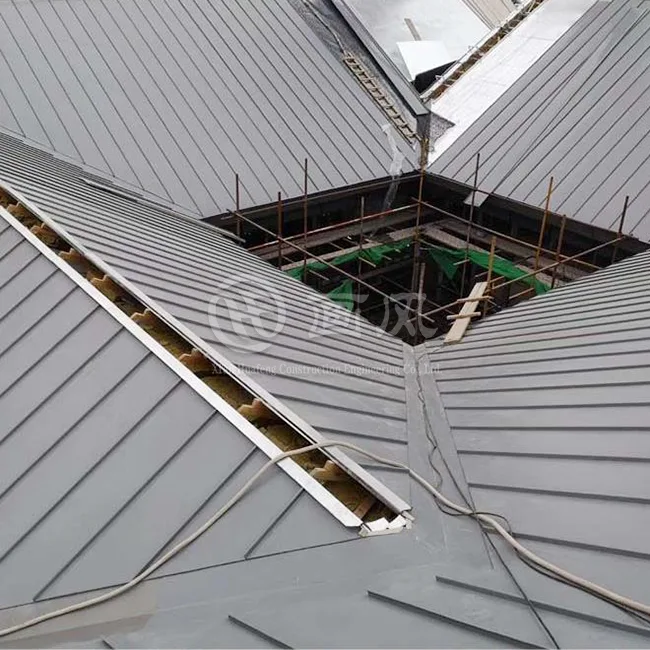
The durability achieved from high seam metal roofing materials depends critically on proper installation techniques that ensure panels are correctly aligned, fastened, and sealed to maintain weather-tight integrity throughout the service life. Panel length optimization considers thermal expansion characteristics of different materials, with aluminum requiring greater accommodation for movement compared to steel alternatives due to its higher coefficient of thermal expansion. Professional installers with specialized training in high seam metal roofing systems understand the importance of clip spacing, fastener torque specifications, and seam engagement requirements that vary by manufacturer and material specification. Field fabrication capabilities using portable roll-forming equipment enable custom panel lengths that eliminate horizontal seams and reduce potential leak points, though this approach requires experienced operators to maintain consistent quality across hundreds of feet of continuous panels. Substrate preparation including proper underlayment selection, insulation installation, and moisture barrier integration fundamentally affects the long-term performance of metal roofing assemblies, with inadequate preparation leading to condensation issues, thermal bridging, and premature material degradation. Flashing details at roof penetrations, wall transitions, and valley intersections represent the most critical areas for preventing water infiltration and require careful attention to compatibility between dissimilar metals to avoid galvanic corrosion that can necessitate premature metal roof seam repair interventions. Quality control during installation through progressive inspections and testing verifies proper seam engagement, adequate fastener installation, and correct detail execution before concealment prevents future verification, making thorough documentation essential for warranty compliance and future maintenance planning. Advanced sealant technologies and gasket materials specifically formulated for metal roofing applications provide additional protection at critical junctions, though proper design should never rely primarily on sealants for weather protection as these materials degrade more rapidly than the metal components they supplement.
Advanced Applications and Emerging Technologies in Metal Roofing
Contemporary high seam metal roofing systems increasingly integrate with building technologies that extend beyond traditional weather protection functions to provide comprehensive building envelope solutions. Solar-ready roof designs incorporate specific clip systems and panel profiles that accommodate photovoltaic mounting hardware without penetrating the weather barrier, enabling renewable energy integration while maintaining roof warranty coverage and eliminating potential leak points associated with conventional solar attachment methods. Cool roofing technologies combining highly reflective PVDF coatings with thermally emissive pigments reduce roof surface temperatures by 50 to 70 degrees Fahrenheit compared to conventional dark-colored materials, significantly lowering cooling loads and contributing to LEED certification points for sustainable building design. Acoustic performance enhancements through insulated panel systems and specialized underlayment products address noise transmission concerns in mixed-use developments and urban locations where metal roofing's inherent sound transmission characteristics might otherwise limit application suitability. Prefabricated panel systems with factory-applied insulation and vapor barriers streamline installation schedules and ensure consistent thermal performance across large commercial projects, reducing field labor costs and weather-related construction delays. Smart building integration enables embedded sensors within roof assemblies to monitor moisture intrusion, structural movement, and thermal performance in real-time, providing facility managers with early warning of potential issues before significant damage occurs or metal roof seam repair becomes necessary. Drone inspection technologies and thermal imaging surveys identify specific problem areas across expansive roof installations without requiring costly scaffolding or lift equipment, enabling proactive maintenance interventions that extend system service life. Recycled content in aluminum and steel roofing materials reaches 95 percent and 70 percent respectively in many products, supporting circular economy principles while maintaining full performance characteristics, and these materials remain fully recyclable at end of service life without quality degradation.
Conclusion
Selecting among high seam metal roofing materials requires balancing immediate project budgets against long-term performance expectations across specific environmental exposures. Aluminum, galvalume steel, copper, and stainless steel each deliver exceptional durability when properly specified and installed, with material selection ultimately depending on your facility's unique requirements. Investment in premium materials and professional installation from qualified contractors like Xi'an Huafeng Construction Engineering Co., Ltd. ensures decades of reliable weather protection with minimal maintenance intervention.
Cooperate with Xi'an Huafeng Construction Engineering Co., Ltd.
As a China High Seam Metal Roofing manufacturer with recognized high-tech enterprise status in Shaanxi Province, Xi'an Huafeng Construction Engineering Co., Ltd. delivers comprehensive metal roofing solutions from initial design through final installation. Our three strategically located factories spanning 200,000 square meters in Anhui, plus processing facilities in Hangzhou and Xi'an, operate seven color coating production lines and over 40 precision manufacturing machines producing High Seam Metal Roofing for sale to commercial, industrial, and public building projects worldwide. Established in 2018 with first-level building curtain wall qualifications and third-level steel structure credentials, we manufacture aluminum-magnesium-manganese plates, titanium-zinc plates, and color-coated steel products meeting ASTM, DIN, JIS, BS, and GB/T international standards. Our engineering team provides structural 3D modeling, load analysis, drainage system simulation, and complete project drawing development, while our quality control protocols ensure every High Seam Metal Roofing panel undergoes rigorous appearance inspection, dimensional verification, salt spray testing, adhesion evaluation, and weathering analysis before shipment. We offer High Quality High Seam Metal Roofing with thickness options from 0.5mm to 1.2mm, PVDF or PE surface treatments, customized RAL colors, and seam heights of 65mm providing superior weather resistance backed by 30-year warranties. As your China High Seam Metal Roofing supplier and China High Seam Metal Roofing wholesale partner, we deliver competitive High Seam Metal Roofing price structures with minimum orders of 500 square meters, production capacity of 1,000 tons monthly, and delivery timelines of 15-20 days. Our comprehensive one-stop service encompasses material procurement from premium brands including Alucosuper, BAOSTEEL, and NedZink, precision roll-forming, customized packaging with installation-sequenced numbering, on-site construction guidance, and post-installation maintenance support. With over 20 registered patents, ISO9001, ISO14001, and SGS certifications, plus successful project completion at Xiongan Station, Xi'an International Convention Center, and Inner Mongolia Tongliao Art Museum, we combine engineering expertise with manufacturing excellence. Contact our team at huafeng@hfmetalroof.com to discuss your project requirements and receive detailed technical specifications tailored to your specific application.
References
1. Metal Construction Association. "Guidelines for Standing Seam Metal Roof Systems." Technical Manual for Architectural Metal Roofing Applications.
2. American Society for Testing and Materials. "Standard Specification for Steel Sheet, Zinc-Coated (Galvanized) or Zinc-Iron Alloy-Coated (Galvannealed) by the Hot-Dip Process." ASTM International Standards.
3. National Roofing Contractors Association. "The NRCA Metal Panel and SPF Roof Systems Manual." Professional Installation Standards and Best Practices.
4. Cool Metal Roofing Coalition. "Energy Performance and Life Cycle Cost Analysis of Cool Metal Roofing Systems." Research Report on Thermal Performance and Building Energy Efficiency.
5. Architectural Precast Association. "Durability of Metal Roofing Materials in Various Climate Conditions." Comparative Study of Material Performance and Longevity.





YOU MAY LIKE