The Future of Roof Design: Snap Lock Standing Seam Systems
2026-04-29 14:59:12
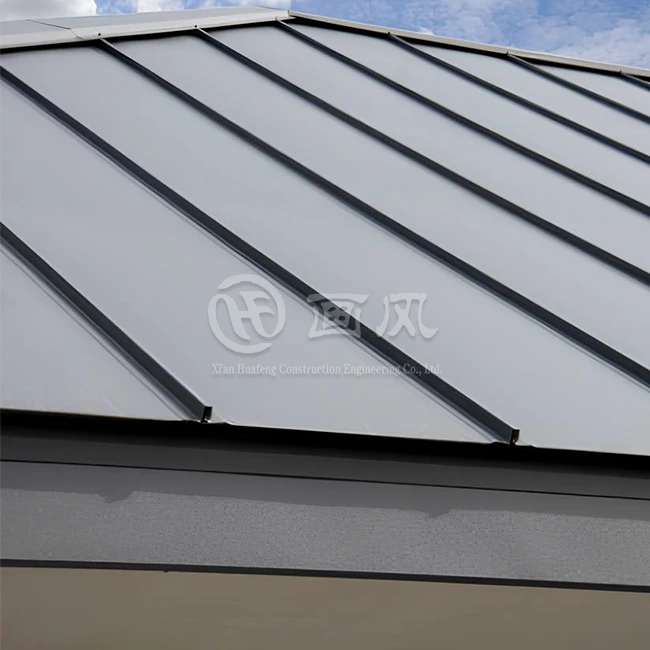
Performance, sustainability, and economy are all coming together in a way that will change the roofing business. This change is shown by snap lock standing seam roof technology, a method made to solve the main problems that builders, developers, and procurement professionals have. Unlike older roofing methods that use visible fasteners that can rust and leak, this modern metal roofing system uses a hidden clip system that lets panels fit together perfectly. The design allows for thermal expansion while keeping the structure strong. This creates a waterproof shield that can stand up to harsh weather, from scorching heat to heavy snowfall. This new idea isn't just about how it looks; it changes the way we do business and industrial roofing jobs so that speed, durability, and lifecycle value are the most important things.

Understanding Snap Lock Standing Seam Roofing: Technology and Benefits
Core Technological Architecture
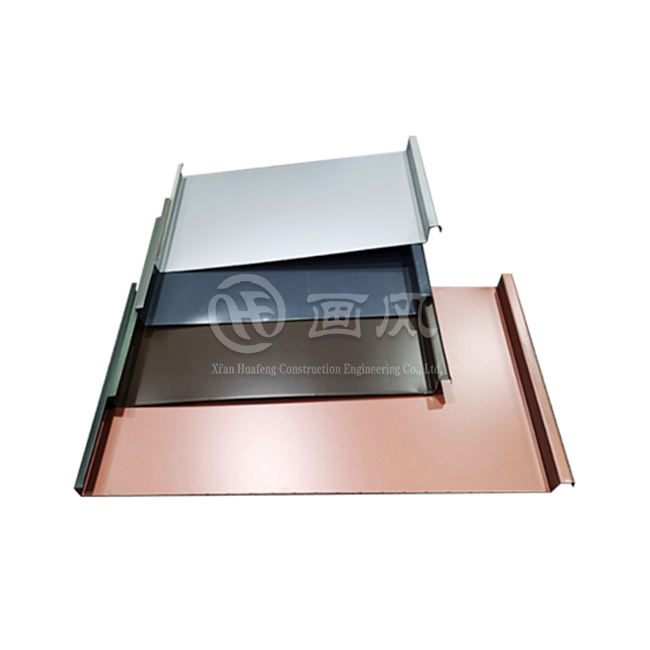
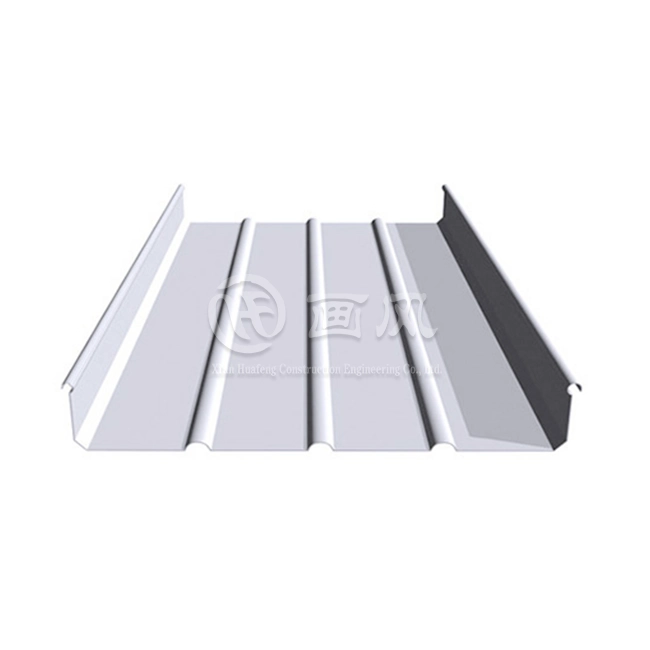
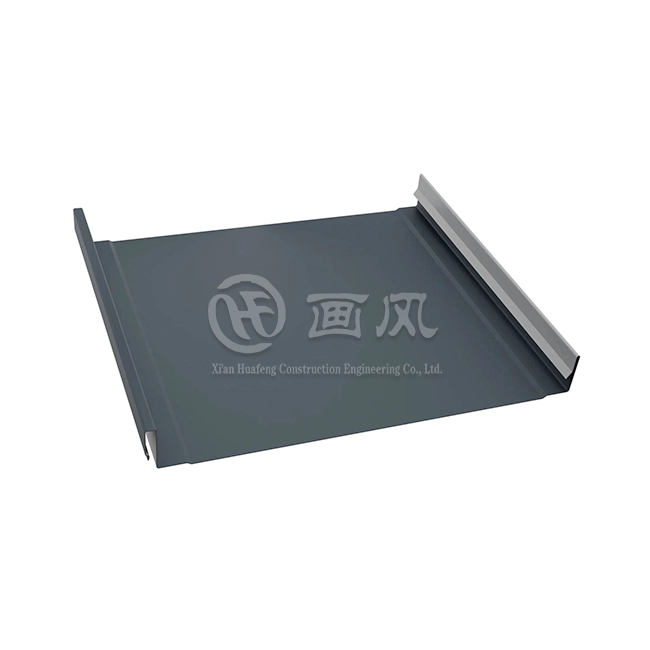
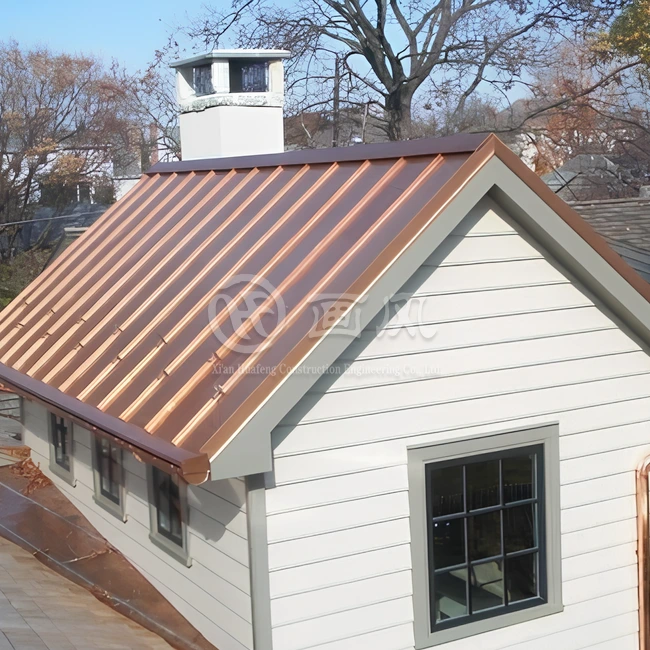
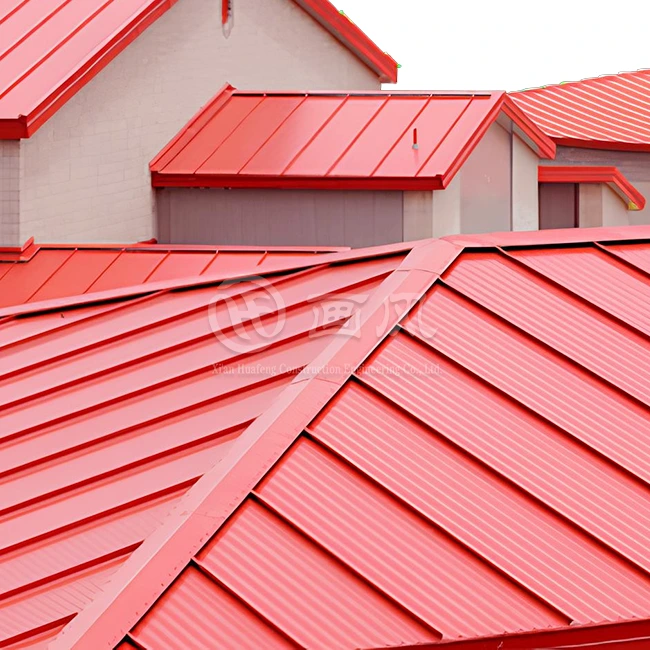
The smart engineering behind the snap lock standing seam roof system prioritizes speed and usability. Its male and female panel legs interlock automatically, eliminating the need for specialized seaming tools. Hidden clips secure panels to the roof deck while allowing thermal movement, preventing stress-related failures. HF panels feature 45 mm seams and use materials like aluminum, steel, and copper, with thicknesses from 0.5–1.2 mm. PVDF and PE coatings enhance durability, with PVDF maintaining color stability for over 20 years.
Material Performance Advantages
Material choice specifically impacts long-term execution. Galvalume steel, composed of aluminum, zinc, and silicon, offers up to six times the erosion resistance of galvanized steel and endures 30–50 a long time in direct climates. Aluminum performs outstandingly in coastal situations due to its moo thickness and erosion resistance, while also supporting recyclability and green building benchmarks. Premium materials like copper and titanium zinc frame characteristic defensive layers, whereas PVDF coatings guarantee long-lasting climate resistance and visual stability.
Energy Efficiency and Thermal Performance
Snap lock standing seam roofs improve building vitality productivity through intelligent coatings that diminish solar heat gain. When combined with appropriate separator, they can meet Cool Roof benchmarks and contribute to certifications like LEED and BREEAM. Warm development must be overseen carefully, as aluminum and steel grow at distinctive rates. Appropriate board plan and clip dividing permit development without harm, whereas built development joints guarantee framework soundness over extraordinary temperatures extending from -40°C to +80°C.
Snap Lock Standing Seam Roof vs. Other Roofing Systems: Making Informed Decisions
Comparative Analysis with Mechanical Seaming
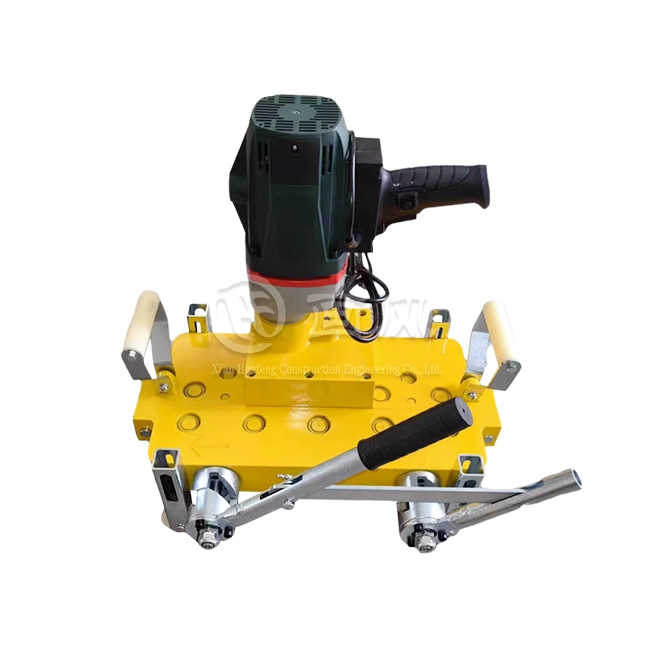
Mechanical standing crease frameworks utilize seaming apparatuses to make solid, double-locked joints perfect for extraordinary wind conditions, such as hurricane-prone zones. Be that as it may, they require talented labor, specialized hardware, and longer establishment times. Snap bolt frameworks offer speedier installation—30–50% quicker—and require negligible preparing, making them more open. Also, snap bolt boards can be evacuated and reinstalled without harm, not at all like mechanical creases, which lose keenness once opened.
Performance Against Exposed Fastener Systems
Exposed latch frameworks are at first more reasonable, with establishment costs 40–50% lower than concealed frameworks. Be that as it may, long-term execution is weaker, as UV introduction corrupts washers and leads to spills inside 10–15 a long time. Warm development moreover broadens clasp gaps, lessening climate resistance. Snap bolt frameworks maintain a strategic distance from these issues through covered up clips and adaptable board development, decreasing support needs by up to 60% over 30 a long time and advertising way better lifecycle fetched efficiency.
Economic Considerations for Large-Scale Projects
For commercial projects, evaluating total lifecycle cost is essential. Snap lock systems provide value through faster installation, reduced labor requirements, minimal maintenance, and long service life. HF supports large-scale demand with a production capacity of 1,000 tons per month and flexible order quantities starting at 500㎡. Delivery times of 15–20 days and customization options ensure project efficiency without compromising design requirements or timelines.
Installation, Maintenance, and Lifespan: What B2B Clients Should Know
Installation Process and Best Practices
Successful installation begins with proper substrate preparation, ensuring minimal surface deviation to avoid oil canning. Recommended substrates include plywood or metal decking with insulation. Clip spacing typically ranges from 12 to 24 inches, depending on environmental loads. Corrosion-resistant fasteners prevent galvanic reactions, while clip designs allow up to 15 mm of panel movement. Proper engagement of panel seams is critical, and quality checks ensure system integrity throughout installation.
Maintenance Protocols for Extended Service Life
Routine maintenance ensures optimal performance and longevity. Biannual inspections should assess seam engagement, clip condition, surface finish, and debris accumulation. In coastal areas, periodic rinsing helps remove salt deposits that accelerate corrosion. Snap lock panels are removable, allowing easy access for repairs or upgrades without damaging the system. This flexibility is particularly beneficial for buildings requiring frequent maintenance of underlying mechanical systems.
Material-Specific Lifespan Expectations
Lifespan varies by material and environment. Galvalume steel typically lasts 30–50 years but may degrade faster in coastal conditions. Aluminum systems exceed 50 years even in harsh environments, while stainless steel and copper can surpass 75 years with minimal maintenance. HF’s 30-year warranty covers material performance, finish durability, and corrosion resistance. With claim rates below 0.3% annually, the system demonstrates reliable, long-term performance backed by proven engineering.
Procurement and Market Insights: Navigating the Snap Lock Standing Seam Roof Supply Chain
Supplier Evaluation Criteria
Evaluating qualified suppliers requires a multi-dimensional approach that considers production capacity, certifications, and technical support. HF operates three factories with seven production lines and over forty specialized machines, ensuring stable supply for large-scale snap lock standing seam roof projects without compromising delivery reliability. Compliance with ASTM, DIN, JIS, BS, and GB/T standards, along with ISO 9001 and ISO 14001 certifications, ensures consistent quality and sustainability. Engineering support, including design guidance and installation advice, helps reduce errors and optimize performance.
Cost Structure and Budget Planning
Material costs vary based on substrate and finish. Steel with PE coating is the most economical, suitable for functional buildings, while aluminum with PVDF offers better durability for demanding environments. Premium materials like copper and titanium zinc are used for high-end projects. Snap lock standing seam roof systems reduce installation costs due to faster, simpler processes. Budget planning must include substrate preparation and accessories. Economies of scale lower unit costs for projects exceeding 5,000㎡, and HF’s transparent pricing avoids hidden expenses.
Global Supply Chain Considerations
Material costs vary based on substrate and finish. Steel with PE coating is the most economical, suitable for functional buildings, while aluminum with PVDF offers better durability for demanding environments. Premium materials like copper and titanium zinc are used for high-end projects. Snap lock standing seam roof systems reduce installation costs due to faster, simpler processes. Budget planning must include substrate preparation and accessories. Economies of scale lower unit costs for projects exceeding 5,000㎡, and HF’s transparent pricing avoids hidden expenses.
The Future of Snap Lock Standing Seam Roofs: Trends and Strategic Advantages
Material Innovation and Sustainability
New technologies for materials offer better performance while also being better for the earth. Advanced aluminum alloys with scandium and zirconium improve the strength-to-weight ratio, which lets smaller supports be used that use less material without affecting the function of the structure. These metals are also easier to shape, which lets you use more complicated architectural profiles and create more designs.
Coating technology keeps getting better than the old PVDF formulas. Self-cleaning finishes with photocatalytic qualities break down organic contaminants, so the look stays the same with little additional upkeep. Enhanced infrared reflectivity surfaces are better at blocking sun heat, which makes the energy efficiency of buildings even better. Bio-based coating resins made from green feedstocks lower embodied carbon, which helps meet carbon neutrality goals that are becoming more important in business growth.
Metal roofing systems are more environmentally friendly when recycling infrastructure is improved. Aluminum keeps all of its original qualities even after being recycled over and over again, which makes it possible to create a true circular economy. Recycling steel now recovers 95% of the material that goes into it, and new products often use more than 80% recovered steel. End-of-life material value helps cover disposal costs and lowers the environmental effect over its whole life. These are factors that are becoming more important in sustainable buying systems.
Installation Technology Evolution
Digital tools are changing how installations are done. Drone photogrammetry makes accurate models of roofs that allow for accurate estimates of material quantities and the production of custom panels before the project is moved to the site. Integrating Building Information Modeling (BIM) lets you specify snap lock standing seam roof systems with full accessory coordination, which finds any possible problems before they are installed. Mobile apps give workers instant access to technical specs, installation guides, and engineering help, which cuts down on mistakes and raises the quality of the first installation.
New technologies in panel production allow for more customization and faster lead times. Automated switching systems on roll-forming machines let them switch between shapes in minutes instead of hours, which makes it possible to affordably make small batches of custom orders. Integrated quality control systems that use machine vision check each and every square meter of production to make sure that the dimensions are correct and the finish is consistent. These new ways of making things make mass modification possible, which is what modern architecture calls for.
Market Dynamics and Strategic Partnerships
The business roofing market is still moving toward performance-based procurement, which means that long-term value is more important than beginning cost. When considering roofing options, smart buyers look at how much energy they will save, how much it will cost to maintain, how likely it is that the roof will leak, and when it should be replaced. This way of looking at things supports snap lock standing seam roof systems because they last longer and need less upkeep, which makes them a better overall value.
When makers, builders, and property owners work together in a strategic way, they create value that goes beyond just supplying materials. Through professional training programs, HF works with installation contractors to make sure that the skills of the staff keep up with the changes in products. Partnerships between property owners allow for proactive repair programs that extend the life of assets and collect useful field performance data that guides the creation of new products. When people work together, they create competitive moats that competitors who only do business with each other can't easily copy.
Conclusion
The snap lock standing seam roof shows the direction of roofing technology—systems made to work well, use resources efficiently, and last for a long time. This technology solves important problems like thermal movement, weather protection, installation speed, and the cost of ownership over a product's lifetime. Thanks to progress in material science, we now have a wide range of choices, from cheap steel to high-quality copper. Each one is tailored to meet specific performance needs and weather conditions. The installation method strikes a mix between speed and quality, which allows for large-scale business deployment without lowering the level of reliability. Building codes are changing to be more environmentally friendly and save energy. Snap lock systems put projects at the center of environmentally friendly building practices. When new materials, installation technologies, and smart supply partnerships come together, they can help contractors and developers set their work apart by providing better building envelope performance that provides measured value over longer service lives.
FAQ
1. What minimum roof pitch works with snap lock systems?
When used with the right flooring systems, snap lock standing seam roof systems usually need a slope of at least 1:12, which is about 4.8 degrees. Because it can handle fairly low slopes, the technology can be used in business buildings where roof pitches are limited by architecture. There are no technical issues with steeper slopes or uses that are vertical (90 degrees). Better waterproofing features at panel overlaps and penetrations help installs on lower slopes. Local snow load requirements and rainfall intensity trends that affect the need to evacuate water should be taken into account in project-specific suggestions.
2. How does thermal expansion affect panel length selection?
When the temperature changes, metal walls expand and shrink a lot, putting stress on hard fastening systems that they can't handle. snap lock standing seam roof systems have moving clips that let panels move easily. This keeps the fasteners from breaking or buckleing. Aluminum grows almost twice as fast as steel, so panels longer than 10 meters need to be carefully calculated. HF engineering gives specs for expansion joints for long panel runs, which keeps the system strong in temperatures from -40°C to +80°C. When you plan ahead, you can avoid expensive performance problems and keep the weather tightness up throughout the seasons.
3. Can snap lock panels be walked on during maintenance?
snap lock standing seam roof roofs can be walked on carefully, but the right way to do it will keep the panels from getting damaged. When you walk in the valleys between seams, your weight is spread out across the length of the panels instead of being concentrated on the edges of the seams. Rubber-soled shoes protect finishes from wear and tear. Aluminum gauges and steel frames that are heavier are better at stopping walkers than materials that are smaller. For roofs that need to be accessed often, marked walkway systems or fixed access paths keep workers safe and protect the roof's surface. This advantage of accessibility makes it easier to maintain mechanical equipment and update building systems over the life of the structure.
Partner with HF for Superior Snap Lock Standing Seam Roof Solutions
Xi'an Huafeng Construction Engineering Co., Ltd. can help you with your roofing jobs by producing a wide range of materials and providing technical advice. Our three plants run seven production lines with more than 40 specialized tools. Each month, they send 1,000 tons to help with projects of all sizes. We make snap lock standing seam roof systems out of aluminum alloy, steel, stainless steel, copper, titanium zinc, and stainless steel. The widths range from 0.5 mm to 1.2 mm, and the PVDF and PE finishes come in RAL and special colors. You can be sure that our products will work well for a long time because they come with a 30-year guarantee and meet ASTM, DIN, JIS, BS, and GB/T standards. We are a top maker of snap lock standing seam roofs, and we can deliver in 15 to 20 days with a minimum order quantity of 500㎡, or 1 ton. Email our team at huafeng@hfmetalroof.com to talk about the details of your project and find out how our engineering help and dedication to quality can make your next business or industrial roofing job better.
References
1. Metal Construction Association. (2022). "Guidelines for Concealed Attachment Metal Roof Systems: Engineering and Installation Standards." Technical Bulletin 402-22.
2. American Institute of Architects. (2023). "Architectural Metal Roofing: Material Performance and Lifecycle Analysis." Building Enclosure Technology and Environment Council Report.
3. National Roofing Contractors Association. (2021). "The NRCA Metal Roofing Systems Manual: Design, Materials, and Installation Practices." Third Edition.
4. Green Building Initiative. (2023). "Cool Metal Roofing: Energy Performance Documentation and Green Building Credit Contribution Analysis." Sustainable Construction Research Series.
5. Construction Specifications Institute. (2022). "MasterFormat Division 07: Thermal and Moisture Protection—Standing Seam Metal Roofing Systems." CSI Technical Standards Publication.
6. International Code Council. (2021). "Metal Roof System Performance Under Extreme Weather Conditions: Wind Uplift, Snow Load, and Seismic Testing Results." ICC Evaluation Service Technical Report ESR-3456.





YOU MAY LIKE