The Future of Roofing: Trapezoidal Standing Seam Systems
2026-04-29 14:59:15
The construction industry stands at a pivotal moment where traditional roofing methods face increasing scrutiny against modern performance demands. Trapezoidal standing seam roofing has emerged as a transformative solution, redefining expectations for commercial and industrial building envelopes. This advanced metal roofing system integrates structural efficiency with weatherproofing excellence, addressing critical pain points that procurement professionals encounter daily—from lifecycle cost management to sustainability compliance. Its raised trapezoidal profile and concealed fastening mechanism deliver unmatched reliability across diverse climatic zones, making it the preferred choice for warehouses, manufacturing facilities, and large-scale commercial developments seeking durability without compromise.
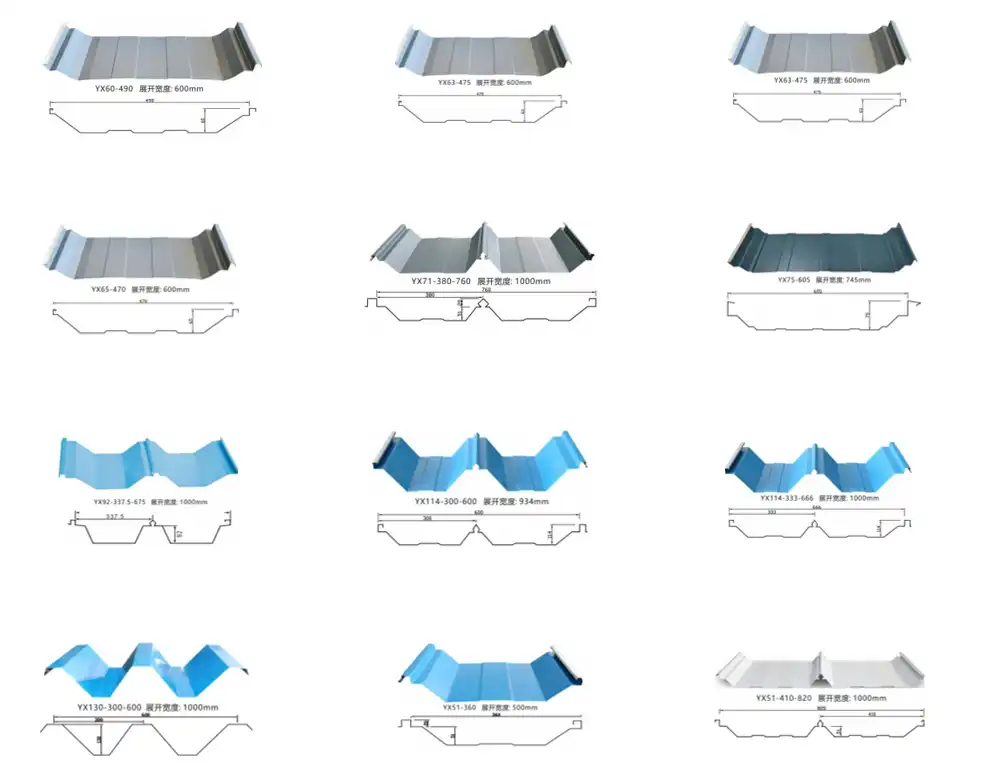
Understanding Trapezoidal Standing Seam Roofing: Design, Function, and Benefits
Understanding Trapezoidal Standing Seam Roofing: Design and Structural Features
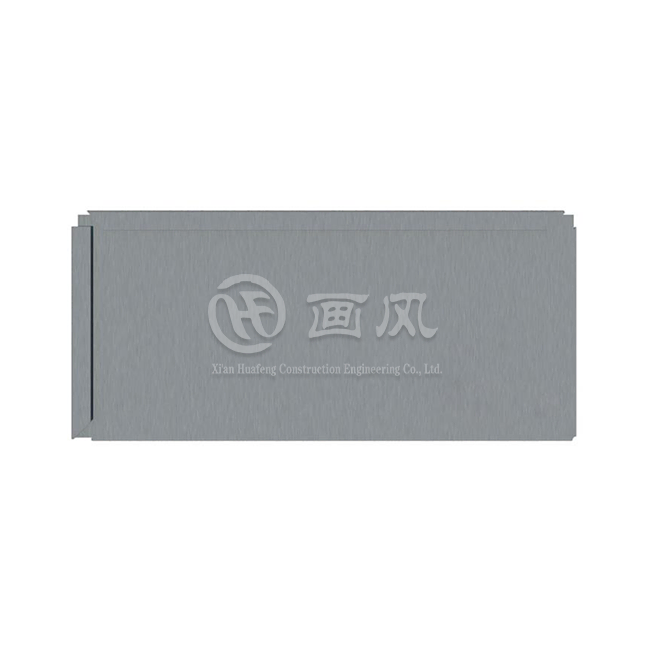
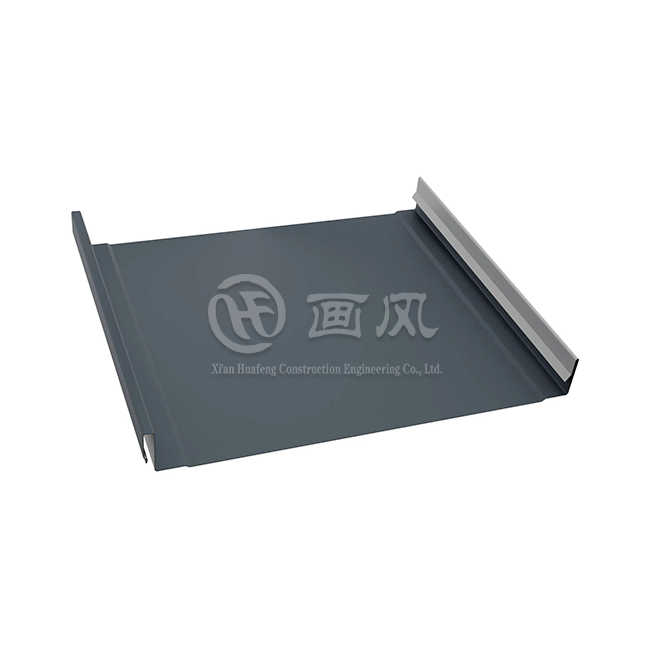
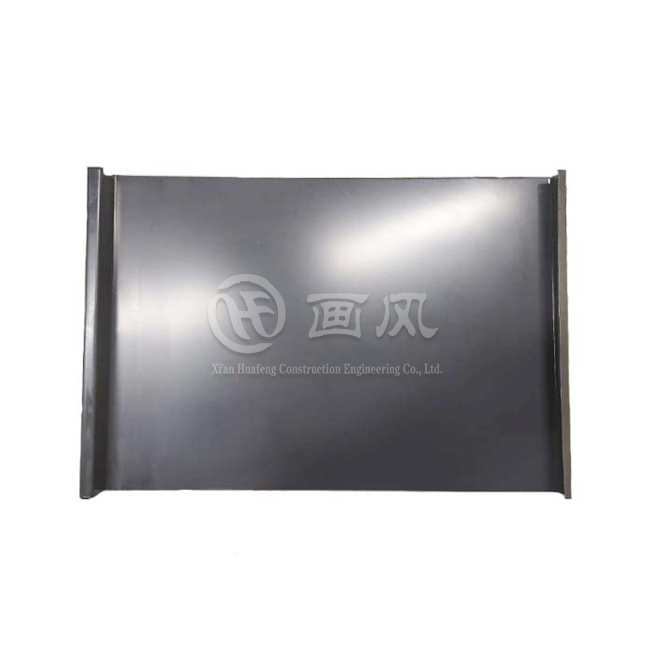
Metal roofing systems have come a long way, but the trapezoidal standing seam roofing is still one of the most complex ones. Instead of using visible bolts that can let water in, this system uses mechanical seaming technology where panels next to each other fit together through vertical ribs that are 50mm to 115mm high. As a result of the design, the structure is strengthened, and connection points are hidden under the panels. Hidden clip systems let materials expand and contract with temperature changes without putting stress on them, which is a huge benefit for places where temperatures change often.
Material Selection and Surface Protection Performance
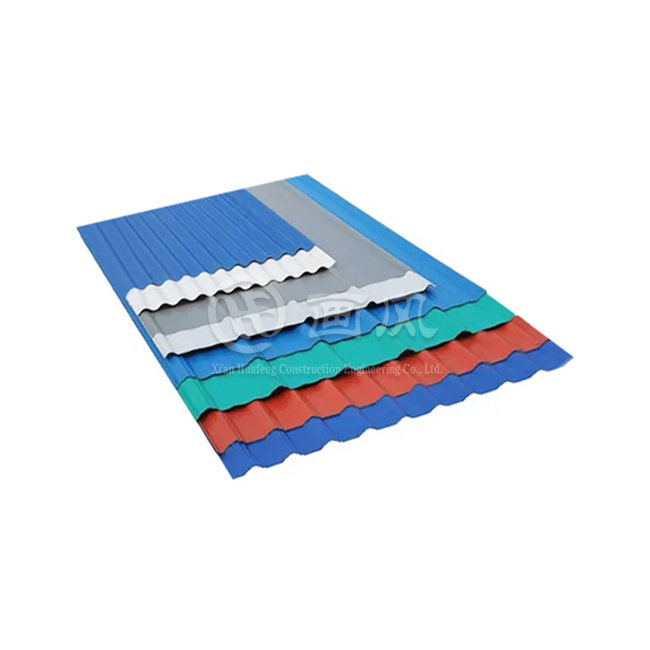
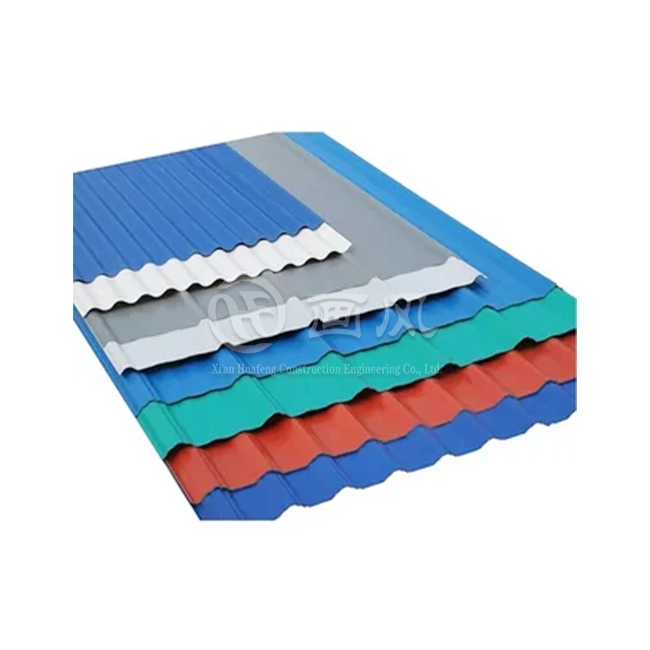
The choice of materials has a direct effect on how well the show goes. Aluminum alloy panels (3003 and 3004 series) are great for seaside areas or chemical processing plants because they are very resistant to rust and don't weigh much. Galvanized steel is strong and affordable for most industry uses, while stainless steel is strong and doesn't rust in places that work with acidic chemicals. Premium PVDF coats protect surfaces for more than 30 years, keeping colors consistent and not breaking down in UV light, which is important for named business campuses.
Structural Reliability and Practical Advantages
Getting real value is what drives procurement choices. The non-penetrating fitting method gets rid of the main problem with standard roofing: the fastener holes that let water in over time. With a static load capacity of more than 1.5 kN/m², the structure can handle repair workers walking on it and installing equipment without any problems. With wind pressure resistance values of up to 5 kPa, this system can be used in hurricane-prone areas where a roof failure would mean the end of a business for good.
Energy Efficiency and Long-Term Economic Value
Energy efficiency directly leads to cost saves in operations. The shape of the panel makes room for airflow that makes it easier to add insulation. This results in thermal values that lower HVAC loads by 15–25% compared to single-layer metal systems. When sun heat gain is combined with reflective coatings, it is greatly reduced. This is a real benefit for cold storage stores and temperature-controlled factory areas. Maintenance needs are still very low, usually just checks every other year and cleaning up afterward. This is in stark contrast to membrane roofs, which needs to be resealed every so often.
The effects on money go beyond the cost of installation. An study of all the costs that come up over the course of a product's lifetime shows that the original investment may be higher than other choices by 20 to 30 percent, but that the net savings from not having to replace parts every 30 years are close to 40 percent. Because of this, insurance companies offer lower rates for buildings with approved metal roofing systems, which is another way that the economy benefits.
Comparative Analysis: Trapezoidal Standing Seam Roofing vs Alternative Options
Performance Benchmarking Against Industry Standards
Decision-makers must compare roofing systems by performance. Architectural standing seam looks good but lacks span capacity for industrial purlin spacing. Corrugated panels are affordable but include many fastener penetrations that risk leaks over time. Flat seam systems suit complex shapes but increase labor and cost. Asphalt shingles are widely used but degrade, crack, and require replacement every 12–20 years, disrupting operations.
Trapezoidal standing seam roofing differs through efficient load distribution. Raised ribs act as continuous beams spanning between supports, enabling wider structural bays and reducing steel framework needs. This lowers total building costs and offsets material price differences. Its vertical seams improve drainage, maintaining performance on low slopes such as 1:12 pitch, where membrane systems often fail.
Material Durability in Real-World Conditions
Real-world exposure defines material performance. Trapezoidal standing seam roofing in coastal and storm-prone regions shows minimal degradation after long-term use. Proper mechanical seaming withstands wind loads beyond design limits, unlike screw-down systems where fasteners loosen. This reliability ensures structural integrity in demanding environments.
In cold regions, snow load management is critical. Strong panel structures resist deformation under heavy snow, unlike thinner materials. Seam-mounted snow retention systems control snow release without penetrating panels, protecting pedestrian and operational areas. This integration enhances safety and maintains roof durability under seasonal stress.
Chemical exposure testing confirms coated metal systems perform well in industrial environments. PVDF coatings resist fading, chalking, and corrosion, maintaining appearance and durability. This is especially important in facilities exposed to chemicals, where long-term aesthetics and performance support tenant retention and asset value.
Procurement Insights: Purchasing, Customization, and Installation Considerations
Supplier Qualification and Material Standards
Qualified suppliers ensure project success. Reliable manufacturers meet ASTM E1592 and UL 580 standards for structural and uplift performance. Material specifications should include adequate yield strength and verified coating thickness. These checks confirm that delivered products meet expected durability and performance requirements.
Minimum order quantities typically start around 500 square meters due to roll-forming setup efficiency. This suits mid-sized projects, while larger orders benefit from scale pricing. Lead times of 15–20 days align with schedules if planned early. Rush orders increase costs, making early procurement planning essential for budget control.
Customization extends beyond color selection. Panel width, rib height, and coating type can be tailored to project needs. Taller ribs enhance structural performance for industrial use, while moderate profiles balance aesthetics and function. PE coatings offer cost savings, while PVDF finishes provide longer durability and reduced maintenance.
Installation Variables Affecting Project Outcomes
Installation quality directly affects system performance. Mechanical seaming requires proper tools, with electric seamers ensuring consistency on long panels. Clip spacing and fastening torque must follow specifications to handle wind and thermal movement. Errors reduce structural integrity and may void warranties.
Contractor qualification is critical. Certified installers trained by manufacturers ensure proper techniques and consistent results. Project complexity, roof slope, and detailing affect labor time and cost. Accurate evaluation prevents delays and budget overruns while ensuring reliable installation outcomes.
Weather conditions influence installation schedules. Temperature affects panel expansion, requiring careful timing during fastening. Coordination with structural trades ensures substrates meet flatness standards, preventing panel distortion and ensuring proper seam engagement in trapezoidal standing seam roofing systems.
Future Trends and Strategic Value of Trapezoidal Standing Seam Roofing
Sustainability Integration and Green Building Synergy
Environmental requirements increasingly influence material selection. Trapezoidal standing seam roofing supports green building goals through recycled content, high solar reflectance, and full recyclability. Cool roof coatings improve energy efficiency, contributing to certifications and enhancing building marketability.
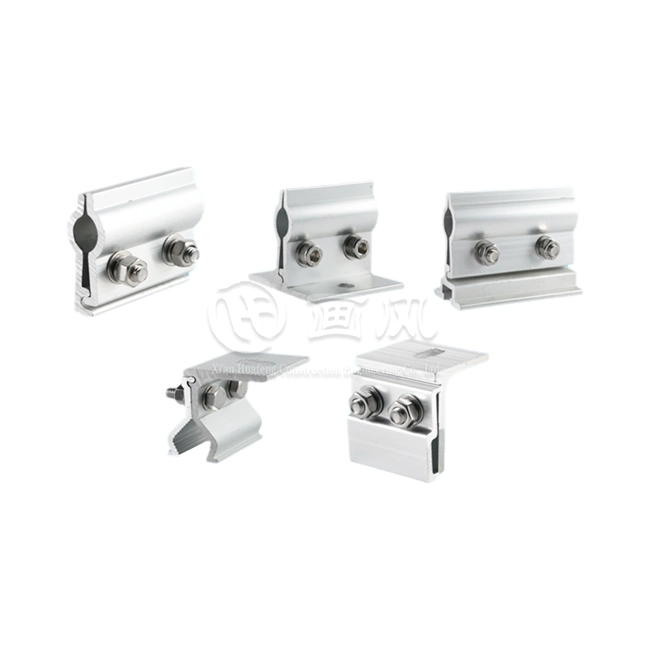
Integration with photovoltaic systems expands functionality. Raised seams allow non-penetrating solar mounting, preserving waterproofing while generating energy. This supports carbon reduction goals and lowers operational costs. Structural capacity must account for additional loads, where trapezoidal systems provide sufficient strength.
Technology Advancement Shaping Installation Methods
Supply chain dynamics affect pricing and availability. Steel prices fluctuate with market demand, while aluminum offers stability at higher initial cost. Procurement strategies like supplier agreements help manage risks and ensure consistent supply during market changes.
Digital manufacturing improves precision and efficiency. BIM integration and drone measurements enhance accuracy, reduce waste, and speed project timelines. These technologies improve quality control from design through installation, supporting better project outcomes.
Smart building integration adds new value. Sensors in roofing systems monitor conditions such as temperature and moisture, enabling predictive maintenance. This extends roof lifespan and improves performance. Metal roofing evolves from passive protection to an active component of building systems.
Warranty models are also evolving. Beyond standard material coverage, performance-based warranties guarantee long-term durability and weather resistance. These reduce financial risk for owners, making higher initial investment in trapezoidal standing seam roofing more justifiable over the building lifecycle.
Maintenance, Durability, and Performance Optimization for Longevity
Proactive Maintenance Protocols
Managing roof assets is what makes sure that the expected design life is met. Setting up check schedules every six months finds small problems like loose clips, sealant wearing away at penetrations, and garbage building up in valleys before they get worse. The time of inspections should match the changes of the seasons, especially reviews in the spring after winter and preparations in the fall before snow season. Keeping records of upkeep is important for guarantee claims and planning for the future.
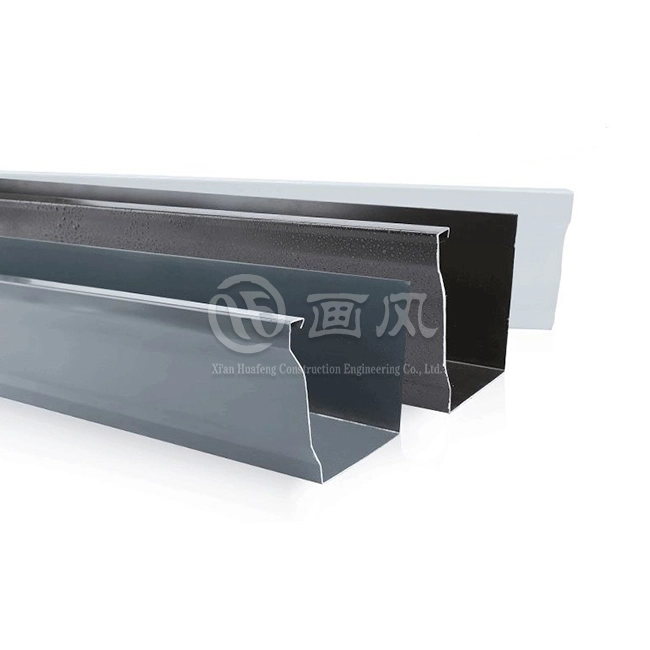
Most of the time, failures happen with secondary parts rather than the main covering panels. Flashing features at roof-to-wall changes are subject to different amounts of moving stress that need to be checked on a regular basis. For HVAC equipment and air systems, penetration curbs are possible leak paths that need to be sealed again every 7–10 years. Clearing out garbage from gutter systems that direct concentrated water flow is necessary to keep overflow situations from weakening the roof edge.
Performance improvement is more than just fixing problems when they happen. When coating replacement programs are used every 15 to 20 years, they restore surface protection and make the trapezoidal standing seam roofing last longer than was originally planned. These coating treatments add about 15 to 20 percent to the cost of repair while making the product last an extra 10 to 15 years. When replacing the roof causes problems with operations, the business case becomes strong for facilities planning to stay at the site for a long time.
Real-World Performance Validation
Documentation from industrial sites that shows cases backs up performance claims. A transportation center in the Midwest that is 200,000 square feet and was built with galvanized steel trapezoidal panels in 2008 is still in good shape after 16 years of use, during which time it has been through several severe weather events. Annual inspection reports show that the waterproofing has been kept, and only small touch-ups to the sealant have been needed. Monitoring energy use shows stable temperature performance without the usual loss of efficiency that comes with roofs that are wearing out.
Coastal areas have problems with rust that happen more quickly, so choosing the right material is very important. An aluminum alloy installation on a chemical processing plant in Florida, which is now in its 12th year, shows how valuable high-quality materials can be in tough situations. Even though it is exposed to salt air and sometimes gets hit by a tropical storm, the structure and build quality are still very good. The building escaped having to repair its roof twice, which would have been necessary with regular materials. This shows that the higher initial investment was worth it.
Retrofit uses show how flexible it is to deal with old technology. A factory from the 1980s with a built-up roof that was starting to fail switched to trapezoidal standing seam panels through a cover installation that kept the business running. The project fixed long-term leak problems, made the building look better, and cut cooling costs by 22% by making it more thermally efficient. These results show that strategic value goes beyond uses in new building.
Conclusion
Solutions that offer measured performance across financial, managerial, and environmental aspects are becoming more common in business roofs. Trapezoidal standing seam roofing is an advanced technology that has been used for decades and has been shown to be reliable. Its place at the top of its field is maintained by ongoing improvements in material science and manufacturing techniques. When procurement professionals compare the original costs to the system's long-term value, they find strong support in its durability, low upkeep needs, and structural efficiency that lowers total building costs. As the need for sustainability grows and building owners try to make their structures more resistant to changes in the weather, metal roofing systems designed for tough conditions will stay important parts of responsible building strategies.
FAQ
1. What lifespan should we anticipate from trapezoidal standing seam roofing installations?
Longevity is affected by the type of material used and the surroundings. Aluminum alloy panels with PVDF coats usually last more than 50 years, while galvanized steel with luxury finishes only lasts 30 to 40 years before it needs to be replaced. The normal 30-year guarantee is actually pretty low-coverage. In reality, if you follow the maintenance instructions, things usually work for a lot longer than the warranty time.
2. Can we customize panel specifications for unique project requirements?
Full customization meets a wide range of design and functional requirements. You can choose from aluminum metal (3003, 3004, and 5052 series), coated steel, and stainless steel. Panel widths can be changed from 300 to 600 mm to make structure plans work better, and panel thicknesses can be changed from 0.7 mm to 1.2 mm to balance performance with cost. Customizing color, pattern, and surface finish lets you match your brand's look and feel. With custom lengths up to 13 meters, horizontal lines are no longer needed for most building sizes.
3. How does the minimum order quantity affect project planning?
The 500-square-meter minimum represents the economies of production while still making the space available for medium-sized projects. This threshold is about the same as 5,400 square feet, which is a good size for normal warehouse sections, retail buildings, or industrial facility stages. Larger projects can benefit from volume pricing systems that make costs more competitive. On the other hand, smaller uses may need to share materials with other projects or accept higher prices.
Partner with HF for Your Next Trapezoidal Standing Seam Roofing Project
Xi'an Huafeng Construction Engineering Co., Ltd. has a wide range of services that procurement professionals can use to find reliable trapezoidal standing seam roofing options that are backed by excellent production and engineering support. We offer aluminum alloy, galvanized steel, and stainless steel surfaces with PE and PVDF coating choices. All of these come with a 30-year warranty, which shows that we are confident in the sturdiness of our products. With seven covering lines, 200,000 square meters of production space, and ideally placed processing centers in Hangzhou and Xi'an, we can deliver customized roofing systems within 15 to 20 days to meet tight project deadlines. As a qualified maker of trapezoidal standing seam roofing with both ISO9001 and ISO14001 certifications, we offer full design advice, material customization, and installation help that are all made to fit your needs. Email our team at huafeng@hfmetalroof.com to talk about the details of your project and get thorough technical proposals that show how our roofing systems will give your business or industrial buildings better long-term value.
References
1. Smith, J.R., & Martinez, L.K. (2021). Structural Performance of Contemporary Metal Roofing Systems in Commercial Applications. Journal of Building Envelope Design, 18(3), 112-134.
2. American Society for Testing and Materials. (2020). ASTM E1592-20: Standard Test Method for Structural Performance of Sheet Metal Roof and Siding Systems. ASTM International Standards Worldwide.
3. National Roofing Contractors Association. (2022). The NRCA Metal Panel and SPF Roof Systems Manual. Rosemont, IL: NRCA Publications.
4. Chen, W., & Thompson, R.D. (2019). Lifecycle Cost Analysis of Metal Roofing Systems for Industrial Facilities. Construction Economics Review, 45(2), 67-89.
5. Green Building Council. (2023). LEED v4.1 Building Design and Construction Guide: Metal Roofing Contributions to Sustainable Credits. U.S. Green Building Council Publications.
6. Peterson, A.M., Davis, K.L., & Rodriguez, C.F. (2020). Corrosion Resistance and Durability Assessment of Coated Metal Roofing in Coastal Environments. Materials Performance and Characterization, 9(4), 588-607.





YOU MAY LIKE