Steel Seam Roofing vs. Metal Panels: Which Is Best?
2026-10-29 18:27:04
If you're weighing your options between standing seam metal roofing and standard metal panels, the short answer is: it depends on your project. Steel seam roofing — with its raised, interlocking vertical seams and concealed fastener system — generally outperforms traditional exposed-fastener metal panels in weather resistance, service life, and long-term cost efficiency. For contractors handling residential renovations or light commercial builds in high-humidity or coastal regions, the durability gap between the two systems is significant. This guide breaks down the real differences so you can make a confident purchasing decision.

Understanding Steel Seam Roofing and Metal Panels
Before comparing them, it helps to get clear on what each system actually is — and where each one fits.
What Is Steel Seam Roofing?
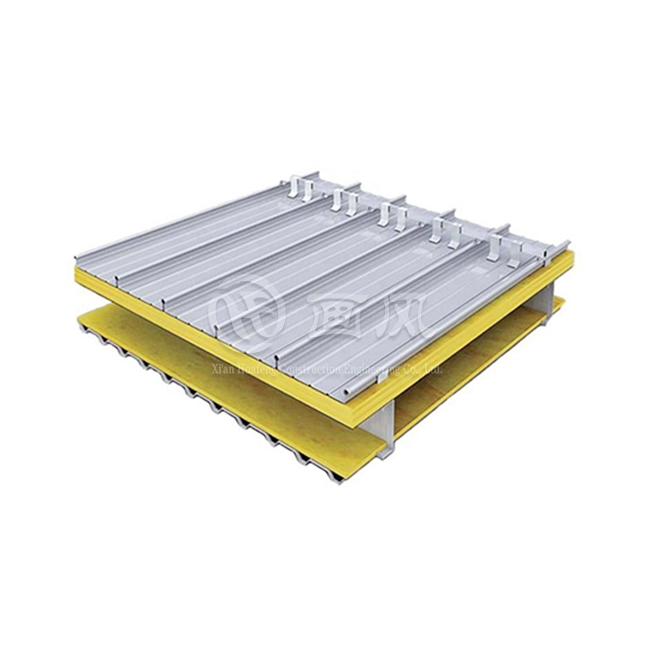
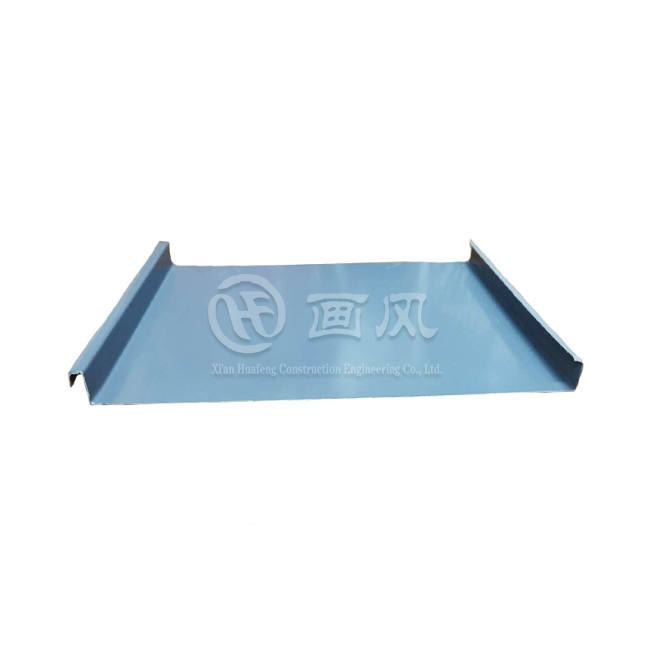
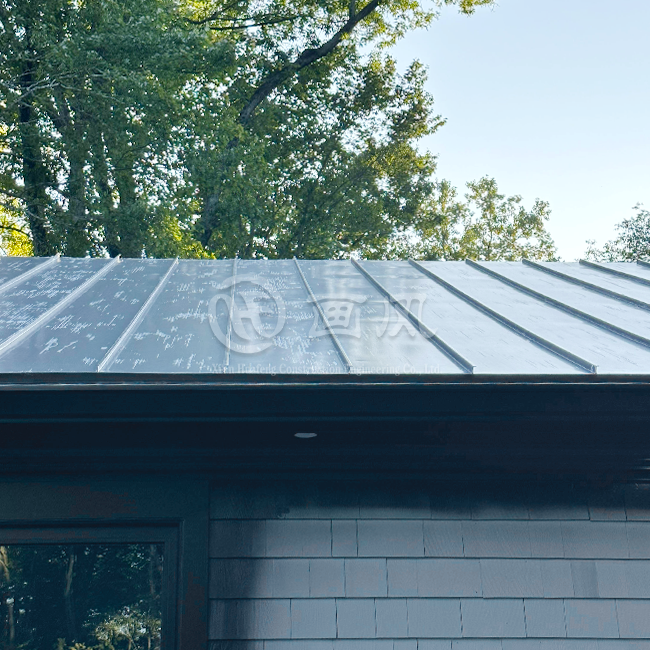
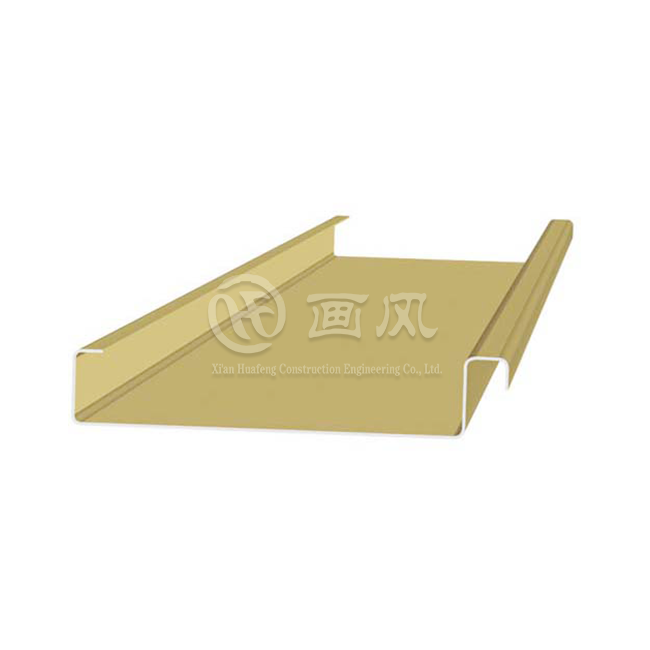
Standing seam metal roofing, often known as steel seam roofing, is constructed from long vertical panels. The panels are joined by raised interlocking seams. The fasteners are concealed below the seams so there are no screw heads exposed on the exterior. It eliminates the common failure of screw down systems, i.e. leaking at the points of connection, and allows the panels to expand and contract freely with temperature cycling.
What Are Standard Metal Panels?
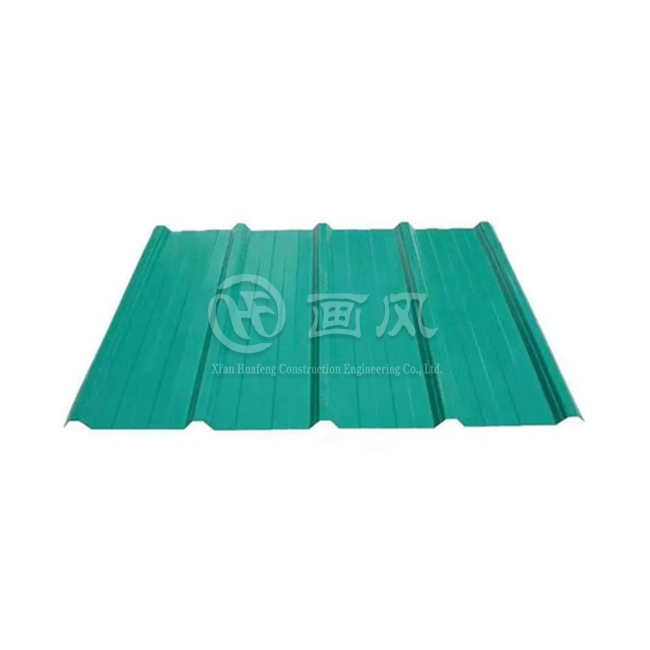
Common metal panels include corrugated steel, trapezoidal shapes, and exposed-fastener ribbed panels. They are cheaper and simpler to install initially making them a popular choice for budget projects. However, the exposed neoprene washers in the fasteners will deteriorate over a period of 7 to 10 years and create potential leak pathways. These are often utilized in warehouses, agricultural constructions and low cost residential roofs.
How Do They Differ in Practice?
The important distinction is in the way of closure, and in the kind of stitch. The standing seam profiles are also provided with floating clips for length modification . The panels are screwed down to the frame. Eventually, heat movement in a pinned system will cause the screw holes to grow and the roof will leak. This is a huge concern for contractors bidding on improvements requiring a longer warranty or additional weatherproofing.
Key Performance Comparison Between Steel Seam Roofing and Metal Panels
There is a big difference between the two systems even though they are both made of steel. The first one lasts longer, costs more, and is exposed to weather more.
Durability and Service Life
Galvalume (AZ50/AZ55) bases and PVDF finishes are often used to make standing seam systems that last 40 to 50 years or more in the field. HF's steel seam roofing has a 30-year warranty and panels that are between 0.5mm and 1.0mm thick. In coastal or tropical areas, salt spray and UV light speed up the oxidation process. Within 10 to 15 years, standard corrugated panels with polyester (PE) coatings usually lose their coatings.
Energy Efficiency and Environmental Impact
What is the link between the roof image and cooling requirements for buildings? For LEED models, a Cool Roof must have a solar Reflection of 0.65 or above. There are PVDF coated standing seam panels that may meet that requirement. This reduces heat input in hot regions and enhances structures in East Africa, South East Asia and the Middle East. Pe coated panels may not reflect heat as efficiently and you may not be able to gain green building points for them.
Cost Effectiveness Over Time
Steel seam roofing costs more upfront than regular corrugated panels. However, the standing seam system is frequently better for the total cost of ownership over 20-30 years since it requires fewer replacements, less attention and fewer repairs for leaks. Contractors may undoubtedly stand out from the pack if they provide excellent quality work, rather than making corners.
Installation and Maintenance Insights
Putting in the panel the right way is just as important as choosing the right one. Rules for each system vary, which can change project times and worker costs.
Installing Standing Seam Profiles
Attach hidden clips to the purlins or deck. Fold or snap-lock the panel seams to form a standing seam. The spacing between each purlin should not be more than 600 mm. They think the slope should be at least 1:12, or around 5 degrees. However, for warehouse applications on slopes as low as 0.25:12, double-lock profiles may be sewn by hand. “You need to have the right flooring and the right clips to permit the heat to move.”
Installing Standard Metal Panels
Corrugated and ribbed panels can be put up faster because they are put together directly through the panel face. It's easier to do this and you don't need as many special tools. The bad thing is that every fastener point could be a place where water gets in. Countries like the Philippines, Indonesia, Nigeria, and Saudi Arabia that get a lot of rain will have to pay for steel seam roofing over time.
Maintenance and Warranty Compliance
Take regular care of both types of systems by doing these things:
- Annual washing: Rinse panels with fresh water, especially in coastal or industrial zones where salt and particulate deposits accelerate coating breakdown. Pay attention to areas shielded from natural rainfall, such as under eaves or overhangs.
- Fastener inspection: For standing seam systems, inspect clips and trim at roof edges every 3–5 years. For screw-down panels, check neoprene washers after 7 years and replace before compression failure allows water infiltration.
- Penetration points: Pipe boots, curb flashings, and ridge caps typically have shorter service lives than the panels themselves. Inspect these every 5 years regardless of roof type.
These acts have a direct impact on the goods that HF sells. As long as you take care of them, the 30-year guaranty will still be valid, and projects won't have to pay for repairs that are already broken.
Procurement Considerations for B2B Buyers
Choosing the right supplier is as important as choosing the right panel profile.
What to Check Before Ordering?
When sourcing standing seam panels internationally, verify the following before placing any order:
- Substrate certification: Ask for mill certifications attesting to galvalume's (ASTM A792) or galvanized steel's (ASTM A653 G90) conformity. Corrosion resistance is strongly impacted by coating weight; in settings with high humidity or salt, AZ55 outperforms AZ50.
- Coating quality: Compared to typical polyester coatings, PVDF coatings that satisfy AAMA 2605 requirements exhibit color retention (Delta E < 5 after weathering) and chalk resistance. SGS has confirmed that HF's PVDF panels have passed all 13 AAMA 2605-22 testing items.
- Compatibility of profiles: Verify that accessories (such as ridge caps, eave trims, and valley flashings) are available in matching gage and color and that seam profiles match the installation tools you have on hand.
Sourcing from a supplier with multiple certified production lines reduces color batch variance — a frequent complaint among contractors who mix panel orders across shipments.
Pricing, MOQ, and Logistics
To facilitate project-by-project procurement without necessitating significant inventory commitments, HF provides a minimum order quantity of 500 m² or 1 ton. With three plants and seven manufacturing lines, a monthly supply capacity of 1,000 tons is achievable. After winning a bid, the majority of contractors want a delivery window of two to four weeks, whereas the typical delivery time is fifteen to twenty days after order confirmation.
Specifications Available
The standard profiles that HF makes steel seam roofing in are 25-330/400/430, 32-410, 45-400, and 65-400/430/500. With PVDF or PE surface treatment, the thickness range is 0.5–1.0 mm. Custom Pantone references and the whole RAL gamut of colors are available. Products facilitate procurement across many regional markets since they adhere to ASTM, DIN, JIS, BS, and GB/T standards.
Which Is Best? Decision Support for B2B Procurement
Matching the system to your project type is the most practical way to reach a decision.
When Standing Seam Is the Clear Choice
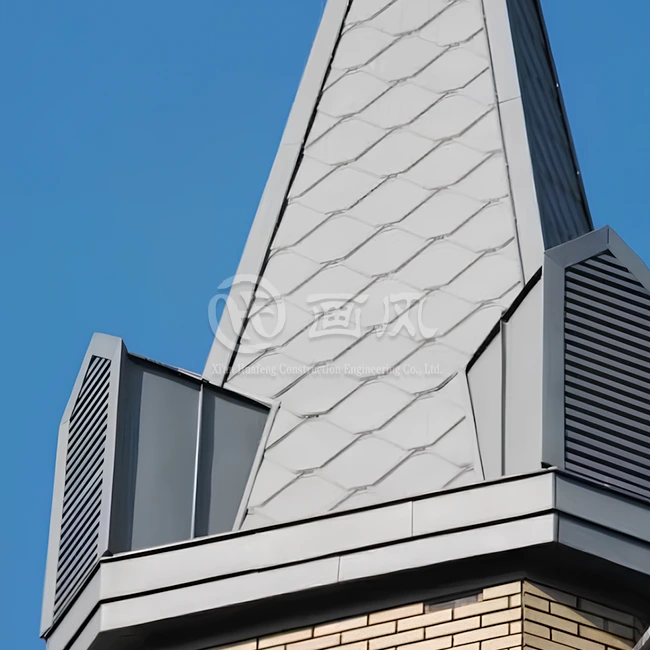
Steel seam roofing outperforms standard metal panels when the project involves: low-slope or near-flat roof geometry, coastal or high-humidity environments, buildings requiring long-term warranty documentation, or rooftops planned for solar PV integration using non-penetrating seam clamps. The concealed fastener design also appeals to architects and building owners who prefer a clean, linear aesthetic without visible screw heads.
When Standard Metal Panels Work Fine
Exposed-fastener corrugated or ribbed panels remain a sound choice for steep-slope agricultural structures, temporary buildings, or projects with tight budgets and shorter expected service lives. If the client understands the maintenance requirements and accepts a 10–15 year replacement cycle, standard panels can deliver acceptable value.
Aligning Choice with Project Reality
Matching product performance to each project's real exposure circumstances and customer expectations yields the optimum option. More bids are won by a contractor that quotes both choices and provides comprehensive performance information, such as coating certifications, warranty conditions, and lifetime cost predictions, than by one who only offers a price per sheet.
Conclusion
In building, metal plates and steel seam roofing are both advantageous. Standing seams are the best choice for weather protection, long-term durability, and long-term financial worth, especially in severe parts of the world. Plain panels are initially less costly and faster for simple activities. Standing seam is the perfect foundation for builders who want to make their bids stand out and minimize calls after work is finished. Certified steel seam roofing panels ready for project use are produced by HF.
FAQ
1. What makes standing seam panels more weather-resistant than screw-down panels?
Concealed clips that hold panels in place without piercing the steel face are used in standing seam systems. Water cannot enter via any exposed fastening sites. Neoprene washers, which screw-down panels depend on, compress and deteriorate with time—usually within 7 to 10 years in outdoor environments. The fastener hole creates a direct route for water penetration when a washer breaks.
2. What thickness should I specify for coastal or tropical climates?
For high-corrosion environments — including coastal areas within 1,500 meters of saltwater — specify Galvalume substrate (AZ50 or AZ55) with PVDF coating and a panel thickness of at least 0.7mm. This combination resists edge creep corrosion and maintains coating adhesion under prolonged UV and salt spray exposure.
3. Can I install solar panels on standing seam roofing without drilling?
Yes. Non-penetrating seam clamps (such as S-5! style clamps) grip the standing seam joint mechanically without any roof penetration. This preserves the waterproof integrity of the roof membrane and maintains manufacturer warranty coverage. It also provides strong pull-out resistance comparable to or exceeding lag-bolted mounting systems.
4. What is oil canning, and should I be concerned?
A noticeable waviness in a metal panel's flat section that results from internal stress distribution during forming or installation is known as oil canning. It has little bearing on panel performance and is an esthetic feature rather than a structural flaw. Its visibility is decreased by specifying profiles with strengthening ribs and heavier gage panels (e.g., 0.7mm or thicker).
5. What is HF's minimum order quantity for steel seam roofing panels?
HF's minimum order quantity is 500 square meters or 1 ton per order. This allows contractors to source panels project-by-project without holding excess inventory. Delivery time is 15–20 days from order confirmation.
Get a Quote from HF — Trusted Steel Seam Roofing Manufacturer
HF's steel seam roofing panels can be used for projects in 15 to 20 days and have PVDF finishes that have been approved by SGS. Also, they follow all ASTM, DIN, JIS, BS, and GB/T rules. We help builders in Africa, the Middle East, and Southeast Asia. We can make 1,000 tons of it every month, and we guaranty it for 30 years. You can get samples, detailed plans, or a quote for your project right away by emailing huafeng@hfmetalroof.com.
References
1. Metal Construction Association. Metal Roof Systems Design Manual. 2019.
2. Copper Development Association & Metal Roofing Alliance. Roofing Material Performance Guide. 2021.
3. American Iron and Steel Institute (AISI). Steel Product Manual: Flat-Rolled Carbon Steel. 2020.
4. Sherwin-Williams. PVDF Coatings for Architectural Metal: Performance and Durability. 2022.
5. Cool Roof Rating Council (CRRC). Rated Products Directory and Technical Bulletin. 2023.
6. Metal Roofing Alliance (MRA). Homeowner's Guide to Metal Roofing. 2022.





YOU MAY LIKE