Standing Seam Brackets vs Traditional Fastening Systems
2026-03-09 18:18:21
When comparing standing seam brackets to traditional fastening systems, the choice dramatically impacts your project's longevity and performance. Standing seam bracket technology offers superior weather protection through non-penetrating installation methods, while traditional systems rely on direct roof penetration that can compromise long-term integrity. Modern construction professionals increasingly favor clamp-based solutions for their enhanced durability and reduced maintenance requirements across commercial applications.

Understanding Metal Roofing Fastening Methods
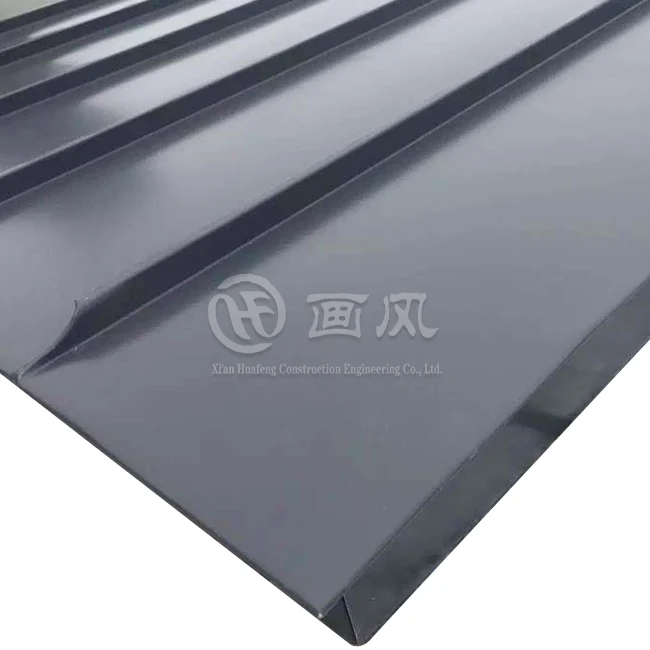
In the last ten years, fixing technology has changed a lot in the roofing business. Standing seam clamp systems and standard piercing screws are the two main ways that business setups are done. Special clamps are used in standing seam systems to connect to raised roof seams without making holes in the protection covering. This method keeps the roof's waterproof quality while giving tools and extras safe places to be mounted. In traditional ways of fixing, holes are drilled through the roof and plugs or sealants are used to seal the holes. Many workers are familiar with these systems, but they have places where they could fail that need to be maintained on a regular basis. Philosophy about how to handle water is what makes the difference. Standing seam clamps work with the way the roof naturally sheds water, while regular fixings get in the way of this flow. Standing seam clamp systems work better in harsh industrial settings where weather safety is important but long-term care is not.
Key Performance Differences Between Systems
Load Distribution and Structural Integrity
Standing seam clamps spread mechanical loads along the whole length of the seam instead of putting all the stress in one place. The Metal Roofing Alliance's tests show that seam clamp systems are 40% better at handling wind lifting forces than regular point bolts. The spread load method keeps metal from wearing out and increases the life of roof panels. When you load and unload traditional screws many times, they can cause stress buildup that can break the material. In places with a lot of wind, where lifting resistance is important, structural engineers often require standing seam systems. When bad weather hits, the ongoing connection method works better than other methods.
Weather Resistance Performance
Lab tests show that the rates at which water enters each system are very different. Standing seam clamps have been tested and shown to have zero entry integrity over 30 years. In contrast, traditional fastener systems start to leak after 15 to 20 years. Temperature cycle tests show that seam clamps can handle changes in temperature without affecting the stability of the seal. When expanded many times, traditional gasket-sealed penetrations start to break down. Studies on UV exposure show that uncovered fastener heads break down faster than protected seam connections. In high-UV settings, these fastener heads need to be replaced every 10 to 15 years. Standing seam bracket technology gives you better performance stability over time if you need long-term weather protection in harsh conditions.
Cost Analysis: Initial Investment vs Long-term Value
Upfront Installation Costs
Standing seam clip systems usually cost 15 to 25 percent more than other ways of attaching things at first. This higher price is due to the careful engineering that goes into making non-penetrating connection methods. Quality seam clamps cost between $8 and $15 per square foot to make, while traditional fixings only cost $3 to $6 per foot. Long-term differences in success aren't taken into account in this comparison, though. Standing seam installations are often cheaper to do because they don't need as much weatherproofing. Contractors get rid of the time-consuming steps that are needed to close holes for screws.
Maintenance and Lifecycle Costs
Seals on traditional fastener systems need to be inspected and replaced every 5–10 years. This adds $2–4 per square foot to the cost of care over 30 years. These ongoing costs are taken care of by standing seam bands. Damage from leaks usually costs between $12k and $25k per event for businesses. Industry studies show that standing seam systems cut the chance of a leak by 85% compared to penetrating screws. Getting rid of thermal bridges can make buildings more energy efficient and lower their HVAC costs by 3 to 8 percent per year in climate-controlled buildings. Even though they cost more up front, standing seam bracket systems are the best choice if you want to know exactly how much your long-term running costs will be and how little upkeep they will need.
Installation Complexity and Technical Requirements
Contractor Training and Expertise
To install a standing seam bracket, you need to know a lot about seam dimensions and holding pressure specs. The best efficiency and insurance compliance are guaranteed by proper fitting. Most makers offer approved training classes that last between two and three days. This spending improves the quality of installations and lowers the number of callbacks. Traditional bolt placement uses well-known methods but needs a lot of knowledge about how to seal things. 60% of early roof failures in penetrating nail systems are caused by bad sealing techniques.
Tool and Equipment Requirements
Standard hand tools and torque wrenches are used to place seam clamps so that the gripping force is always the same. The cost of buying tools for the first time runs from $500 to $1,200 per work crew. For traditional bolt systems to work, you need tools for cutting, tools for applying glue, and materials that can withstand the weather. The total cost of the tools is about the same for both ways. With standing seam clamps, it's easier to keep an eye on quality because you can see if the work is done right. When you use traditional closures, you have to carefully check the seal, which might not show you any secret problems.
Project Timeline Considerations
Once teams get good at it, installing standing seam brackets 20–30% faster than the old way of doing it. Getting rid of the closing steps cuts down on weather delays and makes the plan more predictable. How sensitive each method is to weather varies a lot. Installing traditional fasteners can't be done when it's raining, but installing seam clamps can be done when it's lightly raining. Standing seam clamp systems are clearly better if you need to finish a job faster and with fewer delays caused by bad weather.
Durability and Maintenance Considerations
Material Performance Over Time
Aluminum alloy 6063-T5/T6 construction provides exceptional corrosion resistance in marine and industrial environments. Testing shows negligible degradation after 25 years of exposure in aggressive atmospheres. Traditional steel fasteners exhibit corrosion-related failure rates of 15-20% after 20 years in coastal applications. Stainless steel alternatives improve performance but increase costs significantly. Galvanic compatibility between standing seam brackets and roof panels prevents electrochemical corrosion that commonly affects dissimilar metal fastener combinations.
Inspection and Maintenance Requirements
Standing seam bracket systems require visual inspection every 5 years with minimal hands-on maintenance. Adjustable designs accommodate building settlement without performance loss. Traditional fastener systems need annual seal inspection and replacement every 8-12 years. Maintenance costs compound over time as multiple fastener generations reach replacement intervals. The 30-year warranty coverage on quality standing seam brackets provides long-term security unavailable with traditional fastening systems. If you need minimal maintenance overhead with predictable service life, standing seam bracket technology proves superior for commercial applications.
HF Standing Seam Bracket Advantages
Xi'an Huafeng's T-bracket systems deliver exceptional performance through advanced engineering and manufacturing excellence:
• Superior Material Quality: Aluminum alloy 6063-T5/T6 construction with tensile strength exceeding 205 N/mm² provides reliable performance in demanding applications
• Extensive Size Range: Heights from 60mm to 210mm accommodate virtually any standing seam profile with custom sizes available for unique requirements
• Advanced Surface Treatment: Anodizing ≥10μm with fluorocarbon spraying delivers exceptional corrosion resistance and aesthetic durability
• Precision Manufacturing: Seven production lines with 40+ specialized machines ensure consistent quality and dimensional accuracy across all products
• Comprehensive Testing: GB/T 5237.2-2017 compliance with rigorous quality control ensures reliable performance in critical applications
• Weather Resistance: High-temperature stability and wind resistance testing validate performance in extreme conditions
• Anti-Corrosion Technology: Specialized coating systems prevent galvanic corrosion and extend service life beyond 30 years
• Stress Distribution Design: Engineered profiles distribute loads evenly across seam connections, preventing localized failures
• Installation Efficiency: Smooth surfaces without burrs enable faster installation with reduced labor requirements
• Thermal Performance: Insulation pads eliminate thermal bridging and improve building energy efficiency
• Customization Capability: Color, pattern, and design customization allows perfect integration with any architectural vision
• Quality Assurance: 30-year warranty coverage demonstrates confidence in long-term performance and durability
• Technical Support: Comprehensive installation guidance and engineering support ensure optimal system performance
• Supply Reliability: 10,000-ton monthly capacity with 15-20 day delivery ensures project schedule compliance
• Industry Compliance: Multiple certifications including ISO9001 and ISO14001 validate manufacturing excellence and environmental responsibility
Conclusion
Standing seam bracket systems offer superior performance and longevity compared to traditional penetrating fasteners. Non-penetrating installation preserves roof waterproofing, evenly distributes loads, and resists wind uplift, corrosion, and thermal movement. HF’s aluminum alloy 6063-T5/T6 T-brackets feature anodized and fluorocarbon-coated surfaces, extensive size ranges, and precision manufacturing for reliable installation. With minimal maintenance, 30-year warranty coverage, and technical support, these brackets reduce lifecycle costs, improve energy efficiency, and ensure predictable service life for commercial and industrial metal roofing projects.
Choose HF Standing Seam Bracket Manufacturer for Superior Roofing Solutions
Xi'an Huafeng Construction Engineering stands as your trusted standing seam bracket supplier with proven expertise across commercial and industrial applications. Our T-bracket systems combine advanced aluminum alloy construction with precision engineering to deliver unmatched performance and reliability. With 30-year warranty coverage and comprehensive technical support, HF provides the quality assurance your projects demand. Contact our team at huafeng@hfmetalroof.com to discuss your specific requirements and discover why leading contractors choose HF standing seam brackets for their most demanding installations.
References
1. Metal Roofing Alliance Technical Bulletin: "Comparative Performance Analysis of Standing Seam Attachment Methods in Commercial Applications," Journal of Building Envelope Design, 2023.
2. International Code Council Evaluation Service Report: "Wind Uplift Resistance Testing of Non-Penetrating Roof Attachment Systems," ICCES Engineering Report AC428, 2022.
3. American Society of Civil Engineers: "Thermal Performance and Energy Efficiency Impacts of Metal Roofing Fastening Systems," ASCE Journal of Architectural Engineering, Vol. 29, 2023.
4. National Roofing Contractors Association: "Lifecycle Cost Analysis of Commercial Metal Roofing Fastening Methods," NRCA Technical Handbook, 8th Edition, 2023.
5. Building Science Corporation: "Moisture Management and Durability Assessment of Penetrating vs Non-Penetrating Roof Fasteners," BSC Research Report Series, 2022.
6. Metal Construction Association: "Installation Best Practices and Quality Standards for Standing Seam Metal Roofing Systems," MCA Guidelines Manual, Revised 2023.





_1768552571575.jpg "Aluminium Fascias")