Is structural standing seam metal roofing Worth It?
2026-10-23 20:20:23
Yes — structural standing seam metal roofing is worth it for commercial and industrial projects where long-term performance matters. These systems span open purlin framing without a solid deck, resist wind uplift through concealed floating clips, and eliminate the exposed fasteners that cause most traditional roof failures. For project managers sourcing materials for warehouses, factories, or large-scale buildings, the combination of structural load capacity, low maintenance, and a 30-year-plus service life makes this system one of the most cost-effective roofing investments available.

What Is Structural Standing Seam Metal Roofing and How Does It Work?
The Core System Explained
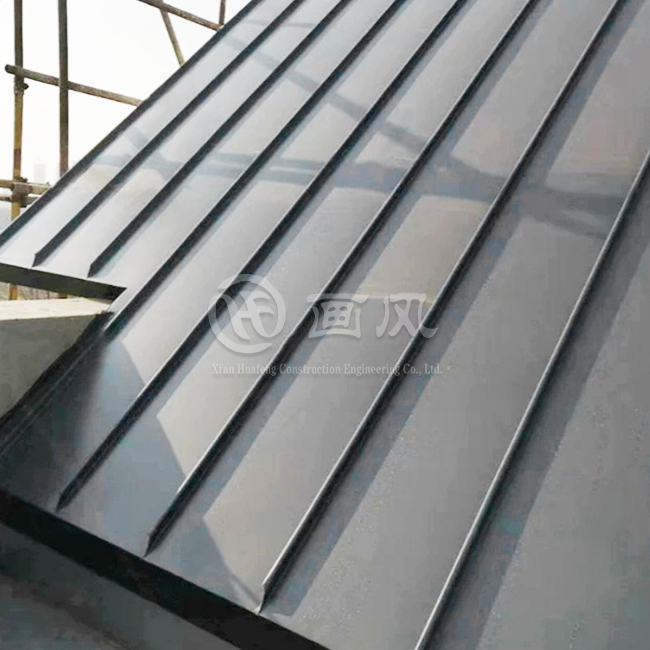
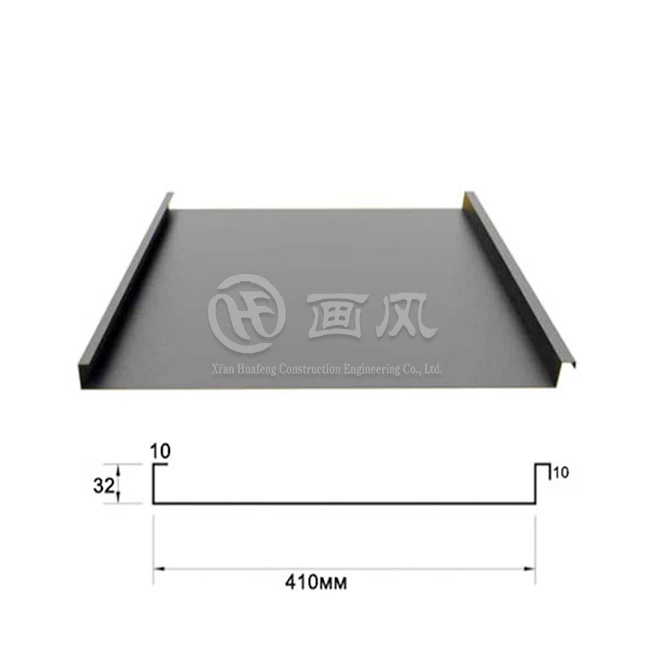
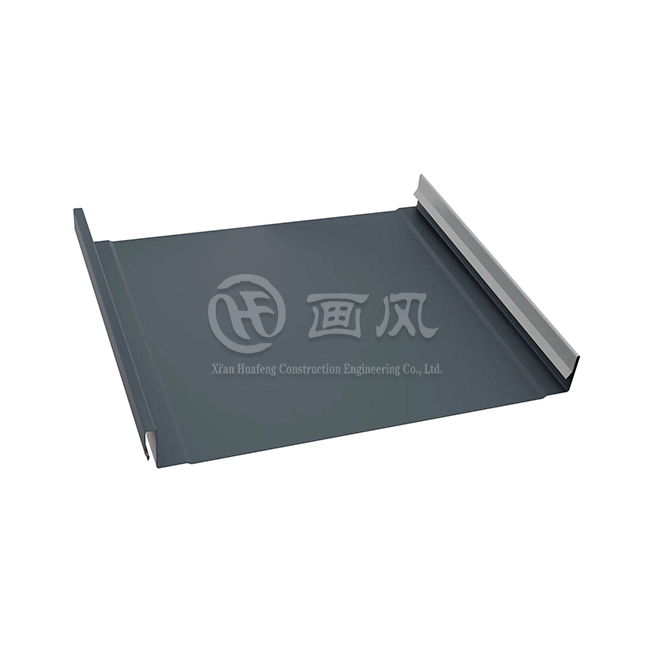
Structural standing seam panels are made to span directly across purlins or bar joists, so you don't need a plywood deck. The raised seams, which are usually 25–65 mm high, fit together between panels to make a single, watertight surface. The method works consistently on low-slope roofs as shallow as 1/4:12, which is the usual minimum for most industrial buildings, because it is watertight instead of just shedding water.
The Floating Clip Mechanism
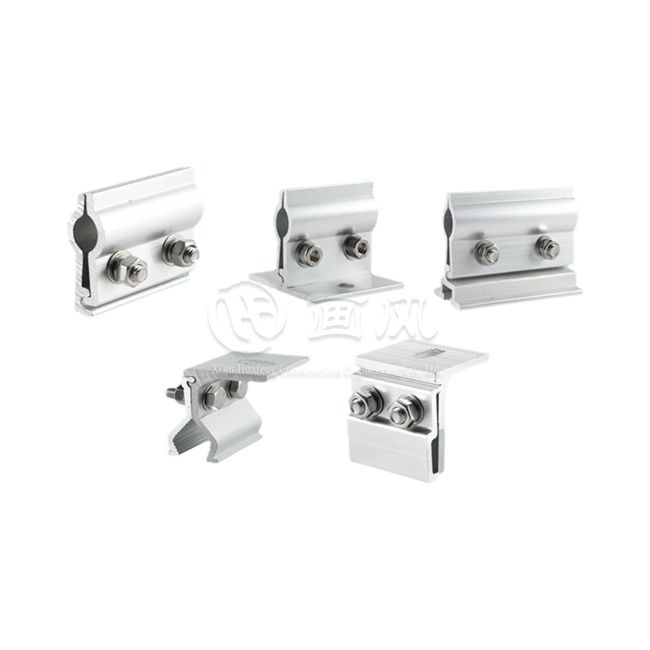
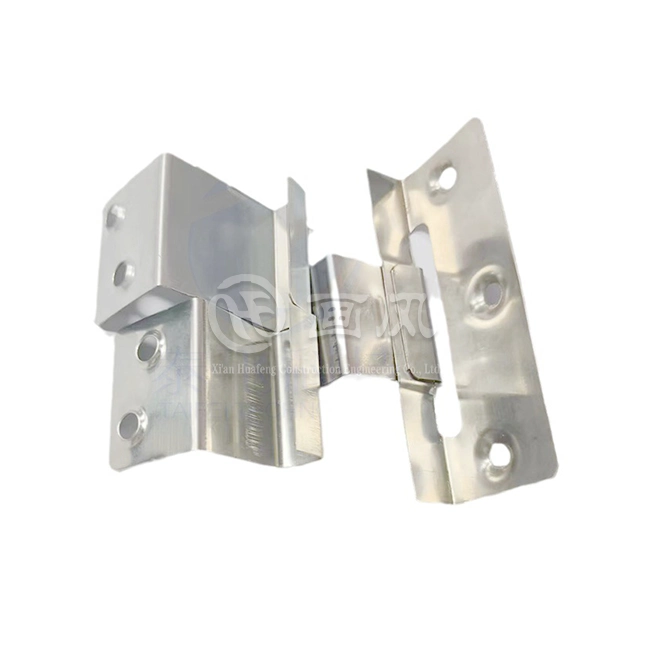
The two-piece moving clip is one of the most important technical parts. The base is attached to the purlin, and the top tab is mechanically crimped into the structural standing seam metal roofing seam. It can move freely, though, with about 2 to 3 inches of room to spare. Thermal expansion can move panels a few inches each season on a 300-foot storage roof. The floating clip handles this movement without putting too much stress on the fasteners or making leaky spots, which is a common way for through-fastened screw-down systems to fail.
Material Options and Their Applications
Panels are made from different base materials, each of which is good for a different environment:
- Galvalume steel (AZ50/AZ55): The most common choice for industrial buildings; offers a strong corrosion-resistance-to-cost ratio.
- Aluminum alloy: Lightweight and ideal for coastal or high-humidity regions where chloride exposure accelerates steel corrosion.
- Stainless steel, copper, and titanium zinc: Specified for harsh chemical environments or premium architectural projects where longevity outweighs upfront cost.
All of these materials are used by HF to make panels. The panels can be any thickness between 0.5 mm and 1.2 mm, and the seam heights can be anywhere from 25 mm to 65 mm, so they can meet most structural span needs.
Benefits and Performance of Structural Standing Seam Metal Roofing
Durability That Justifies the Investment
Independent coating tests show that PVDF-coated panels meet all 13 performance standards set by AAMA 2605-22. These include bonding, chemical resistance, impact resistance, and coating flexibility. The SGS-certified test results for HF show that there was no loss of bonding or cracking after being exposed to hot water, hydrochloric acid, and 0T bend tests. Over the course of 30 years, this level of coating longevity directly leads to fewer repair rounds and a lower total cost of ownership.
Energy Performance and Sustainability Compliance
Reflective PVDF finishes lower the amount of heat that comes from the sun, which means that warehouses and factories don't have to use as much cooling equipment when it's hot outside. The AS/NZS 1530.3:1999 combustion test was also passed by HF's aluminum panels, with an ignition index of 0, a flame spread index of 0, and zero heat release. This means that they meet fire safety requirements for projects that need materials that can't catch fire. These results show that LEED and other green building standards are being followed.
Low Maintenance Over the Long Term
All the fixings are hidden inside the structural standing seam metal roofing seam, so there are no screw heads that can come loose, rust, or let water in. Routine repair usually only needs to be checked and cleaned every so often. The EU RoHS-compliant covering on HF panels makes sure that no harmful chemicals leak out of the finish. This is important for projects that need to follow environmental rules or make sure people are safe.
Structural Standing Seam Metal Roofing vs. Traditional and Alternative Roofing Solutions
Comparison with Through-Fastened and Snap-Lock Systems
Through-fastened metal roofing is cheap to install, but it has hundreds of penetration points, and each one could leak over time. Snap-lock standing seam is better because it hides the fasteners, but it still needs a stable deck and is more of a water-shedding layer than a structural barrier. In contrast, structural standing seam systems can support loads on their own, work with open framing, and have the highest wind uplift rates (UL 90 or FM I-90/I-105), which have been proven by ASTM E1592 structural tests.
Total Cost Comparison
Structural standing seam costs more up front than asphalt or plate steel. Asphalt roofs, on the other hand, need to be replaced every 15 to 20 years and cost more to maintain. When replacement cycles, maintenance, and energy savings are taken into account, a lifecycle cost analysis over 40 years usually shows that structural metal roofing has a lower total cost. When working on big industrial projects that are 50,000 square meters or bigger, the savings per square meter add up to a lot.
Where This System Fits Best
This system is the standard for pre-engineered steel buildings, factories, warehouses, hangars for airplanes, and large warehouses or stores that move goods. We can use it for projects where artistic shingles or membrane roofs would fail because it can handle unbalanced snow loads, internal crane vibration, and wide purlin spacing (up to 5 feet in normal configurations).
Procurement Considerations for B2B Buyers
Evaluating Supplier Capability
When buying things in bulk, the ability to customize and the amount of goods that can be made are just as important as the price. HF has three structural standing seam metal roofing factories in China. They are in Anhui, Hangzhou, and Xi'an. These factories have seven color coating lines, more than 40 processing tools, and the ability to offer 1,000 tons of goods every month. Panels are cut to length based on project drawings. They come in RAL colors and can be customized to fit your needs. The minimum order size is 500 m², which is equal to 1 ton. It takes 15–20 days for delivery after the order is confirmed.
Standards, Certifications, and Documentation
Documentation that can be tracked is needed for project compliance. HF panels meet ASTM, DIN, JIS, BS, and GB/T standards. They also have third-party SGS certifications that cover their ability to withstand fire, their compliance with EU RoHS rules, and their AAMA 2605-22 coating performance. This paperwork package helps the bid selection and owner approval processes for EPC contractors and project managers working on projects backed by the World Bank, the Asian Development Bank, or similar institutions.
Managing Delivery Schedules for Large Projects
For industrial areas with more than one building, phased delivery is the only way to make sense. Before you sign a deal, you should set up these important buying controls:
- Batch delivery scheduling: Confirm that the supplier can sequence shipments to match construction phases rather than delivering all material at once.
- Cut-to-length production: Panels produced to drawing dimensions reduce on-site waste and installation time, directly protecting project schedules.
- Acceptance documentation: Request mill certificates, coating test reports, and packing lists tied to each delivery batch for site QA sign-off.
These controls keep the plan from getting off track, which is the most common reason why big roofing projects go over budget.
Is Structural Standing Seam Metal Roofing Worth It?
Yes, as long as they get it from the right supplier and follow the right specifications for B2B buyers in charge of big commercial or industrial projects. For the jobs that call for it, the system is theoretically better than most others because it can span open frame, keep water off of low slopes, and fight wind uplift without having any visible fasteners. Lifecycle costs are lower than a simple unit-price comparison won't show because the coating has been tested and proven to work for 30 years.
The most important factors are the choice of material, the shape of the seams, the distance between clips in relation to the wind zone, and the quality of the supplier's paperwork.
Conclusion
The structural performance, certified coating durability, and longer service life of structural standing seam metal roofing justify its higher price. For procurement professionals in charge of industrial or commercial projects, making a choice is easy: look at the load span requirements, make sure the compliance paperwork is correct, and choose a supplier who can meet your project's deadline. HF is a trusted supplier for big roofing projects all over the world thanks to its plant infrastructure, third-party certifications, and ability to make products to order.
FAQ
1. Can structural standing seam panels be installed on a nearly flat roof?
Yes. Most of the time, the lowest slope is 1/4:12, which is about 1 degree. This slight pitch allows water to drain away and keeps seals from wearing down over time. Industry standards say that installations below this level are not a good idea.
2. How does thermal expansion work on long building spans?
The two-piece floating clip lets panels move 2 to 3 inches away from the fixed clip base. The only part of the roof that is fixed is the eave or top. The rest of the roof can move around easily. This keeps holes from getting longer and fasteners from wearing out.
3. What is the difference between structural and architectural standing seam?
The structural panels that span the open purlins support the weight of the building. Architectural panels are artistic pieces that need to be glued to a stable base. When it comes to height, structural seams are usually 50 mm or more and are manually seamed. Architectural seams, on the other hand, are usually shorter and snap-lock.
4. How is wind uplift compliance verified?
The UL 580 or FM 4471 standards are used to test wind impact rates. Rating is based on clip length. To meet code standards, reducing the distance between purlins or the time between clips boosts negative pressure resistance in areas with a lot of wind.
5. What standards do HF panels comply with?
ASTM, DIN, JIS, BS, and GB/T standards are all met by HF panels. They also have SGS certifications for AAMA 2605-22 coating performance, AS/NZS 1530.3 combustion testing, and EU RoHS hazardous substance compliance.
Request a Quote from HF — Structural Standing Seam Metal Roofing Manufacturer
HF makes structural standing seam metal roofing panels with PVDF/PE finishes that meet ASTM, DIN, JIS, and BS standards. These panels come with a 30-year guarantee and can hold 1,000 tons of weight every month. HF can help you with your procurement process whether your project needs cut-to-length panels, phased batch delivery, or full acceptance documentation. To get prices that are specific to your project, email our team at huafeng@hfmetalroof.com.
References
1. Metal Construction Association. Recommended Standard Practices for Metal Roof Systems. 2019.
2. American Iron and Steel Institute. Cold-Formed Steel Design Manual. 2016.
3. Underwriters Laboratories. UL 580 Standard for Tests for Uplift Resistance of Roof Assemblies. 2018.
4. ASTM International. ASTM E1592: Standard Test Method for Structural Performance of Sheet Metal Roof and Siding Systems. 2020.
5. Factory Mutual Global. FM 4471 Standard for Class 1 Panel Roofs. 2015.
6. American Architectural Manufacturers Association. AAMA 2605-22: Voluntary Specification, Performance Requirements and Test Procedures for Superior Performing Organic Coatings on Aluminum Extrusions and Panels. 2022.





YOU MAY LIKE