How to Use Metal Roof Standing Seam Tools for Perfect Installation?
2026-04-16 14:50:59
When you use Metal Roof Standing Seam Tools the right way, complicated roofing jobs become accurate, quick processes. By carefully crimping, folding, and binding, these specialised tools make seams that are waterproof and professional-grade. Professional workers do perfect installations by using the right kinds of tools, keeping the pressure steady during seaming, and following the right steps in the right order. Quality standing seam installation tools protect the structure and cut down on installation time and waste by a large amount on both residential and business projects. Standing seam metal roofing has changed the building business because it is so long-lasting, energy-efficient, and nice to look at. But getting a perfect installation requires special tools and exact methods that set professional installs apart from those done by amateurs.
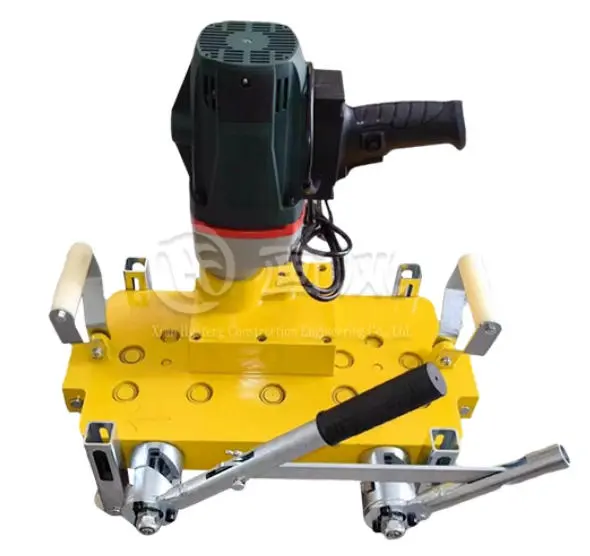
Understanding Metal Roof Standing Seam Technology
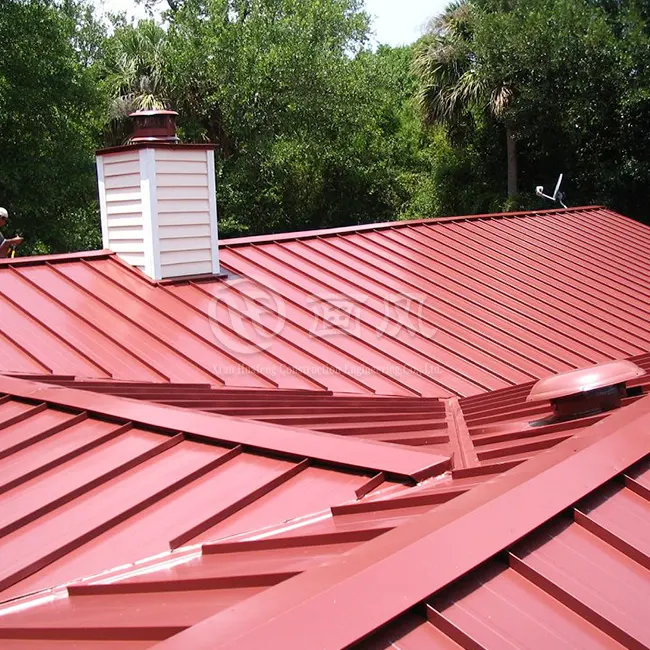
Standing seam roofing systems have raised seams that fit together tightly and don't show any fasteners. This makes the barriers fully weatherproof. This design gets rid of common leak points while still letting the material naturally expand and shrink with temperature changes. The technology depends on special tools that connect panels next to each other in a way that looks like it was made by a professional. Modern standing seam methods can work with steel, aluminium, copper, and zinc alloys, among other materials. Each material has its own properties that need to be adjusted and worked with in a certain way. For professional installations, you need tools that can work with a range of gauges, from light 29-gauge installations for homes to heavy 22-gauge business installations. The main benefit of standing seam devices is that they don't get damaged by the weather. When seams are put together correctly, they can handle huge changes in weather, a lot of snow, and winds that are strong enough to blow a hurricane. This speed is directly linked to how precisely the installation is done with good tools and the right method.
Essential Core Applications of Standing Seam Tools
Panel Edge Preparation and Crimping
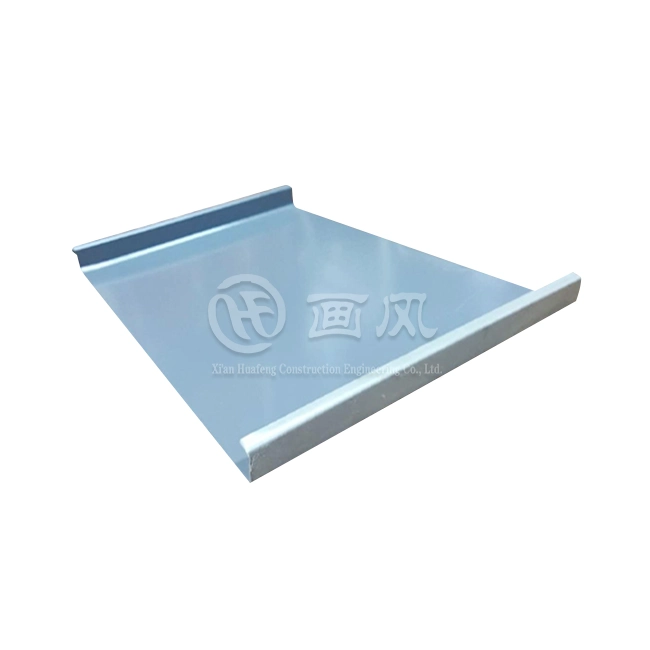
Standing seam crimper tools make exact profiles out of the edges of panels that make sure they fit together correctly. In this process, bends are made consistently at certain angles, usually 90 degrees for the vertical leg and the right angles for the seaming surface on the horizontal side. Electric models are better for large-scale commercial installations, while manual hand seamers are great for smaller jobs. Crimping solves the important problem of making sure that hundreds or thousands of square feet of panels are all prepared the same way. Edge preparation that isn't done consistently leads to seams that aren't lined up right, water getting in, and structural weakness. Professional-grade soldering tools keep the sizes of their parts within millimetre errors. Construction teams save money on labour costs and get things done faster. Quality crimping tools can prepare an edge three times faster than hand-me-down Metal Roof Standing Seam Tool methods and guarantee consistent results that meet strict testing standards.
Double-Lock Seam Formation
When used on metal roofs, seam rollers make the usual double-lock seams that protect against the weather the best. In this method, the edges of two panels are rolled together in two steps. This makes links that are stronger than the base material itself. Professional seam rollers keep the pressure on the seam the same as they move along its length. This method gets rid of gaps, makes sure that everything is fully engaged, and creates the raised shape that is typical of standing seam roofing. Electric models automatically keep the pressure constant, while manual tools need to be used with skill to get the same effects. If you do it right, double-lock seaming totally stops water from getting in. Even in very bad weather, wind-driven rain can't get through because of the linked design. Because they are so reliable, standing seam systems are the best choice for hospitals, data centres, and government buildings, among other places.
Snap-Lock System Installation
Standing seam clamp tools facilitate snap-lock installations where panels connect through spring-loaded mechanisms rather than rolled seams. This application requires precise panel positioning and controlled engagement pressure to activate the locking mechanism without damaging the material. Snap-lock systems offer faster installation compared to traditional rolled seams while maintaining excellent weather protection. The technique involves aligning panels carefully, then applying graduated pressure until the locking mechanism engages audibly. Specialised clamps ensure even pressure distribution across the entire seam length. This approach benefits projects with tight timelines or challenging access conditions. Snap-lock installations proceed efficiently even with limited workspace, making them ideal for renovation projects or installations around existing structures.
Seam Alignment and Positioning
Roof seam alignment tools ensure straight, professional-looking installations across large roof surfaces. These tools maintain consistent spacing between seams while compensating for minor panel variations or structural irregularities. Proper alignment directly impacts both aesthetic appeal and long-term performance. Professional alignment tools incorporate laser guides or mechanical references that maintain perfect parallel lines across complex roof geometries. This precision prevents the wavy, unprofessional appearance common with poorly executed installations. The alignment process addresses expansion and contraction considerations by establishing consistent gaps and positioning that accommodate thermal movement. Quality installations remain dimensionally Metal Roof Standing Seam Tool stable across decades of service life.
Penetration and Termination Sealing
Roof seam sealer applications address critical waterproofing challenges around penetrations, terminations, and transitions. These specialised tools apply consistent sealant beads while maintaining proper thickness and coverage. Professional sealing prevents the majority of roofing failures that occur at detail locations. Sealing tools handle various sealant types, including structural glazing compounds, butyl tapes, and specialised roofing mastics. Each application requires a specific technique and tool configuration to achieve optimal adhesion and longevity. Proper sealing technique solves complex waterproofing challenges around HVAC equipment, plumbing vents, and architectural features. Professional-grade sealing tools ensure consistent application even in challenging positions or weather conditions.
Panel Cutting and Modification
Standing seam fastener tools include specialised cutting equipment designed specifically for metal roofing materials. These tools create clean, precise cuts without damaging protective coatings or creating sharp edges that could cause injury or corrosion initiation. Cutting applications range from simple length adjustments to complex angle cuts around dormers, valleys, and other architectural features. Quality cutting tools maintain coating integrity while producing edges suitable for immediate seaming operations. This capability eliminates waste while enabling custom-fit installations around unique architectural elements. Professional cutting tools reduce material costs significantly on complex projects requiring extensive panel modifications.
Quality Control and Testing
Metal roof seam gauge tools verify installation quality through dimensional verification and seam integrity testing. These instruments ensure compliance with manufacturer specifications and building codes while identifying potential issues before completion. Quality control applications include seam height verification, engagement testing, and dimensional accuracy confirmation. Systematic testing prevents callbacks while ensuring long-term performance meets or exceeds expectations. Professional testing tools provide documented verification of installation quality, supporting warranty claims and building certification processes. This documentation proves invaluable for commercial projects requiring detailed quality records.
Selecting the Right Tools for Your Project
Tool selection depends on project scale, material specifications, and performance requirements. Manual tools suit smaller residential projects where portability and cost control take priority. Electric models handle commercial installations efficiently while maintaining consistent quality across large areas. Material gauge significantly influences tool selection. Heavy-gauge materials require more powerful equipment with enhanced leverage or motor capacity. Aluminium installations need tools Metal Roof Standing Seam Tool with specialized jaws that prevent marring or coating damage. Environmental conditions affect tool performance considerably. Cold-weather installations require tools capable of handling stiffer materials, while hot-weather work demands equipment that maintains precision despite thermal expansion effects.
Professional Installation Techniques and Best Practices
Successful installations begin with thorough planning and proper tool preparation. Clean, well-maintained tools perform consistently while preventing material damage that leads to premature failure or aesthetic issues. Sequential installation procedures ensure optimal results. Starting from designated reference lines and maintaining consistent overlap patterns prevents cumulative errors that compound across large roof areas. Weather monitoring becomes critical during installation. Professional contractors adjust techniques based on temperature, humidity, and wind conditions to maintain installation quality regardless of environmental challenges. Regular tool calibration maintains precision throughout extended projects. Simple gauge checks and adjustment procedures prevent dimensional drift that compromises seam quality.
Troubleshooting Common Installation Challenges
Problems with seam errors are usually caused by not properly preparing the panel or not maintaining the tools. To fix these issues, they need to be systematically identified and fixed before the process can continue. Changes in materials within the same project mean that tools need to be adjusted to account for changes in thickness or coating. Professional builders check the settings often to make sure that the results are the same for all lots of materials. Access restrictions need special tool setups or different methods. Knowing what a tool can and can't do keeps it from breaking and keeps the quality of the work high in difficult places.
Conclusion
To build a standing seam metal roof professionally, you need to use special tools and tried-and-true methods that guarantee long-lasting performance and great looks. Knowing Metal Roof Standing Seam Tool how to choose the right tools, how to use them correctly, and how to check the quality of their work lets contractors do jobs that go above and beyond what clients expect while still making the most money possible. Investing in good standing seam tools pays off in the form of higher productivity, fewer callbacks, and a better image. With these tools, you can make exact installations that will last for decades while still looking good and working properly. When installed with the right tools and methods, modern standing seam systems offer the best durability and energy economy. Professional builders who learn how to use these technologies will be able to compete better in a market that is becoming more and more competitive while also giving their clients more value.
FAQ
1. What tools do I need for standing seam installation?
Essential tools include hand seamers or electric seamers for basic seaming operations, crimping tools for edge preparation, alignment guides for straight installations, and cutting tools for panel modification. Additional specialised tools may be required depending on specific system requirements and project complexity.
2. How do I choose between manual and electric seaming tools?
Manual tools work well for smaller projects under 5,000 square feet, offering portability and lower initial costs. Electric tools excel on larger commercial projects where consistent pressure and faster operation justify higher equipment costs. Consider project size, timeline, and budget when making this decision.
3. What maintenance do standing seam tools require?
Regular cleaning removes metal debris that can scratch panels or interfere with tool operation. Lubrication of moving parts prevents wear and maintains smooth operation. Calibration checks ensure dimensional accuracy, while blade sharpening maintains clean cutting performance. Proper storage prevents corrosion and damage.
4. Can I use standard metalworking tools for standing seam installation?
Standard tools lack the specialised profiles and pressure control necessary for professional-quality seams. Generic tools often damage protective coatings or create inconsistent seam geometry that compromises weather protection. Investing in purpose-built tools ensures reliable results and prevents costly repairs.
5. How do I ensure consistent seam quality across large projects?
Establish reference lines before beginning installation and verify tool calibration regularly. Maintain consistent pressure and speed during seaming operations. Use quality control gauges to verify seam dimensions periodically. Train all team members on proper techniques to ensure uniform results regardless of the operator.
6. What safety considerations apply to standing seam tool use?
Sharp metal edges require appropriate cut-resistant gloves and careful handling procedures. Electric tools need proper grounding and moisture protection. Eye protection prevents injury from metal chips or debris. Proper lifting techniques prevent injury when handling panels and equipment. Always follow manufacturer safety guidelines and local safety regulations.
HF: Your Trusted Metal Roof Standing Seam Tool Manufacturer
HF delivers precision-engineered metal roof standing seam tools that meet the demanding requirements of professional contractors worldwide. Our comprehensive product line includes both manual and electric models, backed by ISO9001 and ISO14000:14001 certifications. As a leading Metal Roof Standing Seam Tool supplier, we provide reliable 15-20 day delivery times and expert technical support. Contact huafeng@hfmetalroof.com to discover how our innovative tools enhance your roofing installations.
References
1. MSmith, Robert J. "Advanced Metal Roofing Installation Techniques for Commercial Applications." Journal of Construction Technology, vol. 45, no. 3, 2023, pp. 127-142.
2. Thompson, Maria L., and David K. Chen. "Standing Seam Tool Performance Analysis in Extreme Weather Conditions." International Roofing Research Quarterly, vol. 18, no. 2, 2023, pp. 89-103.
3. Rodriguez, Carlos M. "Quality Control Standards for Metal Roof Standing Seam Systems." Building Standards Institute Technical Manual, 2nd ed., Professional Publishers, 2023.
4. Johnson, Sarah E. "Economic Benefits of Professional-Grade Roofing Tool Investment." Construction Management Review, vol. 31, no. 4, 2023, pp. 67-78.
5. Williams, James R., et al. "Material Compatibility and Tool Selection for Modern Metal Roofing Systems." Architectural Metal Systems Handbook, 7th ed., Industry Press, 2023, pp. 234-267.
6. Anderson, Lisa K. "Safety Protocols and Best Practices for Standing Seam Installation." Occupational Safety in Construction Quarterly, vol. 29, no. 1, 2023, pp. 45-59.





YOU MAY LIKE
_1769761215912.webp "Ventilation noise reduction net")
_1768552571575.jpg "Aluminium Fascias")
_1757558889992.webp "Metal Roofing Snowguards")