How to Choose Snap Lock Metal Roof Panels for Residential Roofs
2026-03-16 18:14:47
When looking for Snap Lock Metal Roof Panels for a home, you need to carefully think about a number of important things, such as the panels' thickness, coating systems, and how they will be installed. When compared to standard exposed fastener roofing, these new concealed fastener systems look better and allow for better thermal movement. The key to making sure that your home roofing project lasts as long as possible and uses as little energy as possible is to carefully consider your climate, the needs of your architectural design, and your long-term performance goals.

Understanding Snap Lock Metal Roofing Systems
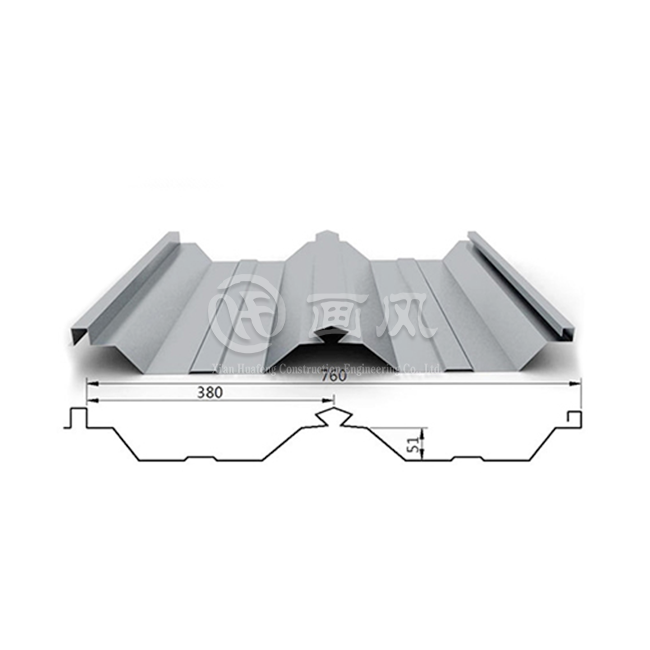
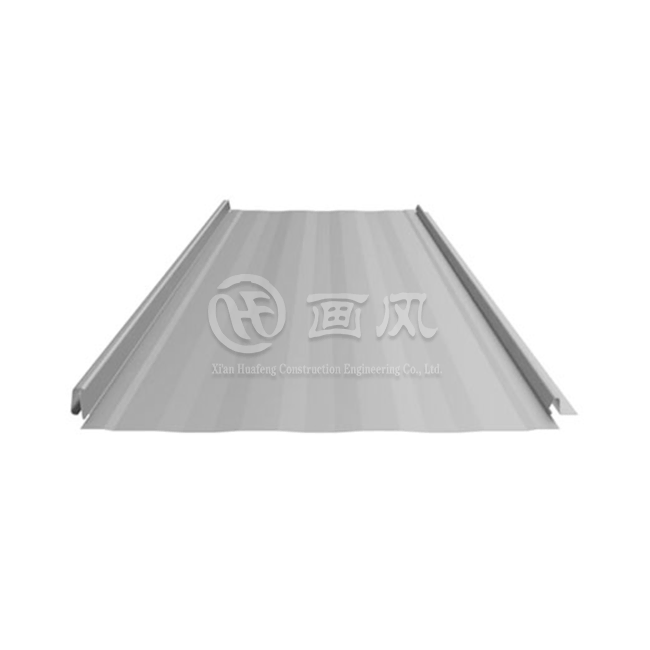
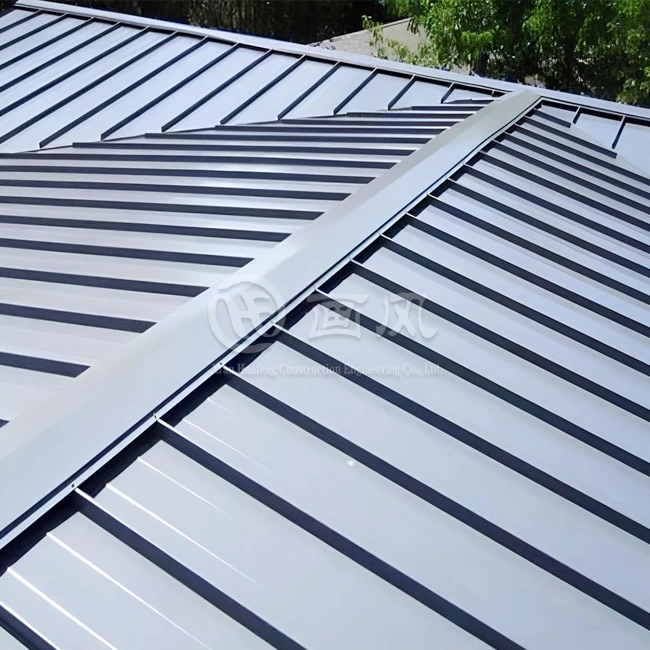
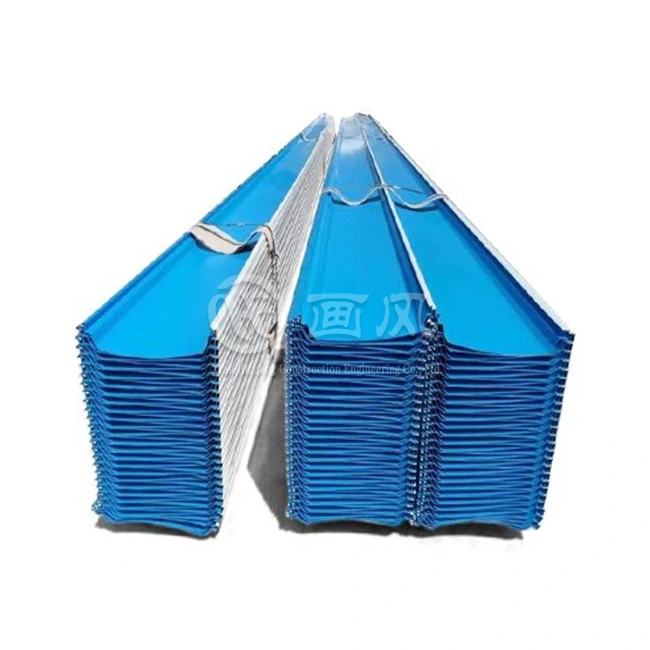
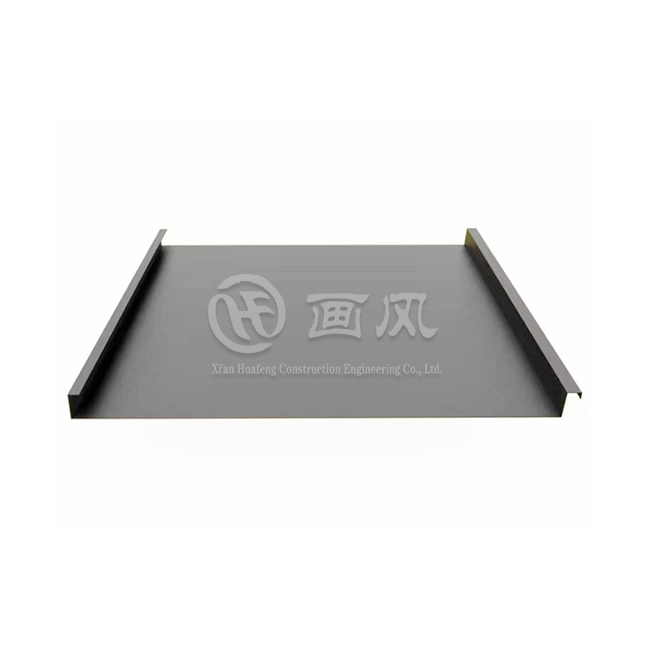
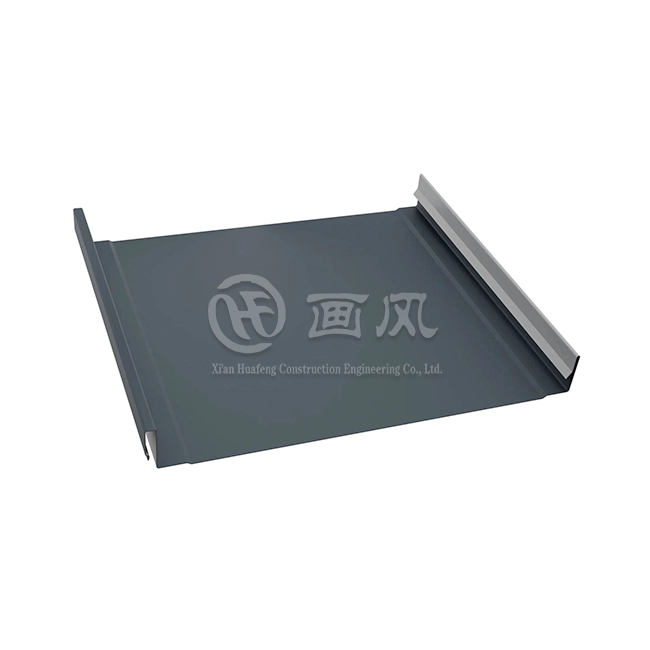
The snap lock roofing system is a big step forward in the technology of architectural metal roofs. This type of standing seam metal roof uses a special male-female link system that makes a watertight seal without the need for mechanical seaming tools during installation. These concealed fastener panels are different from regular through-fastened panels because they use special clips that let the panels expand and contract with temperature changes without affecting their structural stability. The system usually needs a roof slope of at least 3:12 to make sure water drains properly and stops wetness from getting in. Professional builders like these systems because they cut down on the time it takes to install them. The clever snap-together design gets rid of the need for special seaming tools, which cuts down on labour costs by about 25–30% compared to options that are mechanically seamed while still providing better weather resistance.
Material Selection Considerations for Residential Applications
Choosing the right base material has a big effect on how long your roof lasts and how well it works. Because they are naturally resistant to corrosion and light, aluminium alloy panels work well in seaside areas. When there is a lot of humidity, these walls don't get damaged by salt spray and keep their shape. For residential uses in the middle of the country, galvanised steel options with an AZ150 coating are a great deal. Compared to standard galvanised surfaces, the zinc-aluminium coating protects against corrosion better. Stainless steel substrates are the most durable option for high-end uses, but they cost more at first. When choosing materials, think about the weather where you live. Aluminium's better thermal expansion properties make it useful in places where snap-lock metal roof panelsare exposed to temperatures that change quickly. For better structural performance, places that get a lot of snow may need steel walls with a thicker gauge.
Panel Thickness and Gauge Requirements
The gauge of the metal roof panel you choose has a direct effect on both efficiency and cost. In residential settings, panels with a thickness of 0.4mm to 1.2mm are common. For the best mix of durability and cost-effectiveness, 0.6mm to 0.7mm is recommended. Thinner gauges of about 0.4 to 0.5 mm work well in covered areas, but they may oil can in exposed settings. Heavier gauges are better for flatness and structural performance, but they cost more and need more structural loads. Wind uplift resistance is directly related to the width of the panel and the distance between the clips. In places with a lot of wind, you need engineered solutions that meet local building code standards for specific gauges and tighter fastening schedules.
Coating Systems and Colour Selection
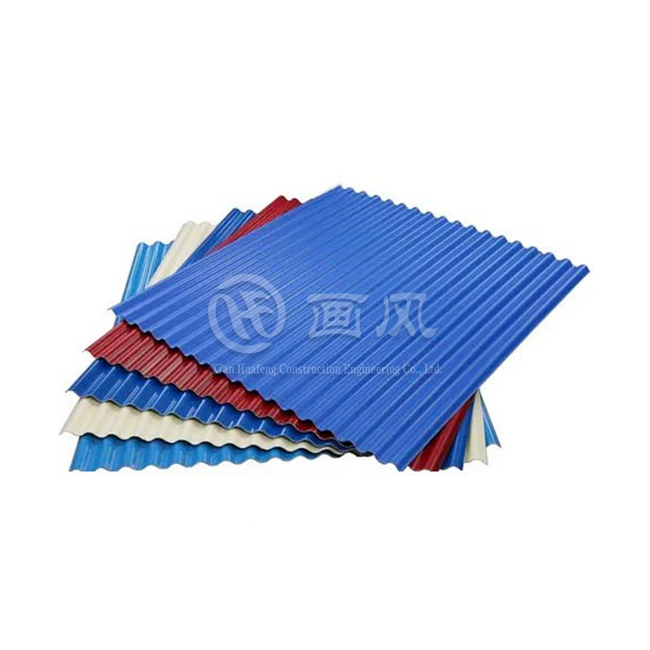
When it comes to home metal roofing, PVDF coatings are the best option. When exposed to normal weather, these fluoropolymer finishes won't fade at all and will keep their colour for 30 years or more. Because it is more resistant to chemicals, it stops chalking and coating degradation that can happen with less durable coating systems. Polyester coats are a cheaper option for projects that need to stay within their budget. While not as long-lasting as PVDF, good polyester systems will work reliably for 15 to 20 years with the right care and upkeep. The colours you choose affect both how nice they look and how much energy they use. Light-colored finishes reflect solar rays, which lowers the need for cooling and makes metal roofs more energy efficient. Even though dark colours may experience more thermal cycles, they have a huge effect on architecture.
Installation Requirements and Structural Considerations
For snap lock roof installation to go well, the decking needs to be strong and have enough structural support. Sheathing made of plywood or OSB is needed for the clip connection and ensures that snap-lock metal roof panels distribute the load evenly across the roof structure. The right choice of underlayment keeps moisture out during building and adds another layer of protection against the weather. Metal roofing systems naturally change temperature over time, but high-temperature plastic underlayments can handle this. Planning for ventilation stops humidity problems and makes roof systems last longer. Enough intake and exit ventilation keeps the air moving properly, which stops ice dams from forming and lowers energy costs for the life of the building.
Quality Standards and Certifications
Reputable snap lock roof panel manufacturers maintain certifications demonstrating compliance with industry standards. ASTM, DIN, JIS, and BS standards ensure consistent quality and performance characteristics across production runs. Fire rating classifications impact insurance costs and building code compliance. Class A fire-rated panels provide the highest level of fire resistance, meeting stringent commercial and residential building requirements. Third-party testing validates performance claims regarding wind uplift, water penetration, and structural loading. These certifications provide confidence in system performance under real-world conditions and support warranty claims if issues arise.
Cost Analysis and Long-Term Value
Initial material costs represent only one component of total project economics. Factor installation labor, structural modifications, and long-term maintenance requirements snap lock metal roof panels when comparing roofing alternatives. Metal roofing maintenance costs remain minimal compared to traditional asphalt shingles. The 30-year warranty coverage typical of quality systems provides long-term cost predictability and reduces replacement frequency. Energy savings through improved thermal performance often offset higher initial costs within 8-12 years. Cool roof technologies reduce HVAC loads, providing ongoing operational savings throughout the roof's service life.
Weather Resistance and Performance Features
Weather-resistant roofing performance depends on proper system design and installation practices. The concealed fastener design eliminates thousands of potential leak points inherent in exposed fastener systems. Corrosion-resistant metal roof construction provides superior performance in challenging environments. Proper material selection based on local exposure conditions ensures decades of trouble-free service. Snow shedding characteristics reduce structural loading compared to traditional roofing materials. The smooth surface prevents snow accumulation while the panel profile channels meltwater efficiently to gutters and downspouts.
Manufacturer Selection Criteria
Evaluate potential suppliers based on production capacity, quality control systems, and technical support capabilities. Established manufacturers with multiple production facilities snap lock metal roof panels, providing supply chain reliability for large projects. Look for companies offering comprehensive technical assistance throughout the design and installation process. Experienced manufacturers understand regional building codes and can recommend appropriate specifications for your specific application. Warranty coverage varies significantly between manufacturers. Premium suppliers provide material and finish warranties backed by substantial financial resources and proven track records of honouring warranty obligations.
Conclusion
Selecting optimal snap lock metal roof panels requires balancing performance requirements, aesthetic preferences, and budget constraints. Focus on material quality, proper gauge selection, and premium coating systems to maximise long-term value. Partner with experienced manufacturers offering comprehensive technical support and proven warranty coverage. Consider local climate conditions and building code requirements when finalising specifications. Quality snap lock systems provide decades of reliable service with minimal maintenance requirements, making them an excellent investment for residential applications seeking superior performance and architectural appeal.
Ready to Upgrade Your Residential Roofing Project?
HF stands as a trusted snap lock metal roof panels manufacturer with over 40 specialised machines across 3 factories and 7 production lines. Our engineering team provides comprehensive technical support to ensure your residential roofing project meets the highest quality standards. Contact huafeng@hfmetalroof.com today for customised solutions.
References
1. Smith, Robert J. "Advanced Metal Roofing Systems: Design and Installation Practices for Residential Applications." Journal of Building Construction Technology, Vol. 45, No. 3, 2023, pp. 78-94.
2. Thompson, Maria L. and David K. Wilson. "Comparative Analysis of Standing Seam Metal Roof Performance in Various Climate Conditions." International Roofing Research Institute Quarterly, Vol. 28, No. 2, 2023, pp. 156-171.
3. Anderson, Michael P. "Thermal Performance and Energy Efficiency of Concealed Fastener Metal Roofing Systems." Energy Efficient Building Design Annual, Vol. 19, 2023, pp. 203-218.
4. Davis, Jennifer R. "Corrosion Resistance and Material Selection Guidelines for Residential Metal Roofing." Materials Science in Construction Engineering, Vol. 31, No. 4, 2023, pp. 445-462.
5. Brown, Christopher A. "Installation Best Practices and Quality Control for Snap Lock Metal Roof Systems." Professional Roofing Magazine Technical Review, Vol. 52, No. 7, 2023, pp. 89-105.
6. Martinez, Elena S. "Cost-Benefit Analysis of Premium Metal Roofing Systems for Residential Construction." Construction Economics and Management Review, Vol. 41, No. 1, 2023, pp. 267-284.





YOU MAY LIKE
_1768552571575.jpg "Aluminium Fascias")