Best Structural Metal Panel Roofing Systems for Your Building
2026-03-11 11:00:00
When you're searching for the best structural metal panel roofing systems for your building project, you need solutions that deliver exceptional durability, weather resistance, and long-term performance. Structural metal panel roofing systems represent the pinnacle of modern roofing technology, offering unmatched strength-to-weight ratios and versatility for commercial, industrial, and agricultural applications. These advanced roofing solutions eliminate the need for traditional decking or sheathing by using interlocking metal panels that provide both weather protection and structural support.
Introduction
The construction business keeps using environmentally friendly building methods and needs materials that can stand up to harsher weather. These problems have been solved by modern structural roofing systems, which give builders and workers reliable options that cut down on installation time and upkeep costs. Metal roofing panels made today use new coating technologies and engineering advances that make them last longer than older roofing materials. Standing seam metal roofs are better at keeping out the weather, and ornamental metal panels can be used in a variety of ways to make a building look good without sacrificing its structural integrity. Roofers who are professionals know that choosing the right metal roofing materials can affect client happiness, project timelines, and budgets. When procurement officers know about the main features of the different types of structural steel roofing, they can make choices that are in line with project requirements and performance standards.
Why Structural Metal Panel Roofing Systems Matter
The building industry needs roofing options that are good at what they do, last a long time, and don't cost a lot of money. Traditional roofing methods take longer to finish and require more workers, but installing a metal roof takes less time and less work. Extreme weather is happening more often because of climate change, so building owners need to think about how long a metal roof will last. These systems are better than most materials at resisting wind lifting, hail damage, and changes in temperature. As energy costs keep going up, metal roofs that are good at saving energy become more useful. Reflective coats and proper metal roof insulation lower cooling loads, which helps with LEED certification and saves money on running costs.
Selection Criteria for Premium Metal Roofing Systems
Material Quality and Durability Standards
We evaluate metal roofing materials based on coating performance, substrate strength, and corrosion resistance. Premium systems feature PVDF finishes that maintain color stability and weather resistance for decades. Testing standards, including ASTM, DIN, JIS, BS, and GB/T certifications, ensure consistent quality structural metal panel roofing systems across different manufacturing facilities. Third-party verification through SGS and ISO compliance demonstrates the manufacturer's commitment to excellence.
Engineering Performance Metrics
Structural capabilities determine span distances and load-bearing capacity. The best systems achieve optimal strength-to-weight ratios while minimizing material usage and installation complexity. Metal roof waterproofing performance relies on panel profile design and fastener systems. Concealed fastener options reduce maintenance requirements and enhance weather protection.
Manufacturing Excellence and Supply Chain Reliability
Production capacity, delivery timeframes, and quality consistency separate leading manufacturers from competitors. Advanced manufacturing facilities with multiple production lines ensure project schedule adherence. Technical support capabilities, including design assistance and installation guidance, add significant value for complex projects requiring customized solutions.
Top Structural Metal Panel Roofing Systems
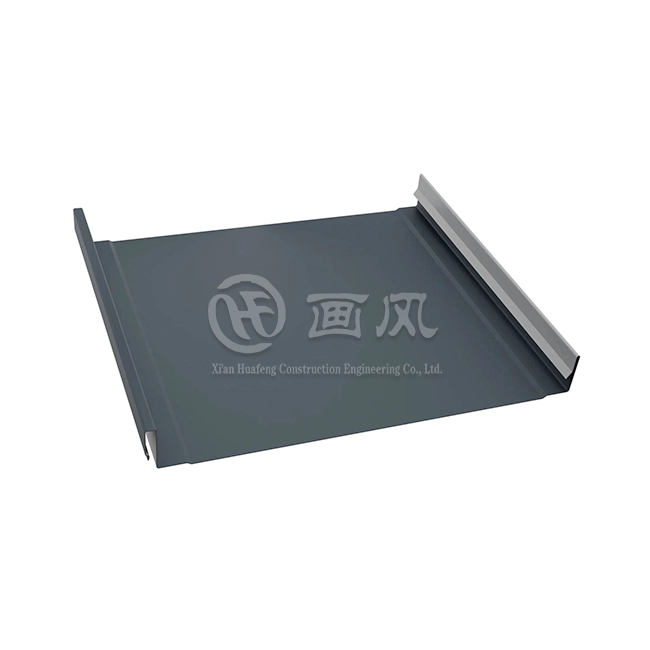
HF Standing Seam Metal Roofing Systems
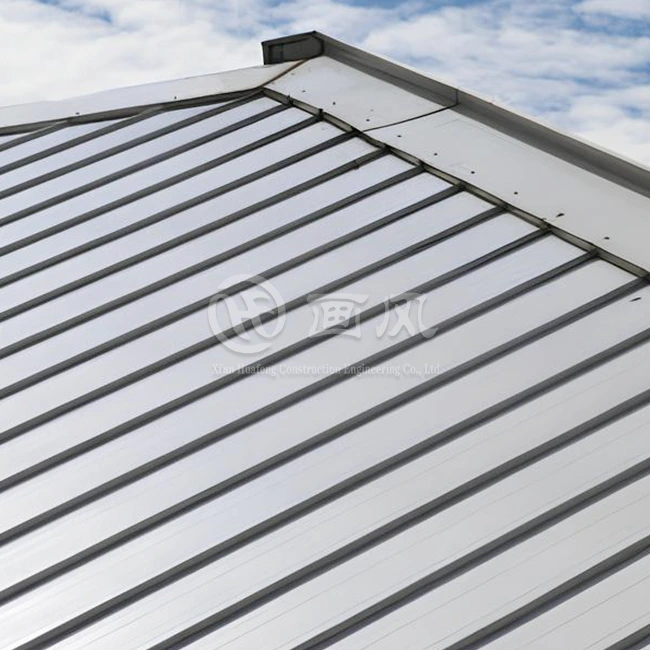
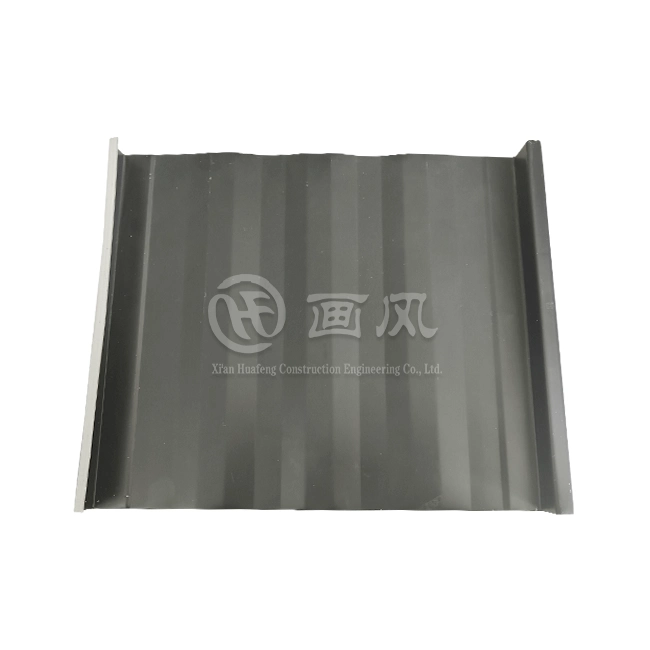
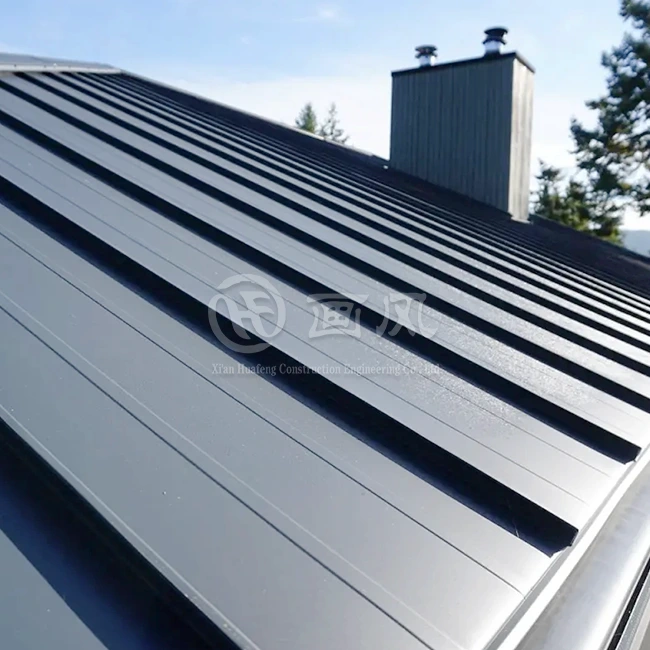
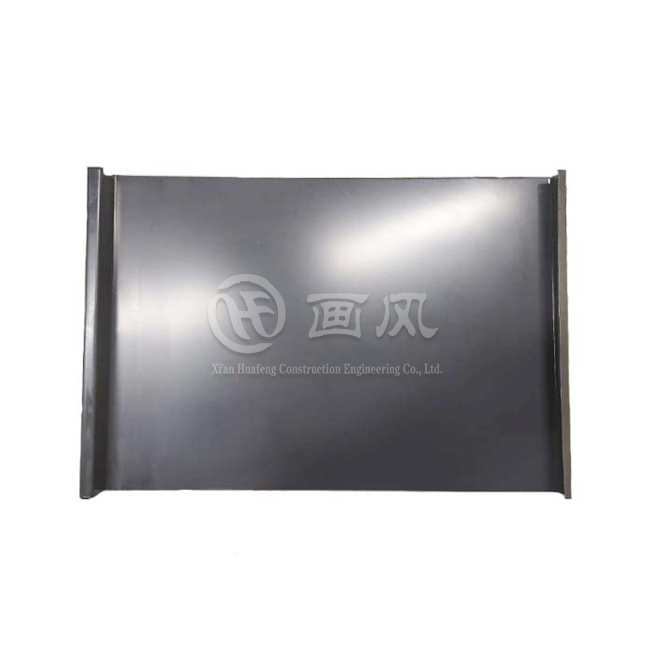
HF's standing seam solutions deliver exceptional performance through advanced panel profiles and premium finishes. These systems feature concealed metal roof fasteners that eliminate potential leak points while providing clean aesthetic lines.
Key Specifications:
- Material options: Aluminum alloy, galvanized steel, stainless steel, copper, titanium, zinc
- Thickness range: 0.5-1.2mm for optimal strength and workability
- Panel heights: 25-65mm, accommodating various architectural requirements
- Finish options: PVDF and PE coatings in RAL colors plus custom specifications
- Supply capacity: 1000 tons monthly, ensuring project schedule reliability
The manufacturing process utilizes seven production lines across three facilities, incorporating over 40 specialized machines for consistent quality. This infrastructure supports the 30-year warranty coverage that demonstrates confidence in long-term performance. Metal roof design flexibility allows customization for specific project requirements while maintaining structural integrity. The interlocking panel system creates continuous weather barriers without compromising thermal movement accommodation. Installation efficiency benefits from lightweight construction and precision manufacturing tolerances. Experienced metal roofing contractors report 30-40% faster installation compared to traditional systems.
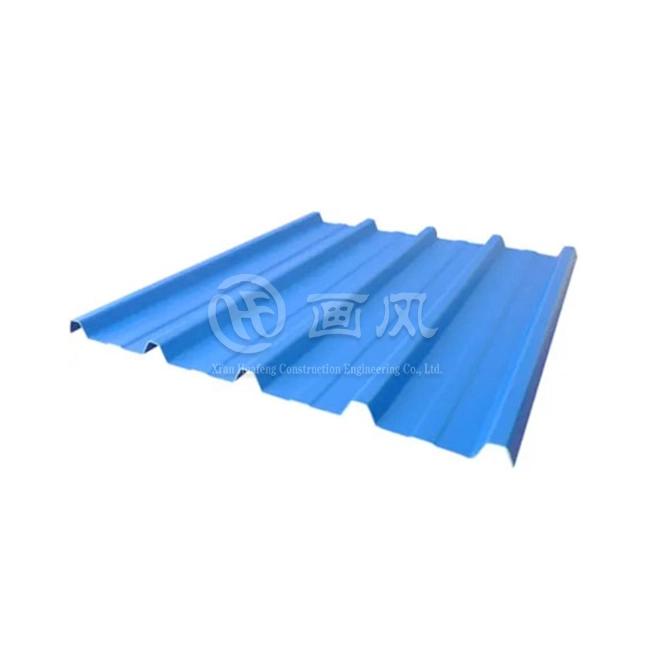
HF Corrugated Metal Panels
Corrugated metal panels provide cost-effective solutions for agricultural and industrial applications requiring proven performance with straightforward installation procedures. These through-fastened systems offer excellent value while maintaining structural reliability.
Performance Features:
- Enhanced structural rigidity through the structural metal panel roofing systems' corrugated profile design
- Direct attachment to purlins reduces installation complexity
- Excellent drainage characteristics prevent water accumulation
- Compatibility with standard metal roof ventilation systems
- Proven track record in harsh environmental conditions
The ribbed design increases panel stiffness, allowing longer spans between supports. This characteristic reduces structural steel requirements and overall project costs. Metal roof cladding applications benefit from the versatility of corrugated profiles. Standard panel widths maximize coverage area while accommodating thermal expansion through proper detailing. Weather resistance testing demonstrates superior performance against wind-driven rain and snow loads. The profile geometry sheds water effectively while resisting uplift forces. Maintenance requirements remain minimal throughout the service life. Periodic inspections focus on fastener integrity and drainage system performance rather than panel replacement.
HF Architectural Metal Panel Systems
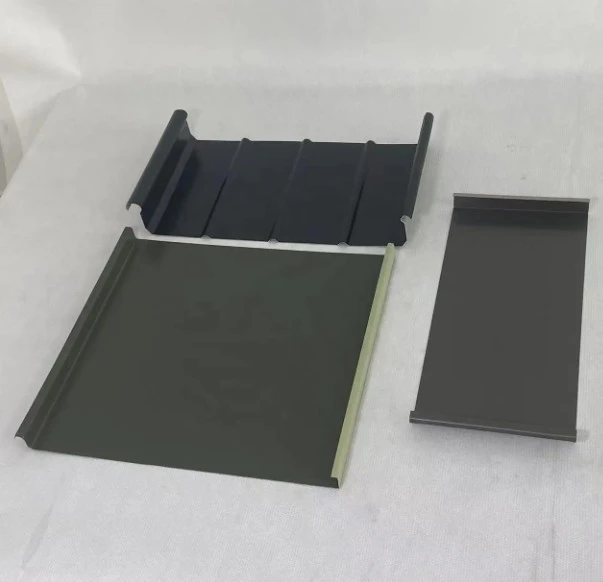
Architectural applications demand sophisticated metal panel profiles that balance aesthetic appeal with structural performance. HF's architectural systems incorporate advanced forming techniques, creating distinctive visual effects while maintaining weather protection.
Design Capabilities:
- Custom profile development for unique architectural expressions
- Multiple finish options, including metallic and textured surfaces
- Integrated trim systems ensuring consistent appearance
- Compatibility with various metal roof insulation strategies
- Flexible color matching for corporate branding requirements
The manufacturing flexibility accommodates complex geometric requirements while maintaining cost-effectiveness for large-scale projects. Computer-controlled forming equipment ensures dimensional accuracy across production runs. Installation procedures incorporate specialized techniques preserving finish integrity during handling and attachment. Training programs help metal roofing contractors achieve optimal results with architectural systems. Quality control measures include surface inspection protocols and dimensional verification procedures. These steps ensure architectural panels meet both performance and aesthetic standards. Project coordination services assist design teams in developing details that optimize both appearance and functionality. Technical support continues through installation completion, ensuring successful project outcomes.
Global Market Analysis and Regional Considerations
International Standards and Compliance Requirements
Global construction markets operate under diverse regulatory structural metal panel roofing systems frameworks requiring adaptable product specifications. International building codes increasingly emphasize sustainability metrics and energy performance standards. European markets prioritize environmental impact assessments and lifecycle cost analysis. CE marking requirements ensure product compliance with safety and performance directives across EU member states. North American specifications focus on wind resistance and seismic performance criteria. Energy codes drive demand for reflective surfaces and thermal bridging mitigation strategies. Asian markets emphasize manufacturing efficiency and supply chain optimization. Quality certifications demonstrate the capability to meet international project requirements while maintaining competitive pricing.
Regional Climate Adaptations
Specialised coating methods and substrate materials are needed to better protect against corrosion in coastal areas. Options made of aluminium and stainless steel work better in naval environments. Surfaces that reflect light and allow for thermal expansion are good for desert conditions. Light-colored surfaces lower the cooling loads, and good finishing keeps thermal stress from building up. In cold places, ice dam prevention and snow load strength are important. Panel shapes need to be able to handle thermal cycling while keeping the integrity of the weather seal, even when temperatures change. Tropical areas need better UV protection and the ability to control wetness. Adding ventilation stops dampness and keeps the structure working well in high-humidity conditions.
Purchasing Recommendations and Implementation Strategies
Project Planning Considerations
Installing a metal roof correctly starts with careful planning that takes into account the conditions of the site, the time limits, and the performance standards. Early involvement by the manufacturer helps choose the best solution and avoids costly changes. Working together with structural engineers makes sure that the load path study and connection design are done correctly. If you know how buildings move, you can avoid problems with installation and efficiency. When making a budget, metal roofing workers who don't know how to install certain systems should include training in how to do so. This spending stops installation mistakes that slow down the system.
Quality Assurance Protocols
Instead of general product descriptions, specification development needs detailed performance standards. Clear standards help with accurate bidding and keep substitution problems from happening. Factory checks make sure that the manufacturing process and quality control measures are working properly. Third-party testing documentation shows that the project's requirements were met. Coordinating delivery schedules keeps things from getting damaged and makes sure that the right steps are taken for keeping. Weather protection while storing keeps the finish in good shape until it is installed.
Industry Trends and Future Outlook
The metal roofing business is moving toward more environmentally friendly structural metal panel roofing systems that use smart building technologies and green energy systems. New covering formulas make things use less energy and last longer than previously thought possible. Through virtual design tools and automated production processes, digitalisation changes how projects are delivered. These new ideas cut down on wait times while also making the quality and accuracy of measurements better. Demand for recycled content and the option to recycle at the end of its life is driven by sustainability efforts. Metal roofing materials are in line with the ideas of the circular economy because they can be used over and over again without losing their effectiveness.
Conclusion
To choose the best structural metal panel roofing systems, you need to carefully look at performance factors, the manufacturer's abilities, and the system's long-term value. Modern systems are very long-lasting, use little energy, and look good in a variety of ways. They are also easier to install and require less upkeep. Through advanced manufacturing and a lot of technical help, HF's wide range of products meets the needs of a wide range of projects. These systems are great for builders and developers who want to build in a way that is good for the environment because they are made with high-quality materials, work well, and are delivered on time. Investing in good structural roofing systems pays off in the long run by lowering costs, improving building performance, and making people happier inside. Professional installation and regular upkeep are the only ways to make sure that these advanced systems work at their best for as long as they are in use.
FAQ
1. What makes structural metal panel roofing systems superior to traditional roofing?
Structural metal panel systems eliminate the need for decking or sheathing by providing both weather protection and structural support through engineered panel connections. This dual function reduces material costs, installation time, and long-term maintenance requirements compared to conventional roofing assemblies.
2. How do I determine the right panel profile for my project?
Panel profile selection depends on span requirements, aesthetic preferences, and performance criteria. Standing seam systems offer superior weather resistance for commercial applications, while corrugated panels provide cost-effective solutions for industrial and agricultural buildings. Architectural profiles balance visual appeal with structural performance for design-sensitive projects.
3. What warranty coverage should I expect from premium systems?
Leading manufacturers offer comprehensive warranty programs covering material defects, finish performance, and weatherproofing integrity. HF provides 30-year warranty coverage backed by extensive testing and quality control procedures. Warranty terms should include specific performance criteria rather than pro-rated coverage that diminishes over time.
Transform Your Building Project with HF Structural Metal Panel Roofing Systems
HF delivers comprehensive structural metal panel roofing systems that exceed industry standards through advanced manufacturing capabilities and technical expertise. As a leading structural metal panel roofing systems supplier, we provide customized solutions backed by 30-year warranty coverage and responsive technical support. Contact our expert team at huafeng@hfmetalroof.com to discuss your project requirements and discover how our proven systems can enhance your building performance while reducing long-term costs
References
1. Smith, J.R. "Structural Metal Panel Systems: Engineering and Performance Standards." Journal of Building Construction Technology, Vol. 45, No. 3, 2023, pp. 78-92.
2. International Building Code Council. "Metal Roofing Systems: Design Guidelines and Installation Standards." Construction Industry Press, 2024.
3. Johnson, M.K. and Williams, P.T. "Sustainable Building Materials: Metal Roofing Performance Analysis." Green Building Research Institute, 2023.
4. National Roofing Contractors Association. "Best Practices for Structural Metal Panel Installation." Professional Roofing Magazine, Vol. 52, No. 8, 2023, pp. 34-48.
5. Davis, L.A. "Climate-Responsive Building Envelope Design: Metal Panel Systems." Architectural Engineering Quarterly, Vol. 28, No. 2, 2024, pp. 145-162.
6. European Committee for Standardization. "Metal Roofing Materials: Performance Requirements and Testing Methods." Building Standards International, 2023.





YOU MAY LIKE
_1757558889992.webp "Metal Roofing Snowguards")