Best Snaplock Metal Roof Panels for Modern Homes and Barns
2026-11-27 15:04:55
The best snaplock metal roof panels for modern homes and barns have the right metal, thickness, coating, and slope rating for the building and have hidden fasteners. Pick a tidy shape in a color-safe PVDF finish for homes. For barns, pick a strong base with a known wind rating and trim that matches the panel. Before you place an order, make sure you understand the minimum slope, uplift test data, and supply terms in both cases. This guide was written for contractors, distributors, and purchasing managers who need panels that come on time and can be installed in a predictable way.

Why Snaplock Metal Roof Panels Suit Modern Homes and Barns?
How a Snap-Lock Seam Works
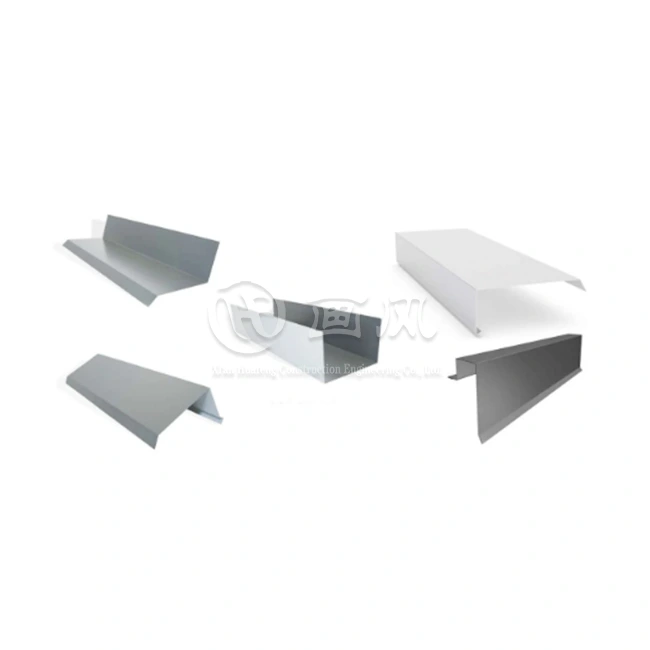
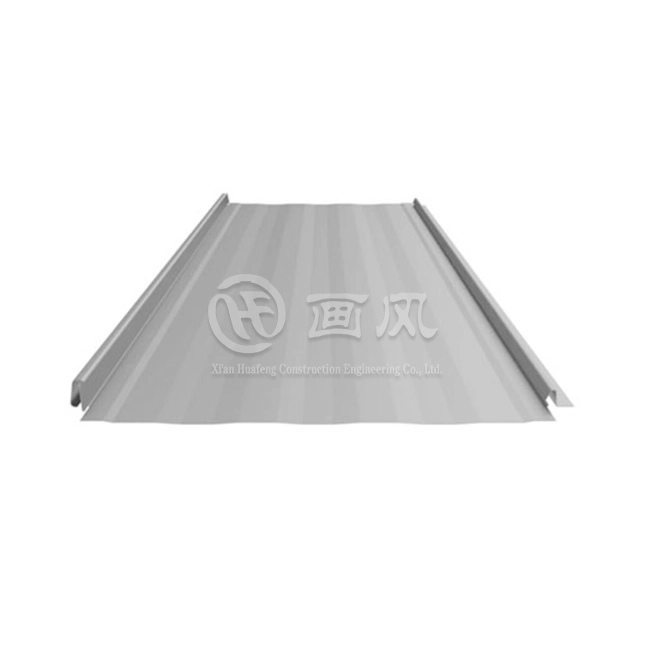
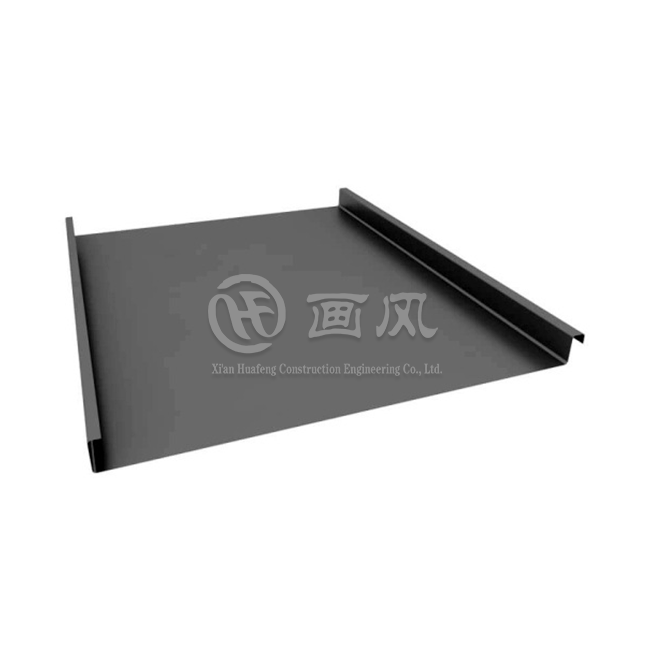
The female leg of one panel is pressed over the male leg of the next panel in a snap-lock system to join them. The panels rest on clips or a built-in flange, so there are no screws that can be seen. The metal can expand and contract with temperature because of this layout. This keeps the panel from wearing out at the fastener holes. Underlayment, eave and ridge flashings, and trim at walls, valleys, and penetrations are also part of a full assembly. Crews don't need a seaming machine on the roof because the seam can be closed by hand. This HF snaplock roof has seams that are 45 mm high and a width that ranges from 300 mm to 600 mm.
Snaplock Compared With Mechanical Seam and Exposed-Fastener Roofing
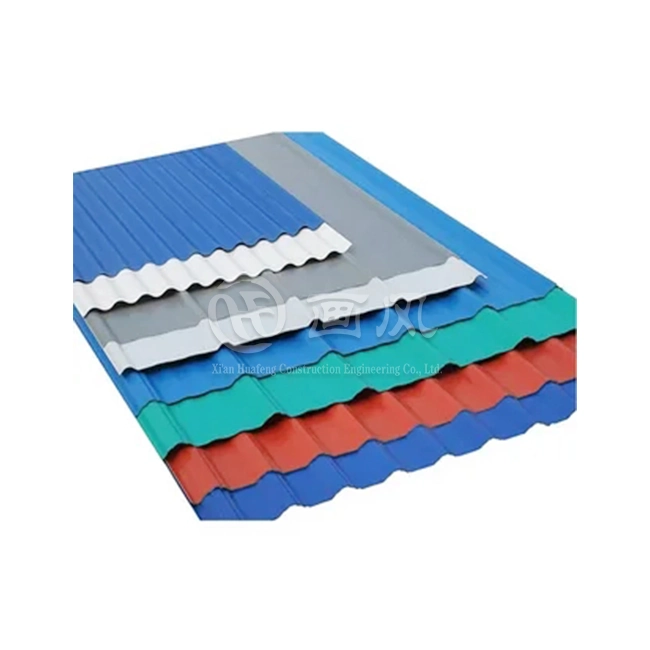
An electric field seaming tool is used to close mechanical seam panels. On lower slopes, they can keep water out, but it takes more work. Snap-lock panels are easier to put up and work well on solid-deck roofs with moderate slopes. Panels with exposed fasteners cost less up front, but their screws and washers need to be checked every so often because the metal moves. Metal lasts longer than asphalt shingles and can be recycled, but it costs more at first. According to HF's product data, panels weigh about one-tenth as much as ceramic tile. This is important for renovation roofs that can't hold much weight. Do not just compare panel price; also compare lifecycle cost.
Where Snap-Lock Roofing Fits on Homes and Barns
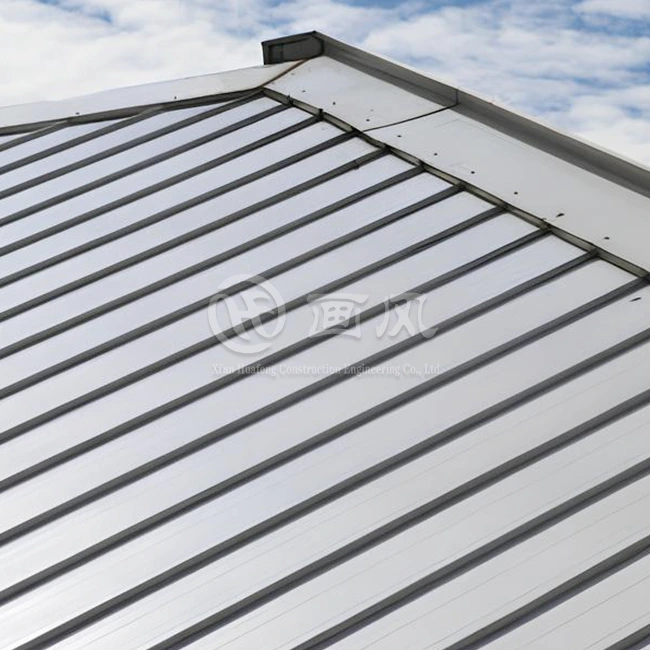
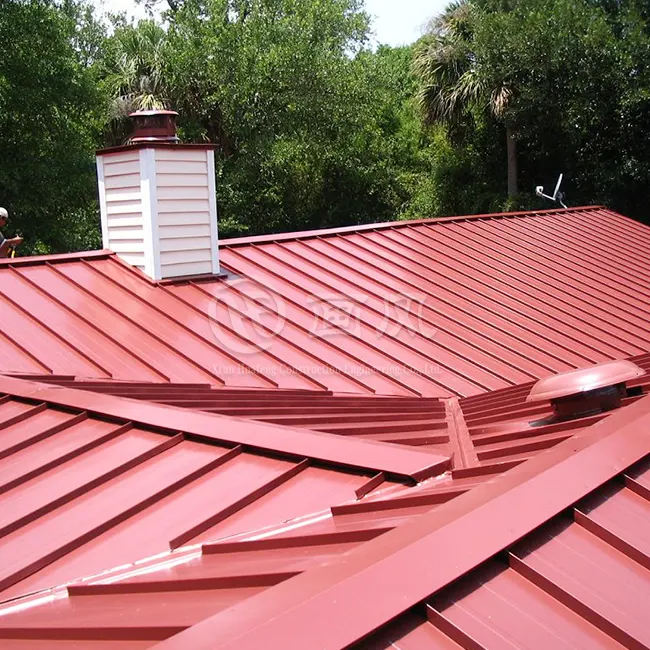
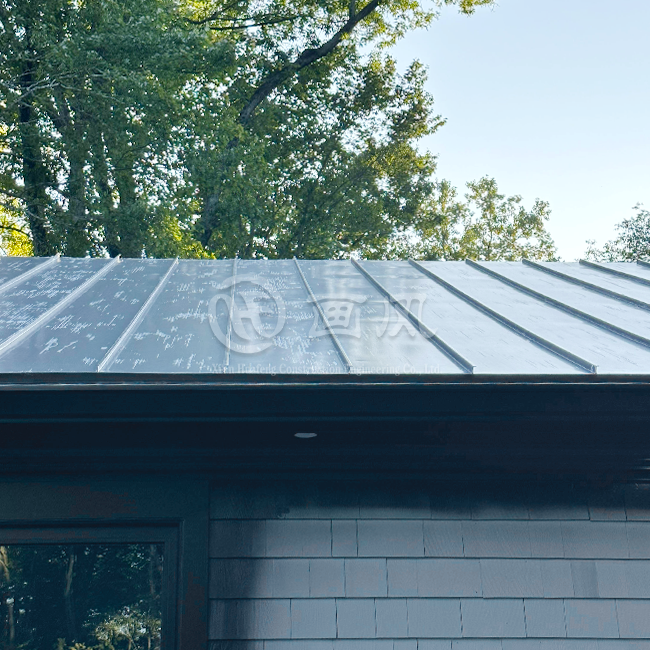
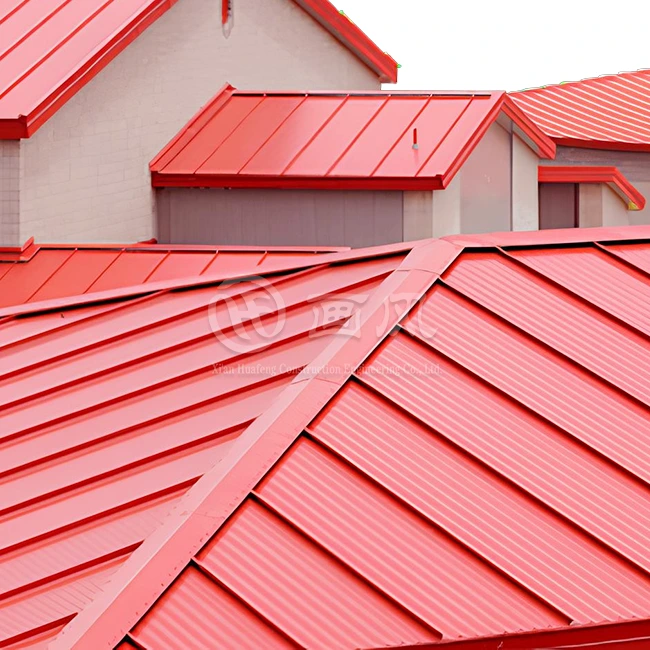
Long runs of panels in dark or neutral colors make sharp shadow lines in modern homes. Around dormers, skylights, and solar panels, the hidden fasteners keep the surface clean. In barns, garages, and workshops, crews like quick installation and fewer screws that are out in the open that need to be cleaned. The same system can also be used on some light-commercial buildings, like small stores and storage units. HF's product data includes greenhouse uses for businesses, factories, homes, and farms, as well as options made of aluminum or stainless steel for high-salt coastal areas. Agricultural buildings need extra planning for air flow and condensation, which is what I'll talk about next.
How to Choose the Best Snaplock Metal Roof Panels?
Roof Slope and Substrate
Start with a slope. The least slope that HF lists for its panels is 1:12, which is about 5 degrees. There are many snap-lock profiles on the market that need 3:12 or more of a slope because they let water run off instead of held it. Everyone I sell to always checks the approved slope to make sure they follow the local code and the exact slope profile when choosing snaplock metal roof panels. Next, check the substrate. Unless they were designed to, most architectural snap-lock profiles can't go over open purlins. They need a solid deck made of plywood or metal sheet. Putting both requirements in the purchase specification will save you a lot of money on redesigning on-site.
Metal Type, Thickness, and Coating
HF has aluminum alloy, galvanized steel (AZ150 or G550), stainless steel, copper, titanium zinc, and stainless steel snaplock roofing. From 0.4 mm to 1.2 mm thick, and most orders are between 0.5 mm and 0.7 mm thick. Metal that is thicker doesn't dent or wavy, so it works better for longer spans. PVDF, polyester, bare metal, and embossed texture are all coating options. Polyester is a cheaper option, but PVDF works best in places with a lot of sunlight and weathering. If you live near the coast or build a barn, aluminum or stainless steel will last longer than coated carbon steel because they don't rust.
Wind, Water, and Fire Documentation
In the US, buyers usually want to see test results first. ASTM E1592 checks how well sheet metal roof systems hold up under even air pressure, and UL 580 checks how resistant roof assemblies are to being lifted. Both ASTM E1646 and ASTM E1680 talk about how to stop water and air from leaking. These outcomes are from a certain profile, thickness, clip, and span. I think you should ask for the report that fits your exact structure instead of a general summary. We offer high-wind and snow-load versions of HF's products that list Class A fire performance. Talk to our staff to find out which documents are needed for your project and where it is being done.
Snaplock Metal Roof Panel Installation and Maintenance
Preparation and Installation Sequence
Setting up something well starts before the first panel is put up. Crews need to check the roof's measurements, deck levelness, slope, panel direction, flashing quantity, and clip spacing. Each panel is usually pressed into place after the first one is lined up and protected at the edges. This is followed by perimeter flashings, clips, and the next panel. At last are the details for the ridge, valley, wall, and penetration. You don't have to worry about whether or not the seaming tools will work with each other because the seams are closed by hand. The NRCA metal panel manual has helpful references for more information. Always follow the building code in your area and the instructions from the manufacturer.
Preventing Oil Canning and Condensation Problems
In flat areas, oil canning can be seen as waves. Clients notice it even though it's only a matter of looks and not structural integrity. To lower it, ask for thicker metal, pick panels with striations or stiffening ribs, keep the deck flat, and don't tighten the fasteners too much, which stops heat from moving. The condensation plan needs a separate one for workshops and barns. Make sure you have the right underlayment, insulation, and air flow so that warm, damp air doesn't hit cold metal. Also, keep metals that are not the same from each other away from each other. When some metals touch, they cause galvanic corrosion at fasteners and trim. Talk about these things with your installation captain when the bids are being sent in, which is when changes are least expensive.
Lifespan, Warranty, and Care
It says in HF's product data that the warranty lasts for 30 years and that the aluminum alloy panels can last for 30 to 50 years. The warranty terms depend on the substrate, paint, and work, so before you sign, read the exclusions, coastal limits, and installation requirements. Care stays easy. Clean the gutters and valleys of debris and rinse the panels with water. Every once or twice a year, check the flashings, sealants, and clips. Stay away from rough tools, harsh chemicals, and walking on the finish without a cushion. Early repair of a scratched edge or loose trim costs a lot less than replacement of a section that has corroded.
Snaplock Metal Roofing Cost, MOQ, and Purchasing Considerations
What Drives the Price of Snap-Lock Roofing?
Price is based on the type of metal, its thickness, coating, profile, custom length, flashings, accessories, underlayment, packaging, freight, and how it is shipped. You can compare quotes for just panels with other quotes for just panels, and you can also compare quotes for whole roofs. Between the quote and the delivery, ocean freight and import duties can change. Ask each seller to list the trade terms, like FOB or CIF, and the costs that the buyer is responsible for. There is a clear quote that separates panels, trim, clips, and shipping for your snaplock metal roof panels. This way, your estimator can check the coverage and waste before you sign.
Handling MOQ, Color Matching, and Lead Time
HF's minimum order size is 500 m², which is equal to 1 ton. Delivery usually takes 15 to 20 days, but this depends on the size and specifications of the order. To get to that level, distributors with smaller jobs can combine a few jobs into one order. A lot of contractors are worried about color differences between batches, so I suggest ordering all the panels and trim for one roof at once and getting approval on a sample in the RAL or custom color first. For long panels, say how much of a length difference you need. Ask how the bundles are packed so that the edges don't get bent while they're being shipped by ocean. Because of this, HF offers safe packaging and logistics help.
A Simple Decision Matrix by Buyer Type
A simple matrix helps each buyer stay on track. Both homeowners and architects think about how something looks, how well it's built, how long it will last, and how much data it loads. Owners of barns think about cost, speed of installation, air flow, and resistance to corrosion. Contractors look at profiles that are easy to install, available, and packaged well. When distributors and OEM buyers buy something, they add to the lead time, landed cost, production capacity, and documentation. Give each supplier a score between one and five for each factor, and then ask the two best ones for samples and drawings. This method takes a long list of specs and turns them into a clear comparison. It also gives buyers and crew leaders a single document they can use to make the final choice.
HF Snaplock Metal Roof Panels: Specifications, Capacity, and Certification
Product Specifications
The seams on HF snaplock roofing panels are 45 mm high, and the panels cover an area 300 mm to 600 mm wide. As long as the length isn't longer than 12 m, it can be cut to order. It is between 0.4 mm and 1.2 mm thick. Copper, titanium zinc, aluminum alloy, steel, stainless steel, and copper are some of the materials that can be used. They can be finished in PVDF or polyester, and RAL and custom colors can be chosen. We have ASTM, DIN, JIS, BS, and GB/T standards on our list. The monthly supply capacity is 1,000 tons, which allows for repeat orders and programs with multiple projects.
Factories, Capacity, and Quality Control
Shaanxi Province Xi'an Huafeng Construction Engineering Co., Ltd. was established in 2018. We design, manufacture, market and install systems for metal roofing, curtain wall and steel enclosures. The products are created at three sites: a 200,000-square-meter site in Anhui for raw materials and processing plants in Hangzhou and Xi’an. We have about 40 shearing, pressing and bending equipment and 7 colour coating lines. In 2020, Shaanxi Province announced HF as a high-tech business. We have an ISO 9001 and ISO 14001 quality system and more than 20 recognised patents for roofing systems.
Test Reports and Certifications
Our coating and material data is backed up by third party testing. A report from SGS per AAMA 2605-22 indicates that a 3003H24 aluminium sample with PVDF coating passed all 13 coating tests. This includes colour homogeneity at ΔEH 0.3 and grades of 5B for both dry and boiling water adhesion. In another SGS fire test based on AS/NZS 1530.3, the ignition index was 0, and no fire occurred on any of the six coated aluminium samples. SGS RoHS report shows none or very little of all 10 prohibited chemicals. These reports will tell you which samples were examined and we may discuss which of them are suitable for your project.
Conclusion
The panel, metal, coating, and slope rating of the snaplock metal roof panels should match the building for it to work on a modern home or barn. Hidden fasteners make things look nice, and hand-closed seams require less work in the field than mechanical seaming. The choice is based on an approved slope, a solid substrate, the thickness, the finish, and test results like ASTM E1592 and UL 580 reports. Long-term performance is affected by how well the oil canning is installed, how well it is ventilated, and how long the warranty lasts. It's only possible to compare prices when quotes include separate sections for panels, trim, freight, and trade terms. Batch color control, packaging, MOQ, and lead time should also be taken into account. This article talks about HF specifications and test reports that show how these standards are used for a certain product line.
FAQ
1. What roof slope do snaplock metal roof panels need?
HF says that the slope must be at least 1:12, but many profiles need it to be 3:12 or higher. Make sure you know the right slope for your profile and the rules in your area.
2. Can I install them over open purlins?
Most of the time, no. Most profiles need a solid deck unless the manufacturer designed a structural profile that can span.
3. What are HF's MOQ and delivery time?
You have to order at least 500 m² or 1 ton. Delivery usually takes 15 to 20 days, but this can change based on the size and details of the order.
4. Are custom colors available?
Yes. We have colors from RAL and what you want in PVDF or polyester. Before production starts, you need to approve a physical sample.
5. Do you offer high-wind versions?
Yes, along with how to set it up. Get papers that are right for your wind zone.
Request HF Snaplock Metal Roof Panels for Your Next Project
Send your drawings, roof pitch, quantity, color, and where you want them sent to huafeng@hfmetalroof.com, and HF will look them over with you. As a maker of snaplock metal roof panels, we offer profiles made of aluminum, steel, stainless steel, copper, and titanium zinc. Our products come with a 30-year warranty, can be delivered in 15 to 20 days, and can hold 1,000 tons of metal per month.
References
1. ASTM International, ASTM E1592: Standard Test Method for Structural Performance of Sheet Metal Roof and Siding Systems by Uniform Static Air Pressure Difference, 2005
2. Underwriters Laboratories, UL 580: Tests for Uplift Resistance of Roof Assemblies, 2006
3. ASTM International, ASTM E1646: Standard Test Method for Water Penetration of Exterior Metal Roof Panel Systems by Uniform Static Air Pressure Difference, 2011
4. ASTM International, ASTM E1680: Standard Test Method for Rate of Air Leakage Through Exterior Metal Roof Panel Systems, 2016
5. AAMA, AAMA 2605-22: Voluntary Specification, Performance Requirements and Test Procedures for Superior Performing Organic Coatings on Aluminum Extrusions and Panels, 2022
6. National Roofing Contractors Association, The NRCA Roofing Manual: Metal Panel and SPF Roof Systems, 2019





YOU MAY LIKE