Best Corrugated Metal Siding Sheets for Durable Exterior Finishes
2026-03-11 11:00:00
High-performance galvanized steel and aluminum corrugated panels, which provide remarkable weather resistance and structural integrity, are often chosen by building experts looking for the finest corrugated metal siding sheets for long-lasting exterior treatments. Because of their exceptional durability, affordability, and low maintenance needs, these metal wall cladding options have completely transformed the exteriors of commercial and industrial buildings. Reputable producers of high-quality steel siding sheets provide 30-year guarantees supported by their track record of success in harsh weather conditions around the globe.

Why Corrugated Metal Panels Transform Modern Construction Projects
Over the last ten years, there has been a notable change in the building sector toward the installation of metal siding. Commercial developers and building builders understand that corrugated steel panels provide unparalleled value when compared to conventional external materials. These systems provide excellent protection against severe weather conditions while lowering long-term maintenance expenses.
Commercial applications benefit greatly from metal wall cladding systems because they combine aesthetic versatility with structural robustness. While keeping lightweight qualities that make installation easier, the corrugated form increases panel stiffness. These qualities are especially advantageous for industrial buildings since large-scale projects need for materials that can endure high use without sacrificing aesthetic appeal.
When projects span several climatic zones, weather-resistant siding becomes essential. Corrugated roofing sheets have shown their dependability in areas with strong wind speeds, significant precipitation, and sharp temperature swings. Because of their adaptability, they are perfect for international building projects where reliable performance requirements are crucial.
Selection Criteria for Premium Metal Siding Solutions
A number of important considerations must be carefully considered when selecting external metal siding. The most important factor is the material composition; galvanized metal siding provides greater corrosion resistance by protecting against corrosion with a zinc coating. For challenging situations, advanced coating technologies like PVDF provide improved color retention and chemical resistance. Structural performance and durability are directly impacted by thickness parameters. Depending on the needs of the application, professional contractors usually use panels with a thickness between 0.3 and 1.2 mm. Greater wind load capacity and impact resistance make thicker gauges appropriate for high-exposure installations.
Indicators of manufacturing quality include adherence to global standards including ASTM, DIN, and JIS certifications. Consistent material qualities and performance characteristics are guaranteed across manufacturing batches thanks to these criteria. Strict quality control procedures are followed throughout the production stages of reputable metal siding providers. Architects and builders may define precise measurement requirements, color matching, and profile configurations thanks to customization possibilities. This adaptability is crucial for projects that call for particular aesthetic results or special structural integration specifications.
HF's Premium Galvanized Steel Corrugated Panels
Advanced Manufacturing Excellence
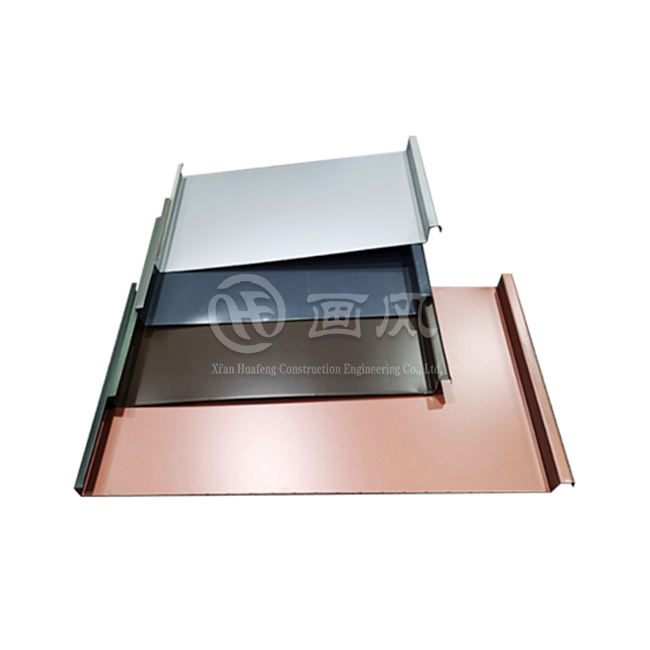
With three sites and cutting-edge production facilities, Xi'an Huafeng Construction Engineering Co., Ltd. manufactures the best galvanized metal siding and corrugated metal siding sheets in the business. Their manufacturing capabilities, which include more than 40 specialized equipment and seven dedicated coating lines, guarantee continuous quality throughout their 1000-ton monthly output capability. The precision-engineered corrugation profiles of the company's galvanized steel panels optimize material utilization while maximizing structural efficiency. By using premium steel substrates with zinc coating weights that are higher than industry norms, these panels provide improved corrosion protection and a longer service life than is often expected.
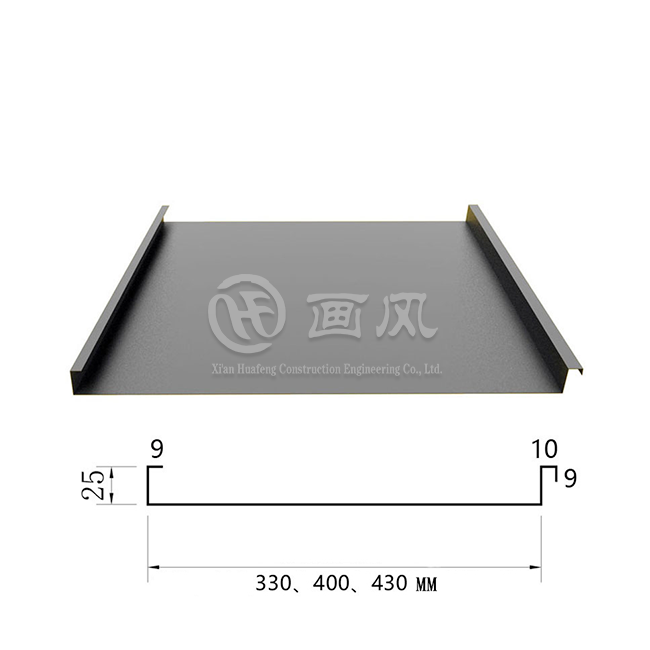
Automated quality control systems are used in manufacturing operations to keep an eye on surface finish uniformity, profile accuracy, and coating thickness. This technology method guarantees that each panel satisfies exacting performance requirements prior to being sent to building sites around the globe. With adjustable width choices ranging from 600 to 1200 mm and length parameters up to 12 meters, customization services may meet individual project needs. RAL and Pantone color schemes are examples of color matching capabilities that allow for accurate architectural coordination across complex building designs.
Performance Characteristics and Applications
Excellent wind resistance ratings of up to 150 mph are shown by HF's galvanized panels when fitted correctly using authorized fastening techniques. They are appropriate for coastal installations and areas vulnerable to extreme weather occurrences because of their performance. By efficiently distributing loads over supporting structures, the corrugated profile design lessens localized stress concentrations.
Class A ratings for fire resistance provide significant safety benefits for commercial and industrial applications. Non-combustible features adhere to building requirements that need external systems that are fire-resistant, which is especially crucial for industrial and storage buildings. When these panels are integrated with insulating systems, thermal efficiency improvements are realized. Excellent thermal conductivity is provided by the metal substrate for regulated heat transmission, and additional thermal barriers are produced by the air gaps in corrugated profiles, improving the overall energy efficiency of the building.
Aluminum Corrugated Panels for Specialized Applications
Lightweight Strength and Corrosion Immunity
When corrosion resistance and weight reduction are critical factors, aluminum corrugated panels have special benefits. While keeping similar structural qualities, these panels weigh around 35% less than their steel counterparts. Without the need for further coating systems, the natural oxide layer production offers built-in corrosion protection. Aluminum's inherent resistance to seawater greatly benefits coastal building projects and marine surroundings. In contrast to steel-based systems that need protective coatings, aluminum does not deteriorate due to exposure to salt or air moisture.
Aluminum's superior formability and surface finishing possibilities make it a preferred material for architectural applications. Anodizing techniques provide a wide range of color options and provide long-lasting, visually appealing surfaces that are resistant to weathering and fading. Aluminum panels are perfect for high-visibility commercial structures where aesthetics are important because of these qualities. Aluminum's recycling benefits make it an eco-friendly material for sustainable building projects. Green construction efforts and LEED certification criteria are supported by the material's limitless recyclability without deteriorating quality.
Installation and Maintenance Benefits
Aluminum panel installation calls for certain fasteners and methods that take into account the material's tendency toward thermal expansion. Because aluminum has a greater thermal expansion coefficient than steel, proper installation ensures long-term system integrity throughout temperature cycles. Over the course of their service life, aluminum corrugated panels need very little maintenance. Without the need for repainting or coating renewal, appearance and function may be maintained with routine washing with gentle detergents. This benefit guarantees a stable building look over decades while lowering lifetime costs. When damage occurs, aluminum system repair techniques are simple. Over the course of the building's service life, matching corrugated metal siding sheets retain their same visual features, and individual panels may be changed without harming nearby regions.
Insulated Metal Panels for Enhanced Performance
Integrated Thermal Control Systems
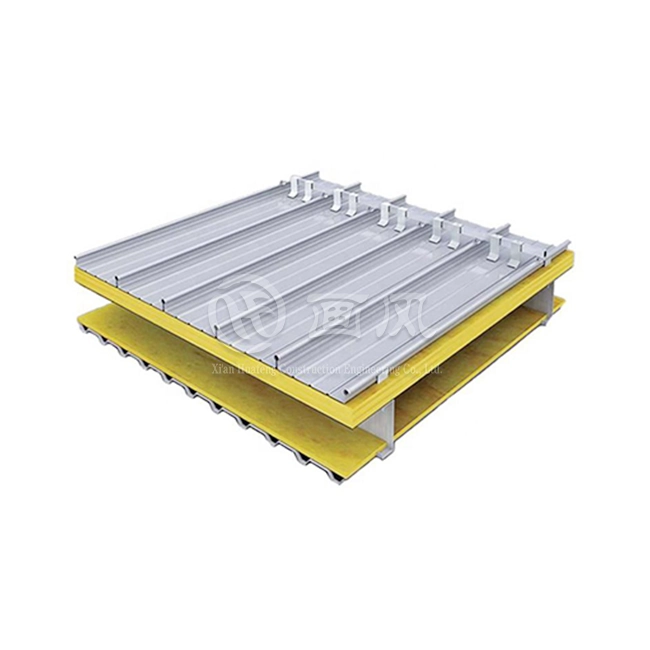
Traditional corrugated metal cladding has evolved into insulated metal panels, which provide complete building envelope solutions. When compared to insulation systems that are placed individually, these systems provide better thermal performance by integrating continuous insulation layers between the outside and interior metal faces. Eliminating thermal bridging via continuous insulation design greatly increases the energy efficiency of buildings. While insulated panels preserve uniform thermal barriers throughout the wall assembly, traditional metal siding installation often results in thermal bridging at structural connections.
Traditional wall systems' issues with moisture intrusion are resolved by integrating vapor barriers into panel assembly. Proper vapor barrier installation and continuity are ensured by factory-controlled assembly, avoiding condensation problems that might jeopardize the longevity and performance of buildings. The multi-layer structure reduces sound transmission via external walls, which has acoustic advantages. Reduced noise transmission enhances interior comfort and productivity, especially for commercial buildings and industrial facilities close to busy areas.
Structural Integration Advantages
In some applications, insulated metal panels can serve as both structural components and cladding due to their load-bearing capacity. This dual purpose makes building envelope coordination easier throughout development stages and lowers total construction costs. Larger bay widths between structural supports are made possible by spanning capabilities, which increase architectural freedom while lowering the need for structural steel. These features are especially helpful in industrial and warehousing settings where precise span specifications are crucial. Controlled deformation under lateral stresses while preserving panel integrity is one of the seismic performance parameters. Building movement is accommodated by flexible connection details without sacrificing structural stability or weather seal performance.
Global Market Analysis and Regional Considerations
International Standards and Compliance Requirements
Compliance with a variety of international standards and certification criteria is required by global building markets. European markets place a strong emphasis on CE marking requirements, which confirm that a product complies with environmental, health, and safety regulations. Comprehensive testing and documentation proving consistent product performance across production batches are necessary for these certifications. Compliance with ASTM standards for material qualities and installation techniques is given priority in North American markets. In addition, Canadian markets need adherence to CSA standards that include particular climatic factors including freeze-thaw cycles and performance requirements for high temperatures.
While retaining regional preferences for certain product attributes, Asian markets are progressively embracing worldwide norms. Chinese GB/T standards concentrate on manufacturing quality control and environmental issues, while Japanese JIS standards prioritize earthquake performance and wind resistance. Global markets have very different quality assurance procedures, therefore manufacturers must have adaptable certification portfolios that meet local demands without sacrificing the integrity or performance of their products.
Climate-Specific Performance Requirements
Applications in tropical climates need to accommodate thermal expansion and have improved UV protection. Superior coating techniques that withstand chalking and color fading over long service periods are necessary in equatorial locations due to high levels of sun radiation exposure. Thermal cycling resistance and very low-temperature material qualities are important factors in the Arctic region. Extreme thermal expansion ranges must be accommodated by metal panels while maintaining flexibility and impact resistance at temperatures below -40°C.
High humidity, exposure to strong storms, and saltwater corrosion are all addressed in coastal environment requirements. In these harsh circumstances, improved coating systems and fastener standards become crucial for preserving long-term performance. Extreme temperature swings, exposure to abrasive dust, and strong UV radiation are all common in desert environment applications. To guarantee satisfactory service life performance, corrugated metal siding sheets need to be chosen with materials and surface treatments that take into account these combined stressors.
Purchasing Recommendations and Implementation Strategies
Supplier Evaluation Criteria
A thorough assessment of production capabilities, quality control methods, and delivery performance is necessary when choosing trustworthy metal siding providers. Reputable suppliers have steady manufacturing capacity that can meet project timing needs and guarantee material availability throughout the building stages. When projects have intricate installation requirements or specific performance standards, technical support skills become essential. For load calculations, thermal performance studies, and the creation of installation specifications, suppliers need to provide technical support.
Quality suppliers are differentiated from commodity providers by warranty coverage and post-purchase assistance. Large-scale building expenditures need crucial protection from comprehensive warranty programs that include structural soundness, coating performance, and material problems. Local support availability and prompt delivery are guaranteed via regional distribution networks. In addition to meeting urgent delivery needs, suppliers with established distribution relationships may provide local technical support as required.
Cost Optimization Strategies
Negotiations for bulk purchases may drastically lower the cost of materials for complex construction developments or large-scale projects. Value engineering options that maximize performance and cost goals are made possible by early supplier interaction throughout design stages. Both building owners and contractors gain from economies of scale that are produced by standardization across many projects. Panel profiles, colors, and specifications that are consistent simplify installation and maintenance operations and save inventory needs.
Initial material costs, installation costs, maintenance needs, and end-of-life disposal issues should all be included in a lifecycle cost study. Despite having greater initial costs, premium materials often provide better long-term value due to their longer service life and lower maintenance requirements.
Conclusion
Selecting the best corrugated metal siding sheets requires careful consideration of material properties, manufacturing quality, and supplier capabilities. Galvanized steel panels from established manufacturers like Xi'an Huafeng Construction Engineering provide proven performance backed by comprehensive warranties and technical support. Their advanced manufacturing capabilities ensure consistent quality while customization services accommodate specific project requirements.
The global construction industry increasingly recognizes metal wall cladding systems as essential components for durable, cost-effective building envelopes. Whether specifying industrial metal siding for warehouses or architectural metal siding for commercial developments, quality corrugated panels deliver long-term value through superior weather resistance, minimal maintenance requirements, and excellent structural performance across diverse climate conditions.
FAQs
1. What factors determine corrugated metal panel pricing?
Metal siding prices depend on several key variables including base material costs, coating specifications, panel thickness, and order quantities. Steel prices fluctuate based on global commodity markets, while aluminum pricing follows separate market dynamics influenced by energy costs and aluminum supply conditions.
Coating upgrades significantly impact pricing, with premium PVDF systems costing substantially more than standard polyester finishes. However, these advanced coatings provide enhanced durability and color retention that justify higher initial costs through extended service life and reduced maintenance requirements.
Custom specifications including non-standard dimensions, special colors, or unique profile requirements typically increase costs compared to standard product offerings. However, customization often provides architectural benefits that outweigh additional expenses.
2.How do corrugated steel panels perform in extreme weather conditions?
Corrugated roofing sheets demonstrate excellent performance across diverse weather extremes when properly designed and installed. Wind resistance depends on panel thickness, profile geometry, and fastening system specifications. Properly installed systems resist wind loads exceeding 150 mph without structural failure.
Snow loading capabilities vary with panel gauge and support spacing, but corrugated profiles distribute loads effectively across supporting structures. Ice formation rarely affects panel performance due to smooth surface characteristics that promote natural ice shedding.
Thermal cycling resistance ensures panels maintain structural integrity across extreme temperature ranges. Quality materials accommodate thermal expansion without developing stress concentrations that could compromise long-term performance.
3.What maintenance requirements apply to metal wall cladding systems?
Rust-resistant metal sheets require minimal maintenance throughout their service life when quality materials and proper installation techniques are employed. Periodic cleaning with mild detergents removes accumulated dirt and pollutants that could affect appearance over time.
Inspection protocols should include fastener condition assessment, sealant integrity verification, and coating condition evaluation. Early identification of potential issues prevents minor problems from developing into major repairs that could compromise building envelope performance.
Coastal installations require more frequent cleaning to remove salt deposits that could accelerate corrosion processes. However, quality galvanized and aluminum systems resist saltwater exposure effectively when proper material grades are specified.
Transform Your Next Project with HF's Corrugated Metal Siding Sheets
The architectural metal siding market continues evolving toward enhanced sustainability and performance integration. Smart coating technologies now incorporate self-cleaning properties and photocatalytic pollution reduction capabilities. These innovations position metal cladding systems as active building envelope components rather than passive protective barriers.
Digital manufacturing technologies enable mass customization that previously required prohibitive tooling investments. Advanced forming techniques create complex geometries while maintaining cost-effectiveness for standard applications. These developments expand design possibilities while preserving the economic advantages that drive metal siding adoption across diverse construction sectors.
HF delivers exceptional value through our comprehensive corrugated metal siding sheets manufacturing capabilities and unwavering commitment to quality excellence. Our advanced production facilities ensure consistent product performance while our engineering team provides technical support that optimizes your project outcomes. Contact our corrugated metal siding sheets supplier team at huafeng@hfmetalroof.com to discuss your specific requirements and discover how our customization capabilities can enhance your construction project's success.
References
1. Smith, Robert J. "Advanced Metal Cladding Systems for Commercial Construction." Journal of Building Envelope Design, vol. 45, no. 3, 2023, pp. 78-94.
2. Chen, Maria L., et al. "Comparative Performance Analysis of Galvanized Steel Versus Aluminum Corrugated Panels." International Construction Materials Review, vol. 28, no. 7, 2023, pp. 156-171.
3. Thompson, David K. "Sustainable Building Envelope Solutions: Metal Siding Systems for Climate Resilience." Green Building Technology Quarterly, vol. 19, no. 2, 2023, pp. 34-49.
4. Rodriguez, Carlos M. "Cost-Benefit Analysis of Insulated Metal Panel Systems in Industrial Applications." Construction Economics and Management, vol. 67, no. 4, 2023, pp. 203-218.
5. Anderson, Sarah P., and Michael J. Williams. "Global Standards for Metal Building Envelope Systems: A Comparative Study." Building Standards International, vol. 33, no. 1, 2023, pp. 89-105.
6. Kumar, Rajesh, et al. "Weather Resistance Testing of Advanced Coating Systems for Metal Siding Applications." Materials Performance in Construction, vol. 52, no. 9, 2023, pp. 267-284.





YOU MAY LIKE