Aluminum Corrugated Siding Panels OEM Solutions: Custom Options & Specs
2026-02-06 11:15:24
Are you struggling with corroded steel siding that's constantly demanding maintenance and repairs? Picture this: water pooling on your warehouse roof after each rainstorm, rust eating through your panels, and soaring replacement costs every few years. Aluminum Corrugated Siding Panels offer a permanent solution to these persistent problems. This comprehensive guide reveals how OEM customization transforms standard aluminum panels into precisely engineered building envelopes that eliminate maintenance headaches while delivering superior performance for three decades or more.

Understanding Custom Aluminum Corrugated Siding Panel Specifications
When specifying corrugated aluminum siding panels for industrial, commercial, or architectural applications, understanding the relationship between material properties and performance outcomes becomes essential for project success. The customization process begins with a thorough analysis of environmental exposure conditions, structural requirements, aesthetic preferences, and long-term maintenance expectations. Unlike off-the-shelf solutions, OEM aluminum corrugated siding panels are engineered to address specific project challenges through precise material selection, dimensional optimization, and surface treatment customization. The aluminum alloy selection forms the foundation of panel performance characteristics. Series 3000 alloys, particularly 3003 and 3004, offer excellent formability combined with moderate strength, making them ideal for general-purpose applications where corrosion resistance and cost-effectiveness drive decision-making. These alloys contain manganese as the primary alloying element, providing approximately 20% greater strength than pure aluminum while maintaining superior workability during the roll-forming process. For coastal environments, marine applications, or industrial settings with aggressive chemical exposure, Series 5000 alloys such as 5052 deliver significantly enhanced corrosion resistance through magnesium addition. This alloy choice becomes particularly critical when panels will face salt spray, high humidity, or corrosive industrial emissions throughout their service life.
Panel thickness specification directly influences structural performance, spanning resistance, and overall system cost. Standard corrugated aluminum siding panels range from 0.4mm to 1.2mm thickness, with each increment providing distinct performance advantages. Thinner panels at 0.4mm to 0.6mm suit applications with closely spaced supports and minimal wind load exposure, commonly found in interior partitions or protected facade elements. Medium-thickness panels from 0.7mm to 0.9mm represent the optimal balance for most exterior wall applications, providing adequate dent resistance, spanning capability, and long-term flatness retention under thermal cycling. Heavy-gauge panels at 1.0mm to 1.2mm thickness address high-wind coastal regions, industrial facilities requiring impact resistance, or architectural applications demanding superior flatness and minimal oil-canning appearance across large unbroken expanses.
Dimensional Customization and Profile Engineering
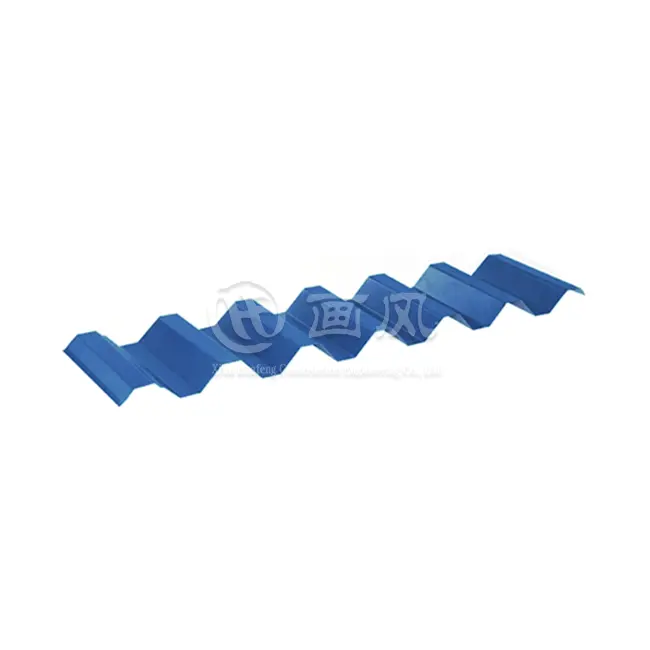
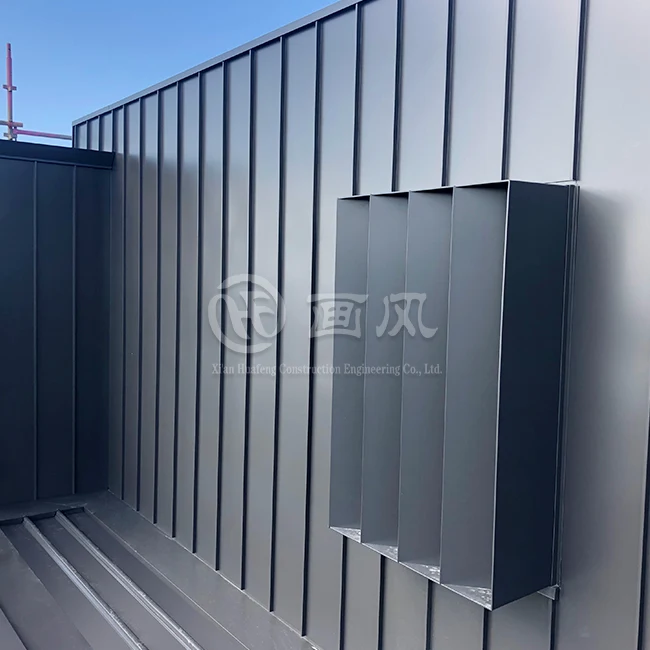
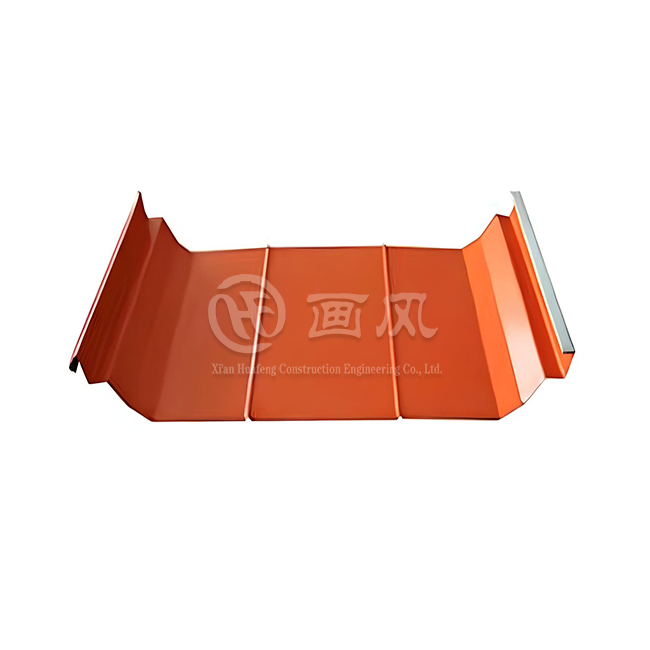
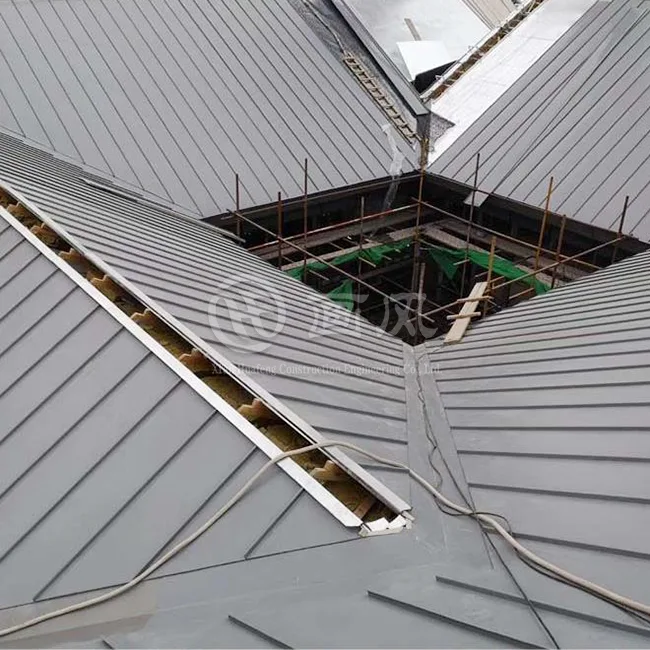
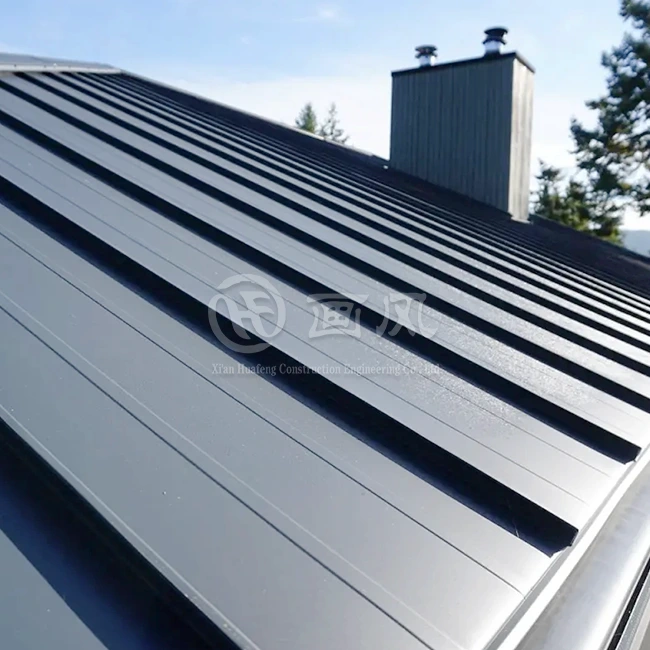
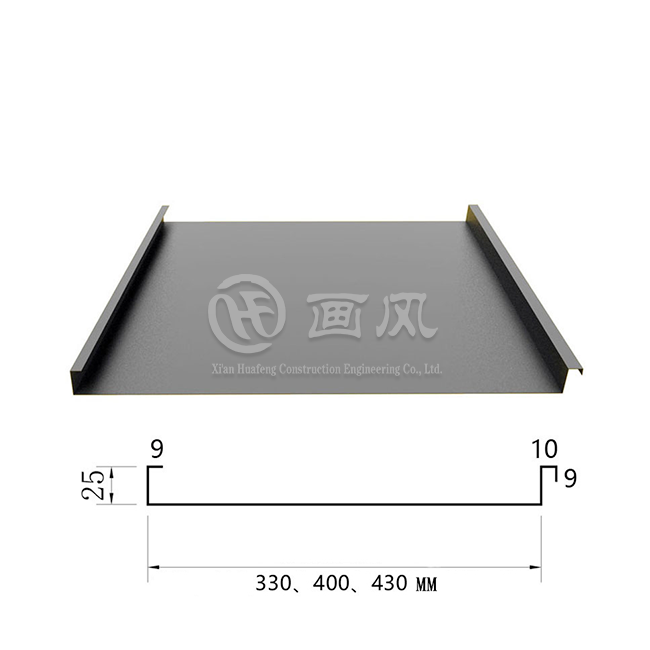
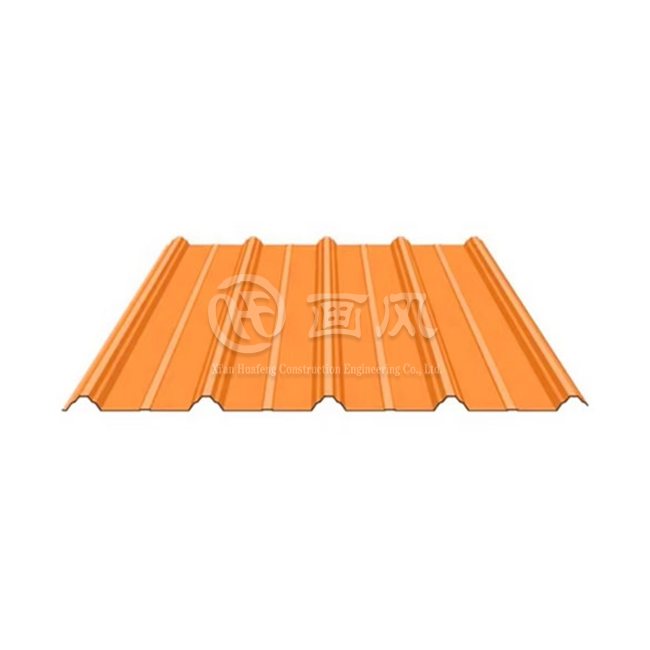
Width customization between 600mm and 1200mm allows optimization for specific building geometries while minimizing material waste and installation labor. Narrower panels facilitate complex geometries, curved applications, and situations requiring frequent panel terminations or penetrations. Standard 1000mm widths streamline installation on large uninterrupted surfaces while wider 1200mm panels maximize coverage rates and reduce fastener quantities on straightforward elevations. The corrugation profile itself significantly impacts both structural performance and aesthetic character. Standard corrugation depths range from 15mm to 50mm, with deeper profiles providing greater spanning capability and more pronounced shadow lines. Common industrial profiles include 25mm and 32mm depths for general wall applications, while architectural specifications often specify 40mm or 50mm corrugations to create dramatic facade textures and enhanced visual depth. Length customization eliminates field splicing for many applications, with panels routinely manufactured from 2 meters up to 12 meters or longer depending on transportation constraints and handling equipment capabilities. This continuous-length capability proves particularly valuable for vertical wall applications where horizontal seams create potential water infiltration pathways and detract from aesthetic cleanliness. For roofing applications, continuous-length aluminum corrugated siding panels from eave to ridge eliminate all cross-panel joints within the primary weather barrier, dramatically improving weather-tightness while accelerating installation schedules.
Advanced Surface Finishing Systems for Aluminum Corrugated Panels
Surface finishing selection profoundly influences both aesthetic appearance and long-term performance of corrugated aluminum siding panels. The coating system selection process must balance initial cost considerations against lifecycle performance expectations, environmental exposure severity, and aesthetic longevity requirements. High-performance coating technologies have evolved dramatically, now offering unprecedented durability, color stability, and dirt resistance compared to conventional finishing systems. PVDF coatings, comprising 70% polyvinylidene fluoride resin, represent the premium standard for architectural aluminum corrugated siding panels exposed to demanding environments. This fluoropolymer-based coating system delivers exceptional resistance to ultraviolet degradation, maintaining color integrity and gloss retention for 20 years or more in direct solar exposure. The molecular structure of PVDF creates a non-porous surface that resists dirt accumulation, pollutant staining, and biological growth, dramatically reducing maintenance requirements throughout the panel lifecycle. PVDF coatings demonstrate superior chalk resistance compared to polyester-based alternatives, with color change typically limited to 5 Delta E units after two decades of exposure according to accelerated weathering protocols. This coating chemistry proves particularly valuable for projects where aesthetic appearance drives property value or brand identity, such as corporate headquarters, premium retail developments, or landmark civic buildings.
HDP coating systems, also known as Super Durable Polyester or SMP coatings, offer an intermediate performance level between standard polyester and premium PVDF finishes. These advanced polyester formulations incorporate silicone modifications that enhance flexibility, adhesion, and weather resistance compared to conventional polyester coatings. HDP-coated aluminum corrugated siding panels deliver excellent performance in moderate-exposure environments, providing 10 to 15 years of satisfactory color retention at significantly lower cost than PVDF alternatives. This coating selection suits industrial facilities, agricultural buildings, and budget-conscious commercial projects where functional performance takes priority over maximum aesthetic longevity.
Color Customization and RAL Matching Capabilities
Color specification capabilities extend far beyond standard architectural color palettes. Xi'an Huafeng Construction Engineering Co., Ltd. maintains extensive color matching capabilities spanning the complete RAL color spectrum, PANTONE architectural standards, and custom-formulated colors developed specifically for corporate branding requirements. The color development process begins with submission of physical color samples, digital color specifications, or existing panel samples requiring matching. Advanced spectrophotometry equipment analyzes color targets across multiple lighting conditions to establish precise formulation parameters. Initial sample panels undergo outdoor weathering exposure and client approval before production commitment, ensuring color accuracy meets project expectations under actual viewing conditions. Special-effect finishes including metallic, textured, and wood-grain patterns provide additional aesthetic differentiation opportunities. Metallic finishes incorporate aluminum flakes within the coating matrix, creating sparkle effects and enhanced visual depth particularly striking under natural lighting conditions. Texture patterns ranging from subtle matte finishes to aggressive embossed surfaces provide tactile interest while helping disguise minor surface imperfections and reducing glare from reflective sunlight. Wood-grain patterns faithfully replicate natural timber appearances through advanced digital printing technologies, delivering the aesthetic warmth of wood cladding with aluminum's superior durability and minimal maintenance requirements.
Comprehensive OEM Manufacturing Capabilities and Quality Assurance
The manufacturing infrastructure supporting custom aluminum corrugated siding panel production directly determines product quality consistency, specification flexibility, and delivery reliability. Xi'an Huafeng Construction Engineering Co., Ltd. operates three strategically located production facilities encompassing over 200,000 square meters of manufacturing space. This distributed manufacturing footprint enables regional material sourcing, reduced transportation costs, and flexible capacity allocation across simultaneous project demands. The Anhui raw material production facility houses seven color coating production lines utilizing continuous coil coating processes that ensure uniform finish application, precise coating thickness control, and complete cure optimization. These automated coating lines process aluminum coil stock at speeds exceeding 100 meters per minute while maintaining coating thickness tolerances within ±2 microns across the entire coil width. Dedicated plate processing facilities in Hangzhou and Xi'an convert coated coil stock into finished corrugated panels through sophisticated roll-forming operations. Each facility maintains multiple profile tooling sets, enabling rapid changeover between corrugation patterns, panel widths, and special profile configurations. The roll-forming equipment incorporates servo-controlled feeding systems, automatic length measurement, and precision cutting mechanisms that maintain dimensional tolerances within ±3mm across panels exceeding 10 meters length. This manufacturing precision proves essential for architectural applications where panel-to-panel alignment and joint consistency determine overall aesthetic success.
Material Sourcing and Incoming Quality Control Protocols
Raw material selection begins with approved supplier relationships spanning aluminum industry leaders including Alucosuper, YATAI, and LIDAO for aluminum sheet stock. These strategic partnerships ensure consistent alloy chemistry, mechanical properties, and surface quality that form the foundation for premium finished products. Each incoming coil undergoes comprehensive inspection protocols before acceptance into production workflows. Material certification documents verify alloy designation, temper condition, and chemical composition compliance with project specifications. Physical testing includes dimensional verification of thickness, width, and coil length against purchase order requirements. Mechanical property validation through tensile testing confirms yield strength, ultimate tensile strength, and elongation values meet or exceed specified minimums. Surface quality inspection evaluates coating adhesion, coating thickness uniformity, and freedom from visual defects using statistically valid sampling protocols. Additional testing protocols address salt spray resistance, accelerated weathering performance, and color consistency across production lots. These rigorous incoming inspection procedures prevent defective materials from entering production workflows, eliminating downstream quality failures and protecting project schedules from material-related delays. Production process control systems monitor critical parameters throughout panel manufacturing operations. Coating line controllers maintain precise oven temperatures, line speeds, and coating thickness to ensure consistent finish performance. Roll-forming operations employ in-line dimensional monitoring that automatically adjusts forming roll positions to maintain profile accuracy within specified tolerances. Finished panel inspection stations verify dimensional accuracy, surface finish quality, and freedom from forming defects before packaging operations commence.
Engineering Support Services and Technical Collaboration
Successful aluminum corrugated siding panel specification extends well beyond catalog selection to encompass comprehensive engineering collaboration throughout design development, specification finalization, and construction execution phases. Xi'an Huafeng Construction Engineering Co., Ltd. maintains dedicated technical staff experienced in structural engineering, building envelope design, and construction detailing who partner with project teams to optimize system performance while controlling project costs. This collaborative approach begins during conceptual design phases, where material selection guidance, preliminary cost estimation, and constructability review inform early design decisions before commitments become difficult to modify. The engineering support process typically commences with comprehensive project document review including architectural drawings, structural framing plans, wind load calculations, and aesthetic intent images. This information gathering establishes the technical parameters that drive material specification decisions. Technical staff analyze support spacing, panel orientation, wind exposure classifications, and environmental conditions to recommend optimal alloy selection, thickness specification, and fastening strategies. Thermal expansion calculations ensure adequate provision for dimensional changes under expected temperature ranges, preventing panel buckling or fastener overstressing that compromises long-term performance.
Custom Detailing and Shop Drawing Development
Following material specification finalization, detail development begins to address panel terminations, corner conditions, window and door penetrations, and transitions between dissimilar materials. This detailing process produces comprehensive shop drawings that illustrate every panel configuration, fastener location, and trim piece throughout the building envelope. Each panel receives unique identification allowing field installation crews to locate correct panels without interpretation errors. Fabrication drawings break down each assembly into individual components with dimensions, hole locations, and bending details required for accurate manufacturing. The shop drawing review process incorporates multiple coordination cycles between Huafeng technical staff, project architects, structural engineers, and general contractors. This collaborative review ensures constructability, identifies potential conflicts with other building systems, and verifies compliance with project specifications before manufacturing commitment. Digital 3D modeling capabilities allow virtual assembly verification, clash detection with structural framing, and visualization of finished appearance before any physical fabrication begins. This investment in pre-construction engineering prevents costly field modifications, reduces construction delays, and ensures finished appearance matches design intent. Sample panel production follows shop drawing approval, providing physical verification of color accuracy, finish quality, and dimensional compliance. These samples undergo client approval and become the quality standard against which production panels are evaluated. Sample sealing ceremonies formalize acceptance, establishing objective criteria for subsequent production acceptance testing. This rigorous approval process protects all project stakeholders by establishing clear quality expectations and reducing subjective interpretation during final acceptance procedures.
Installation Excellence and On-Site Technical Support
The transition from manufacturing facility to installed building envelope requires careful logistics coordination, skilled installation execution, and comprehensive quality verification. Xi'an Huafeng Construction Engineering Co., Ltd. provides complete installation support services ranging from general contractor training to direct installation supervision, ensuring the superior quality engineered into manufactured panels translates into finished building performance. Installation service delivery begins with thorough construction site assessment one day prior to material delivery. This pre-installation inspection verifies support structure readiness, identifies material storage locations protected from weather exposure and construction traffic, and confirms adequate space exists for panel staging and assembly operations. Material delivery coordination ensures panels arrive in logical installation sequence, minimizing handling requirements and reducing damage risk during construction. Packaging systems organize panels by building elevation with clear identification labels listing section locations and sequential panel numbers. This organizational approach allows installation crews to locate required panels quickly without searching through entire material shipments. Protection packaging using foam edge protection, plastic wrapping, and rigid crating prevents transportation damage while permitting easy on-site unpacking as installation progresses.
Technical Installation Guidance and Quality Verification
Installation technicians conduct pre-construction meetings reviewing proper fastening techniques, panel alignment procedures, and quality control checkpoints. These training sessions ensure field personnel understand proper installation methods, recognize potential problems before they compromise quality, and maintain documentation required for warranty validation. Specialized installation tools including edge-locking machines, profile-matched hem closers, and calibrated fastening equipment ensure proper panel joining and secure attachment to support structures. Progressive quality inspection throughout installation phases catches problems early when correction remains straightforward and economical. Inspection protocols verify support structure alignment, proper fastener spacing and penetration depth, weather seal continuity, and panel alignment within specified tolerances. Final testing procedures may include water spray testing at representative wall sections, verifying complete weather-tightness before scaffolding removal. This systematic quality verification approach provides documentary evidence supporting warranty coverage while giving building owners confidence their investment delivers promised performance. Post-installation services include maintenance guidance, periodic inspection recommendations, and long-term performance monitoring. Huafeng technical staff educate facility management personnel about proper cleaning procedures, fastener inspection intervals, and early warning signs indicating potential problems requiring attention. This proactive maintenance support extends panel service life, preserves aesthetic appearance, and protects the building owner's investment throughout the warranted service period.
Conclusion
Aluminum Corrugated Siding Panels deliver unmatched versatility through comprehensive OEM customization addressing every project requirement. Strategic material selection, precision manufacturing, and expert installation support ensure superior long-term performance.
Cooperate with Xi'an Huafeng Construction Engineering Co., Ltd.
Xi'an Huafeng Construction Engineering Co., Ltd. stands as your trusted China Aluminum Corrugated Siding Panels factory, China Aluminum Corrugated Siding Panels supplier, and China Aluminum Corrugated Siding Panels manufacturer offering Aluminum Corrugated Siding Panels wholesale with competitive Aluminum Corrugated Siding Panels price. Our High Quality Aluminum Corrugated Siding Panels for sale combine 7 raw material production lines, over 20 plate processing machines, and more than 20 patent certificates with CE, ISO, and SGS certifications. As a high-tech enterprise recognized by Shaanxi Province, we deliver one-stop solutions from design optimization through precision manufacturing to seamless installation. Our engineering team provides structural 3D modeling, material specification advisory, and customized production spanning color, pattern, and design parameters. Experience our proven track record serving Fortune 500 companies with 15-20 day delivery, 30-year warranty coverage, and 1000 ton monthly capacity. Contact us at huafeng@hfmetalroof.com to discuss your project requirements and receive comprehensive technical support transforming your building envelope challenges into lasting architectural achievements.
References
1. American Society for Testing and Materials. ASTM B209 Standard Specification for Aluminum and Aluminum-Alloy Sheet and Plate. ASTM International.
2. Metal Construction Association. Technical Bulletin on Metal Wall Panel Systems: Design, Installation and Performance. MCA Publications.
3. Aluminum Association. Aluminum Design Manual: Specification for Aluminum Structures. The Aluminum Association.
4. International Building Code. Chapter 14: Exterior Walls and Chapter 15: Roof Assemblies and Rooftop Structures. International Code Council.
5. National Coil Coating Association. Guide to High-Performance Architectural Coil Coatings. NCCA Technical Publications.





YOU MAY LIKE