Why Architects Prefer Black Metal Standing Seam Roof
2026-03-23 17:52:58
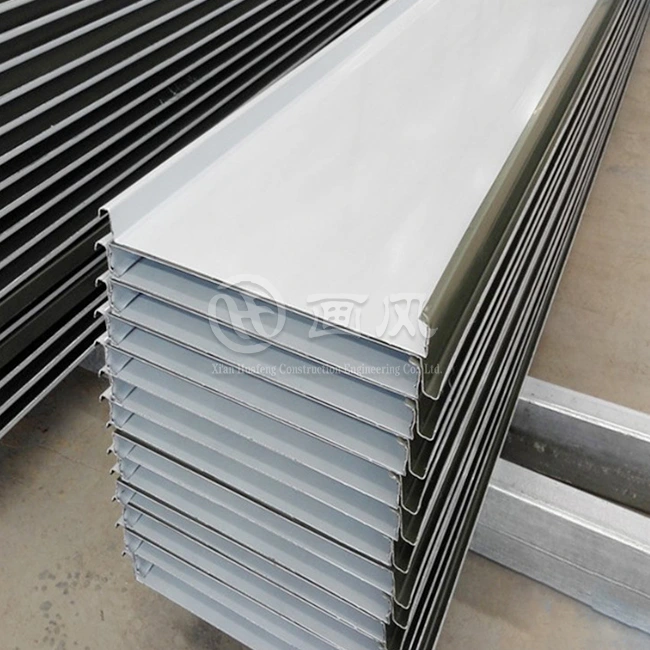
Architects consistently choose Black Metal Standing Seam Roof systems because these premium roofing solutions deliver an unmatched combination of aesthetic sophistication, structural performance, and long-term durability. The sleek profile and concealed fastener design create clean architectural lines that complement both contemporary commercial buildings and modern residential projects, while the advanced coating technology ensures decades of reliable weather protection with minimal maintenance requirements.
The Aesthetic Appeal That Drives Architectural Decisions
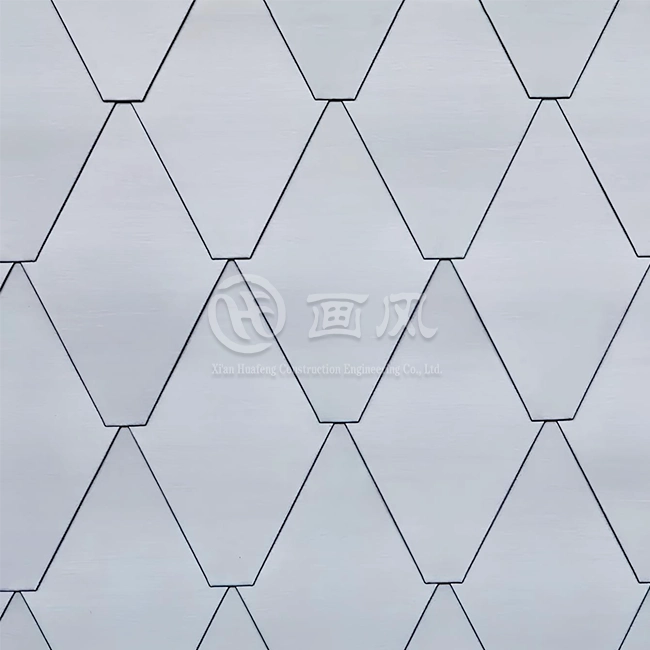
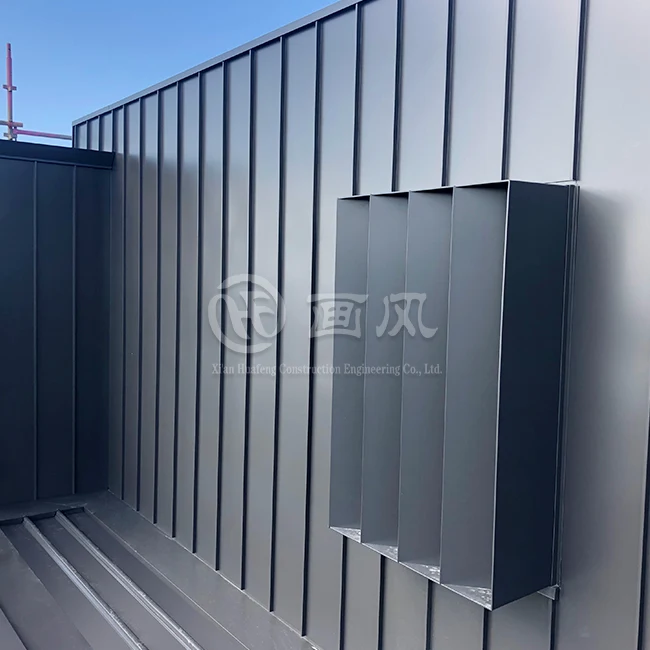
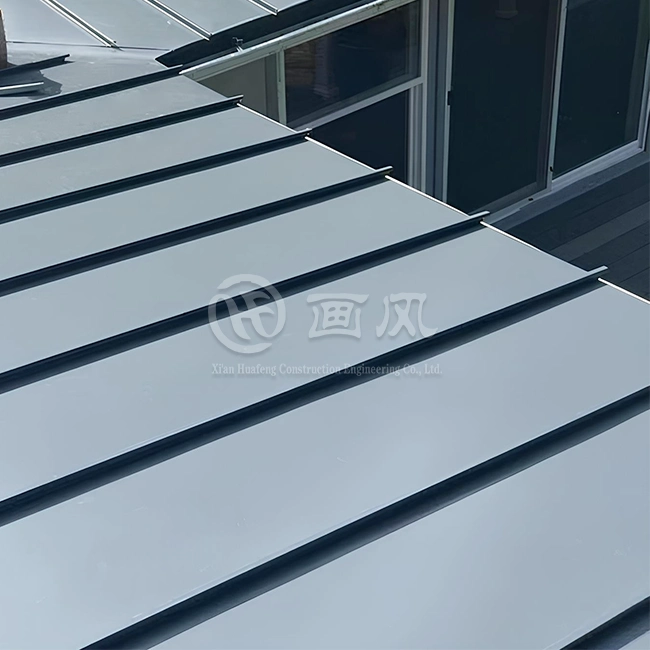
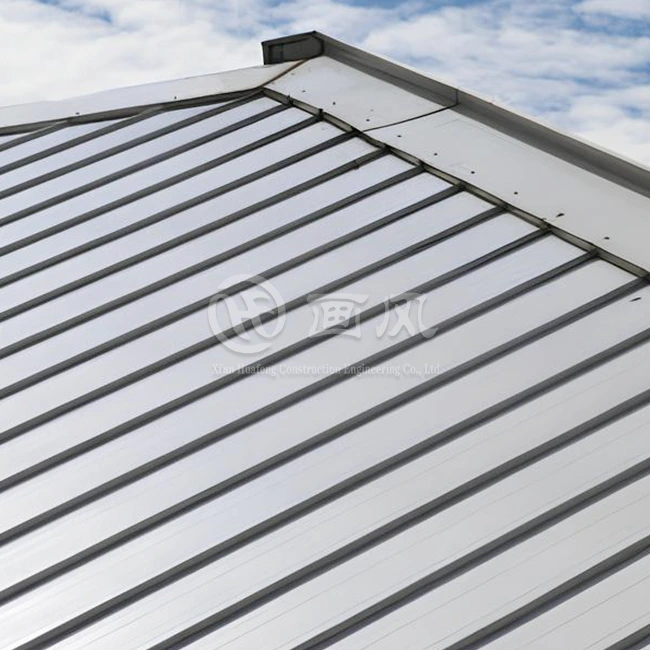
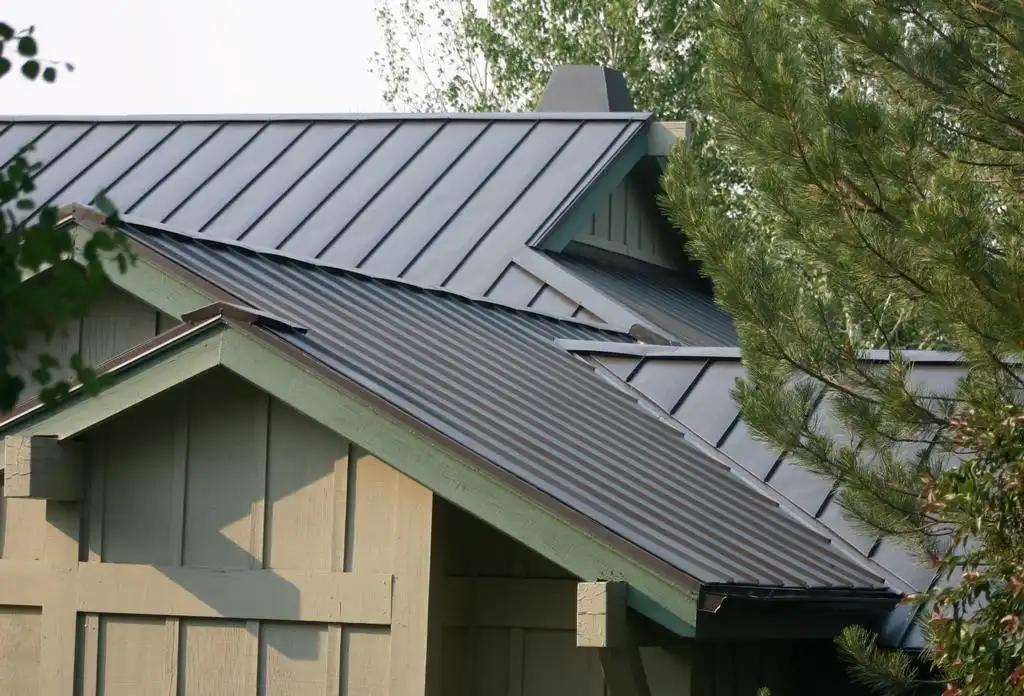
In modern architecture, it's impossible to say enough about how impressive standing seam panels look. Clean, uninterrupted lines flow smoothly across rooftops, giving modern buildings the one-piece look that builders are looking for. Today's matte and gloss black finishes take away the industrial look of traditional metal roofs and give it a more elegant look that raises property values. With darker finishes, it can be hard to keep the colour consistent across large roof areas. However, current manufacturing methods make sure that even large commercial installations look the same. The vertical seaming design gives the piece more depth while keeping the simple look that is popular in modern architecture. Because this design is so flexible, architects can use the same material for both homes and businesses without changing their creative idea. Professional designers like how black metal surfaces look with a variety of outside materials. The dark, classy look of properly finished metal roofs looks great with stone facades, modern siding, and glass curtain walls. The standing seam profile makes shadow lines that give the design more depth, which is especially useful when looking at it from above or from drone photos, which clients are asking for more and more.
Uncompromising Durability for Long-Term Performance
Weather Resistance and Structural Strength
The main technical reason builders choose metal roofing systems for their projects is that they are resistant to the weather. Extreme temperature changes, UV exposure, and water entry can't hurt galvalume substrates with advanced PVDF coatings. These things would damage less durable roofing materials. When you use mechanical seaming, you make links that are waterproof and get rid of the leaky spots that are common in penetrating fastener systems. Because of how they are built, Black Metal Standing Seam Roof standing seam connections are more resistant to wind uplift than industry norms. The raised seams support the roof and spread the weight across the whole surface, rather than putting all the stress on the fastener spots. This distributed load method works especially well in hurricane-prone areas where building rules require very high wind resistance.
Longevity and Material Performance
Managing thermal expansion with floating clip systems stops the stress cracks that happen with rigid roofing materials. The metal plates can expand and contract without breaking the weatherproof seal, even though buildings go through daily temperature changes. This movement accommodation makes the roof last a lot longer than other choices, which supports the lifecycle cost analysis that is used to make many architectural decisions. Advanced metals and coating chemistry make things resistant to corrosion, so they will work well for decades. Modern galvalume substrates offer security even if the coating on the outside gets slightly damaged. The PVDF topcoats don't fade, chalk, or break down when exposed to industrial pollutants that happen in cities.
Energy Efficiency That Supports Sustainable Design Goals
Infrared-Reflective Coatings and LEED Compliance
Cool roof technology has changed black metal roofing by adding infrared-reflective dyes that make it look darker while still keeping heat out. These special coatings get the Solar Reflectance Index values needed for LEED certification while still keeping the look that builders want. Energy-efficient roofing standards need this mix between how it looks and how well it works more and more. Thermal efficiency includes more than just surface reflectance. It also includes how well standing seam systems ventilate. The raised profile makes airflow paths naturally under the panels, which keeps heat from moving into the building. This passive cooling effect lowers the load on the HVAC system during the cooling season, which helps the environment and cuts down on running costs.
Continuous Thermal Barriers and Building Comfort
When architects define continuous thermal barriers, they can do so without compromising the integrity of the roof system because the insulation is compatible. Unlike roofing systems that need thermal bridging through fasteners, setups with standing seams keep the insulation working without stopping. This thermal efficiency helps meet stricter energy rules while also making the building more comfortable for its occupants. The bottom of metal plates that are reflective helps to block radiant heat in attics. When paired with good ventilation design, this reflective quality lowers the cooling loads in the summer and the chance of condensation in the winter. Instead of just making the minimum code standards, smart architects use these thermal properties to make the whole building more energy efficient.
Installation Advantages That Protect Project Schedules
Installation Flexibility and Project Scheduling
Project timeline protection drives many architectural specifications, and metal roofing systems excel at weather-resistant installation. Unlike membrane roofing that requires perfect weather conditions, standing seam installations proceed safely in light precipitation and moderate winds. This installation flexibility protects critical path scheduling that determines overall project completion dates. Lightweight construction reduces structural requirements compared to traditional roofing materials. Architects can specify lighter framing systems or utilize the weight savings for additional architectural features without exceeding structural capacity. This weight advantage proves particularly valuable in renovation projects where existing structures have limited load-bearing capacity.
Manufacturing Consistency and Design Freedom
Quality control during manufacturing ensures consistent panel dimensions and seam compatibility across entire projects. Professional Black Metal Standing Seam Roof contractors appreciate the precision tolerances that enable efficient installation without field modifications. This manufacturing consistency reduces installation time and eliminates the material waste associated with site-cut adjustments. The concealed fastener design simplifies installation details around roof penetrations and transitions. Architects can design complex roof geometries knowing that the seaming technology will maintain weatherproof integrity without visible fasteners that compromise aesthetic goals. This design freedom supports creative architectural solutions that differentiate projects in competitive markets.
Maintenance Benefits That Protect Lifecycle Investments
Low Maintenance and Longevity
Minimal maintenance requirements appeal to cost-conscious clients who understand lifecycle cost analysis. The non-porous surface resists algae growth, dirt accumulation, and staining that affects other roofing materials. Occasional cleaning with standard pressure washing maintains a like-new appearance for decades, eliminating the replacement cycles that characterize alternative roofing systems. Inspection accessibility through the standing seam design allows maintenance personnel to identify potential issues before they become costly problems. The raised seams provide secure attachment points for safety equipment without penetrating the weatherproof membrane. This safety advantage reduces liability concerns while enabling proactive maintenance programs.
Repairability and Performance Assurance
Repair procedures for minor damage remain straightforward through panel replacement rather than membrane patching. Individual panels can be removed and replaced without affecting adjacent areas, localizing repair costs and maintaining system integrity. This repairability provides insurance against unforeseen damage from severe weather or maintenance activities. The proven track record of properly installed systems provides confidence in long-term performance predictions. Architects can specify these systems knowing that performance data supports the durability claims essential for client satisfaction and professional liability protection.
Economic Value That Justifies Initial Investment
Total Ownership Value and ROI
Lifecycle cost analysis consistently favors metal roofing systems when architects consider total ownership expenses rather than initial installation costs. The extended service life, minimal maintenance requirements, and energy savings combine to deliver superior return on investment compared to alternative materials. Sophisticated clients understand this economic reality and appreciate architectural specifications that optimize long-term value. Insurance premium reductions reflect the reduced risk profile of Black Metal Standing Seam Roof metal roofing installations. Fire resistance, wind uplift performance, and impact resistance often qualify for significant premium discounts that offset initial cost differences. Architects can quantify these savings to support material selection recommendations.
Property Value and Warranty Benefits
Property value enhancement through premium roofing systems appeals to both commercial and residential clients focused on asset appreciation. The architectural sophistication and known durability of quality metal roofing systems contribute to higher appraisal values and faster resale potential. This value enhancement justifies the specification of premium materials even in cost-sensitive markets. Warranty coverage from reputable manufacturers provides additional economic security through guaranteed performance periods that often extend 30 years or more. These comprehensive warranties transfer to subsequent property owners, enhancing marketability and reducing uncertainty about future roofing expenses.
Conclusion
The architectural preference for Black Metal Standing Seam Roof systems reflects a comprehensive evaluation of aesthetic, performance, and economic factors that define successful building projects. The combination of sophisticated appearance, exceptional durability, energy efficiency, and lifecycle value creates compelling reasons for specification across diverse project types. As building codes evolve toward higher performance standards and clients demand sustainable solutions, metal roofing systems continue gaining market share through proven performance advantages. Professional architects recognize that material selections significantly impact both immediate project success and long-term client satisfaction, making quality metal roofing systems an increasingly popular choice for discerning clients.
Partner with HF Metal Roof for Your Next Project
HF delivers exceptional Black Metal Standing Seam Roof solutions through our advanced manufacturing capabilities and comprehensive technical support. As a trusted manufacturer with 30 years of industry expertise, our team understands the precise specifications that architects require for successful project completion. Contact huafeng@hfmetalroof.com to discuss your specific project requirements.
References
1. Metal Construction Association. "Architectural Design Guidelines for Standing Seam Metal Roofing Systems." Professional Building Standards Institute, 2023.
2. Johnson, Michael R. "Contemporary Architectural Applications of Metal Roofing: A Design Professional's Perspective." Architectural Engineering Quarterly, Vol. 45, No. 3, 2023.
3. American Institute of Architects. "Sustainable Roofing Systems: Performance Analysis and Specification Guidelines." AIA Press, 2022.
4. Thompson, Sarah L. "Energy-Efficient Building Envelope Design: The Role of Advanced Metal Roofing Systems." Green Building Research Institute, 2023.
5. International Code Council. "Metal Roofing Installation Standards and Performance Requirements." ICC Publications, 2022.
6. Davis, Robert K. "Lifecycle Cost Analysis of Commercial Roofing Systems: A Comparative Study." Construction Economics Review, Vol. 38, No. 2, 2023.





YOU MAY LIKE
(1)_1763110678300.webp "standing seam metal roof panels")