Where to Buy Trapezoidal Standing Seam Roofing in 2026?
2026-04-27 17:46:21
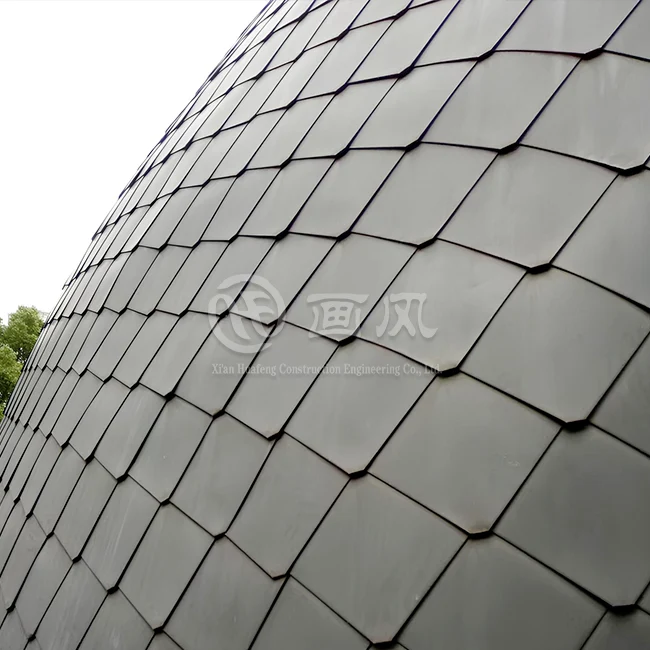
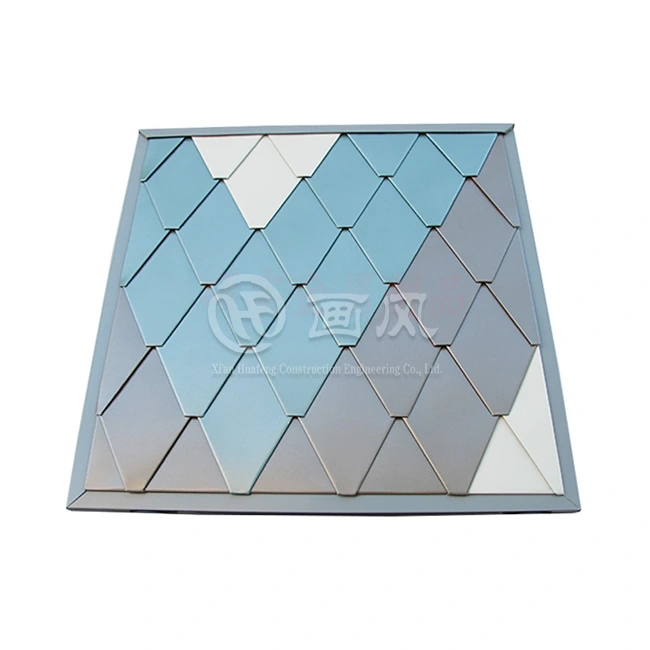
Sourcing the right trapezoidal standing seam roofing starts with identifying reputable manufacturers who understand commercial-scale demands. In 2026, procurement professionals should prioritize suppliers offering comprehensive customization, proven certifications, and rapid delivery capabilities. Companies like Xi'an Huafeng Construction Engineering Co., Ltd. exemplify this standard, providing aluminum alloy, galvanized steel, and stainless steel options with PE and PVDF coatings, backed by 30-year warranties. With minimum order quantities starting at 500 square meters and delivery within 15-20 days, such suppliers align perfectly with project timelines while accommodating color, pattern, and design customization. The best purchasing decisions come from evaluating technical specifications alongside supplier credentials and logistical efficiency.
Understanding Trapezoidal Standing Seam Roofing: Key Features and Benefits
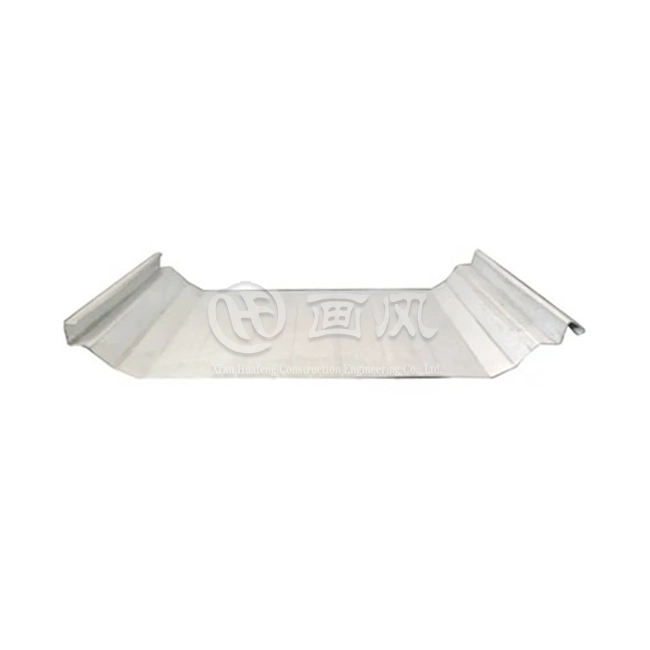
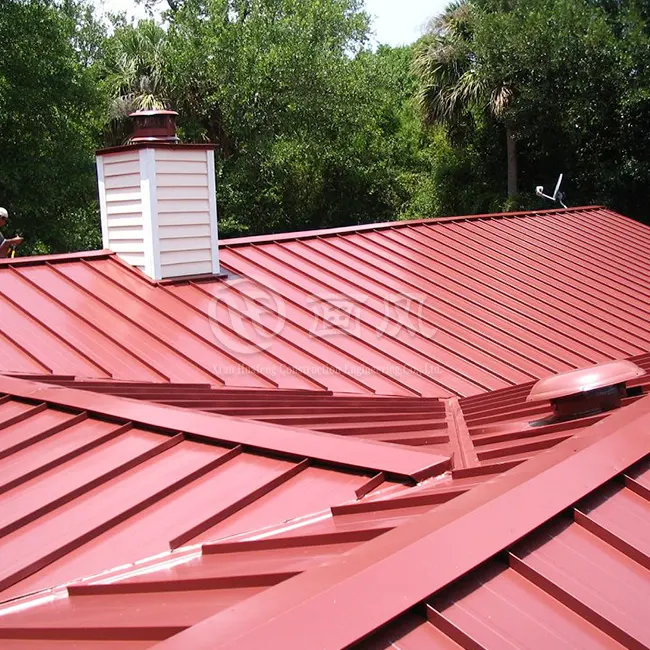
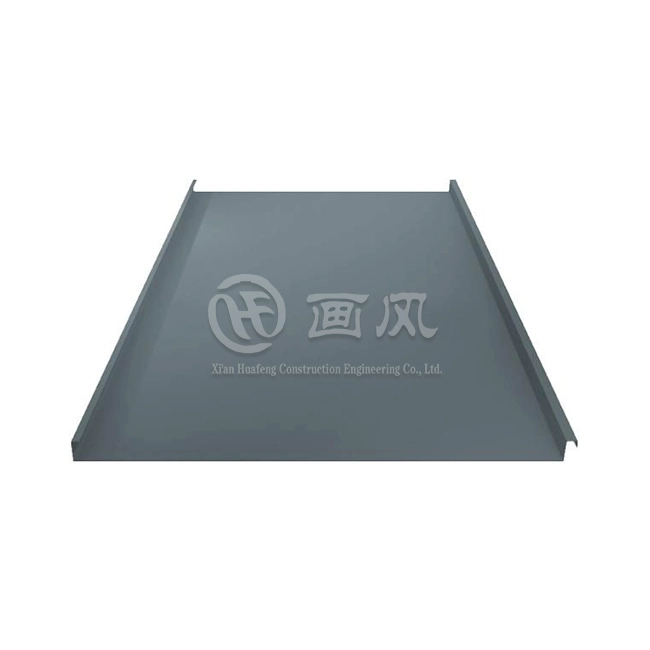
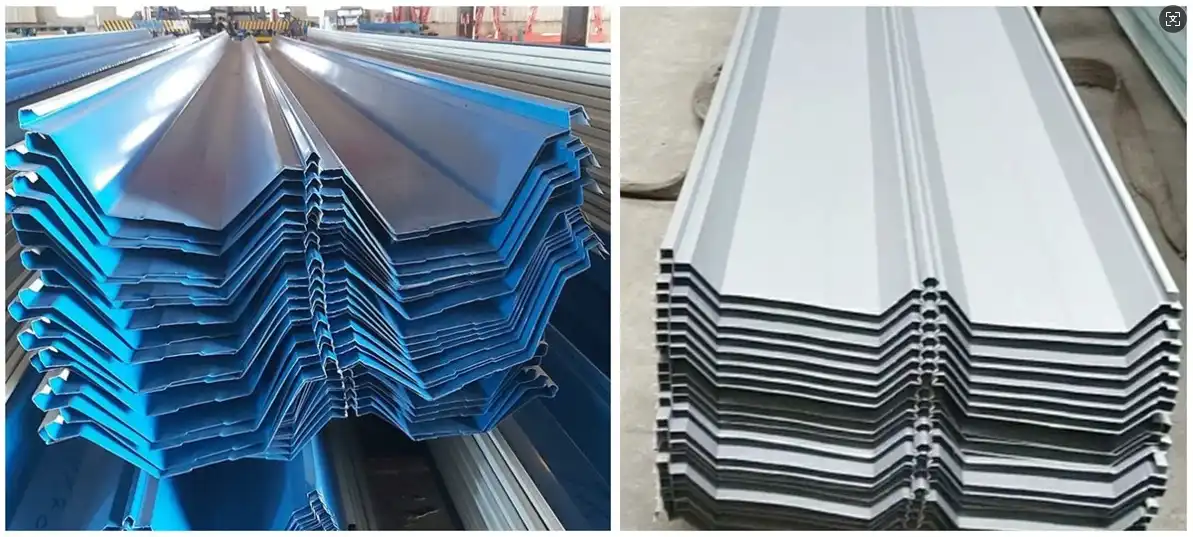
Triangular metal roofing systems are increasingly common for robust, weatherproof commercial structures. This roofing includes elevated vertical lines that automatically lock together to form a single, non-penetrating surface that eliminates leak sites. Because of its form, it can handle a lot of weight, making it ideal for warehouses and distribution facilities.
Why the Trapezoidal Profile Delivers Superior Performance
System longevity depends on material composition. Strong, lightweight, and rust-resistant aluminum alloys like 3003 and 3004 are ideal for seashore environments. Galvanized steel is cheaper without reducing strength, while stainless steel is best in harsh settings. When combined with modern covering methods, these materials provide roofing systems that survive decades in difficult situations.
The Hidden Clip Advantage in Commercial Applications
Hidden clips are far better than apparent mounting solutions. Panels are fastened to structural purlins using movable clamps that don't penetrate the roof. The design allows thermal expansion and contraction as temperatures fluctuate, preventing fastener wear and panel warping. During severe weather, panels may move individually while keeping the structure watertight, reducing maintenance expenses over time.
Energy Efficiency Through Reflective Coating Technology
Today, coating methods do more than protect metal. PVDF coatings reflect solar energy, so they don't absorb heat and require less cooling in hot climates. This temperature control capability aids LEED certification, green construction, and energy savings. Facilities managers report 15–25% lower cooling expenses with covered metal roofs.
Comparison of Trapezoidal Standing Seam Roofing with Alternative Roofing Types
Procurement teams can make better decisions when they know how different roofing systems work in business settings. Each type of roofing has its own pros and cons that effect the original cost, the amount of maintenance needed, and the roof's useful life.
Structural Capacity and Span Performance
When compared to corrugated profiles, trapezoidal profiles allow for bigger purlin spacing, which lowers the need for structural steel and the total cost of the project. The rib height, which is usually between 50 mm and 115 mm, makes a structure depth that doesn't bend when snow and people walk on it. Even though corrugated panels are cheap, they don't hold as much weight and need more support space between them. While flat panel systems look nice, they aren't very strong mechanically, which is a problem for big business installations.
Weather Resistance and Maintenance Demands
The raised seam design raises the joint connections above the water line, which stops the hydrostatic pressure fails that happen a lot in low-slope setups. Traditional asphalt shingles wear down in the sun and need to be replaced every 15 to 20 years, which adds up to a lot of money over their lifetime. Metal shingles are more durable, but they have a lot of horizontal lines that make them less resistant to the weather. Tile systems last a long time, but they add a lot of dead weight to structural frameworks, which means that foundations are needed and the total cost of building goes up.
Installation Speed and Project Scheduling
With roll-forming technology, trapezoidal panels can be made on-site in continuous lengths of more than 30 meters. This gets rid of the need for horizontal end-laps that slow down installation. This feature shortens the time it takes to finish a job, which is very helpful when weather windows are limited or when a phased occupancy plan requires quick enclosure. Conventional roofing systems need multiple supply of materials and assembly schedules that rely on the weather, which makes the job take longer and costs more to do.
Criteria to Consider When Choosing Where to Buy Trapezoidal Standing Seam Roofing
Things to think about when picking a store to buy trapezoidal standing seam roofing. Comparing unit prices is only one part of a successful buying process. As part of the decision process, the skills of the suppliers must be compared to the technical needs of the project and the expected long-term performance.
Technical Specifications Aligned with Project Demands
The material gauge and profile shape are determined by the size of the roof and how the structure is loaded. Panels that are 1.5 to 2.5 meters apart need to have the right section stiffness to keep them from bowing under design loads. It's important to know the standards for yield strength. For example, Grade 50 steel has a tensile strength of 345 MPa, which is good for most business uses. However, Grade 80 materials may be needed for installations along the coast where winds are strong. Depending on the span needed and the price, panel thickness is usually between 0.7mm and 1.2mm.
Supplier Certifications and Quality Assurance
International testing standards, such as ASTM E1592 for structural performance and UL 580 for wind lifting protection, should be met by manufacturers. Panels with a Class 90 uplift grade can survive very low negative pressure events without coming apart. Fire safety compliance is just as important—Class A ratings for non-combustible materials meet building code standards for business buildings. When suppliers don't have third-party proof paperwork, it adds risk to the buying process and could cause problems with code compliance during inspections.
Delivery Logistics and Order Flexibility
For large projects to go smoothly, the flow of materials must be reliable and in sync with the building plan. When you work with suppliers who can deliver within 15 to 20 days, you can be flexible with your schedule and make changes to the plan as needed. The minimum order size of about 500 square meters fits well with the layouts of business buildings and allows for cost-effective production runs. Customization options for color matching, pattern picking, and architectural details make sure that the roofing system fits in perfectly with the look of the building as a whole.
Warranty Coverage and After-Sales Support
Manufacturers who offer comprehensive guarantee programs are sure that their products will last. Long-term risk reduction is provided by thirty-year guarantees that cover the stability of the coating, base corrosion, and seam performance. Technical help that is quick to respond is just as important during installation as it is during the service life. Suppliers who give installation training, help with fixing problems, and advice on regular upkeep are very valuable after the original purchase of materials.
Top Suppliers and Brands to Consider in 2026
Established manufacturers with a track record work in the metal roofing business, along with new, creative regional suppliers who bring unique skills to the market.
Established Industry Leaders with Global Reach
Large makers keep large delivery networks and standard product lines that can be bought in big quantities. Their economies of scale often allow them to offer competitive prices on large orders, and the money they spend on research and development keeps making their products better. Most of the time, these sellers offer detailed technical documentation and engineering help that makes the process of creating specifications and sending them in easier.
Regional Specialists with Logistical Advantages
Companies like Xi'an Huafeng Construction Engineering Co., Ltd. show how closeness and the ability to make changes can give regional producers a competitive edge. Huafeng was founded in 2018 and has production facilities spanning 200,000 square meters in Anhui. It also has processing plants ideally placed in Hangzhou and Xi'an. This infrastructure serves ten horizontal cutting production lines, seven color coating lines, and one laminating line. This makes it possible to customize and deliver products quickly.
Huafeng can do more with technology than just normal output. It is certified to build curtain walls at the first level and steel structures at the third level. The company also has more than 20 approved patents for roofing systems. Being recognized as a high-tech company in Shaanxi Province shows how committed they are to coming up with new metal roof products. Their quality control systems meet the requirements of ISO9001 and ISO14001, and the manufacturing methods are approved by SGS.
Evaluating Value Beyond Price Points
When you buy something smart, you weigh the original prices against the value over time. Suppliers who give a wide range of materials, such as aluminum alloy, galvanized steel, and stainless steel, make it easier to find the best specs for each setting. By choosing between PE and PVDF finishes for coatings, projects that are trying to stick to a budget can focus on the most important parts of the building while keeping costs down overall. When a project is bigger than 10,000 square meters, bulk prices and volume discounts become important, which could help cover the costs of shipping from faraway sources.
How to Streamline Your Procurement Process for Trapezoidal Standing Seam Roofing
The best way to speed up the buying process for trapezoidal standing seam roofing. To find materials quickly and easily, you need to use organized methods that match technical needs with suppliers' skills and building plans.
Developing Detailed Specifications Early
For a project to be successful, it needs detailed technical specs that spell out the types of materials, finishing systems, color options, and performance needs. Include your panel width choices (usually 300mm to 600mm for good coverage), rib height choices, and any design features that need to be fabricated specifically for you. Giving exact number takeoffs that account for waste and emergencies stops gaps in the middle of a project that throw off schedules.
Supplier Evaluation and Sample Testing
Before placing a big order, ask for examples of the material that show the quality of the coating, the accuracy of the colors, and the precision of the fabrication. Samples in real life show things that can't be seen in digital specs, like how even the coating is, how straight the panels are, and how well the seams are formed. When it's possible, testing samples in circumstances that are special to the project verifies performance claims and boosts trust in the supplier's abilities.
Coordinating Delivery with Construction Milestones
Time the delivery of materials to coincide with the finishing of the roof deck and the arrival of good weather. Standing seam installation goes smoothly when panels show up just on time, which cuts down on the need for on-site storage and handling of materials. Talk about choices for delivering big projects in stages so that work can continue without putting too much on storage. Make sure the methods used for packing protect the panels while they're being shipped and make them easier to distribute on the job site.
Building Long-Term Supplier Relationships
When projects go well, they often lead to long-term relationships. When you work with suppliers who know what high standards you have and how you like to schedule things, future projects go more smoothly. Keep lines of communication open so that you can quickly answer questions about specifications, coordinate change orders, and fix any problems that come up in the field. Writing down what you learned and how well the seller did will help you make future purchasing decisions.
Protecting Your Investment Through Proper Maintenance
If you take care of your metal roofing system, it will last for decades. Set up checkups every five years to make sure the seams are still intact, check the state of the sealant, and clear out any debris that has built up. Pay close attention to places where water can get in, features on the edges, and the shape of valleys where water buildup makes leaks more likely. Take care of small problems right away to stop damage from spreading and lowering system performance.
Conclusion
In 2026, finding high-quality trapezoidal standing seam roofing means combining technical requirements with the dependability of suppliers and the practicalities of the project. When you mix mechanical seaming technology with advanced coating systems and a range of material choices, you get roofing solutions that can meet the toughest business and industrial needs. To do a good job of buying, you need to know how profile shape, material composition, and installation methods work together to make building envelopes that last and are resistant to weather. Procurement pros find suppliers by checking their certifications, shipping options, ability to make changes, and long-term support. This way, they can get roofing systems that protect investments and meet operational goals for decades to come.
FAQ
1. What factors most significantly affect the total cost of standing seam metal roofing systems?
Base prices are determined by the material used. Because they are more resistant to corrosion, aluminum metals are more expensive than galvanized steel. Coating technology is another factor that affects costs. PVDF finishes cost more up front, but they last longer and require less upkeep, so they are worth it. Volume savings affect unit prices based on the size of the project, and making changes to colors or patterns that aren't standard adds to the cost of production. Labor costs can be the same as or higher than material costs on difficult jobs because of things like roof slope, penetration density, and ease that affect how hard the installation is.
2. How do delivery timelines impact project scheduling for large commercial installations?
Standard shipping windows of 15 to 20 days need to be coordinated with building goals to keep the plan from getting behind. Suppliers who can make staged deliveries that match the finishing of the roof deck are helpful for projects that are spread out over more than one part. It's important to think about the weather because materials coming during long rainstorms are harder to store and cost more to move. When the plan needs to be sped up, rush orders are sometimes offered at a higher cost.
3. Can existing roof structures support the transition to metal roofing systems?
Before choosing a material, the structural ability must be evaluated. Most metal roofing systems are lighter than asphalt or tile options, which means they can often be installed over existing buildings during remodeling jobs. Engineering research shows that the structure can hold the load and finds the weak spots that need to be fixed. To fit current panel systems and the loads that were planned for them, older buildings may need to have the purlin spacing changed or the deck strengthened.
Partner with HF for Your Metal Roofing Solutions
Xi'an Huafeng Construction Engineering Co., Ltd. is ready to help you with your business trapezoidal standing seam roofing jobs. They have the technical know-how and manufacturing skills that have been honed over many years of working in the field. As a reliable metal roofing provider, we offer standing seam systems that are made to work well in tough situations. Custom manufacturing is possible in aluminum alloy, galvanized steel, and stainless steel with PE or PVDF finishes. All of these materials come with full 30-year warranties. Our flexible minimum orders start at 500 square meters and delivery times of 15 to 20 days are good for projects. Email our team at huafeng@hfmetalroof.com to talk about your needs and get full technical plans that are made just for your project.
References
1. American Society for Testing and Materials. "Standard Test Method for Structural Performance of Sheet Metal Roof and Siding Systems by Uniform Static Air Pressure Difference." ASTM E1592-17, 2021.
2. Metal Construction Association. "Technical Guidelines for Standing Seam Metal Roof Panel Systems." MCA Publication Series, 2024 Edition.
3. National Roofing Contractors Association. "Metal Roofing Systems Design Manual for Commercial Applications." NRCA Technical Operations, 2023.
4. Sheet Metal and Air Conditioning Contractors National Association. "Architectural Sheet Metal Manual." SMACNA Seventh Edition, 2022.
5. Underwriters Laboratories. "Tests for Uplift Resistance of Roof Assemblies." UL 580 Standard for Safety, Updated 2024.
6. Whole Building Design Guide. "Metal Roofing Systems Selection and Performance Criteria for Commercial Construction." National Institute of Building Sciences, 2025.





YOU MAY LIKE
_1768552571575.jpg "Aluminium Fascias")