Xi'an Huafeng Construction Engineering, a certified Angle Lock Standing Seam Roof Panels supplier, can help you with your next business roofing job by providing top-notch panels. With Grade 1 curtain wall qualifications and ISO9001/ISO14000 certifications, we deliver the quality and dependability your projects require. Our engineering team offers tailored advice for unique project challenges, and our 1,000-ton monthly capacity ensures on-time delivery for even large-scale jobs. Email huafeng@hfmetalroof.com for detailed specs, case studies, and competitive quotes aligned with your procurement needs. Explore our full product range at hfmetalroof.com and submit RFQ forms for a prompt response.

Where to Buy Angle Lock Standing Seam Roof Panels
2026-05-14 18:31:47
B2B buyers should only work with qualified makers who have integrated production facilities and a history of success when they need to buy Angle Lock Standing Seam Roof Panels for big business and infrastructure projects. Xi'an Huafeng Construction Engineering Co., Ltd. is a trusted source that can help with everything from making the raw materials to installing them. They have Grade 1 curtain wall qualifications and a high-tech company certification to back them up. Direct contact with manufacturers, specialized metal roofing sellers that work with contractor networks, and business-to-business platforms that check suppliers' identities through third-party audits are all professional ways to buy things.
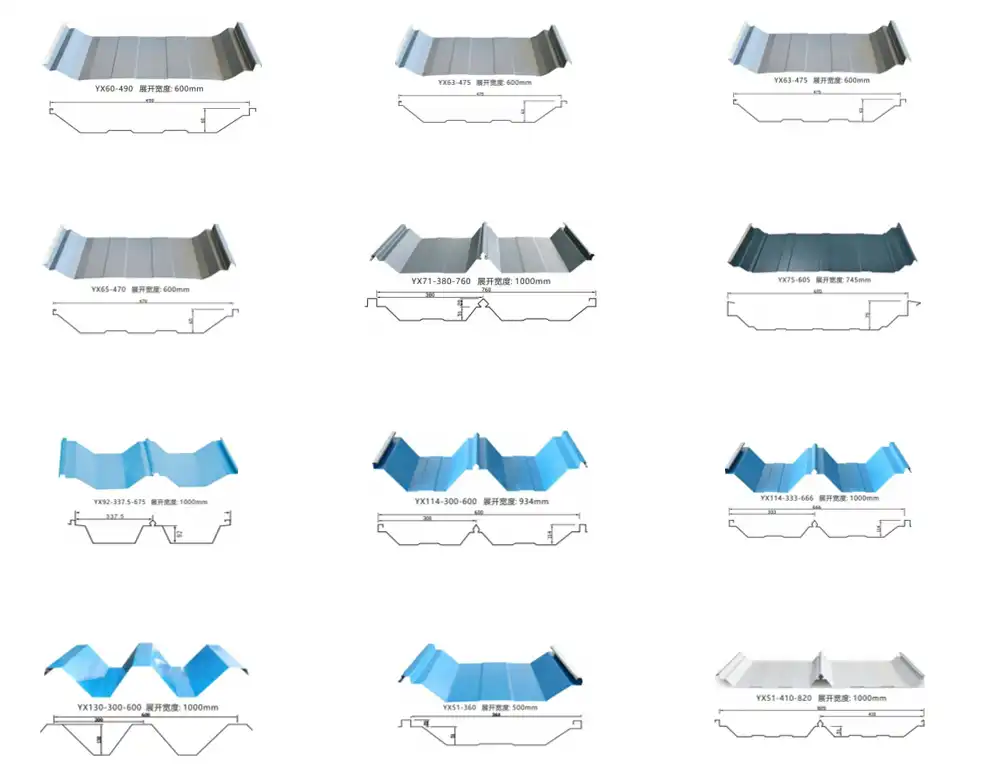
Understanding Angle Lock Standing Seam Roof Panels
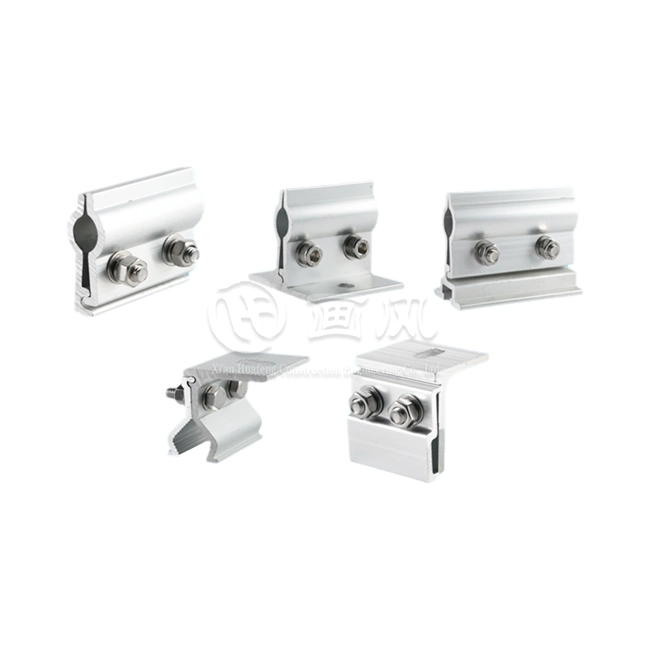
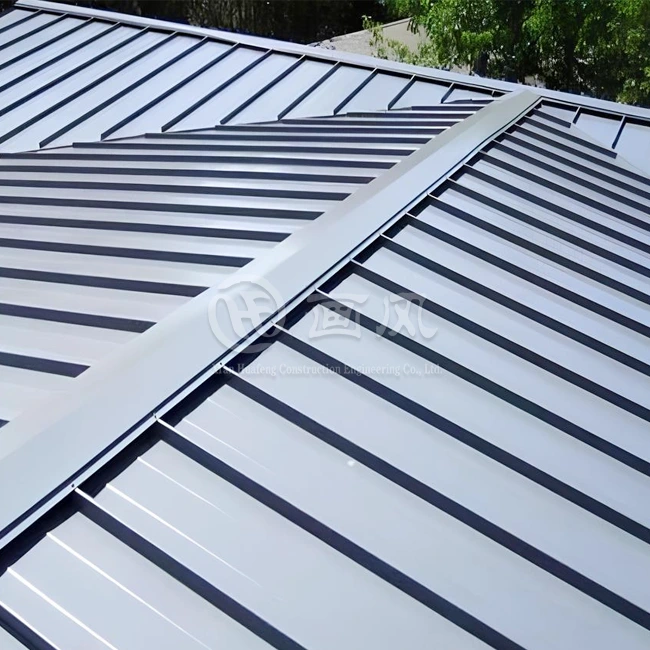
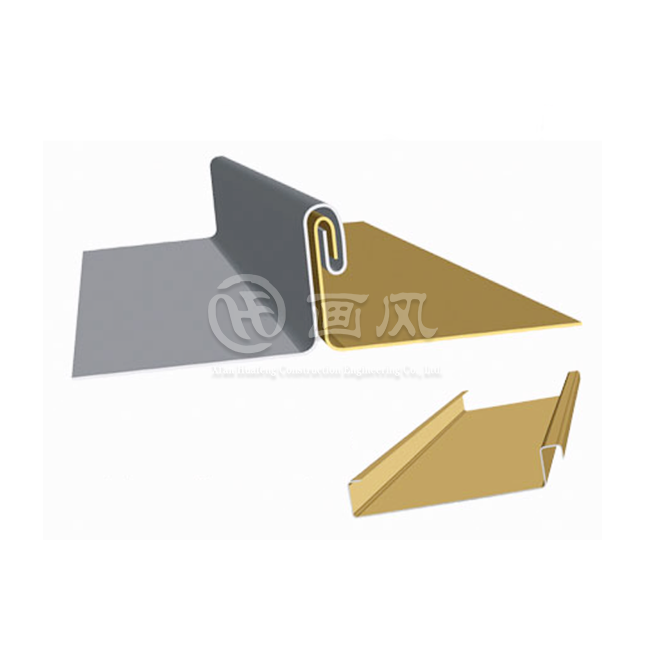
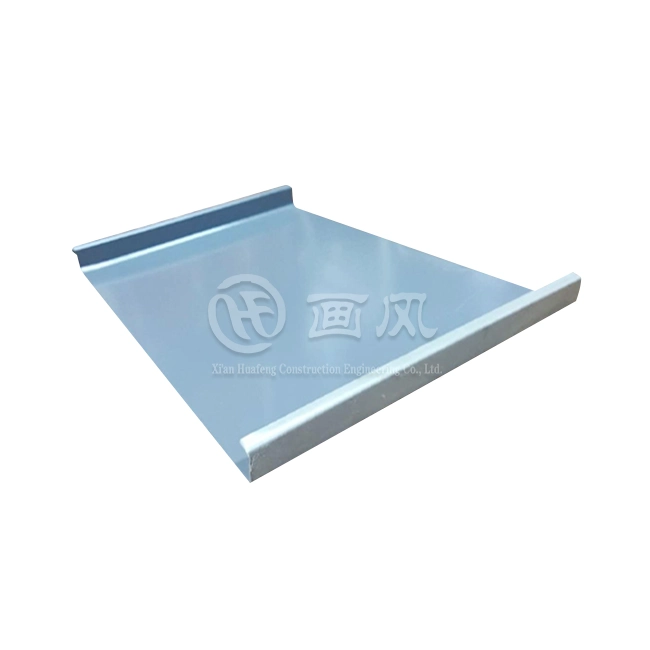
The most advanced industrial roofing technology is mechanically seamed metal roofing systems. These panels have a unique vertical leg shape that interlocks through a special angled fold, making a better seal against the weather than traditional methods of fastening. The seaming machine engages the edges of the panels with hidden clips that are attached to the foundation. This lets the panels expand and contract with temperature changes without weakening the structure.
The Engineering Behind Angle Lock Systems
These panels are different from normal overlap designs because they fold at a 90-degree angle. This L-shaped design makes seam joints that are higher, usually 1.5 to 2 inches high. This stops water from getting in through capillary action, even when it's pouring rain or ponding. The base is made of high-tensile galvalume steel and aluminum alloy, and the choice of material has a direct effect on how well it resists rust and how long it lasts. Marine-grade metal is good for projects near the coast, while galvanized steel is a cheaper choice for installs in the middle of nowhere.
Performance Advantages Over Alternative Systems
There are big differences in how well mechanical seam technology works compared to snap-lock or through-fastened options. Snap-lock systems use friction connections that can come loose in high winds, but Angle Lock Standing Seam Roof Panels keep their structural contact through seams that are manually crimped. Through-fastened roofs develop leakage points because heat cycling makes fastener holes longer. Floating clip systems, which let panels move freely, completely remove this failure mode.
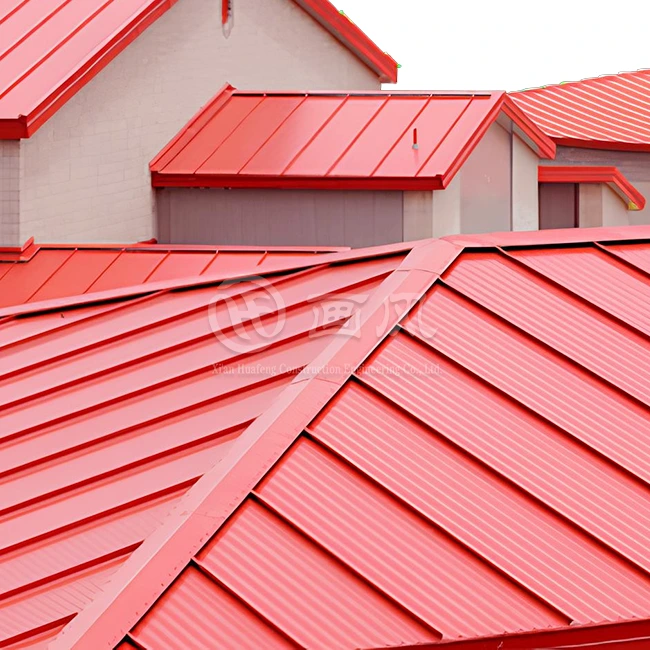
The perks of thermal efficiency go beyond waterproofing. The air space between the panel and the base improves insulation, which lowers the amount of cooling that business buildings need. Standing seam roofs don't need nearly as much maintenance as membrane systems, which need to be resealed every so often. If they are put correctly, they will last for decades without any problems.
Critical Factors When Choosing Angle Lock Standing Seam Roof Panels
To choose the right metal roofing, you have to compare a number of performance factors to the specifics of the job. To make sure things last for a long time, procurement teams have to find a balance between technology requirements and price constraints.
Material Specifications and Finish Options
Panel width has a direct effect on how well and how long a structure works. Standard gauges run from 0.7mm to 1.2mm, with thicker shapes being better in areas with a lot of wind or where the distance between the purlins is longer. Choosing the right material affects both weight and resistance to rust. For example, aluminum alloy 3004 is very light (1-2 tons per 500 square meters), but alu-zinc steel is stronger for the same weight. Color preservation and weathering effectiveness are based on the coating technique. PE (polyester) finishes work well in mild areas and keep their color for 10 to 15 years. HDP (high-durability polyester) finishes keep their color for 20 years. PVDF coats are the best because they keep their color for more than 30 years with less than 5 Hunter units of color shift. HF has all three types of finishes available in RAL standard colors as well as the ability to match colors exactly to meet design needs.
Installation Considerations and Lead Times
For professional installation, you need special seaming tools and teams that know how to connect clips correctly. Transverse seams are not needed for panel lengths up to 13 meters, but long-length orders must be handled on the job site. Realistic buying timelines include production processes of 15 to 20 days for custom orders and shipping times that depend on where the project is located. The 500-square-meter minimum order number allows for efficient production runs while still being attainable for medium-sized jobs. If buyers are planning a phased building project, they should make sure that shipping times work with the progress of the installation. This will avoid problems with storage on-site.
Lifecycle Value and Warranty Coverage
Total cost of ownership analysis includes more than just the original price of the materials. A 30-year guarantee backed by ISO9001 and SGS approval protects you financially against failure before its time. Maintenance needs are minimal—usually just cleaning out the system every so often—which lowers running costs compared to systems that need to be recoated or membranes replaced on a regular basis. For building projects that cross various climate zones, durability in harsh conditions is very important. Angle Lock Standing Seam Roof Panels made to resist heavy snowfall, hurricane-force winds, and corrosive industrial environments protect the long-term value of an object and keep people safe.
Where to Buy Angle Lock Standing Seam Roof Panels: Supplier and Brand Insights
Identifying qualified providers is the difference between good buying and mistakes that cost a lot of money. There are a lot of companies that make metal roofs, but not many of them have all the skills and licenses needed for tough commercial jobs.
Evaluating Manufacturer Credentials
HF keeps a lot of certificates that prove its environmental and quality management systems are working. Getting ISO14000:14001 recognition shows that you are committed to using environmentally friendly production methods, which is becoming more and more important for government contracts and LEED-certified projects. The company was named a high-tech business in Shaanxi Province in 2020. This shows that it is always coming up with new ideas, as shown by the fact that it has more than 20 registered patents for roofing system designs. Order fulfillment dependability is based on production capabilities. HF can make 1,000 tons of steel every month thanks to its seven color coating lines, ten longitudinal and transverse shearing lines, and more than 40 fabrication machines spread out over 200,000 square meters of manufacturing space. This size makes sure that there is always enough, even during busy building seasons when smaller sources have to deal with backorders.
Navigating International Procurement
Cross-border buying makes transportation more difficult and needs partners with a lot of experience. The export network that HF has built up over the years to serve more than 100 countries is an important part of the infrastructure for international shipping. Secure packing rules keep Angle Lock Standing Seam Roof Panels safe during ocean freight, and knowing how to fill out paperwork makes the customs clearance process go more smoothly. Customization options go beyond normal product lines. Engineers work with architects and builders to come up with solutions that are perfect for each project. These solutions can be anything from custom color matching to changing the shapes of panels to fit specific structural needs. This consultative method is very helpful for big jobs where catalog things can't meet the design goals.
Assessing Supplier Support Services
Support after the sale is what sets strategic partners apart from transactional providers. Problems in the field can be fixed with technical help during installation, before they become costly delays. A financially stable warranty management system guarantees long-term claim fulfillment, saving owners from the risk that the maker will go bankrupt. Real-world job knowledge shows that you can do something. The types of projects that the target contractor group works on are exactly the ones that HF's portfolio includes: convention halls, transportation hubs, and business complexes. By looking at case studies, you can see how problems are solved and how high standards are kept across a wide range of uses.
Making the Right Procurement Decision: A Step-by-Step Guide
Systematic ways of buying things lower risks and get the best value for money. The following approach helps buyers make difficult choices about what to buy.
Defining Project Requirements
Environmental research is the first step in making technical specs. The right grades and thicknesses of materials are based on wind speed ratings, snow load estimates, and corrosivity classes. When the slope is less than 3:12, you may need more sealing options. On the other hand, when the slope is steep, you should focus on how it looks and how quickly it can be installed. The architectural needs affect the choice of finish and color. Working together with building exterior experts makes sure that the work fits in with the covering and wall systems next to it. While budget limits set the limits, value engineering talks often show cheaper options that still meet performance goals for Angle Lock Standing Seam Roof Panels.
Comparing Supplier Proposals
Ask for specific scientific data sheets that show that the material meets ASTM standards for its properties and its ability to keep water out. Sample panels let you check the quality of the seams, the regularity of the finish, and how easily the panels can be oil-canning. Independent laboratory research can be used by testing services to back up what manufacturers say.
Negotiating Terms and Managing Delivery
Different pricing systems go beyond the price of raw materials. Make sure that prices include shipping costs, charges for special colors, and extra parts like clips, fasteners, and trim pieces. The terms of payment affect how cash flows, and progress billing is typical for big sales. Delivery dates need to be coordinated with building plans. Using staged shipments that match the order of installations keeps the job site from getting crowded and makes sure that crews can get the materials they need when they need them. The terms of the contract should include quality assurance methods, acceptance standards, and ways to deal with materials that don't meet the requirements. The warranty covers more than just the panels; it also covers the performance of the covering and the strength of the structure. Knowing the limits stops arguments, especially when it comes to installation flaws vs. manufacturing defects. The maintenance standards for the warranty to be good should be in line with how buildings are normally run.
Conclusion
For large business jobs, getting Angle Lock Standing Seam Roof Panels requires careful supplier selection and technical assessment. Professional builders and producers working on landmark infrastructure can work with HF because they have a large manufacturing scale, quality standards, and a track record of successful projects. From making raw materials to helping with installation, the company's integrated powers get rid of the planning problems that come with supply chains that aren't unified. With 30-year warranties, knowledge of foreign processes, and the ability to make changes, HF provides the dependability and performance needed for projects where failure is not a choice.
FAQ
1. What distinguishes angle lock systems from double-lock standing seam profiles?
Angle lock setups use a 90-degree turn to make an L-shaped seam. They are more flexible in terms of appearance and make replacing panels easier than 180-degree double-lock crimps. Both are better at keeping out the weather, but Angle Lock Standing Seam Roof Panels work best on steep slopes where strong shadow lines make the building stand out.
2. Can panels accommodate solar mounting without roof penetrations?
Standing seam designs let solar clamp systems connect straight to the raised seam without going through it. This keeps the waterproofing in good shape, keeps the guarantee current, and supports green energy systems that are needed for sustainable building certifications.
3. How does minimum order quantity affect project planning?
The 500-square-meter MOQ covers most business roof parts and makes production runs more cost-effective. For projects below this level, they can work together with stages that come after them or look into standard color choices that might be available from distributor stock.
Partner with HF for Your Angle Lock Standing Seam Roof Panel Requirements
References
1. American Society for Testing and Materials. "ASTM E1646: Standard Test Method for Water Penetration of Exterior Metal Roof Panel Systems by Static Water Pressure Head." ASTM International Standards, 2019.
2. Metal Construction Association. "Technical Bulletin on Standing Seam Metal Roof Systems: Design, Installation and Performance Guidelines." MCA Publications, 2021.
3. National Roofing Contractors Association. "The NRCA Metal Panel and SPF Roof Systems Manual." NRCA Technical Operations, 2020.
4. Steel Market Development Institute. "Architectural Applications of Coated Steel Roofing and Siding Panels: Durability and Lifecycle Performance." SMDI Technical Report Series, 2018.
5. Underwriters Laboratories. "UL 580: Standard for Tests for Uplift Resistance of Roof Assemblies." UL Safety Standards, 2022.
6. Whole Building Design Guide. "Metal Roofing Systems for Commercial and Industrial Buildings: Selection and Specification Criteria." National Institute of Building Sciences, 2020.





YOU MAY LIKE