Understanding Metal Standing Seam Roofing Systems for Long-Term Value
2026-04-24 18:26:41
Metal Standing Seam Roofing systems are always the best choice when procurement managers and building workers look at roofing options for commercial and industrial projects. Vertical metal panels linked by raised seams that hide screws completely make up these high-tech roofing options. They create a weathertight shield that lasts decades longer than regular roofing. Standing seam technology solves the most common problems in industrial roofs, like water getting in, thermal movement stress, and materials wearing out too quickly. We've seen for ourselves how these systems turn building shells into flexible, self-draining structures that can survive harsh weather while also lowering the building's energy use and upkeep costs over its lifetime.
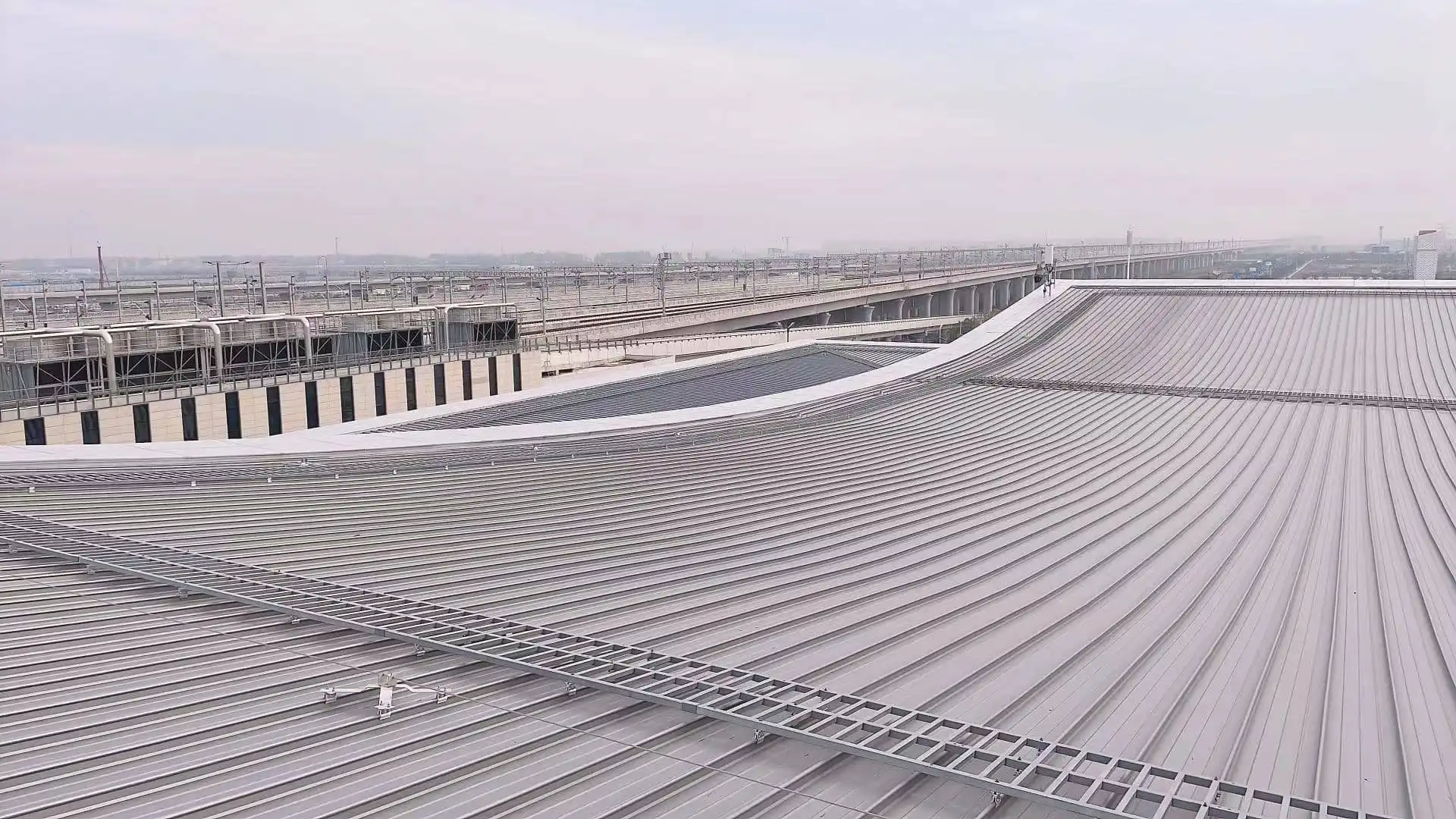
What Is a Metal Standing Seam Roofing System?
Core Design Principles
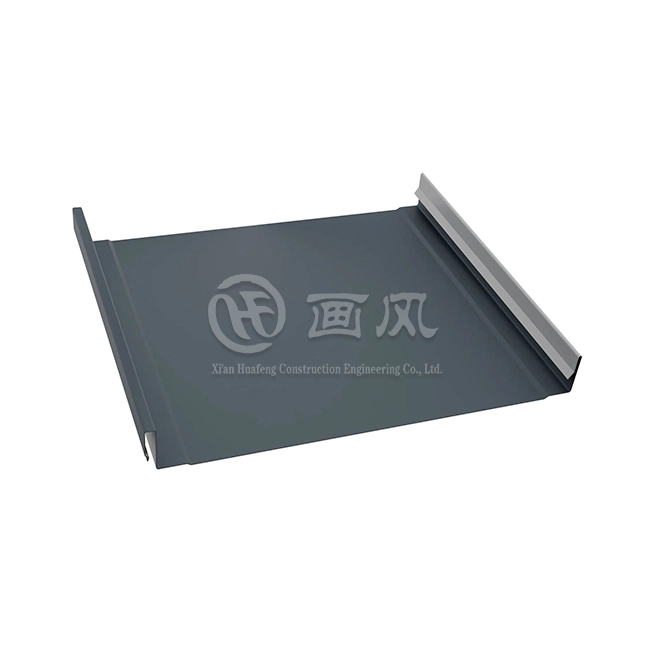
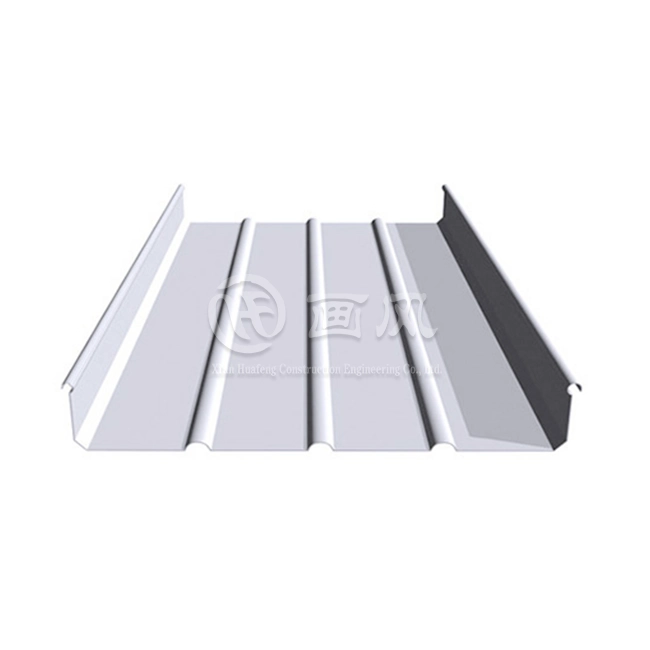
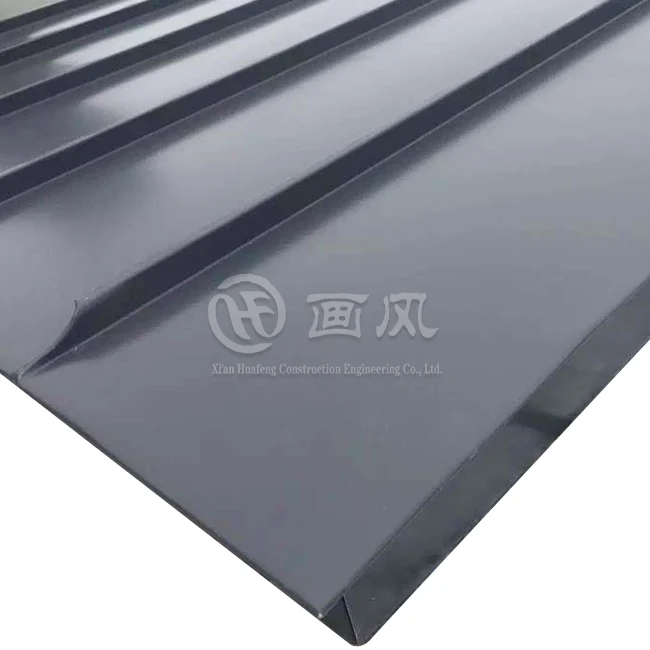
A Metal Standing Seam Roofing systems is made up of metal panels that run vertically from the top to the eave. The panels are held together by raised interlocking seams that are usually 1 to 3 inches above the roof surface. Metal Standing Seam Roofing systems panels are attached to the roof deck with hidden clips that allow controlled temperature movement. This is different from visible fastener systems, where screws go through the surface that gets weathered. This clip technology solves a very important engineering problem: metal expands and shrinks a lot when the temperature changes, and rigid connection points cause stress builds up that cause fasteners to fail and panels to warp.
Material Specifications and Options
The choice of material for Metal Standing Seam Roofing systems panels has a direct effect on how well they work and how long they last. Galvalume steel with an AZ150 coating (an aluminum-zinc metal that weighs 150g/m²) is very resistant to rust and affordable in most climates. We make panels that meet standards 65-300/400/430/500. The 65mm seam height makes the structure more rigid and improves draining. The 3003/3004 line of aluminum plates that have been hardened to H44 work really well in coastal areas where salt spray makes corrosion happen faster. The thickness can be anywhere from 0.6 mm to 1.2 mm, based on the needs of the structure and the lengths between the purlins.
Surface Treatments That Extend Service Life
Surface coats are very important for keeping the look of something and making it resistant to damage. PVDF (polyvinylidene fluoride) coats with 70% fluororesin have great UV stability and chemical protection, and the color stays true for more than 20 years. We put on PVDF layers that are 25 to 30μm thick. This makes a molecular barrier that stops external damage. Polyester (PE) layers that are 20 to 25 μm thick offer cheap security in mild climates. HDP, or high-durability polyester, is a material that falls between PE and PVDF in terms of performance. It offers better chalk protection at a middle price point. The quality guidelines for these finishing systems are ISO9001 and ISO14000:14001, which means that they work the same way in every production batch.
Benefits and Performance of Metal Standing Seam Roofing
Exceptional Durability and Weather Resistance
Metal Standing Seam Roofing systems are very resistant to natural stresses that break down other types of roofing materials. Our systems can survive wind pressures higher than 4.5 kPa, which is the same as a Category 5 storm. This is possible with mechanical seaming that makes the structure continuous across the roof plane. These roofs can handle up to 1.5 kN/m² of snow load without bowing, so they are good for northern areas where snow falls heavily at certain times of the year. Impact strength tests show that panels can handle 1 kg steel balls being dropped from 3 meters without breaking or changing shape permanently. The raised seam design makes a gravity-enhanced drainage path that quickly sheds water, stopping ponding and ice dams that weaken the roof.
Energy Efficiency That Reduces Operating Costs
Commercial buildings need a lot less cooling when they have reflective metal roofs. Cool roof coats with solar reflection values above 0.65 block infrared radiation, which keeps the surface of the roof 30 to 50°F cooler than dark roofing materials that are usually used. This temperature performance immediately leads to less time spent running the HVAC system and lower energy costs. Metal Standing Seam Roofing systems make high-performance building covers that help meet LEED certification standards when properly integrated with insulation. Metal's thermal mass also makes passive cooling tactics easier in mild areas, as it releases absorbed heat at night to keep the inside from getting too hot or too cold.
Sustainability and Environmental Responsibility
Metal roofing fits right in with green building requirements and business recycling efforts. Depending on the type of material, these systems have 25–95% recovered content and can be returned in their entirety when they are no longer needed, without losing any of their quality. With a lifespan of 40–70 years, the roof won't need to be replaced as often over the life of the building. This means less waste in landfills and less carbon emissions from making new materials. Our 30-year guarantee shows that the maker trusts the product to work well for a long time. This gives procurement teams financial security and reduces risk.
Comparative Analysis: Metal Standing Seam Roofing vs. Other Roofing Systems
Standing Seam vs. Asphalt Shingles
Asphalt roofs are popular in homes because they are cheap to buy, but business leaders know that they have some problems. A shingle roof will usually last between 15 and 20 years before it needs to be replaced, but a Metal Standing Seam Roofing systems will last for 50 years or more. Different types of roofs need very different kinds of maintenance. Shingles lose their granules and UV damage them, so they need to be inspected and fixed often. When you don't have to do much, Metal Standing Seam Roofing systems keep the structure strong. The difference in how the roof looks is also important. Metal roofing gives off an air of permanence and quality that is appropriate for institutional and business design, while shingles always look like they belong on a house, no matter how big or small the building is.
Standing Seam vs. Corrugated Metal Roofing
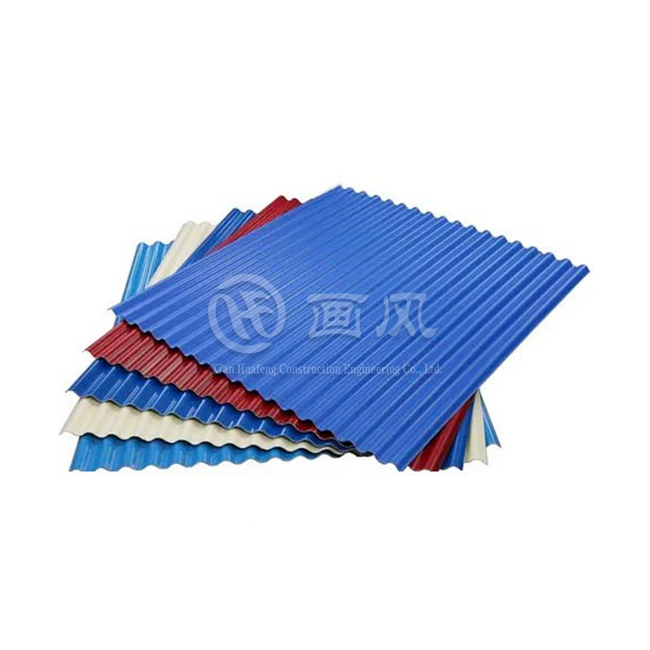
Even though both systems use metal, they are built in very different ways. Corrugated panels are attached with exposed screws that go through the surface that gets worn down over time. This makes thousands of possible leak spots that need gasket care and eventually replacement. The hidden clip method in Metal Standing Seam Roofing systems completely gets rid of this weakness. While corrugated shapes are cheaper at first, they don't work as well in bad weather or allow for thermal movement. We only recommend corrugated roofs for farm buildings and unheated industrial buildings where keeping the inside cool isn't important. The Metal Standing Seam Roofing systems price is worth it for commercial buildings that need solid weather protection and long-term value.
Material Selection: Aluminum vs. Steel
Aluminum panels are about one-third as heavy as steel panels of the same size. This means that they put less stress on the structure and are easier to place on roofs that are sensitive to weight. The substance naturally creates an oxide layer that protects against rust and doesn't need to be coated. This makes it perfect for use in seaside areas where salt spray is common. Metallic coatings on steel panels make them stronger and stiffer while also lowering the cost of the material. They work well in inland areas that aren't near the ocean. Steel is usually better for big jobs because it's cheaper, but aluminum is better for retrofits where the structure can't hold as much weight.
Metal Standing Seam Roofing Installation and Procurement Guide
Installation Process and Timeline Considerations
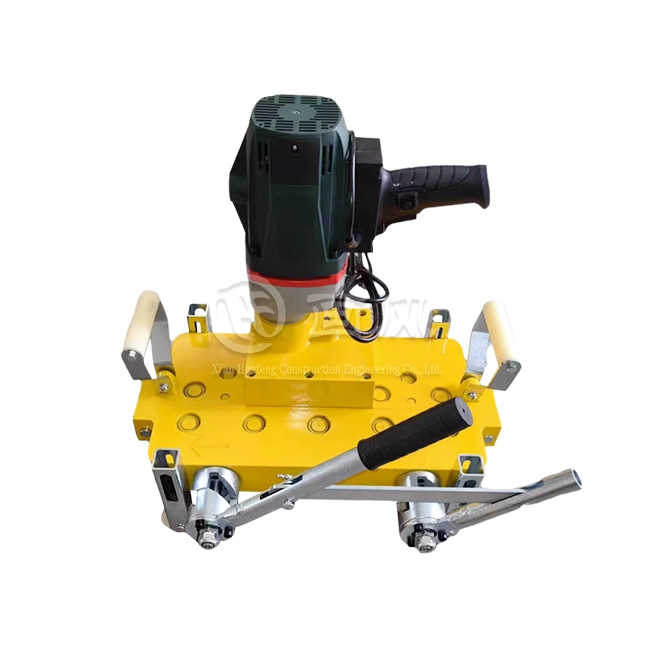
The right way to put something starts with a full structural assessment to make sure the deck is the right size and the purlin spacing works with the panel shapes. We make panels to order up to 13 meters long, so there are no straight seams that could let water in. Field seaming machines put panels together using double-lock or mechanical seaming methods. They make 360-degree folds with built-in protection to keep out the weather completely. The estimates for clip spacing take wind uplift and thermal movement into account. The connection density goes up around the edges and corners of the roof, where loads are most concentrated. Our installation teams finish most industrial jobs within 15 to 20 days of receiving the materials, so there is little impact to businesses that are already open with Metal Standing Seam Roofing systems.
Procurement Specifications and Minimum Orders
We keep up an output level of 1,000 tons per month to serve big business and industrial projects. The smallest order size is 500 square meters, which is big enough for medium-sized factories while still keeping production efficient. As part of our customization services, we can match colors to specific building needs, add patterns to make the panels look better, and help you plan the best way to arrange the panels and seams. Our technical team puts together submittal packages that include structure formulas, detail drawings, and material certifications that are needed to get a building permit and manage the construction site.
Selecting Qualified Suppliers and Installers
The supplier you choose has a big effect on how the job turns out and how well the roof works in the long run. We suggest that you judge makers by their quality standards (such as ISO9001, ISO14000:14001, and SGS compliance), their ability to meet delivery dates with their production capacity, and their expert help during the design and installation stages. Installers should have maker certifications that are specific to Metal Standing Seam Roofing systems. These certifications should show that the installer is skilled at seaming and integrating flashing. There are a lot of different types of warranties. For example, our 30-year material guarantee covers coating wear, corrosion perforation, and structural integrity. Workmanship warranties from trained fitters cover problems with installation.
Long-Term Value and Strategic Considerations for B2B Clients
Total Cost of Ownership Analysis
Lifecycle cost modeling is used by smart buying teams to evaluate roofing investments instead of just comparing prices at first. Metal Standing Seam Roofing systems cost more up front—usually three to four times as much as asphalt shingles—but they are worth it because they last longer and need less upkeep. If you need to repair your roof every 20 years, you'll have to pay a lot of money for disposal, business interruption, and installation work. These ongoing costs are taken care of by our systems, which also offer predictable maintenance funds that only cover regular checks and small fixes. Cool roofs save energy, which increases the return on investment even more. In climates where cooling is popular, payback times are usually between 7 and 12 years.
Supporting Corporate Sustainability Goals
More and more, commercial property owners and site managers in institutions are being pushed to show that they care about the environment. Metal Standing Seam Roofing systems help you get several LEED points, such as for recycled material, reducing heat islands, and using energy more efficiently. The systems allow for the integration of solar photovoltaic panels using compatible mounting clips that connect to seams without going through the roof. This keeps guarantees for weatherproofing intact while allowing for the production of green energy. Our efficient coil-to-panel production cuts down on waste, and our powder finishing operations collect overspray to reuse, which lowers the environmental impact of the whole product lifecycle.
Future-Proofing Through Advanced Technologies
The roofing business is still changing as smart building integration and performance improvement ideas come out. Modern PVDF mixes now have infrared-reflective pigments that keep the dark look while still providing good cool roof thermal performance. Integrated sensor systems keep an eye on the temperature, moisture levels, and movement of the structure of the roof. This gives building managers information they can use to plan ahead for repair needs and stop problems before they happen. Through relationships with material scientists, we study self-healing surfaces and phase-change materials that make energy performance even better. This way, we can make sure that our clients always benefit from new technologies.
Conclusion
Metal Standing Seam Roofing systems are the most reliable and cost-effective way for businesses and factories to protect themselves from the weather, save energy, and keep their buildings running well for a long time. With the hidden bolt design, there are no more leaky spots in the roof like there are with regular roofing, and the structure will stay strong even after decades of changing temperatures. Specifications for materials like galvalume steel and aluminum construction with PVDF finishes provide proven 30-year performance backed by full warranties. Our monthly production capacity of 1,000 tons and quick delivery times of 15 to 20 days help keep projects on schedule without sacrificing quality. These systems are more expensive, but they have a better value over their entire lifetime. They also work nicely with green building certification requirements and company sustainability programs that are common in modern commercial construction.
FAQ
1. How long do standing seam metal roofs last?
Metal Standing Seam Roofing systems usually last between 40 and 70 years, but this depends on the material chosen and the weather. Most of the time, galvalume steel with PVDF finishes will last for 50 years or more, while aluminum systems in coastal areas often last longer than 60 years. Our 30-year guarantee protects you financially and shows that the maker trusts your roof to last for a long time, which is a lot longer than asphalt shingles' 15–20 year lifespan.
2. Can standing seam roofs be installed over existing roofing?
Many installations of Metal Standing Seam Roofing systems are done as roof-overs, which saves money on tear-off and dumping costs. For this method to work, the deck's load ability and condition must be checked by a structural study. Building rules usually allow one piece of metal roofing on top of other elements, as long as the structure can handle it. We check the stability of the deck base, the fastener patterns that are already there, and the insulation needs to see if the retrofit is possible. If it is, we offer designed solutions that keep the guarantee coverage.
3. What maintenance do standing seam roofs require?
When compared to regular roofs, Metal Standing Seam Roofing systems don't need as much upkeep. We suggest reviews once a year to make sure the sealant is still good at roof penetrations, make sure the gutters and drainage system works, and get rid of any waste that has piled up. Panel surfaces should be washed every so often to keep their brightness and good looks, especially in industrial settings where flying contaminants are common. When you use hidden fasteners instead of exposed fasteners, you don't have to change the gaskets as often, which saves you a lot of money on maintenance over the life of the roof.
Partner with HF Metal Roofing Systems for Your Next Project
Xi'an Huafeng Construction Engineering Co., Ltd. brings proven expertise in Metal Standing Seam Roofing systems to commercial and industrial clients throughout the United States. Our vertically integrated manufacturing includes three production facilities with seven color coating lines and advanced panel forming equipment, ensuring consistent quality and reliable delivery schedules. As a certified Metal Standing Seam Roofing systems supplier, we provide comprehensive project support from design consultation through installation completion. Our customization capabilities accommodate specific color requirements, panel profiles, and architectural details that distinguish your facility. Contact our technical team at huafeng@hfmetalroof.com to discuss your project specifications and receive detailed quotations based on your unique requirements.
References
1. National Roofing Contractors Association. Metal Roofing Systems Design Manual for Commercial Applications. Rosemont: NRCA Technical Publications, 2021.
2. American Society of Civil Engineers. Minimum Design Loads and Associated Criteria for Buildings and Other Structures (ASCE 7-22). Reston: ASCE Standards Division, 2022.
3. Metal Construction Association. Technical Bulletin on Standing Seam Roof Panel Systems: Design, Installation and Performance. Glenview: MCA Engineering Committee, 2020.
4. Oak Ridge National Laboratory. Cool Metal Roofing Performance Assessment for Commercial Building Energy Efficiency. Oak Ridge: Department of Energy Building Technologies Program, 2019.
5. Construction Specifications Institute. Metal Roof and Wall Panels Specification Guide. Alexandria: CSI Technical Documents Division, 2021.
6. International Code Council. International Building Code Chapter 15: Roof Assemblies and Rooftop Structures. Washington: ICC Publications, 2021.





_1757558889992.webp "Metal Roofing Snowguards")