How Galvanized Metal Wall Panel Improves Corrosion Resistance?
2026-02-03 17:48:17
Imagine watching your building's exterior walls deteriorate year after year, with rust spreading across the surface like an unstoppable plague, forcing costly replacements and repairs that drain your budget. This nightmare scenario is precisely what galvanized metal wall panels prevent through their advanced corrosion resistance technology. Galvanized Metal Wall Panel provides exceptional protection against rust and environmental degradation through a metallurgically bonded zinc coating that acts as both a physical barrier and a sacrificial layer, extending the service life of building exteriors to 20-30 years even in challenging conditions. This comprehensive guide explores the science behind galvanization, reveals why these panels outperform traditional materials, and demonstrates how proper selection and installation can protect your investment for decades.

Understanding the Galvanization Process and Its Corrosion-Fighting Mechanism
The foundation of galvanized metal wall panel corrosion resistance lies in the hot-dip galvanizing process, where steel substrates are immersed in molten zinc baths at temperatures exceeding 840 degrees Fahrenheit. This process creates multiple zinc-iron alloy layers that metallurgically bond to the steel substrate, forming an integrated protective system rather than merely a surface coating. The zinc coating applied during galvanization typically ranges from Z60 to Z275 grams per square meter, with the designation indicating the total zinc content on both sides of the panel. For instance, a G90 galvanized sheet metal wall panel contains 0.9 ounces of zinc per square foot, providing robust protection suitable for most commercial and industrial applications. The galvanizing process creates a unique crystalline structure visible as the characteristic spangled pattern on the surface, which indicates proper metallurgical bonding has occurred between the zinc and the steel substrate.
The Dual Protection Mechanism of Zinc Coatings
Galvanized Metal Wall Panel employs two distinct mechanisms to prevent corrosion, making it far superior to simple painted or untreated steel. The first mechanism is barrier protection, where the zinc coating physically blocks moisture, oxygen, and corrosive substances from reaching the underlying steel substrate. This barrier function remains effective even as the zinc layer slowly oxidizes when exposed to atmospheric conditions. The second and more remarkable mechanism is cathodic or sacrificial protection, where zinc preferentially corrodes instead of the steel substrate when the coating is scratched or damaged. Because zinc is more electronegative than steel in the galvanic series, it acts as an anode and corrodes sacrificially to protect the steel cathode, even at cut edges and damaged areas. This self-healing characteristic means that minor scratches or abrasions do not immediately compromise the panel's corrosion resistance, unlike painted surfaces where exposed steel begins rusting immediately.
How Zinc Corrosion Products Enhance Long-Term Protection?
When galvanized sheet metal wall panels are exposed to atmospheric conditions, the zinc coating undergoes a controlled oxidation process that actually enhances protection over time. Initially, the zinc reacts with oxygen to form zinc oxide, which then reacts with moisture to create zinc hydroxide. These zinc corrosion products form a stable, adherent patina on the surface that significantly reduces the rate of further zinc consumption. In most outdoor environments, this patina develops within the first few months of exposure and transitions the appearance from the bright spangled finish to a matte gray color. Unlike iron oxide (rust), which is porous and flakes off to expose fresh metal, zinc corrosion products are compact and tenacious, creating an increasingly protective barrier as they mature. Research has demonstrated that the corrosion rate of galvanized steel decreases substantially after the initial patina formation, often dropping by fifty percent or more compared to the initial exposure period.
Material Specifications and Quality Standards for Maximum Corrosion Resistance
The corrosion resistance of Galvanized Metal Wall Panel depends critically on the quality of both the steel substrate and the zinc coating applied during manufacturing. High-quality galvanized panels begin with low-carbon steel substrates, typically using grades such as DX51D, DX52D, or DX53D, which offer excellent formability while accepting the galvanizing process effectively. These steel grades comply with international standards including ASTM, DIN, JIS, BS, and GB/T specifications, ensuring consistent mechanical properties and chemical composition. The zinc coating thickness represents the most important variable affecting corrosion resistance and service life expectancy. Standard galvanized sheet metal wall panels utilize coating weights ranging from G60 (minimum protection for dry, indoor environments) to G90 (standard for most outdoor applications) to G100 and higher for aggressive environments such as coastal areas or industrial facilities with corrosive atmospheres.
Coating Thickness Selection Based on Environmental Exposure
Proper specification of zinc coating thickness for galvanized metal wall panels requires careful consideration of the expected environmental exposure throughout the building's service life. In benign interior applications or dry climates with minimal pollution, G60 coatings providing 0.6 ounces per square foot may suffice, offering fifteen to twenty years of corrosion protection with minimal maintenance. For standard exterior wall applications in moderate climates, G90 coatings representing 0.9 ounces per square foot have become the industry standard, providing twenty-five to thirty years of reliable performance. When projects are located in harsh environments characterized by high humidity, industrial pollution, or proximity to agricultural operations, upgrading to G100 or heavier coatings significantly extends service life. Xi'an Huafeng Construction Engineering Co., Ltd. manufactures galvanized metal wall panels with zinc coating weights from Z60 to Z275 grams per square meter, allowing precise matching of corrosion protection to specific project requirements and environmental conditions.
Enhanced Protection Through Secondary Coating Systems
While galvanized metal wall panels provide excellent corrosion resistance through zinc coatings alone, additional organic coatings can dramatically extend service life while adding aesthetic value and color options. Polyester (PE) coatings represent the most economical enhancement, providing UV resistance and color retention suitable for most architectural applications while adding only marginally to the base material cost. High-durability polyester (HDP) formulations deliver superior UV resistance and color retention, making them ideal for projects where long-term appearance maintenance is critical. Polyvinylidene fluoride (PVDF) coatings represent the premium option, offering exceptional weathering resistance, chalk and fade resistance, and the ability to maintain color and gloss for thirty years or more in aggressive environments. These organic coatings do not replace the galvanized substrate's corrosion protection but rather complement it by shielding the zinc layer from atmospheric exposure, thereby extending its life substantially. Xi'an Huafeng Construction Engineering Co., Ltd. offers both HDP and PVDF coating finishes on their galvanized sheet metal wall panels, providing customers with comprehensive protection systems tailored to their specific performance and budget requirements.
Panel Design Features That Enhance Corrosion Performance
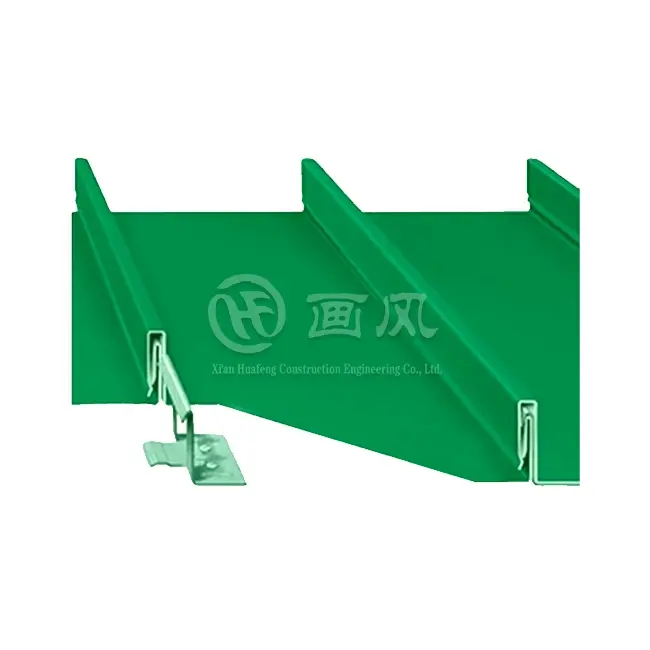
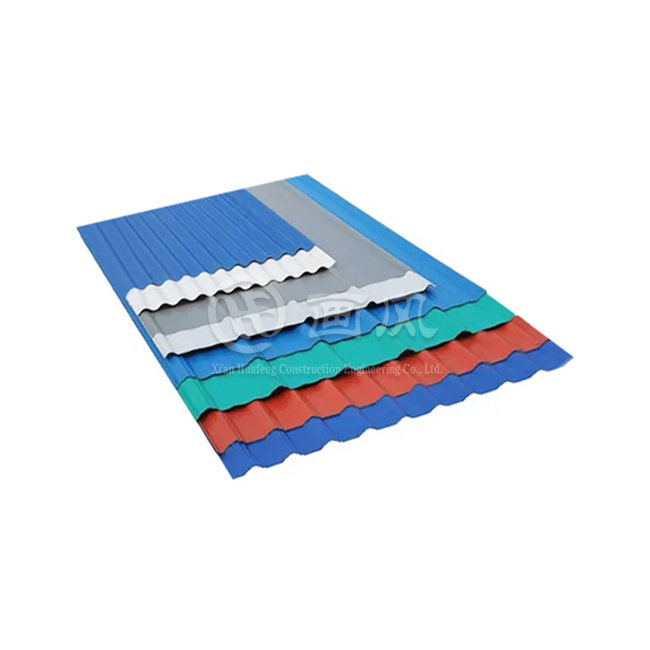
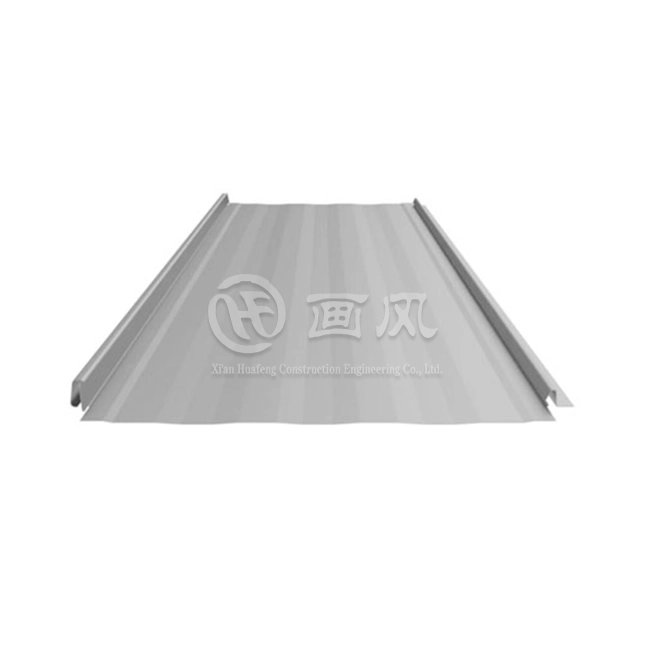
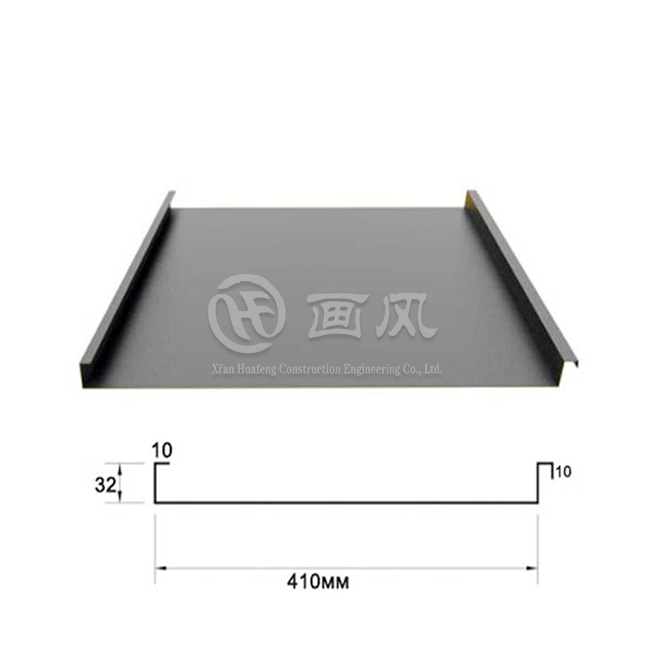
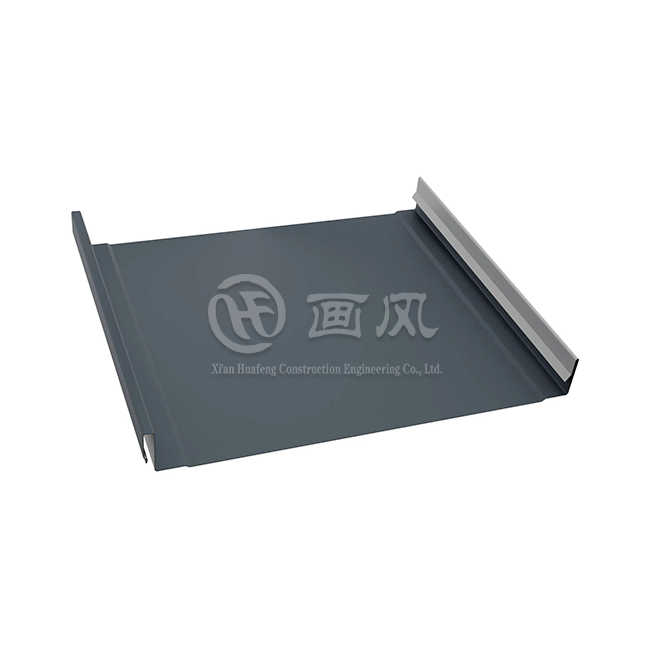
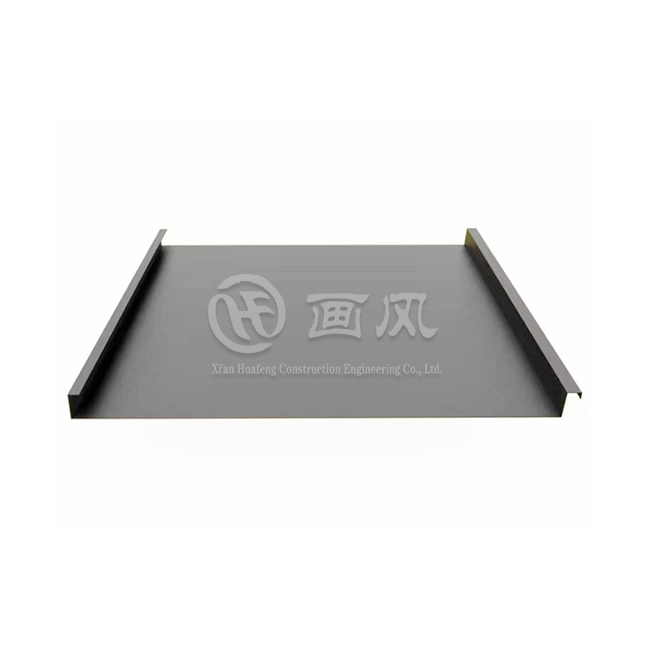
The geometric configuration and profile design of Galvanized Metal Wall Panel significantly influences its corrosion resistance and long-term durability beyond the zinc coating properties alone. Corrugated profiles incorporating waves, ribs, or standing seams provide multiple advantages for corrosion prevention by minimizing water retention on panel surfaces. The raised profile elements create natural drainage paths that quickly shed water from the wall surface, reducing the duration of moisture exposure that drives corrosion processes. Flat or low-profile panels, while aesthetically pleasing in certain applications, tend to retain water in surface depressions and can accumulate debris that holds moisture against the zinc coating, accelerating localized corrosion. Panel width and length specifications also affect corrosion vulnerability, as longer panels reduce the number of joints and fastener penetrations where water infiltration might occur. Xi'an Huafeng Construction Engineering Co., Ltd. manufactures galvanized metal wall panels in widths ranging from 600mm to 1200mm and custom lengths up to twelve meters, allowing designers to minimize joints while accommodating transportation constraints.
Fastener Selection and Installation Details Critical to Corrosion Prevention
Even the most corrosion-resistant galvanized sheet metal wall panels will fail prematurely if installed with incompatible fasteners or improper techniques that create preferential corrosion sites. All fasteners used with Galvanized Metal Wall Panel must be galvanized or stainless steel to prevent galvanic corrosion that occurs when dissimilar metals contact each other in the presence of an electrolyte like rainwater. Self-drilling screws with neoprene or EPDM washers provide weather-tight seals while maintaining compatibility with the zinc coating on the panels. Fasteners must always penetrate at panel crests or high points rather than valleys to prevent water from pooling around fastener holes and accelerating localized corrosion. The number and spacing of fasteners should follow engineering calculations that ensure adequate wind load resistance without over-constraining the panels, which can lead to fastener hole elongation and weather seal breakdown. Professional installation practices, such as those employed by Xi'an Huafeng Construction Engineering Co., Ltd., include pre-installation verification of all fastener materials, proper tool selection to avoid over-torquing that crushes weather seals, and systematic quality checks throughout the installation process to ensure every connection meets specified standards.
Edge Treatment and Joint Design for Complete Corrosion Protection
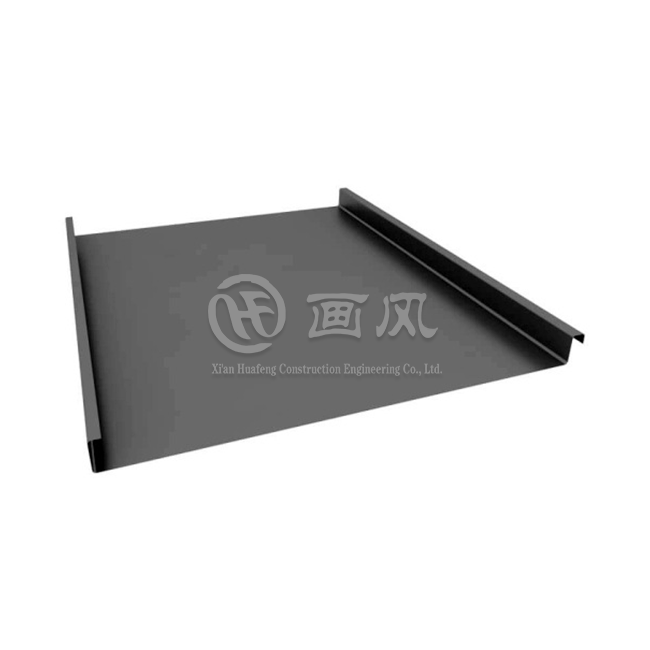
The edges of galvanized metal wall panels represent vulnerable areas where the steel substrate is exposed during cutting and fabrication, requiring special attention to prevent corrosion initiation at these critical locations. The sacrificial protection provided by the zinc coating extends to cut edges, with zinc migrating electrochemically to protect exposed steel surfaces within a certain distance. However, edges exposed to direct water flow or persistent moisture benefit significantly from additional protection measures. Hemmed or folded edges effectively seal the steel core and minimize direct exposure to corrosive environments, significantly extending service life at panel perimeters. Overlap joints between adjacent panels should be designed to shed water away from the building envelope, with minimum overlap dimensions sufficient to prevent capillary water intrusion. Standing seam systems, where panel edges are mechanically interlocked and raised above the wall surface, provide the most robust protection against water infiltration while accommodating thermal expansion and contraction without stress concentration. Xi'an Huafeng Construction Engineering Co., Ltd. employs specialized roll-forming equipment and precision cutting systems that minimize edge damage during fabrication, and their installation teams follow detailed procedures for edge treatment and joint assembly that ensure complete weather protection throughout the wall system.
Environmental Factors Affecting Galvanized Panel Performance
The corrosion resistance and expected service life of Galvanized Metal Wall Panel varies substantially depending on the specific environmental conditions to which the panels are exposed throughout their operational lifetime. In rural or suburban environments with low pollution levels and moderate humidity, properly specified galvanized sheet metal wall panels routinely achieve thirty years or more of service without significant maintenance requirements. Industrial environments containing sulfur dioxide, chlorides, or other corrosive atmospheric contaminants accelerate zinc consumption, potentially reducing service life by thirty to fifty percent compared to clean rural locations unless heavier coating weights are specified. Coastal environments present particular challenges for galvanized metal due to salt-laden air that aggressively attacks zinc coatings, especially within the splash zone or areas subject to salt spray during storms. Temperature cycling and freeze-thaw conditions can stress galvanized coatings through differential expansion between the zinc and steel substrate, though properly manufactured panels with metallurgically bonded coatings resist this failure mode effectively.
Performance in High-Humidity and Agricultural Applications
Galvanized Metal Wall Panel performs exceptionally well in high-humidity environments such as indoor swimming pools, greenhouses, and processing facilities where condensation is prevalent, provided proper ventilation prevents chronic water accumulation on panel surfaces. The zinc coating resists corrosion in humid air far more effectively than bare or painted steel, as the protective zinc patina remains stable under these conditions. Agricultural buildings housing livestock or storing fertilizers present special challenges due to ammonia and other corrosive gases that can attack galvanized coatings more aggressively than atmospheric corrosion in typical environments. For these demanding applications, specifying heavier zinc coatings (G100 or greater) and incorporating adequate ventilation to minimize gas concentrations becomes essential for achieving acceptable service life. Xi'an Huafeng Construction Engineering Co., Ltd. has successfully supplied galvanized sheet metal wall panels for agricultural facilities, warehouses, and processing plants across diverse climatic zones, with coating specifications customized to match specific environmental exposures and expected service life requirements.
Compatibility with Other Building Materials and Galvanic Considerations
The electrochemical nature of corrosion protection provided by galvanized metal wall panels creates important compatibility considerations when these panels contact other building materials. Direct contact between Galvanized Metal Wall Panel and copper, lead, or graphite-based materials should be avoided, as these materials are cathodic to zinc in the galvanic series and will accelerate zinc consumption when moisture creates an electrolytic connection. Concrete, mortar, and masonry materials generally exhibit good compatibility with galvanized steel, though fresh concrete with high alkalinity can attack zinc coatings during the initial curing period if direct contact occurs without proper separation or sealing. Treated lumber containing copper-based preservatives should not contact galvanized panels directly, as the copper compounds can induce accelerated corrosion. Proper design incorporating physical separation, barrier materials, or protective coatings at interfaces between galvanized metal and potentially incompatible materials prevents these galvanic corrosion issues. The engineering and design teams at Xi'an Huafeng Construction Engineering Co., Ltd. conduct thorough material compatibility reviews during the project planning phase, ensuring that galvanized sheet metal wall panel installations incorporate appropriate details and protection measures at all material interfaces.
Maintenance Requirements and Service Life Optimization
One of the most compelling advantages of Galvanized Metal Wall Panel is the minimal maintenance required to achieve decades of reliable corrosion protection, especially when compared to painted steel or other exterior wall materials. The zinc coating provides inherent protection that does not require periodic repainting or refinishing to maintain corrosion resistance, substantially reducing lifecycle costs. However, implementing a modest maintenance program can further extend service life and maintain optimal appearance throughout the building's operational lifetime. Annual or biannual visual inspections identify any physical damage, fastener loosening, or sealant degradation that might compromise weather protection before these issues progress to significant problems. Periodic cleaning with water to remove accumulated dirt, salt deposits, or other contaminants prevents these materials from holding moisture against the panel surface and accelerating localized corrosion. In industrial or coastal environments where airborne contaminants are prevalent, more frequent cleaning may be warranted to maintain maximum corrosion protection.
Damage Repair and Touch-Up Procedures
Despite the excellent durability of galvanized sheet metal wall panels, mechanical damage from construction activities, maintenance operations, or accidental impacts occasionally compromises the zinc coating and requires corrective action to prevent localized corrosion. Small scratches or abrasions that only damage the zinc layer without exposing the steel substrate typically self-heal through the sacrificial protection mechanism and require no intervention. Deeper damage that exposes the steel substrate should be addressed promptly using zinc-rich repair coatings specifically formulated for galvanized surfaces. These repair products contain high concentrations of metallic zinc that provide sacrificial protection similar to the original galvanized coating, effectively restoring corrosion resistance at damaged areas. For extensive damage or corrosion that has compromised structural integrity, panel replacement may be necessary, which is facilitated by the modular nature of metal panel systems. Xi'an Huafeng Construction Engineering Co., Ltd. provides guidance to customers on appropriate maintenance procedures and supplies touch-up materials that match their galvanized metal wall panel products, ensuring optimal long-term performance.
Service Life Expectations in Various Applications
The expected service life of Galvanized Metal Wall Panel varies with zinc coating weight, environmental exposure, and maintenance practices, but generally exceeds the performance of alternative exterior wall materials by substantial margins. In benign interior environments or dry climates, properly specified galvanized panels routinely achieve forty to fifty years of service before significant corrosion becomes evident. Standard exterior applications in moderate climates with G90 coatings typically provide twenty-five to thirty-five years of maintenance-free performance before zinc depletion exposes steel substrate. Even in aggressive industrial or coastal environments, appropriate coating specification and maintenance enables fifteen to twenty-five years of service, which compares favorably to painted steel requiring repainting every five to ten years. The exceptional durability and low maintenance requirements of galvanized sheet metal wall panels make them an economically attractive choice for facility owners focused on lifecycle cost rather than just initial construction expense. With their 30-year warranty and stringent quality control throughout manufacturing and installation, Xi'an Huafeng Construction Engineering Co., Ltd. provides assurance that their Galvanized Metal Wall Panel systems will deliver the expected service life performance that makes them the preferred choice for demanding building envelope applications.
Conclusion
Galvanized Metal Wall Panel provides superior corrosion resistance through metallurgically bonded zinc coatings that offer both barrier and sacrificial protection, ensuring twenty to thirty years of maintenance-free performance even in challenging environments. Proper specification of coating weights, careful attention to installation details, and minimal periodic maintenance optimize service life while delivering exceptional value compared to alternative exterior wall systems.
Cooperate with Xi'an Huafeng Construction Engineering Co., Ltd.
Xi'an Huafeng Construction Engineering Co., Ltd. stands as a China Galvanized Metal Wall Panel manufacturer and China Galvanized Metal Wall Panel supplier with proven expertise in metal building envelope systems. Established in 2018 and recognized as a high-tech enterprise in Shaanxi Province, our company operates three factories with seven raw material production lines and more than forty specialized machines, ensuring consistent production of High Quality Galvanized Metal Wall Panel meeting international standards including ISO9001, ISO14000:14001, and SGS certifications. Our 200,000 square meter production facility in Anhui, combined with processing plants in Hangzhou and Xi'an, enables us to manufacture galvanized sheet metal wall panels with thicknesses from 0.3mm to 1.2mm, widths from 600mm to 1200mm, and zinc coating weights from Z60 to Z275, with customization available for color, pattern, and design. As a trusted China Galvanized Metal Wall Panel factory and China Galvanized Metal Wall Panel wholesale provider, we offer competitive Galvanized Metal Wall Panel price with a supply ability of 1000 tons per month and delivery within 15-20 days. Our one-stop solution encompasses custom engineering design with structural 3D modeling and load analysis, precision manufacturing with real-time quality control, and seamless installation with on-site project management. With more than twenty registered patents and successful completion of major projects including Xiongan Station Commercial Body, Xi'an International Convention and Exhibition Center, and Inner Mongolia Tongliao Art Museum, we deliver proven performance. Contact us today at huafeng@hfmetalroof.com to discuss your Galvanized Metal Wall Panel for sale requirements and discover how our expertise transforms building envelope challenges into lasting solutions.
References
1. American Galvanizers Association. "Corrosion Protection by Hot-Dip Galvanizing." Technical guidance document on zinc coating performance and mechanisms.
2. Zhang, X.G. "Corrosion and Electrochemistry of Zinc." Materials Science and Engineering Research, comprehensive analysis of zinc corrosion behavior and protection mechanisms.
3. Marder, A.R. "The Metallurgy of Zinc-Coated Steel." Progress in Materials Science, detailed examination of galvanized steel microstructure and properties.
4. International Lead and Zinc Research Organization. "Atmospheric Corrosion Resistance of Galvanized Steel." Environmental testing data and performance predictions.
5. Townsend, H.E. "Continuous Hot-Dip Coatings." Materials Performance Journal, manufacturing processes and quality control for galvanized sheet steel products.





YOU MAY LIKE