How to Install Standing Seam Brackets for Maximum Strength?
2026-04-10 19:29:43
Installing standing seam brackets correctly ensures maximum strength and long-term performance for your metal roofing system. The key lies in proper placement along the raised seams, using appropriate torque specifications, and maintaining weatherproof seals. A high-quality Standing Seam Bracket system requires precise alignment with the seam profile, adequate spacing between mounting points, and proper integration with roofing accessories. Professional installation techniques combined with premium aluminum alloy materials guarantee structural integrity that withstands extreme weather conditions while maintaining the roof's watertight performance for decades.
Understanding Standing Seam Metal Roofing Systems
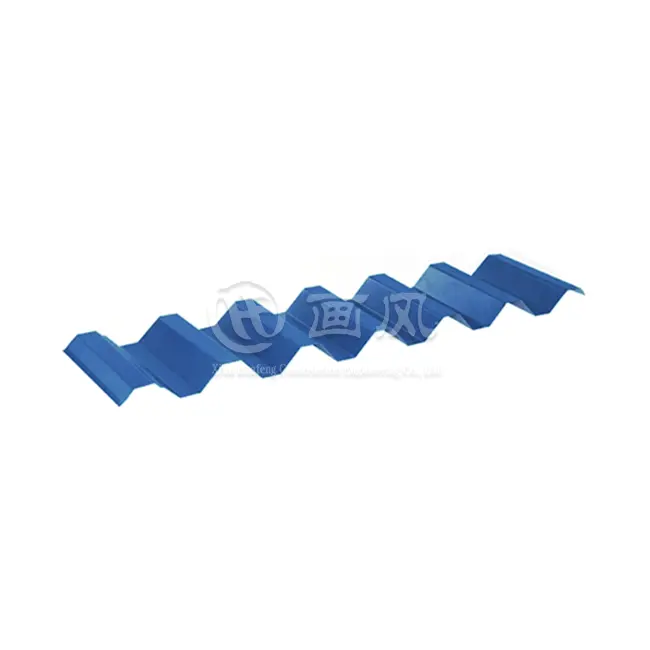
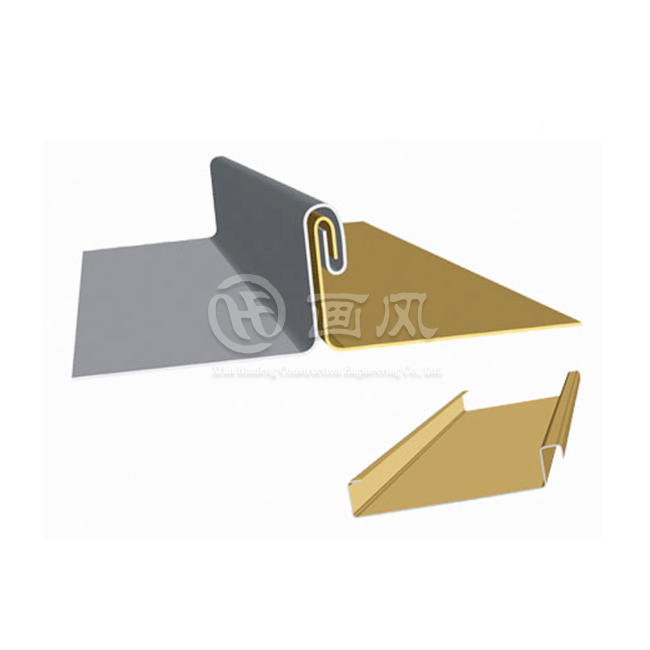
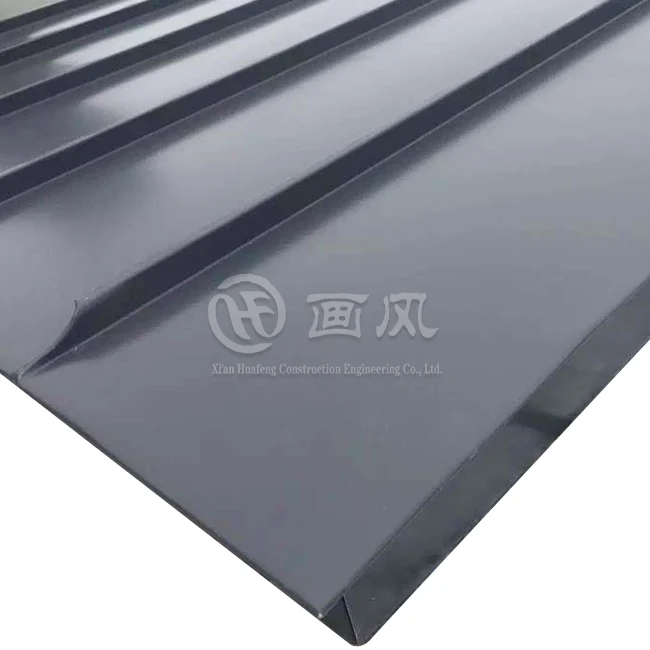
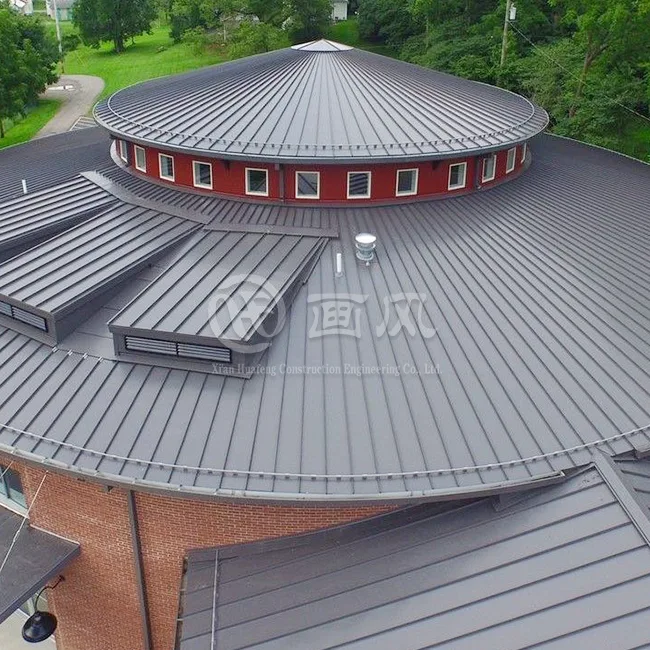
When it comes to business and household roofing, Standing Seam Brackets are the best. These systems have raised lines that go from the ridge to the eaves vertically. This gives them a unique architecture look and makes them very resistant to weather. The gaps do two things: they make the roof look better and give different items a safe place to connect without going through the roof covering. Modern metal roofing systems use aluminum-magnesium-manganese alloys or aluminum alloy 6063-T5/T6 materials, which are better at resisting rust and keeping their shape.
With the standing seam design, there are no visible bolts, so there are fewer places where water could leak in. This makes the roof last a lot longer. Construction workers like these systems because they last a long time, use little energy, and don't need much upkeep. The vertical seams make it possible for the roof to expand and shrink with the temperature without damaging it. This ability to accommodate movement is very important in places with very high or low temperatures, where metal growth can put stress on standard fastening systems. Professional builders know that installing seam clamps correctly keeps this freedom and gives solar panels, HVAC equipment, and other roof-mounted items reliable places to connect.
Essential Tools and Materials for Professional Installation
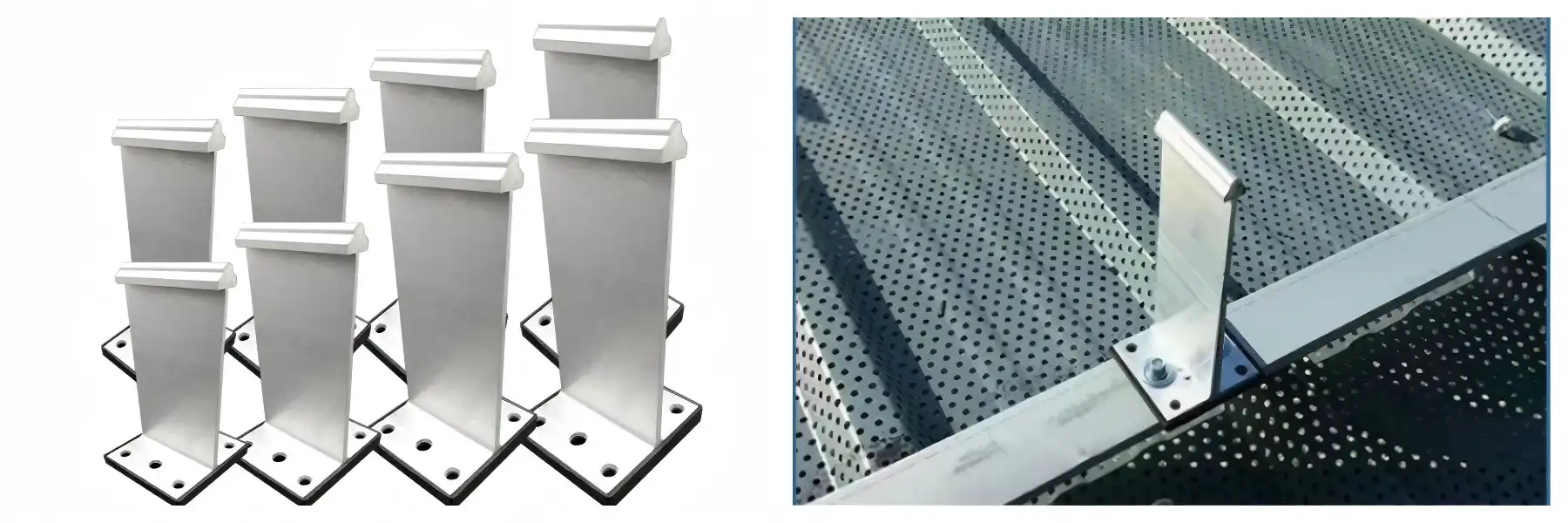
For bracket installation to go smoothly, you need special tools and high-quality materials made for metal roofs. Professional builders use precise torque tools to make sure that the fasteners are tightened to the manufacturer's specifications. This keeps them from over-tightening, which could damage the seam, or under-tightening, which could weaken the structure. Seam measurement measures, electric drills with power settings that can be changed, and weatherproofing applicators are all important tools for fitting. Roof clamp systems that work well need screws made of stainless steel, gaskets made of EPDM, and structural seals that can withstand being outside all the time.
When these parts are put together, they make waterproof links that stay strong for the life of the roof. The choice of material has a big effect on how well it installs and how well it works in the long run. Aluminum braces made to GB/T 5237.5-2017 standards have the best strength-to-weight ratios and won't rust in tough settings. Professional-grade fixing systems have features that can be adjusted to fit seams of different sizes, making sure that the connection is safe across the whole roof surface.
Step-by-Step Installation Process for Maximum Security
Before you start installing, make sure the seams where the clamps will go are very clean. Get rid of any dirt, rust, or protection films that might get in the way of the clamping action. Correctly measuring seams makes sure that brackets work with a wide range of seam heights and shapes and provide the best fit. Place the roof connection hardware in planned spots based on estimates of the structure and suggestions from the maker. Depending on the weight of the tools and the wind load, most uses need brackets to be spaced 36 to 48 inches apart. Make sure to clearly mark each placement point so that the project's spacing and alignment stay the same.
Before adding the top locking mechanism, make sure the seams are properly engaged on the lower bracket component. To keep the seam from deforming, apply the force that the maker recommends slowly and evenly. Good clamp connections spread loads over larger seam areas, which lowers stress densities that could damage the roof material. Check the stability of each link by making sure the seams are properly engaged, the gaskets are properly compressed, and the fasteners are securely tightened. Professional setups use extra sealing methods, like putting structural seals on important contact areas. This multi-layer method makes sure that the performance is waterproof even in harsh circumstances.
Load Distribution and Structural Considerations
A key part of installing roofing equipment on standing seam systems is ensuring that loads are distributed evenly, which is achieved through the proper use of a Standing Seam Bracket designed to provide balanced support and secure attachment without damaging the seam profile. Professional engineers figure out the load lines from the fixed equipment, through the bracket systems, to the roof structure below, making sure that each point of contact has enough strength. When you choose the right load bearing brackets, you can take into account both steady loads like the weight of the tools and dynamic loads like wind and earthquakes.
The amount of structural support needed depends on the type of equipment, the shape of the roof, and the weather conditions in the area. Mounts for solar panels usually create lifting forces when there is a lot of wind, so frames need to be stronger to keep them from coming loose. When HVAC equipment is used, it causes concentrated loads that need stronger fixing points and maybe even more structural support. When planning the layout of brackets for big roof areas, think about how heat moves. Slotted links and bendable sealing materials in aluminum clamp systems allow for heat expansion. This movement allowance stops stress from building up, which could damage joint connections or make leak paths over time.
Weatherproofing and Sealing Best Practices
To get long-lasting weatherproofing, you need to pay close attention to how each bracket connects to the next. Professional setups use several ways to seal, such as compressing the gasket, using structural adhesives, and putting protection coats on key contact areas. EPDM seals are the main way that the bracket parts and the roof gap keep out the weather. These seals need to be able to compress properly without being over-compressed, which could cause them to fail too soon. Good waterproof fastener systems have seal retention features that keep the right amount of tension even when the temperature changes.
For secondary sealing, structural sealants are put around the edges of the brackets and where the fasteners go. These seals provide extra protection against water getting in while allowing for small movements between parts. For long-lasting bonding, choose seals that can be used on metal surfaces and are rated for constant UV exposure. Protective coats should be put on bolt heads and clamp edges that will be seen during installation and where the factory finish could be damaged. Touch-up treatments like these keep the finished work looking good and stop rust from starting.
Common Installation Mistakes and How to Avoid Them?
The most common fitting mistake in metal roof fixing jobs is using the wrong amount of force. When you over-tighten, the seam profiles can change shape, which can lead to stress buildup and possible failure spots. Moving around can wear out seals and loosen connections over time if you under-tighten them. If seams aren't cleaned well enough before they are installed, they can cause contact problems that weaken both the structure and the weather covering. Protective layers, rust, and dirt get in the way of good seal contact and make tightening less effective. Cleaning the brackets thoroughly with the right chemicals is important for getting the best performance.
When brackets are placed out of alignment, they cause uneven load spread and lower the system's capacity. Professional installers use measurement guides and orientation tools to make sure that big parts of the roof are always in the same place. This level of accuracy makes sure that the load is transferred properly and improves the look of the whole system. Combinations of materials that don't work well together can lead to galvanic rust issues that shorten the useful life of parts. To keep electrochemical reactions from happening, aluminum brackets need screws and gasket materials that are suitable. Good makers give full information on how materials work together so that you can choose the right parts, including the Standing Seam Bracket, with confidence.
Quality Control and Long-Term Performance
Professional quality control methods make sure that the work meets the standards and requirements set by the maker. Visual inspections make sure that the seams are properly engaged, that the gaskets are properly compressed, and that the fasteners are installed correctly. Checking the torque with measured tools makes sure that the bond quality is the same in all bracket positions. For future upkeep purposes, write down information about the installation, such as where the brackets went, how much force to use, and how to seal the joints.
This paperwork is useful for guarantee claims and helps maintenance workers understand how the system is set up while they are doing service work. Regular inspections find problems before they get worse and hurt the roof's performance. Bracket security, gasket state, and sealant quality should all be checked once a year. Preventative maintenance makes systems last longer and keeps them from needing expensive emergency fixes. Performance tracking with structure health sensors gives you real-time information about how the system is doing. More advanced systems have movement and load monitors that let building managers know when problems are starting to form before they break.
Conclusion
Proper standing seam bracket installation requires careful attention to material selection, installation procedures, and quality control measures. Professional contractors who follow manufacturer specifications and industry best practices achieve installations that provide decades of reliable service. Quality aluminum bracket systems from experienced manufacturers offer the durability and performance that commercial and residential projects demand. Regular maintenance and inspection programs ensure continued performance while protecting the significant investment in metal roofing systems. Success depends on combining quality materials with skilled installation techniques and ongoing performance monitoring.
Partner with HF for Premium Standing Seam Bracket Solutions
Construction professionals and roofing contractors seeking reliable Standing Seam Bracket manufacturer partnerships can depend on Xi'an Huafeng's industry expertise. Our aluminum alloy 6063-T5/T6 brackets deliver exceptional strength and corrosion resistance backed by comprehensive technical support. Contact huafeng@hfmetalroof.com to explore customized mounting solutions for your next project.
References
1. American Society of Civil Engineers. "Structural Design Requirements for Standing Seam Metal Roof Systems." ASCE Standards Committee on Metal Building Systems, 2023.
2. Thompson, Robert J., and Sarah M. Williams. "Load Distribution Analysis in Clamped Standing Seam Connections." Journal of Structural Engineering, vol. 149, no. 8, 2023, pp. 04023112.
3. National Roofing Contractors Association. "Professional Guidelines for Standing Seam Metal Roof Installation." NRCA Technical Manual, 5th edition, 2022.
4. Chen, Michael K., et al. "Weatherproofing Performance of Aluminum Bracket Systems in Extreme Climates." Building and Environment Research Quarterly, vol. 87, 2023, pp. 245-261.
5. International Code Council. "Metal Roof Assembly Requirements and Testing Protocols." ICC Evaluation Service Standards, Report ESR-2024, 2023.
6. Rodriguez, Elena P., and James A. Mitchell. "Thermal Movement Accommodation in Standing Seam Mounting Systems." Construction Materials and Design, vol. 156, 2023, pp. 118-134.





YOU MAY LIKE