Flat Lock Panels: A Cost-Effective Roofing Solution
2026-05-12 18:28:31
Purchasing teams in charge of large commercial construction projects including convention centers, transportation hubs, and government buildings must always balance tight budgets with high performance criteria. This can be solved using Flat Lock Panels. These affordable interlocking metal covering systems provide stunning architecture, durable constructions, and weather protection. Its four-sided hem design makes the surface practically flat, making it waterproof and suitable for complex shapes. Builders and developers with tight schedules and quality standards must understand how these panels cut lifetime costs without sacrificing attractiveness.
Understanding Flat Lock Panels: Definition and Function
What Defines This Roofing System
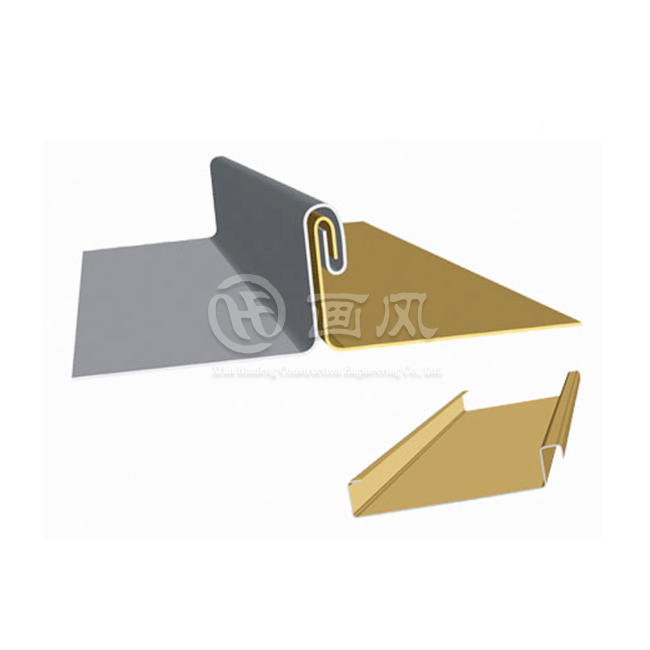
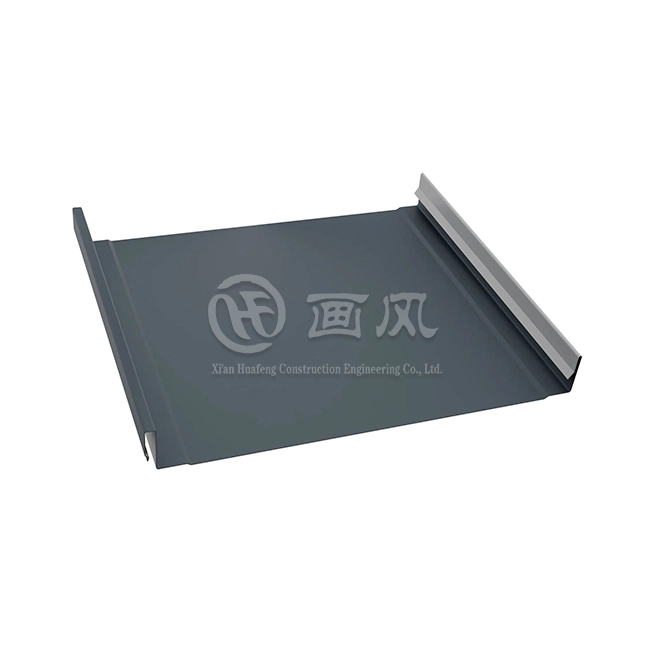
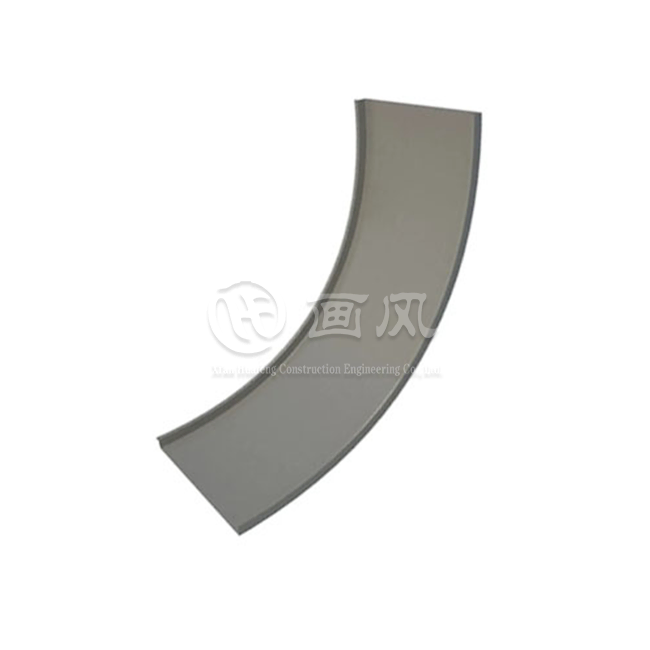
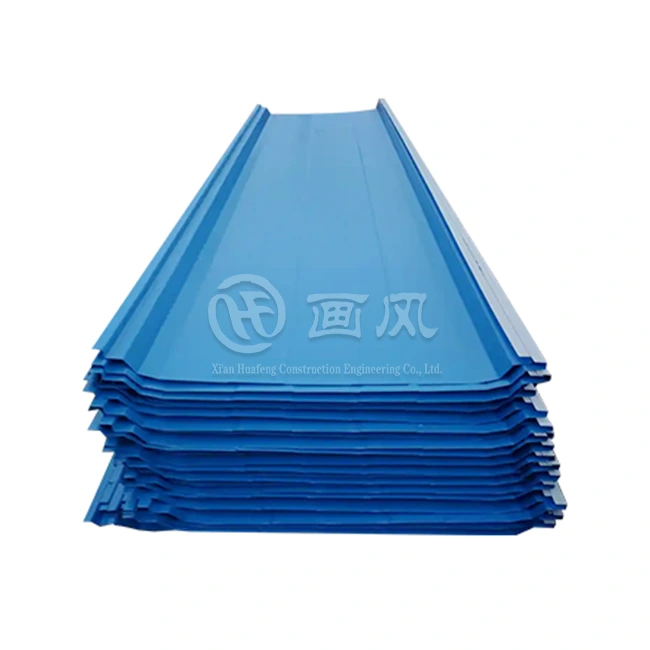
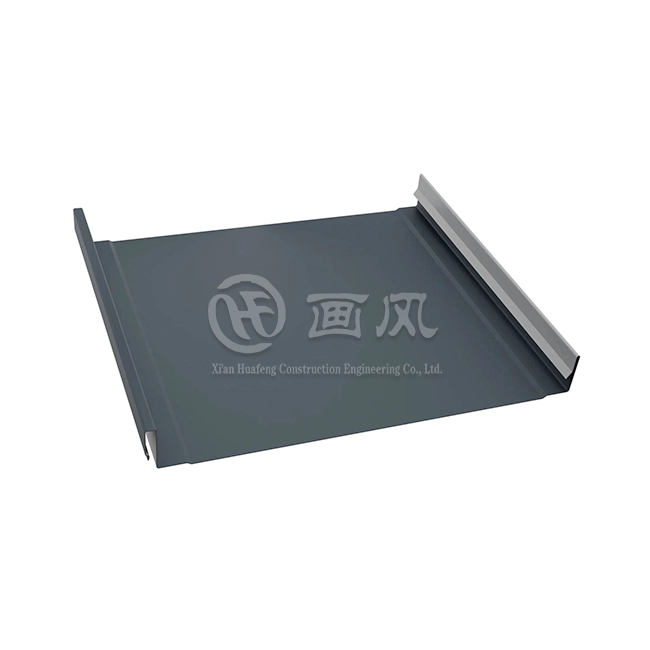
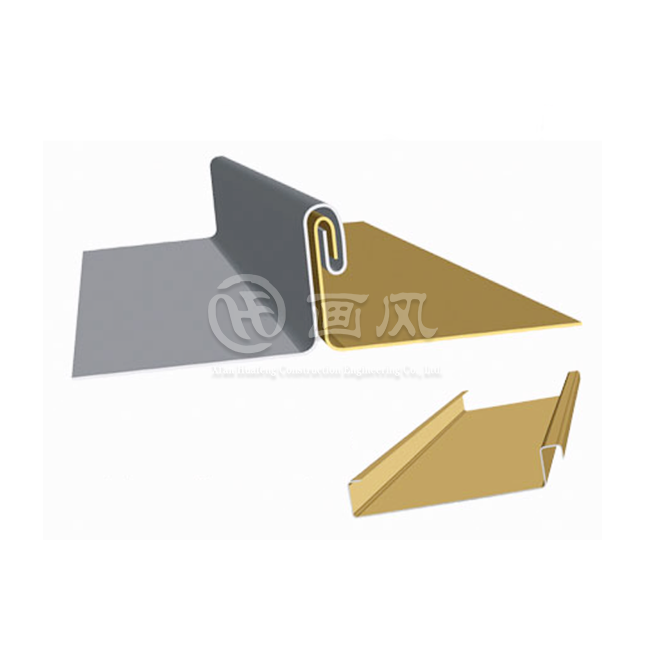
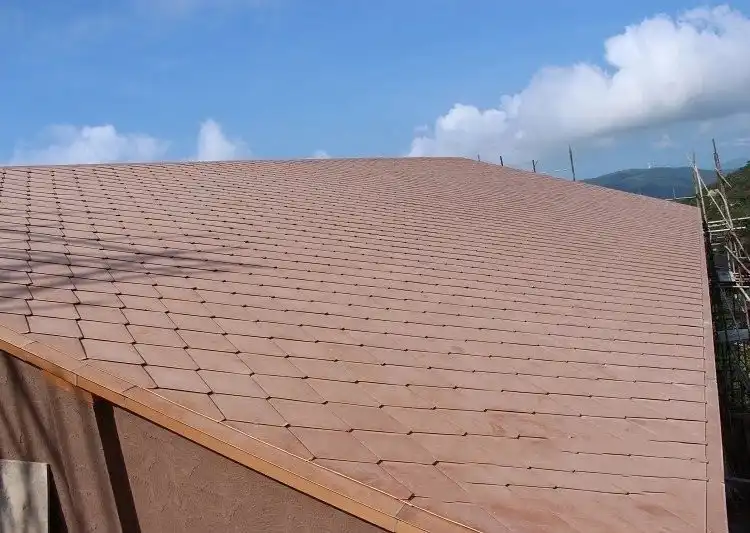
Metal roofing panels with interlocking seams are new to building shell technology. Hidden fastening elements on all four sides distinguish Flat Lock Panels from typical overlapping sheets. The sections may expand and shrink independently, which is important when working with titanium zinc, TECU copper, aluminum-magnesium-manganese alloys, or stainless steel. The optimal balance between material cost and structural performance is panel thicknesses between 0.4mm and 0.8mm. This engineering-based strategy solves business building issues. Each rectangle, rhombus, trapezium, or hexagon panel is part of a moving skin system. Clips or built-in flanges attach to a continuous foundation (typically plywood or metal decking) without going through the exposed surface. This covert connection controls heat movement that may wear fasteners or distort the panel and maintains it clean.
Core Functional Advantages
In business settings, weather protection is very important. When panels are put together from bottom to top, the overlapping hem makes it look like shingles, which keeps water away from the seams that could be damaged. This hydrostatic barrier works consistently on roof slopes greater than 3:12, which is about 14 degrees. It meets ASTM E283 standards for air entry and ASTM E331 standards for water penetration. In places where bad weather is common, the system can be built to meet the requirements of high-velocity storm zones. The choice of material improves usefulness even more. Titanium zinc forms a protective patina that can heal small scratches on its own, and aluminum-magnesium-manganese metals are better at resisting rust in coastal areas. Stainless steel has the best strength-to-weight ratio for projects that need to be more resistant to pressure. The unique look of TECU copper has been improved by adding antibacterial qualities. When procurement teams know about these material properties, they can make sure that panel standards are in line with design purpose, budgets for upkeep, and the environment. The low weight—about 5.8 kg per square meter—lowers structure dead loads compared to options like concrete or clay tiles. Because it's lighter, it might be possible to save money on base engineering and structural steel needs. This is especially helpful when remodeling old buildings or creating long-span roofs over transportation hubs.
Comparing Flat Lock Panels with Other Roofing Solutions
Performance Against Alternative Systems
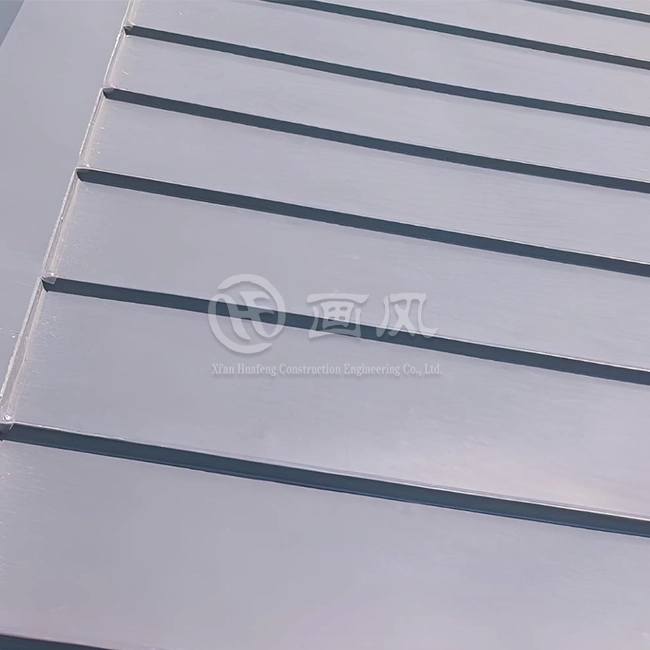
When people talk about high-end business setups, standing seam metal roofing comes up most often. However, the Flat Lock Panels method has its own benefits in some situations. Some builders like the way that shadow lines are made by standing seam systems, which have vertical ribs that stick out 38 to 50 mm above the roof plane. However, this shape makes wind uplift more likely and makes it harder to integrate with complex forms. The flat lock option has a low profile (less than 25 mm), which makes it better for curved surfaces, domes, and tapered sections, which are common needs in modern airport hubs and show halls.
Material Cost Analysis
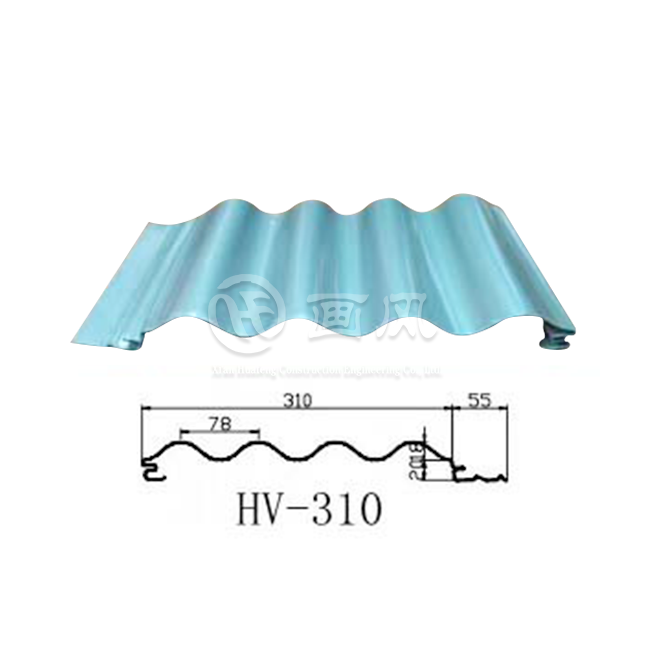
Corrugated metal panels are cheap since they're quick to install and require little base preparation. Panels can be larger and need fewer screws since their sinusoidal shape makes them stiff. This economy has image issues. Repeating waves don't always meet Class A company construction design standards. Corrugated systems trap waste, making maintenance more frequent and increasing leaks. Interlocking devices instead of profile shapes eliminate these dips while maintaining structural performance. Starting material costs vary by metal type, affecting job cost. Middle-priced aluminium panels are common. They resist rust and cost 60–70% less than copper or zinc panels. Despite its high cost, stainless steel lasts long in chemical-rich industrial applications. Titanium zinc is more expensive upfront, but it's the most cost-effective over 50 years because it's low-maintenance and recyclable.
Installation assistance also affects cost. Heming requires trained metal workers, which may raise hourly rates compared to snap-lock solutions. The system's ability to work with uneven substrates reduces preparation costs. Panels can be double-curved without specific fabrication. This eliminates the need for costly bespoke shaping for intricate architectural details in standing seam setups. When calculating total ownership costs, procurement experts should consider energy efficiency. Reflective PVDF paints on metal roofs reduce cooling demands by 20–30% compared to dark asphalt systems. The building will consume less energy and cost less to run over its lifetime, offsetting its higher initial cost with lower HVAC bills. Large buildings like distribution hubs and exhibition halls need this.
Installation and Maintenance of Flat Lock Panels
Pre-Installation Requirements
Evaluation of the base is the first step to successful application. To stop oil canning, which is when thin metal crosses uneven surfaces and looks wavy, the continuous backing must be flat within 6 mm over a 3-meter span. Sheathing made of plywood should be at least 15 mm thick and should be properly attached to structural parts every 150 mm. Similar flatness standards must be met for metal decks, with extra care given to the orientation of the purlins and any weld seams that stick out. The choice of underlayment affects how well it works in the long run. High-temperature self-adhered coverings act as extra weather shields that can handle the changes in temperature that metal roofs go through. These layers need to be able to stay stable at temperatures above 80°C, which is when dark metal surfaces usually get to in the summer sun. When penetrations are properly lapped and sealed, moisture can't get in and weaken the base over many years of use.
Seam Execution Techniques
Hemming needs to be done with great accuracy. Each panel edge folds over the edges of the pieces next to it in a two-step bending process that makes a weathertight join that doesn't let fasteners go through. Specialized folding tools make sure that the hem width stays the same across the whole roof field, which is usually 25 mm. When sewing isn't done evenly, stress builds up and metal wears down faster, which could cause seams to fail in strong winds. Thermal growth control is what separates systems that work well from ones that don't. For every 10°C rise in temperature, metal walls grow by about 0.2 mm per meter. Between winter and summer, a 30-meter piece of roof expands by 18 mm along its length. The sliding clip attachment method allows for this movement, but the pieces need to be placed correctly at the start. When Flat Lock Panels are installed when temperatures are mild (15–20°C), they don't get too slack or too tight when yearly temperature extremes happen.
Maintenance Protocols for Longevity
Inspections every three months find small problems before they get worse and need expensive fixes. From the top, visual inspections check the integrity of the hem, the security of the clip connection, and the state of the surface coating. Pay close attention to roof penetrations like vents, skylights, and HVAC units because different movements can damage seals. Cleaning every two years gets rid of organic matter that sticks to metal surfaces and keeps water in, especially in tree-shaded areas or valleys. What material you choose affects how well it stops corrosion. Aluminum and stainless steel don't need much care other than getting rid of trash. Copper and zinc both benefit from patina development tracking, which makes sure that the protective oxide layer forms evenly and without problems with green staining (copper) or white rust (zinc). Touch-up coating patches fix any scratches or abrasions that go through original finishes. This stops the PVDF layers below from breaking down faster.
Procurement Considerations and Sourcing Flat Lock Panels
Supplier Qualification Criteria
To find trusted makers, you need to do more than just compare prices. Portfolios of certifications show how mature operations are and how committed people are to quality. Getting ISO 9001 or 14001 certification shows that you have recorded quality management systems, and getting ISO 14001 certification shows that you care about the environment, which is becoming more and more important as companies' sustainability goals affect their purchasing decisions. SGS testing proof makes sure that the product's specs match the performance data that has been made public. This lowers the risk of accepting materials that aren't up to par. Production capacity has a direct effect on the viability of a project. Large business projects that need between 5,000 and 15,000 square meters of roofs need suppliers that can make a lot of products. In Anhui, Hangzhou, and Xi'an, we run buildings that are a total of 200,000 square meters and have seven color coating lines and ten horizontal shearing systems. This size guarantees wait times of 15 to 20 days, even for large orders. This is in line with the tight schedules that are usual for government-funded infrastructure projects.
Technical Capability Assessment
Value-added partners are different from basic providers because they can customize their products. For complicated building designs, panel sizes that aren't standard, color matching that goes beyond standard RAL catalogs, and unique surface textures are needed. Suppliers that let you change the width (100–400 mm) and shape (rectangle, rhombus, trapezoid, hexagon) show the level of production skill that is needed for big projects. Being able to offer PVDF or PE coatings lets you make the best choice based on the climate and your budget. Warranty structures show that the company that made the product is confident in its durability. Standard warranties usually cover covering stability and panel holes for 10 to 15 years. Our high-tech company certification and Grade 1 curtain wall qualification back up our 30-year promises. This shows that we are confident in the materials we use and the way they are made. Longer guarantees lower building owners' long-term financial risk and make it easier to figure out lifetime costs when they are evaluating purchases.
Global Supply Chain Considerations
Following international standards makes it easier for global groups to buy things from other countries. Products that meet the testing standards for North America and Europe fit right into projects, no matter where they are installed. Our export experience in more than 100 countries shows that we can handle the different rules, shipping processes, and paperwork needs that come with getting materials from other countries. Sample review is still very important before committing to large-scale buying. Samples of the material show quality, consistency of finish, and correctness of measurements that can't be judged by specs alone. We offer free samples so that technical teams can try them on their own, make sure they meet the needs of the project, and get approval from stakeholders before choosing a final provider. This step reduces the risk of having to do expensive repairs or fix speed problems that are found after the installation.
Why Flat Lock Panels Are the Preferred Choice for Commercial Roofing
Proven Performance in Demanding Applications
Transportation infrastructure projects show what this method can do. High-speed rail stations need covering materials that can handle the constant shaking from trains, the high winds that come from the platforms, and the shorter repair cycles that are needed because of the stations' nonstop operations. The overlapping hem design keeps fasteners from coming loose from vibrational stress and lets you change a panel without taking apart a large part of the roof. The system can handle complicated shapes like barrel vaults, hyperbolic paraboloids, and conical skylights without the need for custom panel production, which is useful for convention centers that are 10,000 square meters or more. More and more, government buildings choose materials that meet green standards. Metal roofing systems made of aluminum or zinc can be recycled more than 90% of the time, which helps meet LEED certification goals. The reflected qualities lessen the effects of urban heat islands in busy business areas, which is in line with local climate action plans. When compared to standard roofing, energy modeling shows that the cooling load is reduced by 15 to 25 percent. This means that running costs are cut, which improves the project's lifecycle economics.
Economic Value Proposition
What makes something cost-effective is not only how much it costs, but also how well it is installed and how often it needs to be maintained. The lightweight design cuts down on the time needed to rent a crane and lets the work be done while the building is still occupied, with little need for structural support. Installation teams say they can finish jobs 30–40% faster on curved surfaces than with standing seam options that need to be bent in the field. This schedule shortening saves money in a roundabout way by lowering general conditions costs and letting people move into the building earlier. Compared to membrane roofing systems, which need to be replaced every 12 to 15 years, maintenance gaps are much longer. With proper upkeep, Flat Lock Panels often last longer than 50 years, so buildings don't have to be re-roofed more than once, which can be disruptive to business. Since there are no organic materials, UV light, biological growth, or chemical pollution can't break down elastomeric and modified bituminous systems in industrial settings.
Conclusion
Roofing options for commercial buildings need to strike a balance between good looks, structural strength, and cost-effectiveness. These different needs are met by the interlocking metal panel system, which has engineering that works with complicated shapes, material choices that are appropriate for the area, and installation methods that are quick enough to meet tight project deadlines. When looking at choices for convention centers, transit hubs, or government buildings, procurement teams find that systems with 30-year warranties, delivery times of 15 to 20 days, and the ability to change thickness, width, and finish specs are very valuable. As building codes change to require better energy efficiency and sustainability, metal cladding systems set up projects for long-term working efficiency while meeting current budget needs.
FAQ
1. What minimum roof slope do flat lock panels require?
The best practice in the industry says that the minimum slope for effective water shedding is 3:12, which is about 14 degrees. When it comes to drainage, steeper slopes work better, while lower pitches need extra protection layers under the metal panels. This is different from standing seam systems, which can work with 1:12 slopes because their seam widths are higher.
2. Can panels be installed over existing roofing?
Installing over existing materials relies on the state of the substrate and how strong it is. Sound, flat surfaces may be able to handle patch installation, which cuts down on the cost and time of tear-off. However, an uneven roof makes the base uneven, which can be seen through the thin metal walls and causes oil canning. Structural engineers have to make sure that the extra dead load doesn't go beyond what was planned.
3. How does thermal expansion affect panel performance?
For every 10°C change in temperature, metal grows by about 0.2 mm per meter. This movement is possible with the sliding clip connection method, which doesn't put stress on the fasteners or cause the panel to buckle. When installation is done correctly during moderate temperatures, too much beginning strain or compression is avoided. When compared to bigger sheet formats, smaller panel units (less than 1 square meter) have even less expansion stress.
Partner with HF for Your Next Commercial Roofing Project
When you buy Flat Lock Panels from Xi'an Huafeng Construction Engineering Co., Ltd., you're getting specialized production skills. Our Grade 1 building curtain wall and Grade 3 steel structure certifications show that we have the technical know-how needed for big projects. With production sites that cover 200,000 square meters, we keep a deep inventory that allows for quick fulfillment (usually 15 to 20 days), which is important for building schedules that need to be met on time. Titanium zinc, TECU copper, aluminum-magnesium-manganese alloys, and stainless steel are some of the materials that can be used. These let you customize the specifications for seaside, industrial, or urban settings. As a well-known flat lock panels supplier, we offer full professional support, from helping with the initial design to showing you how to place the panels. Email our team at huafeng@hfmetalroof.com to talk about your project needs and get free samples to look over.
References
1. American Society for Testing and Materials. (2021). ASTM E1592: Standard Test Method for Structural Performance of Sheet Metal Roof and Siding Systems by Uniform Static Air Pressure Difference. West Conshohocken: ASTM International.
2. National Roofing Contractors Association. (2020). The NRCA Metal Panel and SPF Roof Systems Manual. Rosemont: NRCA Publications.
3. Copper Development Association. (2019). Architectural Copper Cladding: Design and Installation Guidelines. New York: CDA Technical Services.
4. Zinc Roofing Association of America. (2022). Flat Lock Panel Installation Standards for Commercial Applications. Washington D.C.: ZRAA Publications.
5. Sheet Metal and Air Conditioning Contractors' National Association. (2018). Architectural Sheet Metal Manual, 7th Edition. Chantilly: SMACNA Technical Resources.
6. Metal Construction Association. (2023). Sustainability and Life Cycle Assessment of Metal Roofing Systems. Glenview: MCA Research Foundation.





YOU MAY LIKE